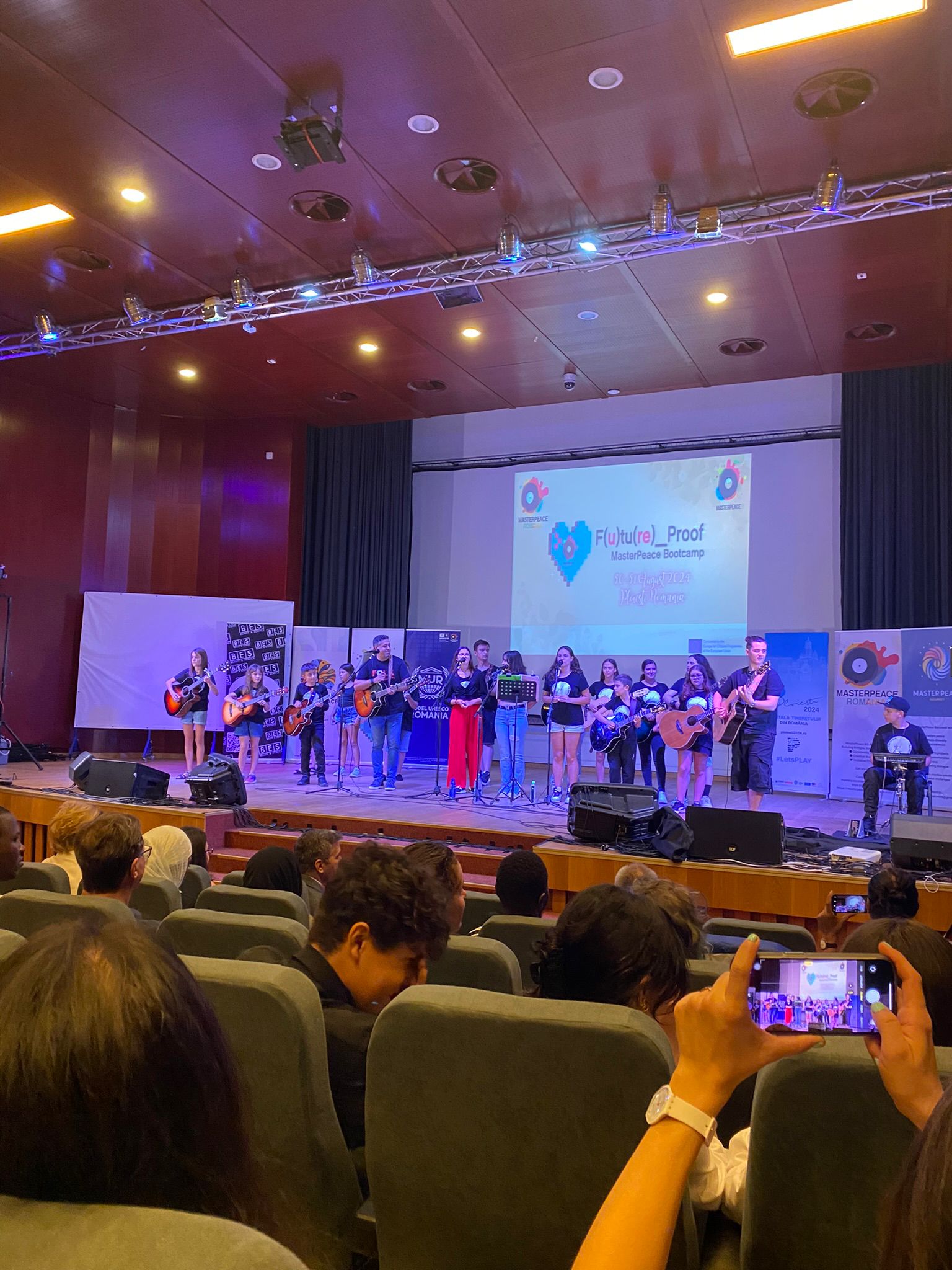
Rethinking Leadership in Obzor: A Digital and Eco-Friendly Erasmus+ Experience
Is leadership simply about directing a group or making decisions? During a week in Obzor, I experienced how leadership can also mean listening, sharing responsibility, making room for differences, using the digital world responsibly and considering the environment.
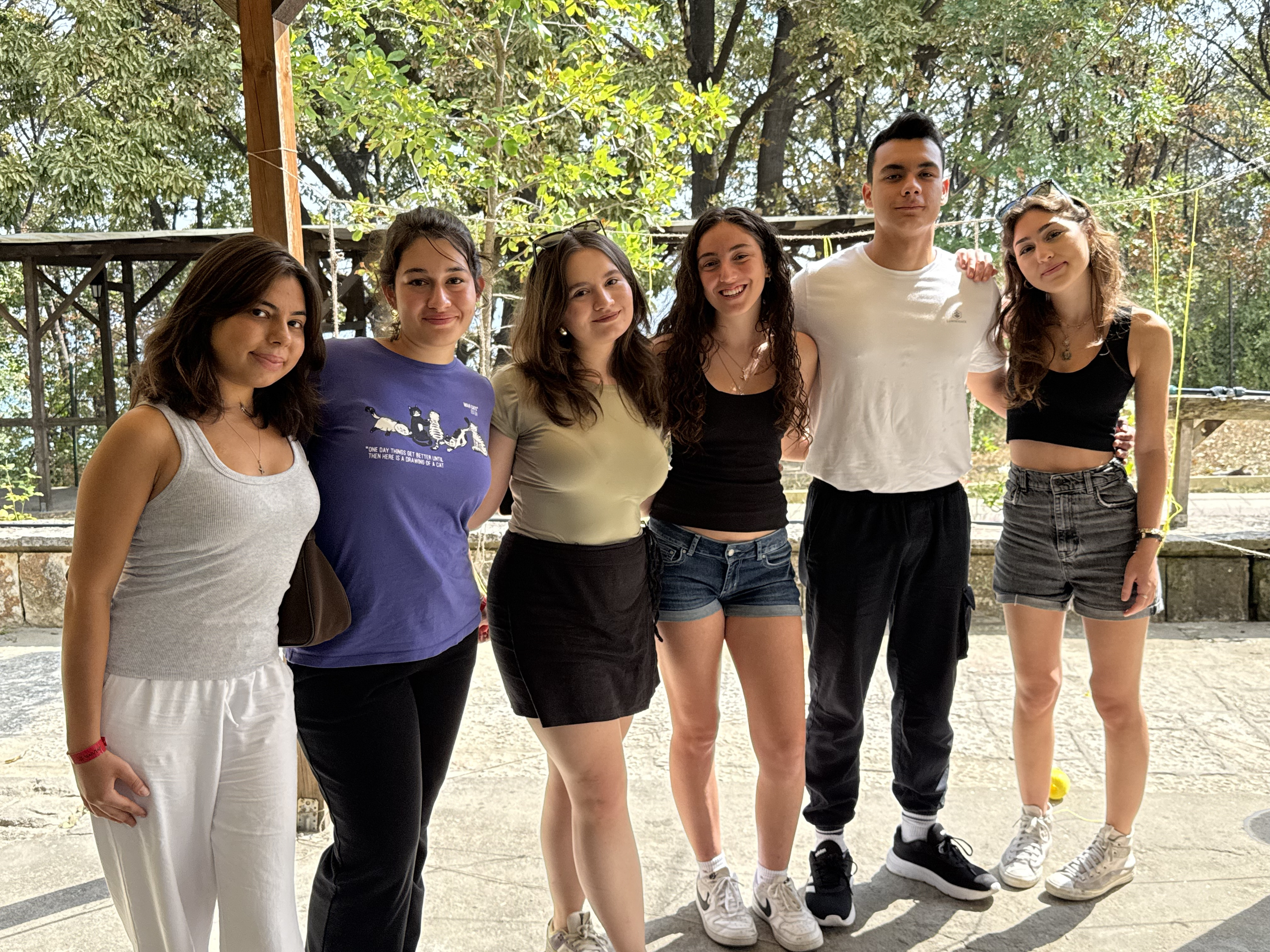
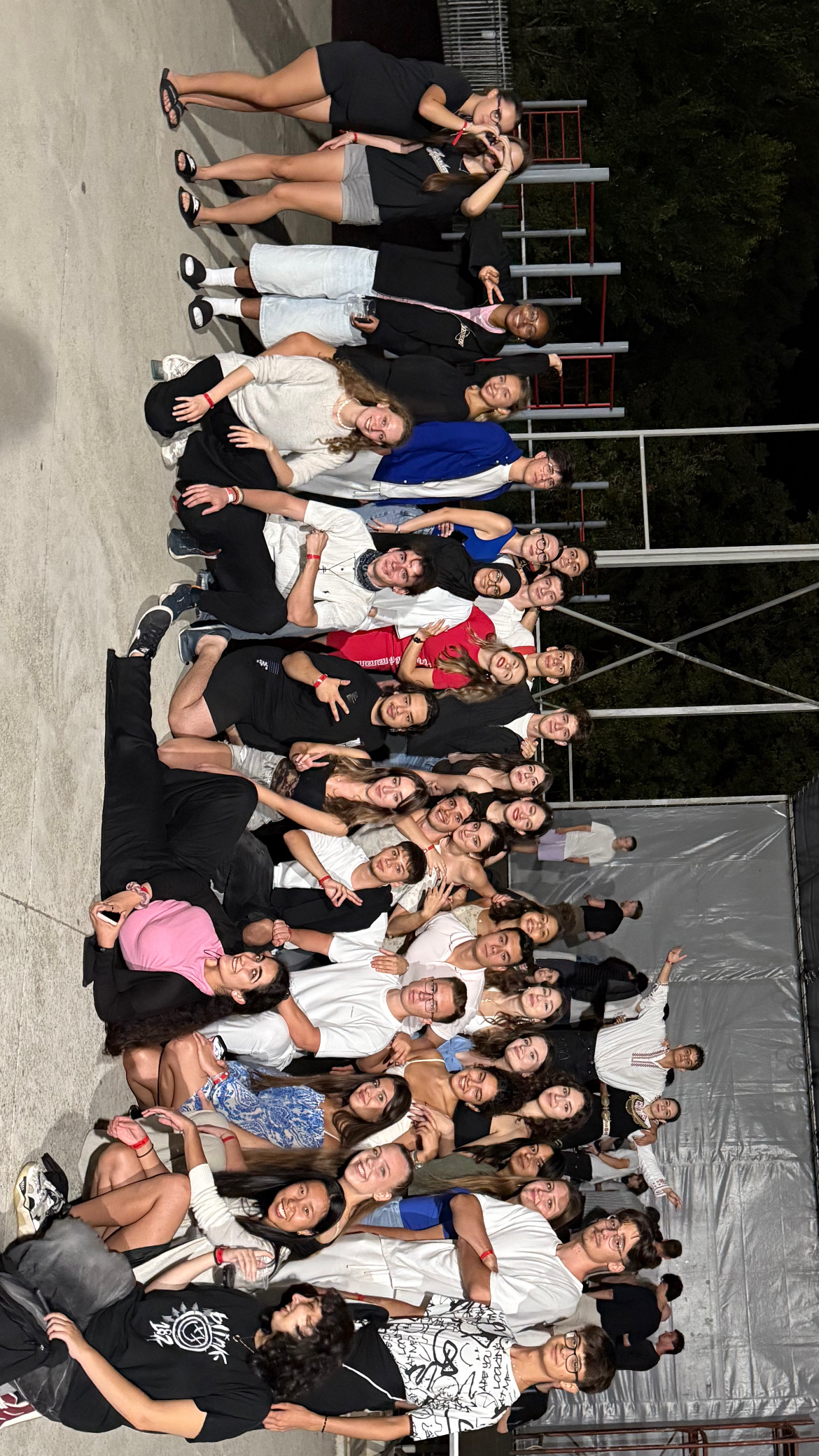
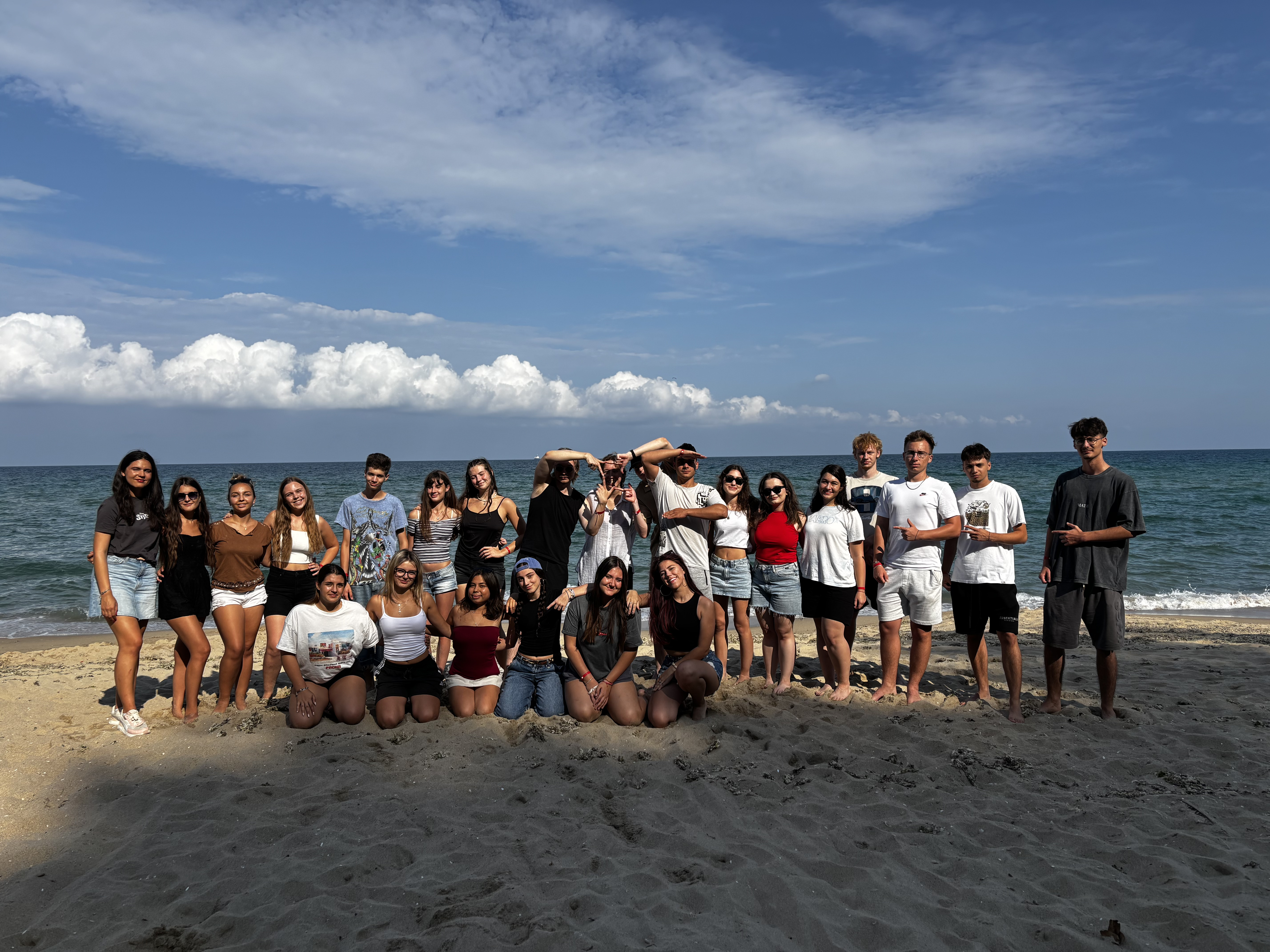
From 10 to 16 September 2025, I participated in an Erasmus+ youth exchange in Obzor, Bulgaria. The project's main theme was digital and eco-friendly leadership. Throughout the week, I worked with young people from different countries on leadership, teamwork, communication, responsibility, stress management, time management, digital tools, sustainability and environmental awareness.
One of the most important aspects of the project for me was that we did not approach leadership only in its traditional sense. We did not define leadership simply as directing a group or making decisions. We discussed how a good leader should listen to people, manage differences within a team, take responsibility, know when to step back and help the group move towards a shared goal.
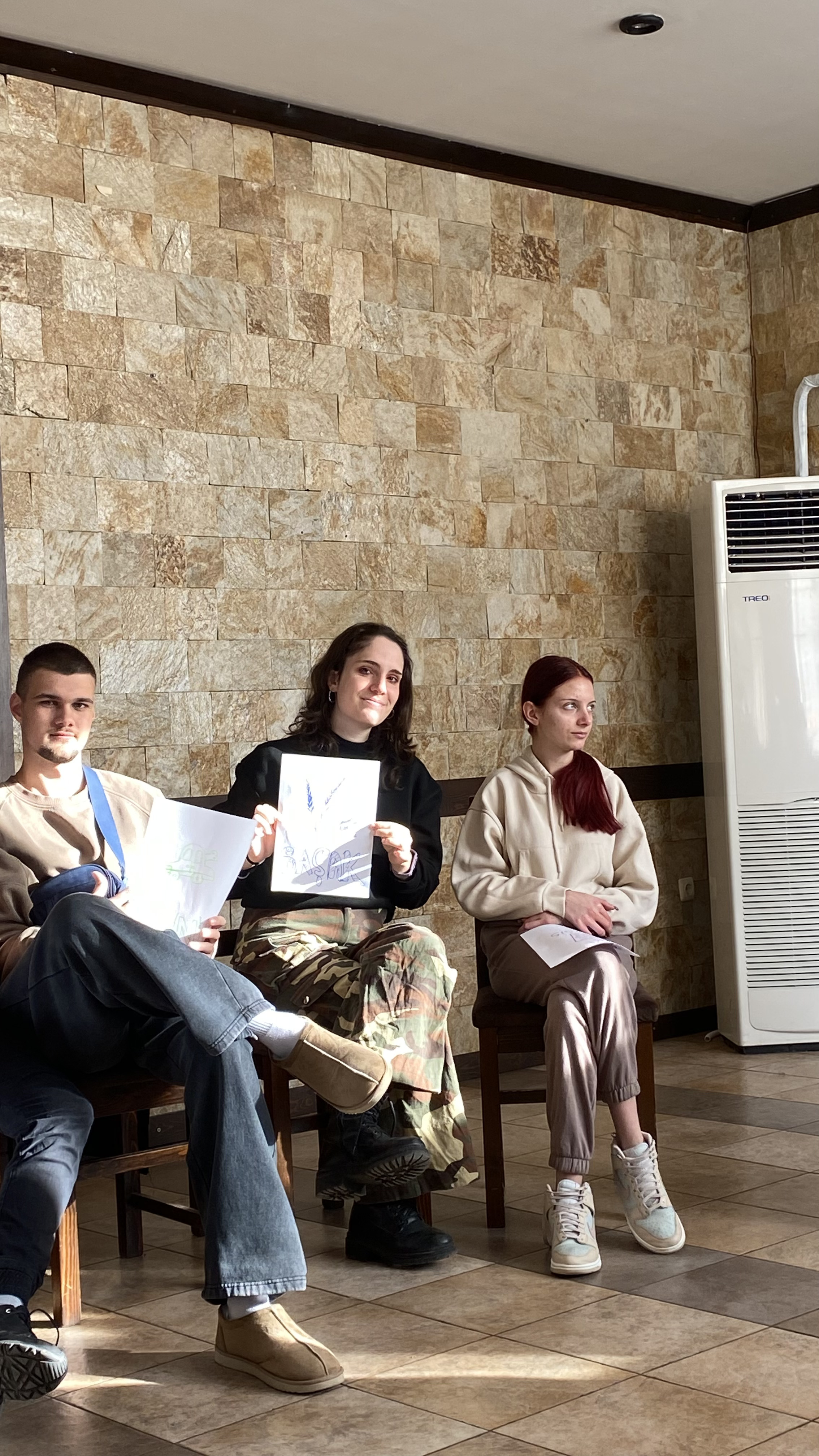
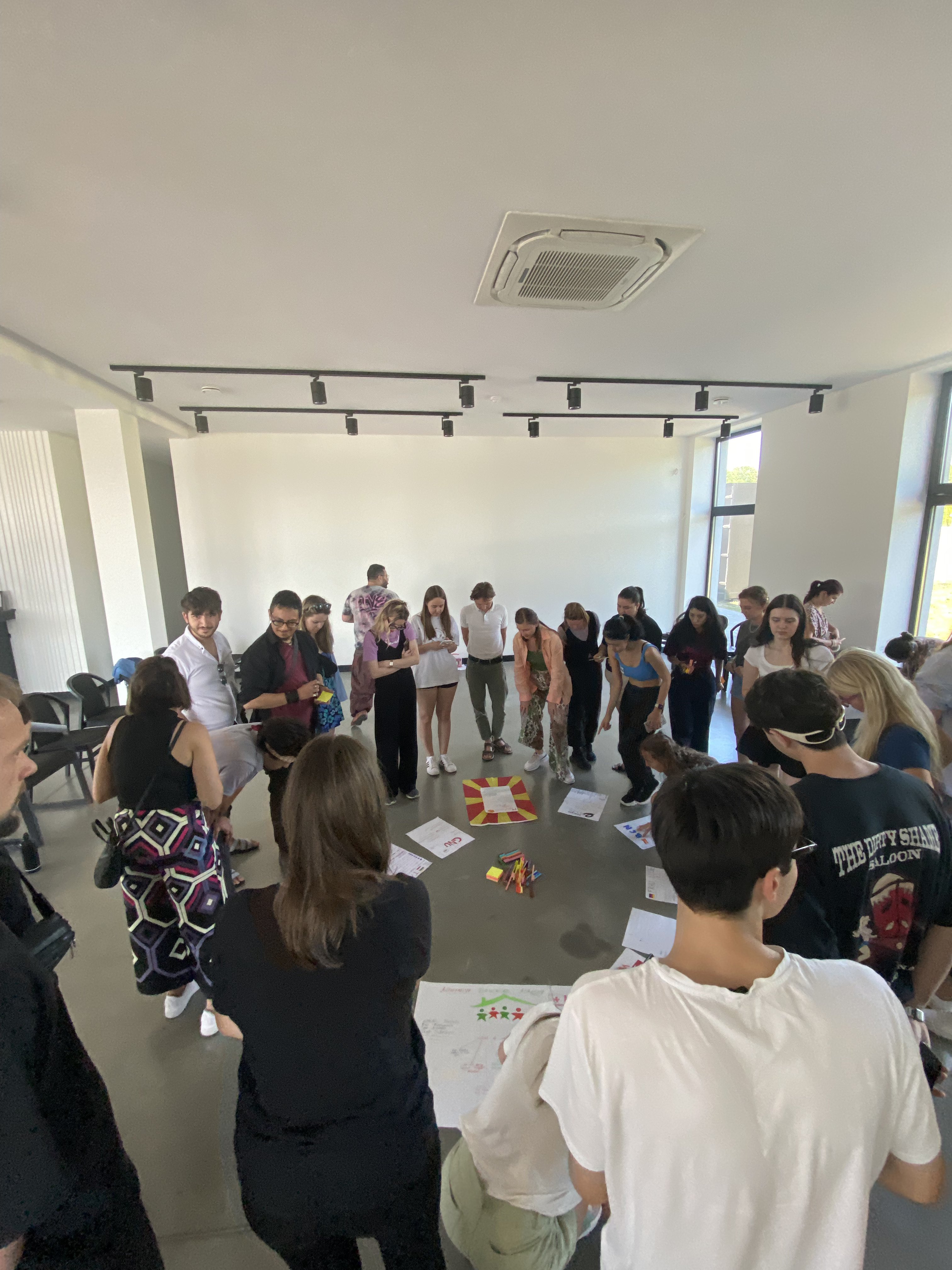
Through the workshops and group activities, we did not simply hear about these ideas in theory. During different tasks, we experienced leading, taking responsibility within a team and sometimes following someone else's leadership.
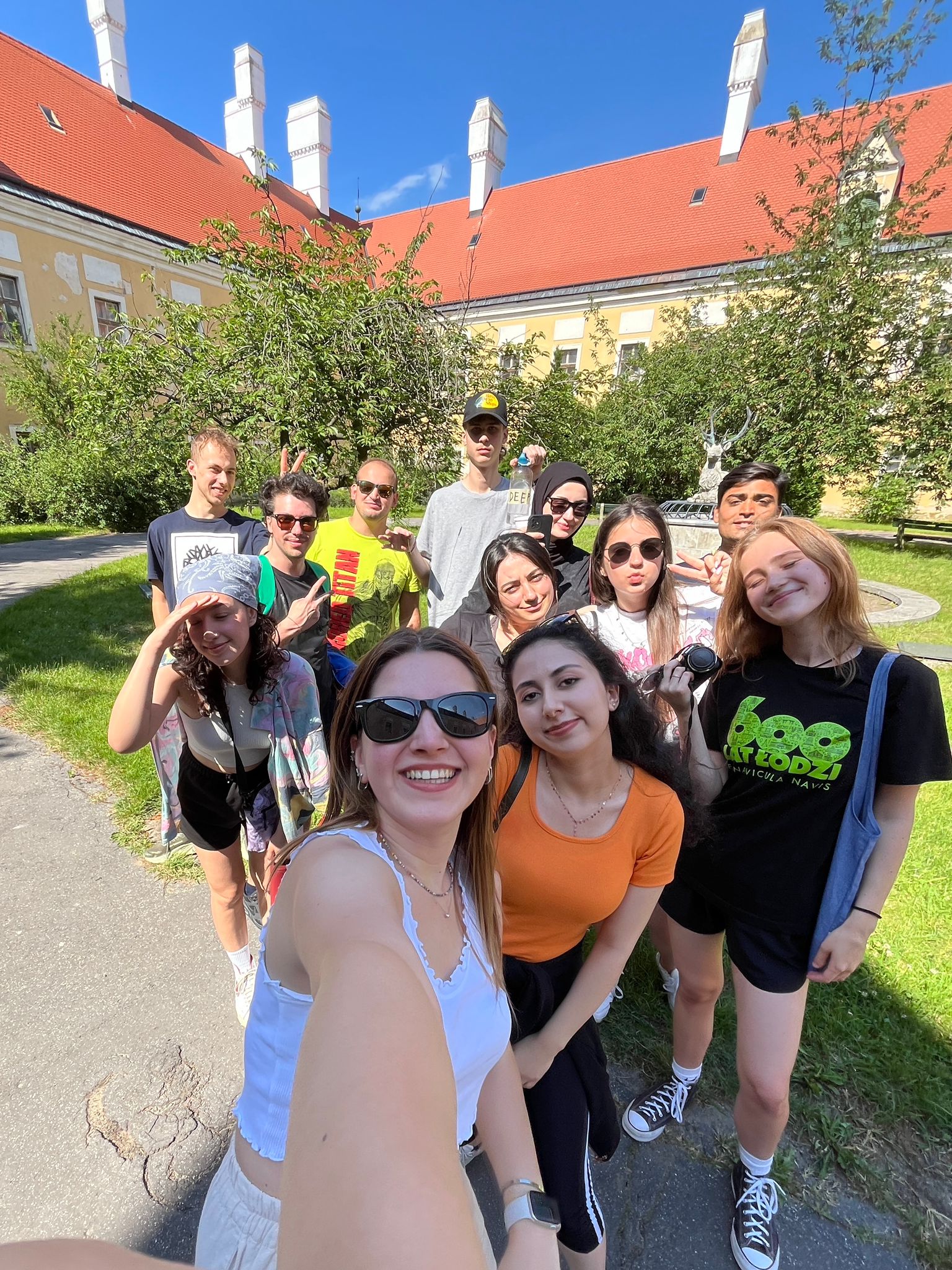
Working with participants from different countries was another important part of the project. I saw how people from different cultures can approach the same issue from different perspectives. Sometimes we tried to solve the same problem in different ways. At other times, combining different ideas led us to solutions we would not have reached individually.
English was the common language of the project. I therefore used English in many situations, from everyday conversations to group activities. At first, I needed more time to form some sentences, but I gradually became more comfortable. Explaining ideas in English, listening to others and becoming accustomed to different accents gave me valuable practice.
Day One: First Meetings and the Beginning of the Project
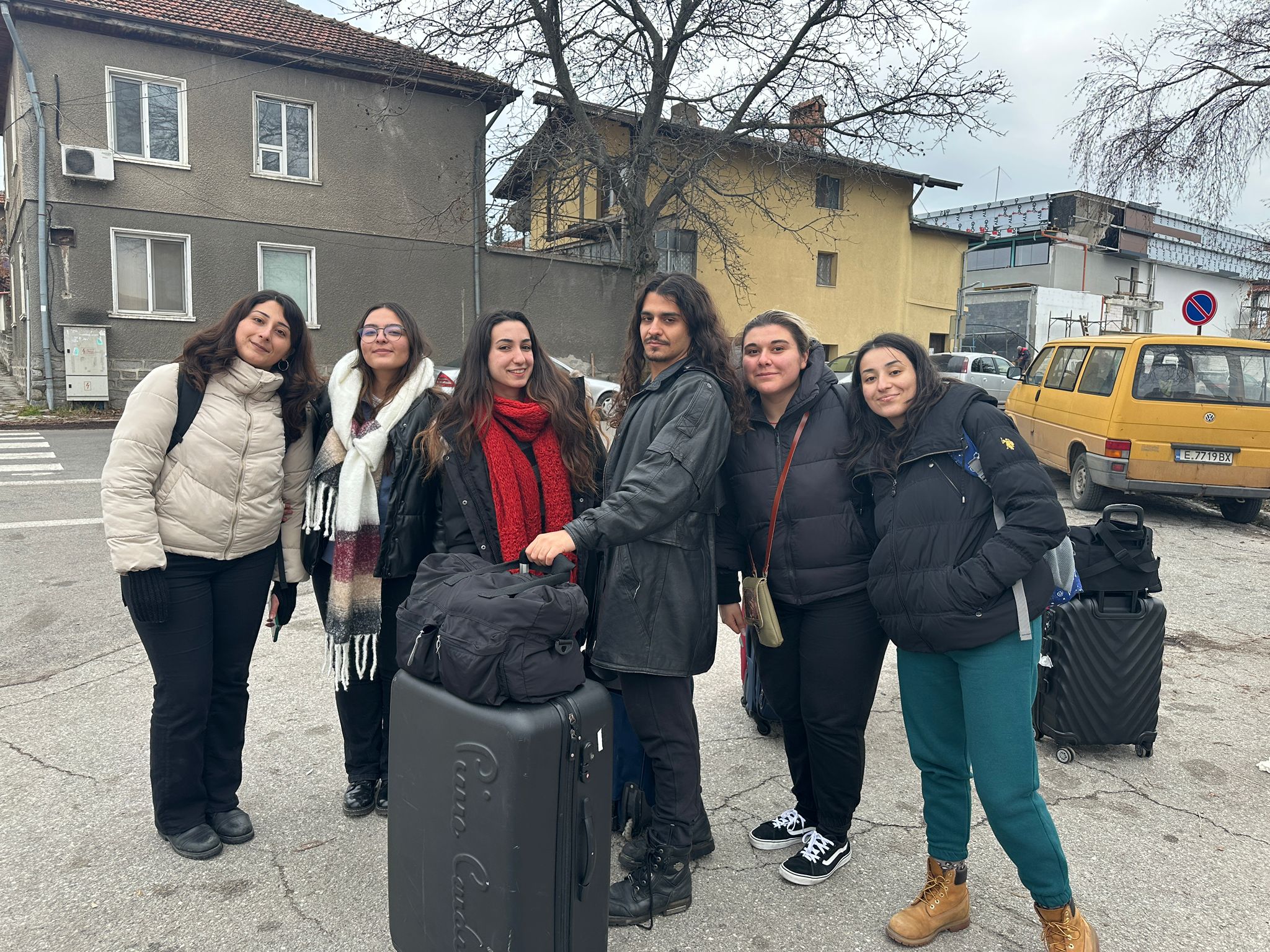
The first day was mainly about settling in and getting to know one another. Participants from different countries arrived at the hotel and moved into their rooms. There was naturally some excitement during those first hours as everyone tried to meet each other.
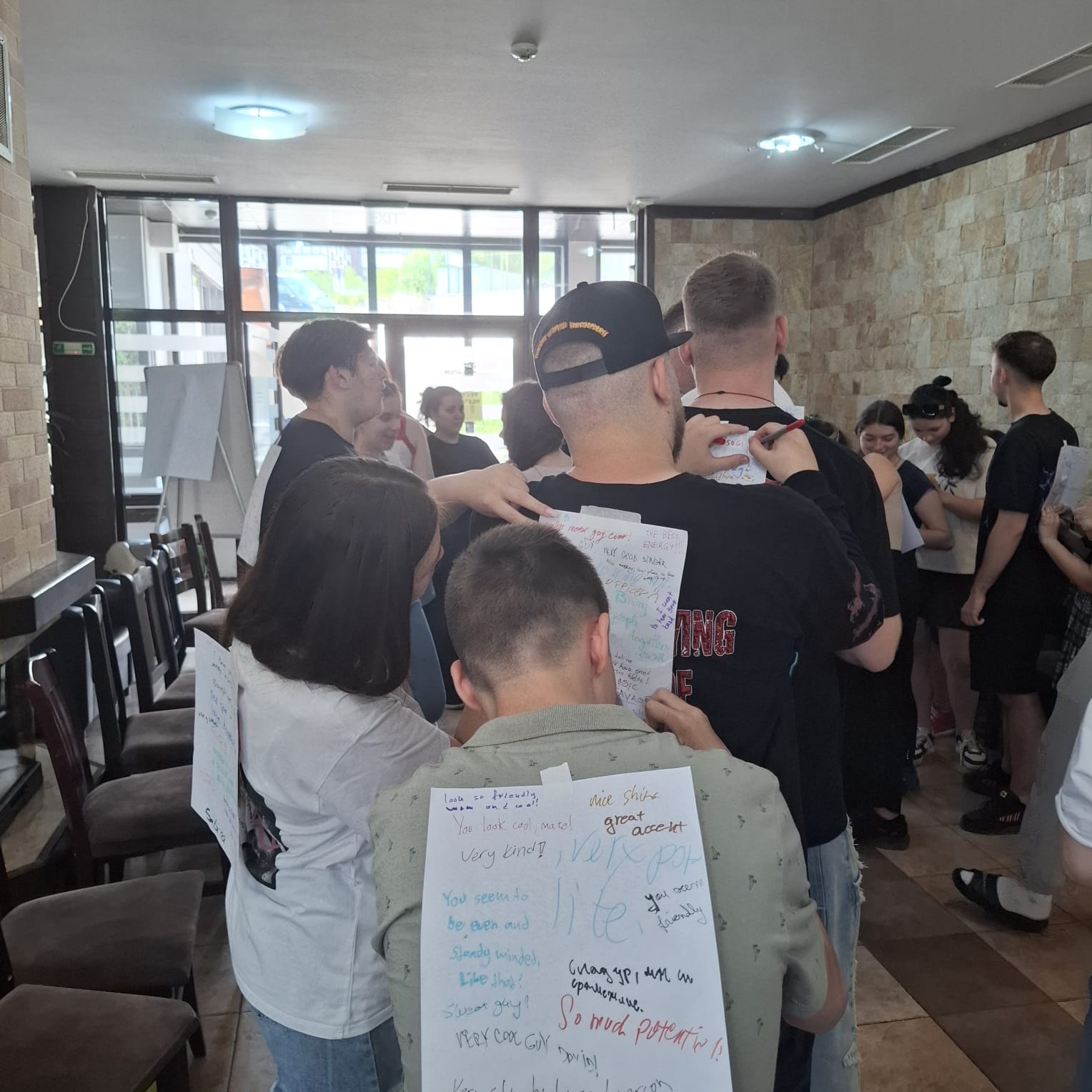
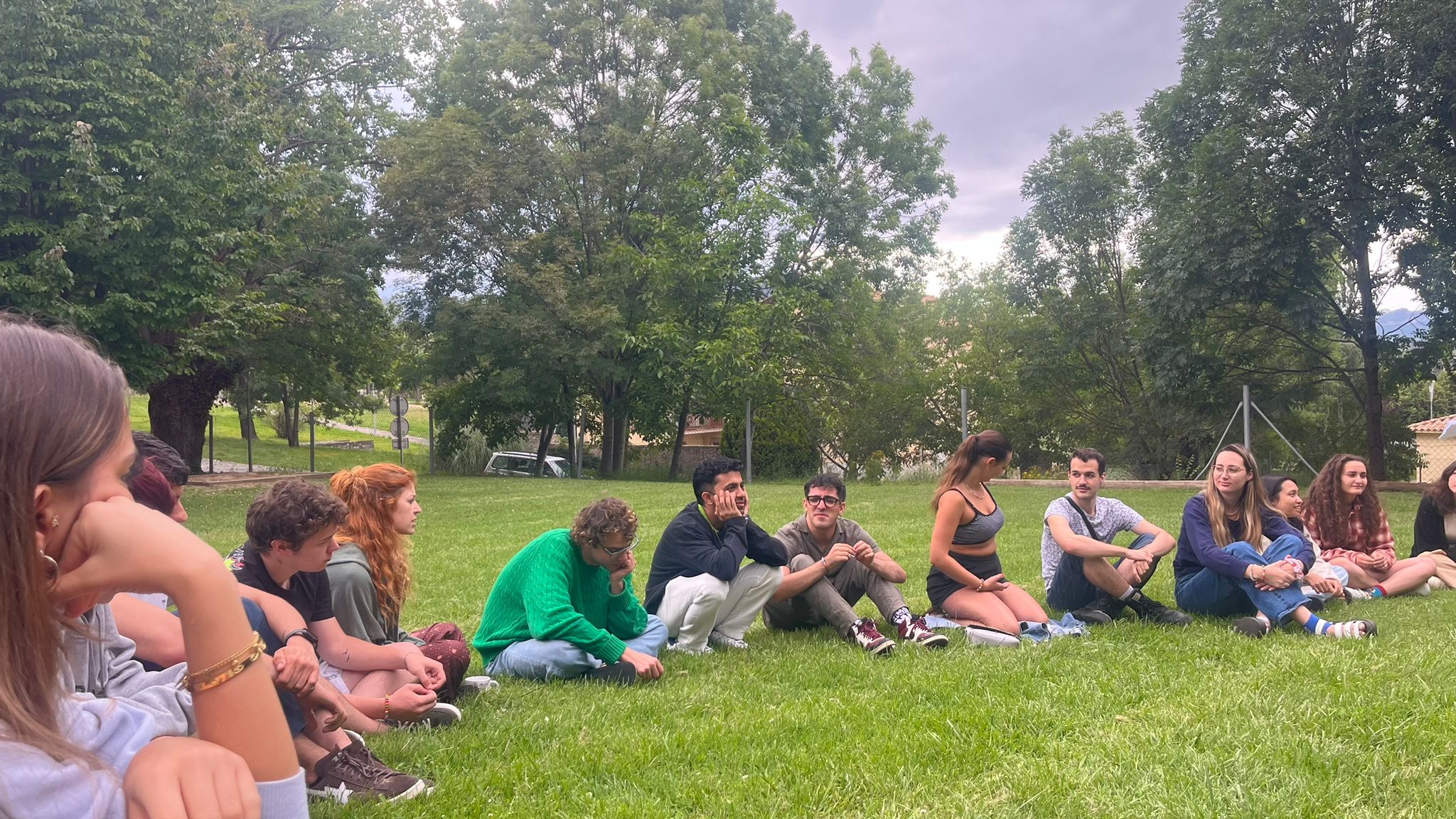
In the evening, we took part in introductory games and icebreakers. Their purpose was not simply to have fun, but also to make communication within the group easier and help people feel more comfortable talking to one another.
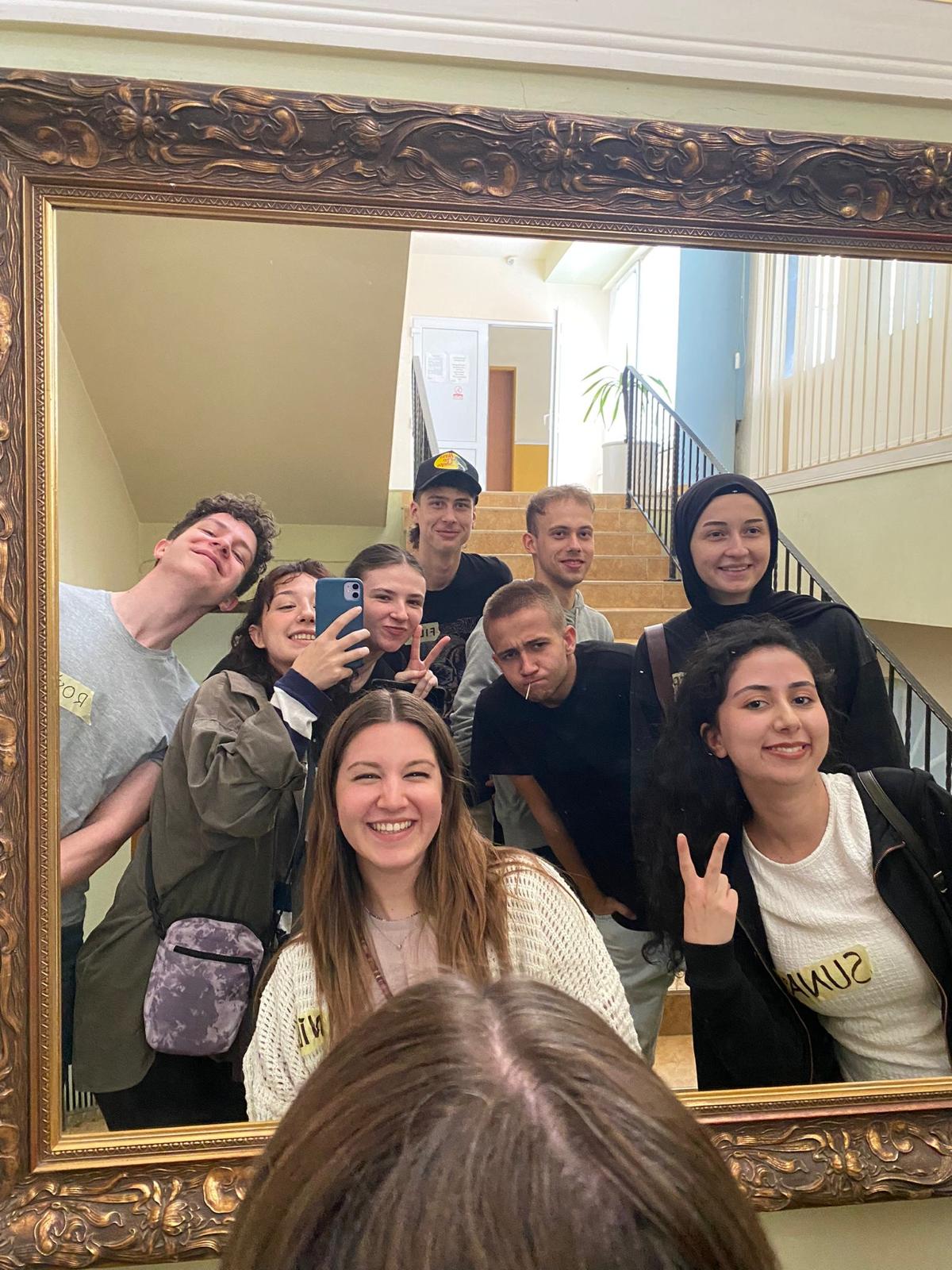
It was interesting to see people who had never met before begin talking within such a short time. After only a few games, everyone seemed more relaxed and the first connections between the groups began to form.
We then received a general introduction to the project, including its aims, programme and the activities planned for the week. We learned which topics the project would focus on and what was expected from us as participants.
For me, the first day was also a time to observe and become familiar with the environment. I noticed who was more talkative, who was quieter and how people communicated. Since we would be working together over the following days, those first impressions felt important.
Day Two: What Is Leadership?
Leadership was the main topic of the second day. We began by discussing questions such as "Who is a good leader?" and "Is leadership an innate quality or something that can be developed?"
We also explored different leadership styles and discussed how different approaches may work in different situations. We realized that using the same leadership style in every situation may not always be effective.
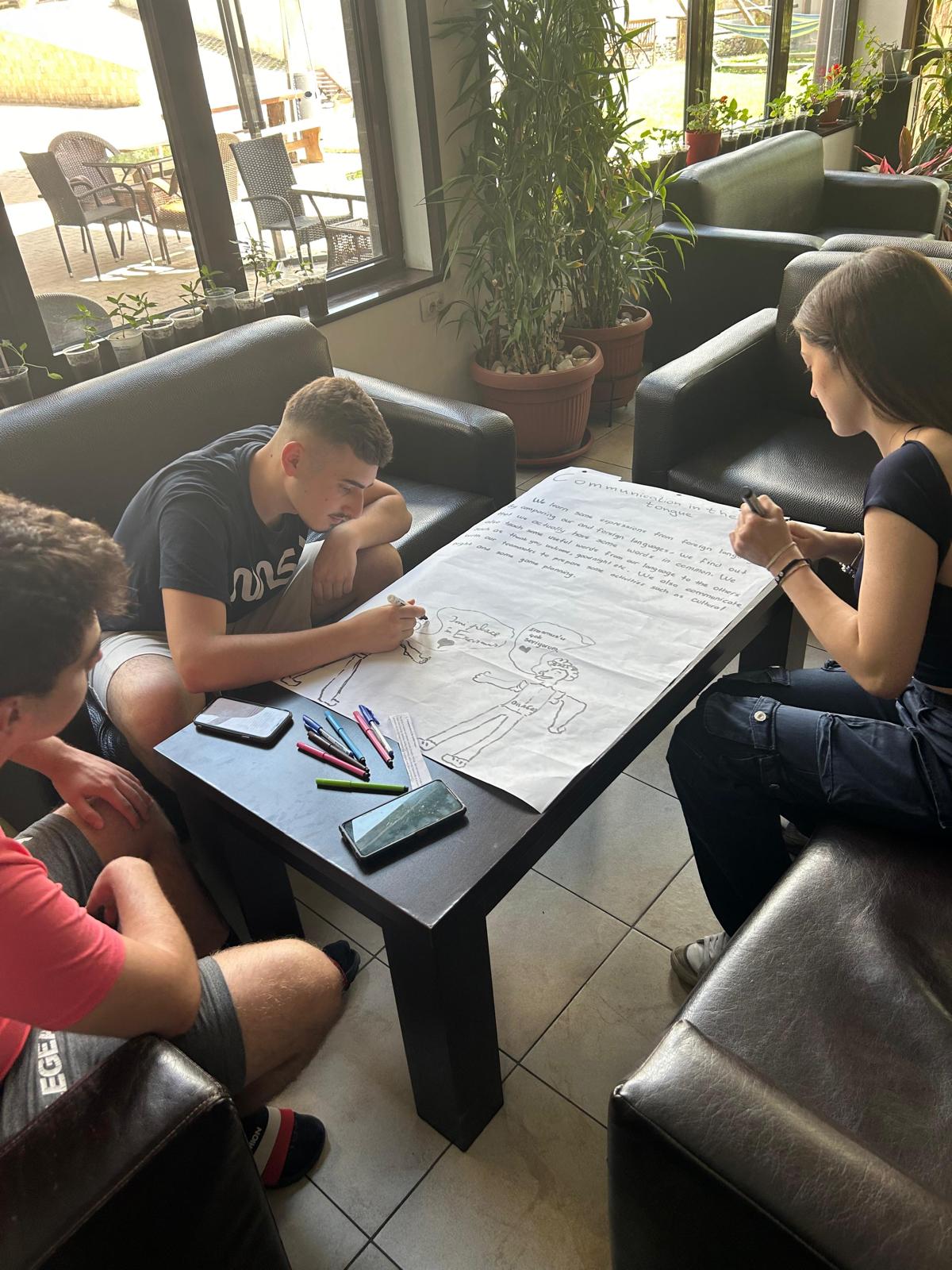
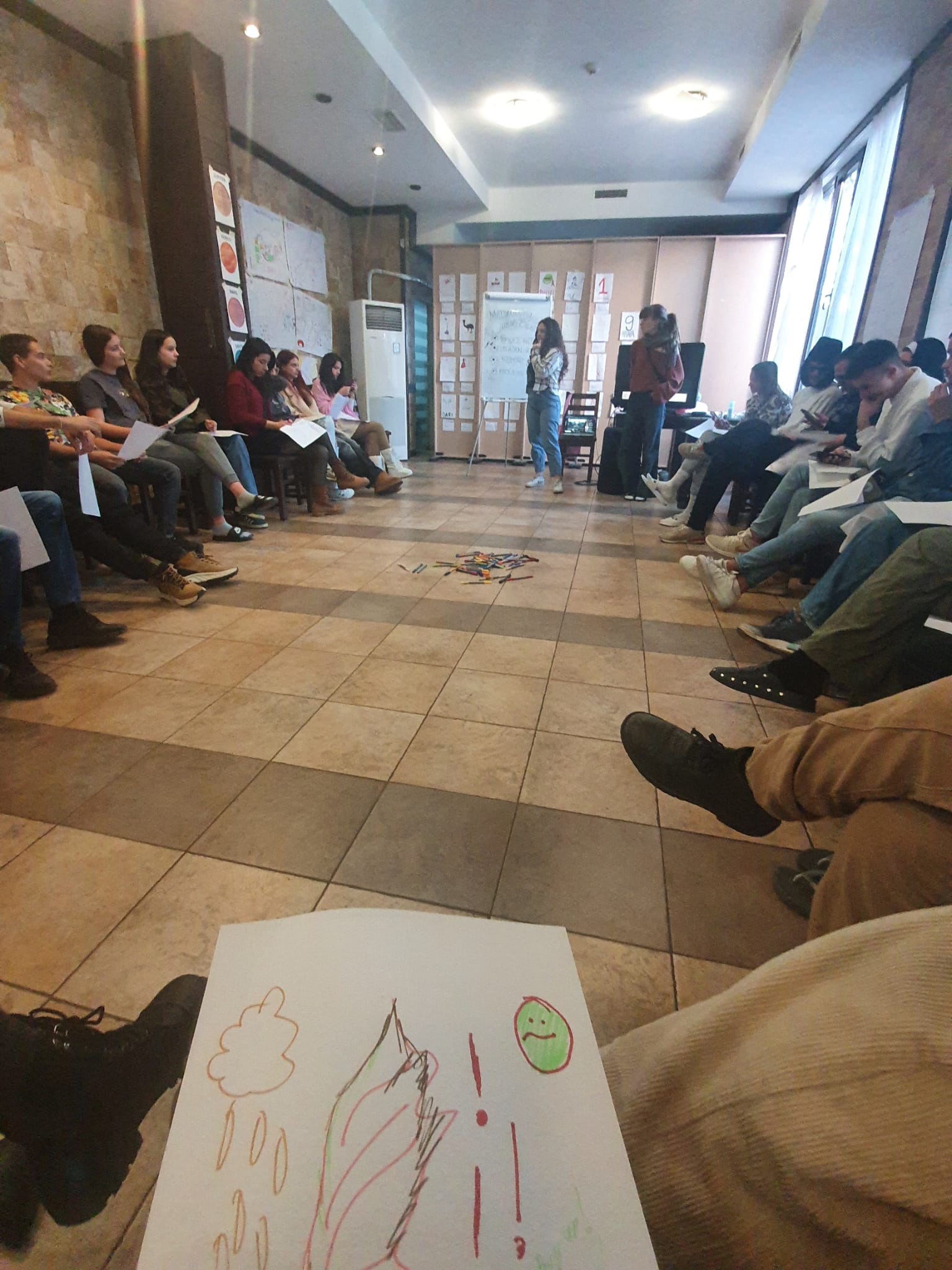
During group activities, we needed to share our own ideas while also listening to other people's opinions. This helped me understand more clearly how important effective communication is to leadership.
These activities also gave me an opportunity to observe my own behavior. I began thinking about when I spoke during group work, when I stayed in the background and how I behaved during decision-making processes.
Day Three: Teamwork, Empathy and Soft Skills
On the third day, we focused on soft skills. We participated in workshops on teamwork, empathy, time management and stress management.
Teamwork activities showed us the difference between completing a task alone and working as a group. Everyone in a team does not need to think in the same way. What matters is being able to bring different ideas together around a common goal.
We also worked on empathy. Instead of considering a situation only from our own perspective, we tried to understand how another person might approach the same situation.
Working with people from different countries was particularly valuable in this respect. People from different cultures can interpret the same situation differently, and something that seems completely normal to one person can carry a different meaning for another.
In our time management activities, we discussed the importance of planning and prioritization. During group tasks, we could sometimes approach the end of the allotted time without noticing how quickly it had passed. Dividing tasks, sharing responsibilities and keeping track of time therefore became essential.
Stress management was another important subject. We saw how stress could influence our decisions, particularly when disagreements emerged within a group or when we needed to complete a task within a limited time.
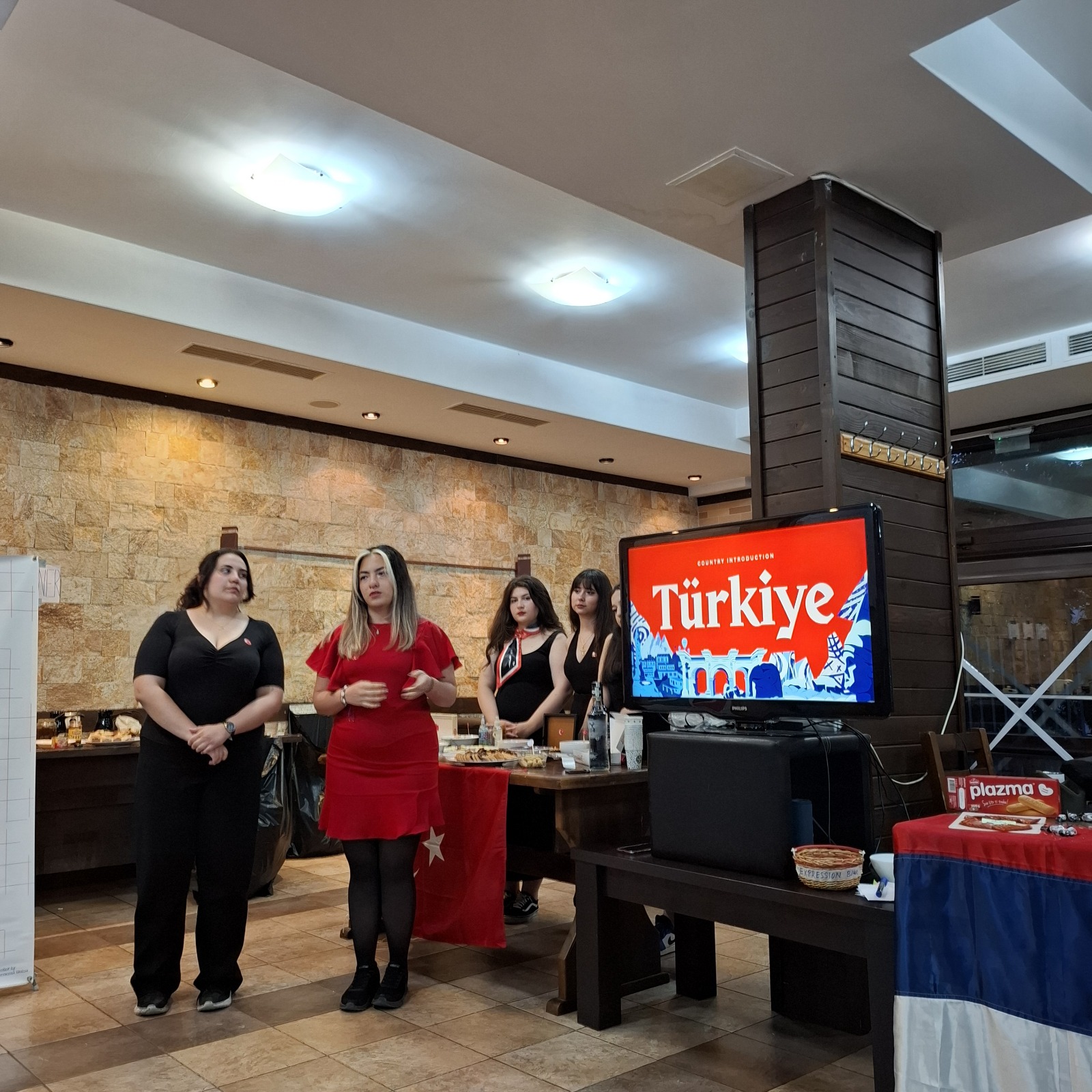
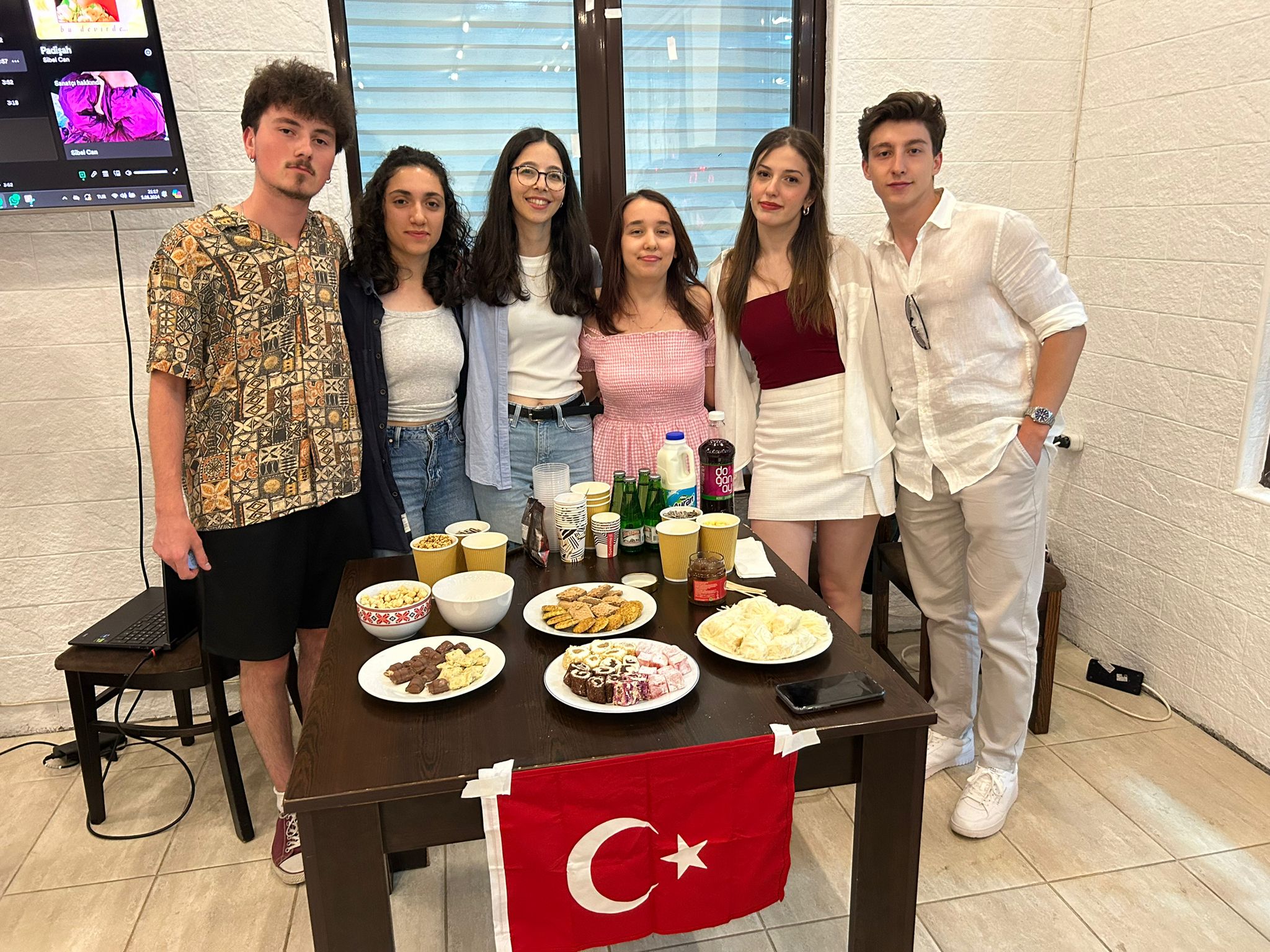
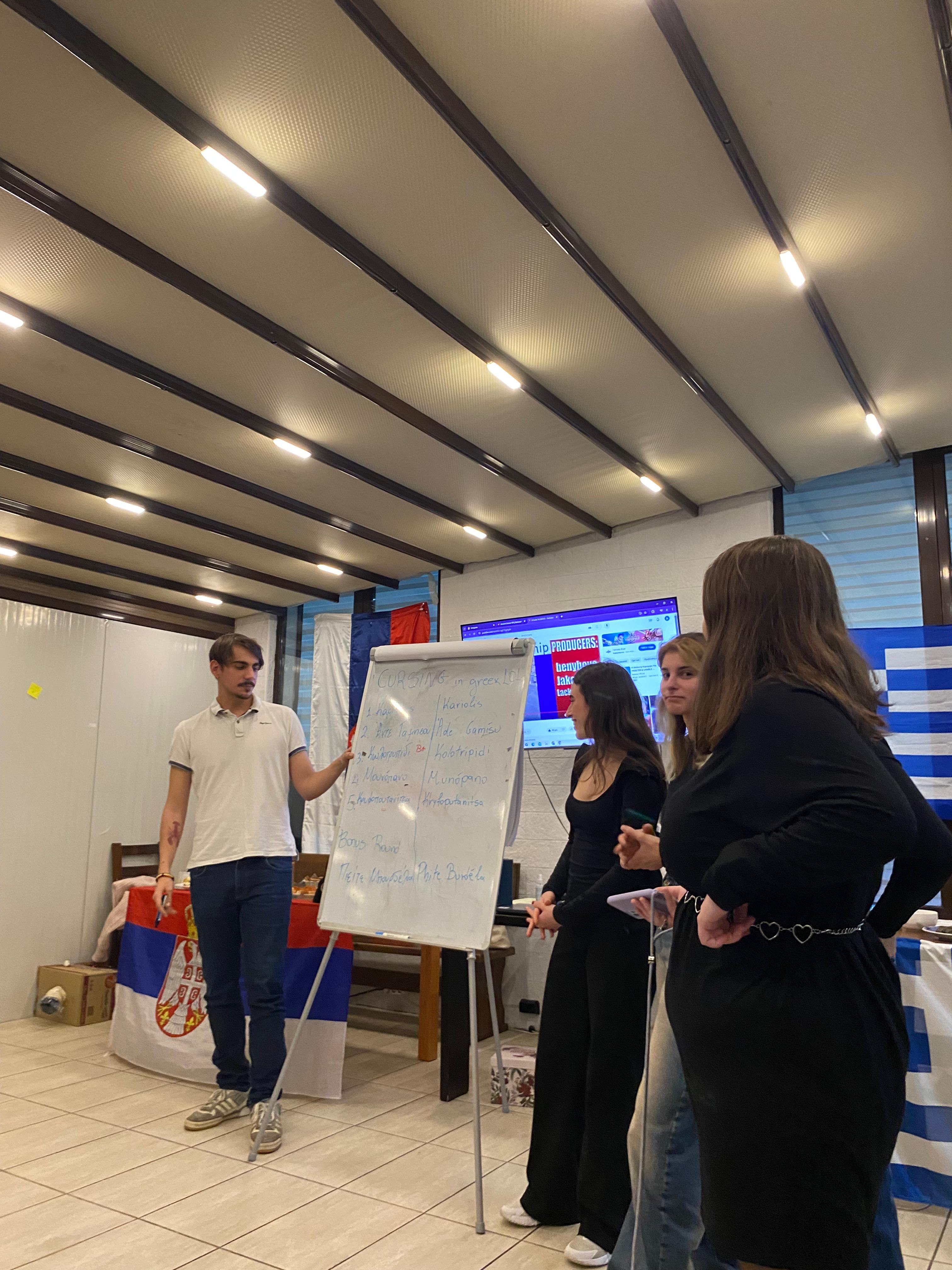
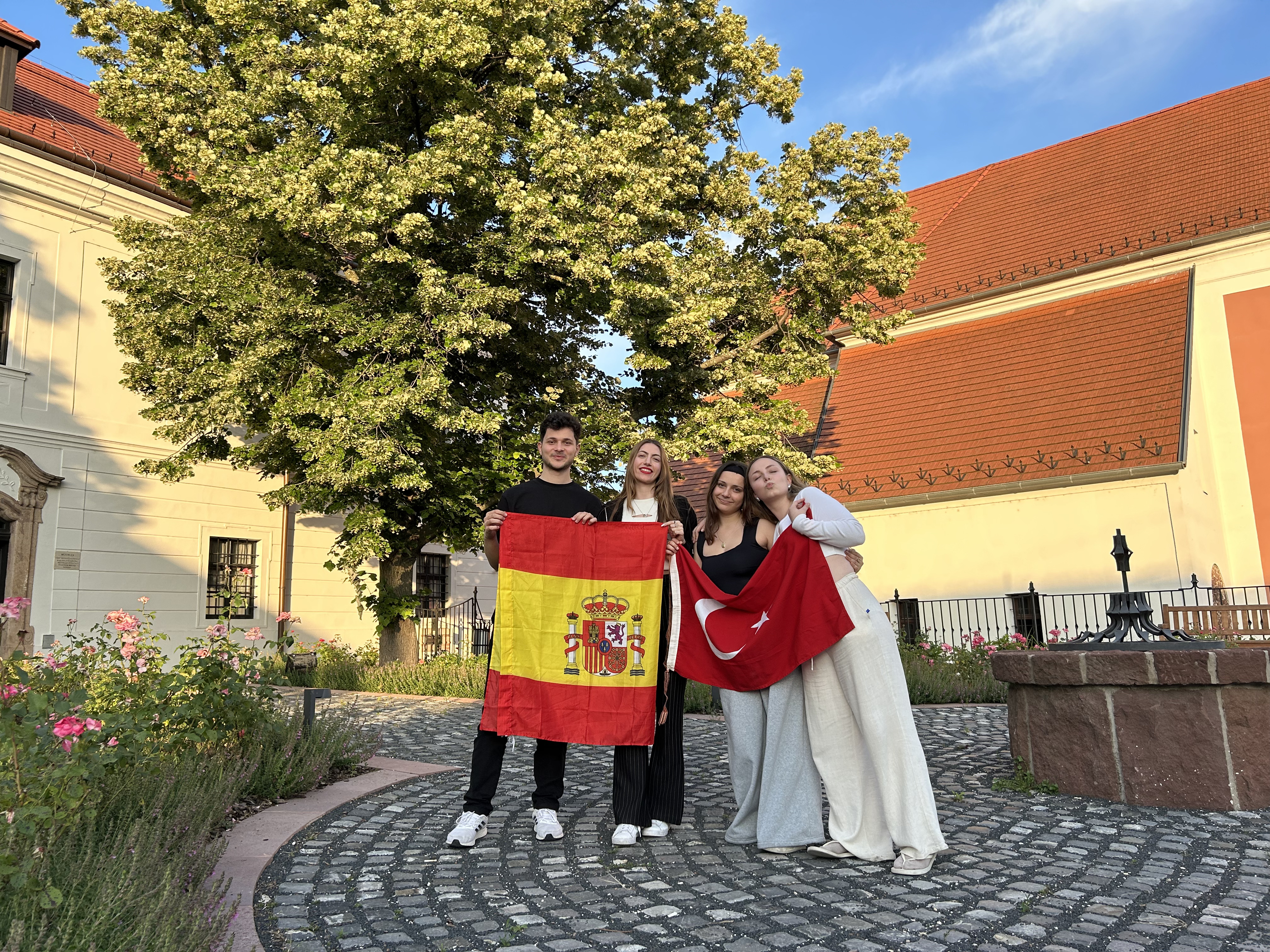
In the evening, we held a cultural night. Each country prepared to introduce its culture through food, music, traditions and information about everyday life.
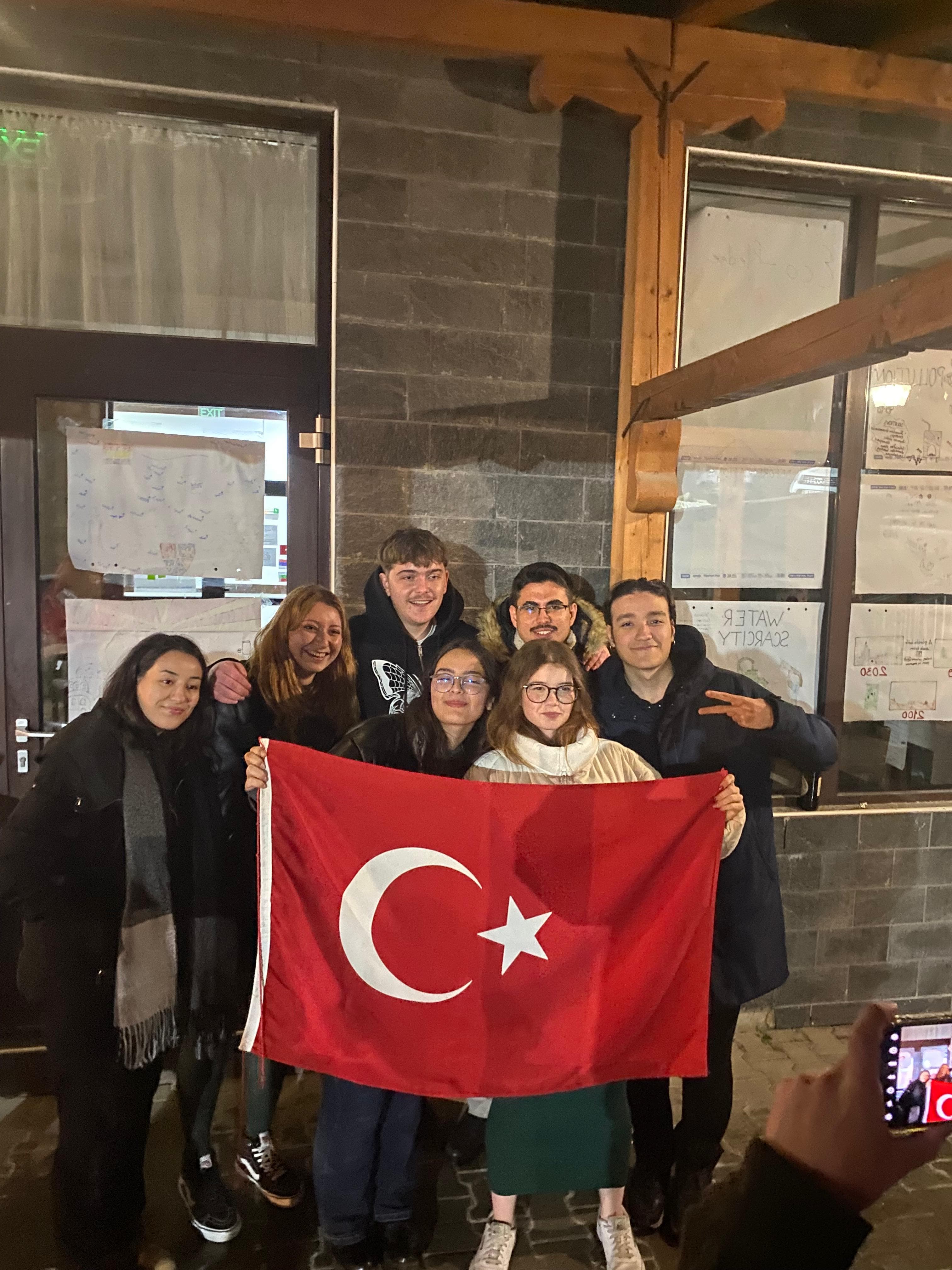
We also had the opportunity to introduce Turkish culture. It was surprising to see that some of our traditions had similarities with traditions in other countries.
Day Four: Digital Leadership
On the fourth day, we worked on digital leadership, one of the project's central themes.
We discussed how the concept of leadership has changed as technology has become such a significant part of our lives. Today, it may no longer be enough for a leader to communicate effectively only face to face. Communicating in online meetings, using digital tools, accessing information and producing reliable content in digital environments have also become important.
We discussed ways to be an effective leader in the digital age and saw how digital tools can make teamwork easier when they are used correctly.
We also discussed responsibility on social media. Information shared online can spread very quickly, which means we need to be more careful when producing and sharing content.
During the workshops, we prepared digital presentations. We combined our ideas as a group, created content and presented it to the other participants.
I particularly thought about the role digital tools can play in youth work by helping us reach young people, promote activities, maintain team communication and make new ideas more visible.
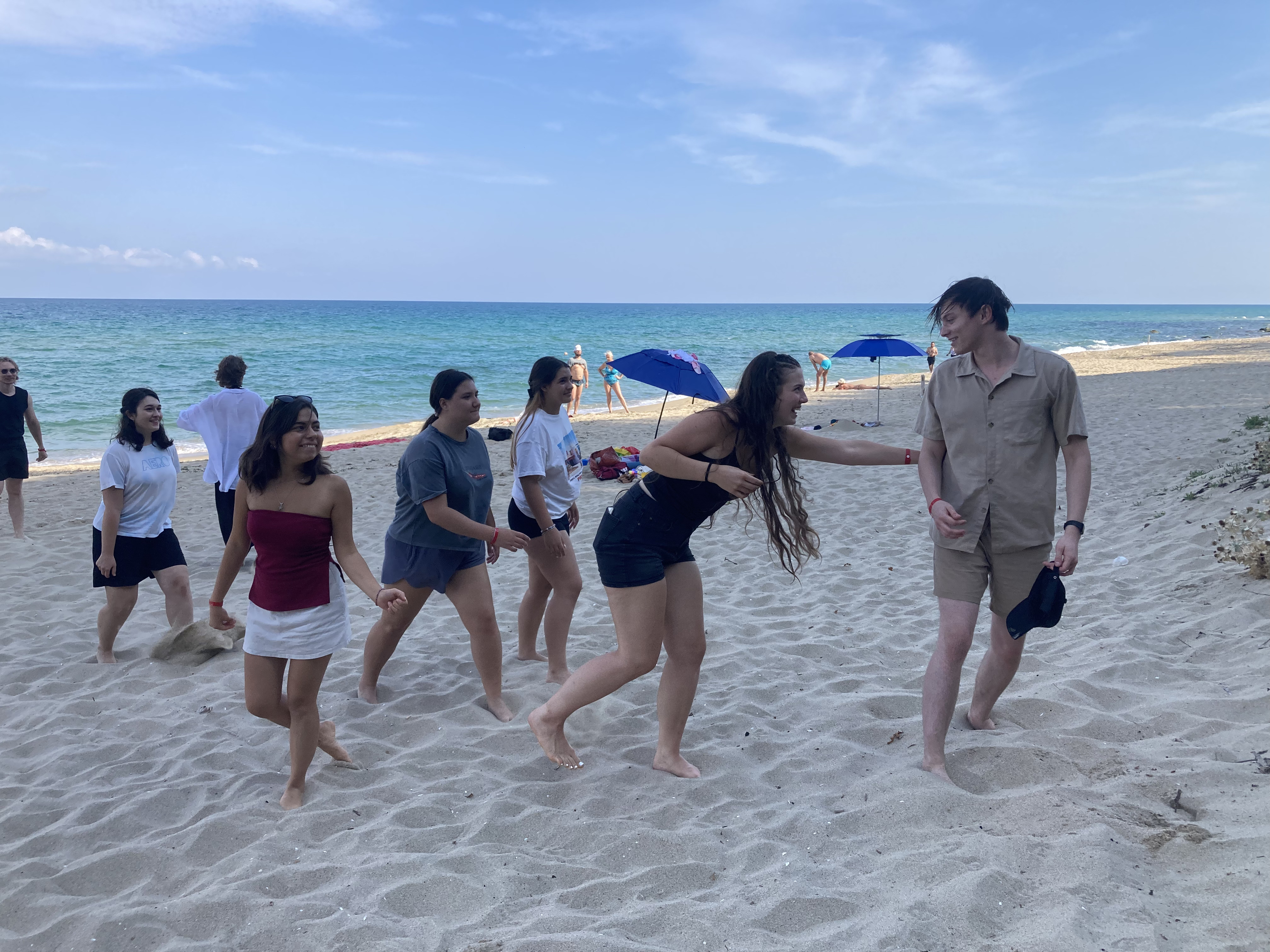
Day Five: Eco-Friendly Leadership
On the fifth day, we approached leadership from the perspective of the environment and sustainability.
We explored the concept of eco-friendly leadership more closely and worked in groups on ecological awareness, sustainability and responsibility towards the environment.
We evaluated our everyday behavior in terms of sustainability. We discussed how our consumption habits, the resources we use and our approach to the environment can have an impact.
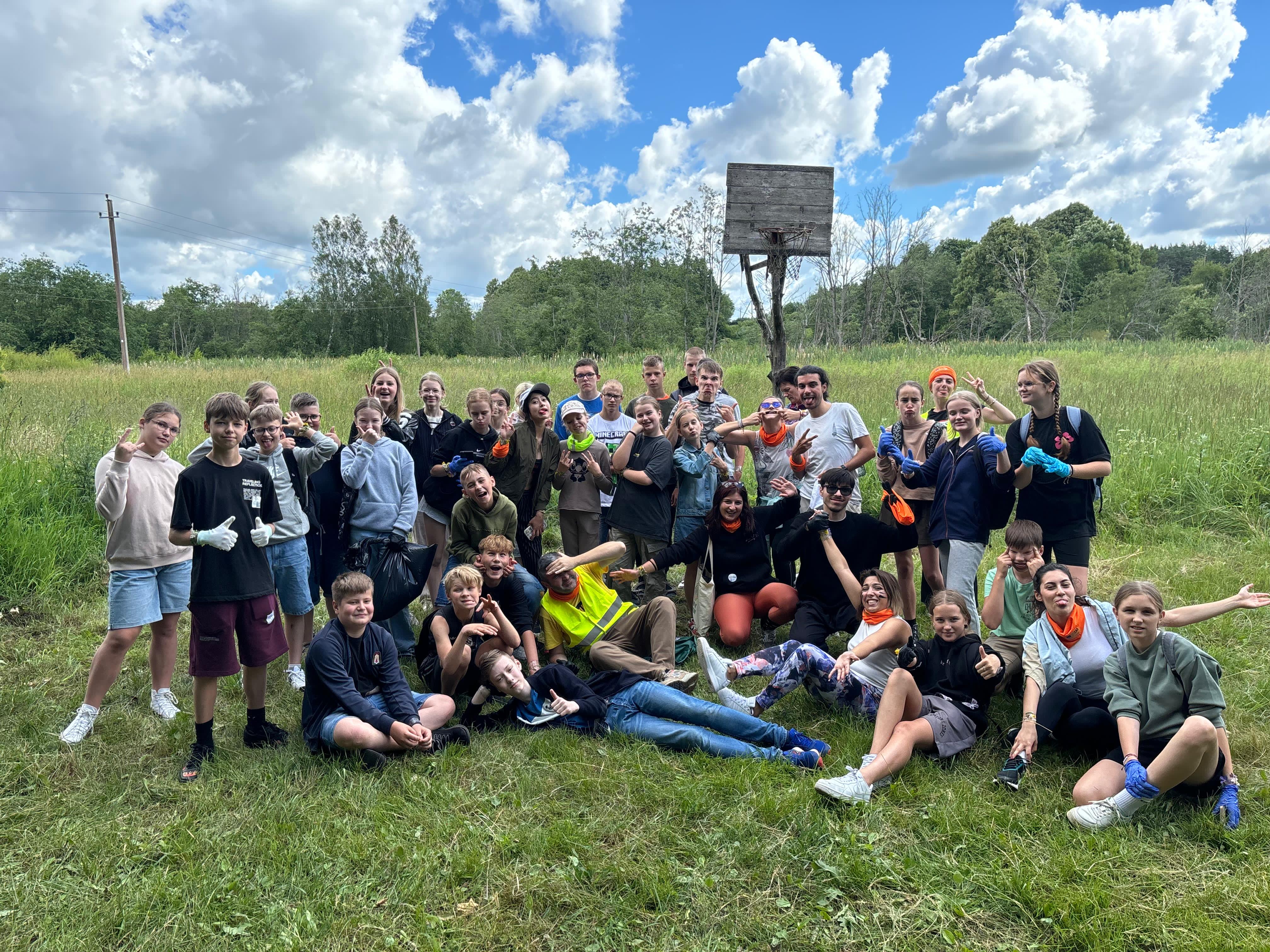
During group activities, we developed different ideas about environmental problems. Participants shared examples from their own countries, allowing us to see that some environmental challenges are similar across borders.
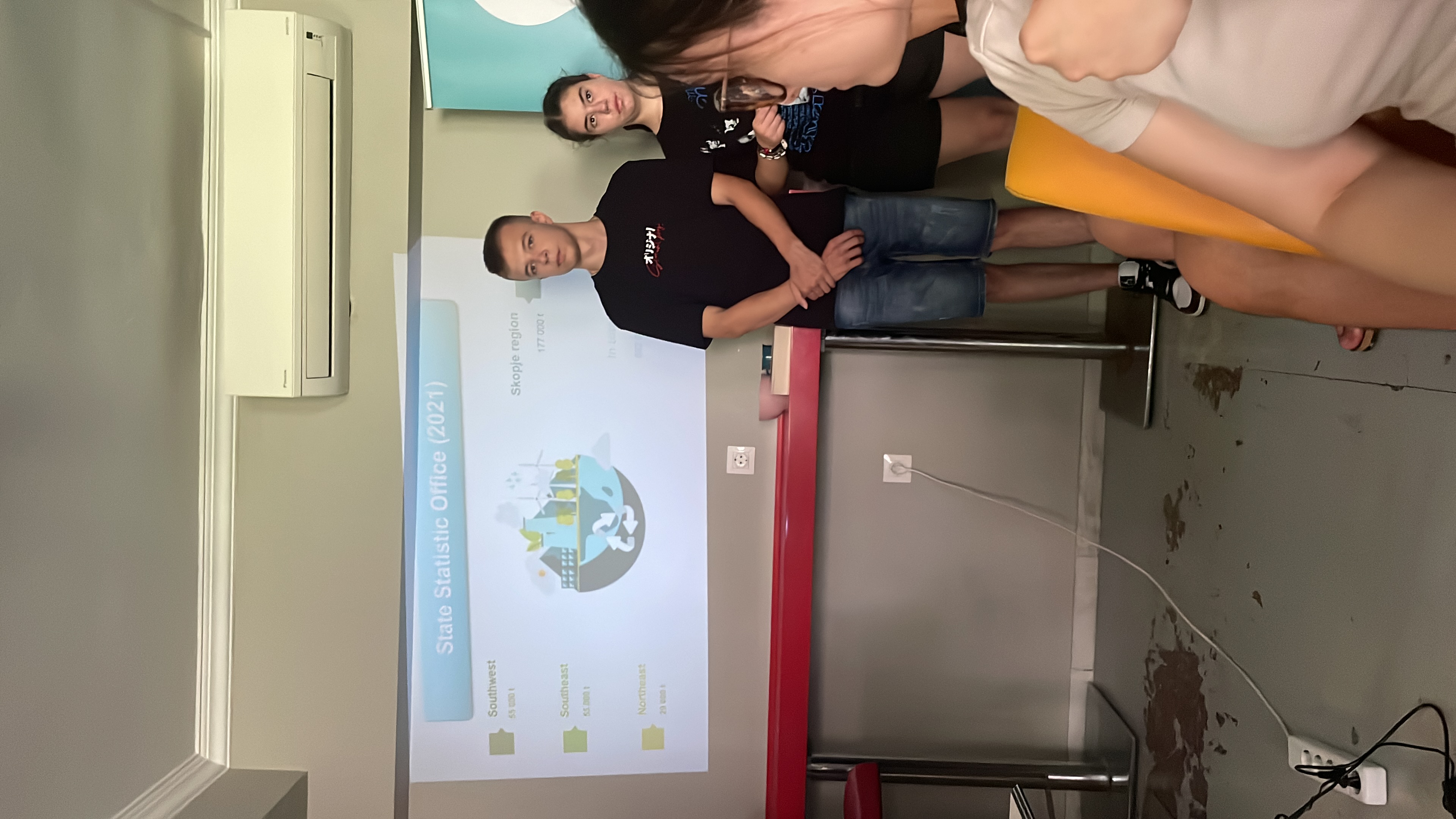
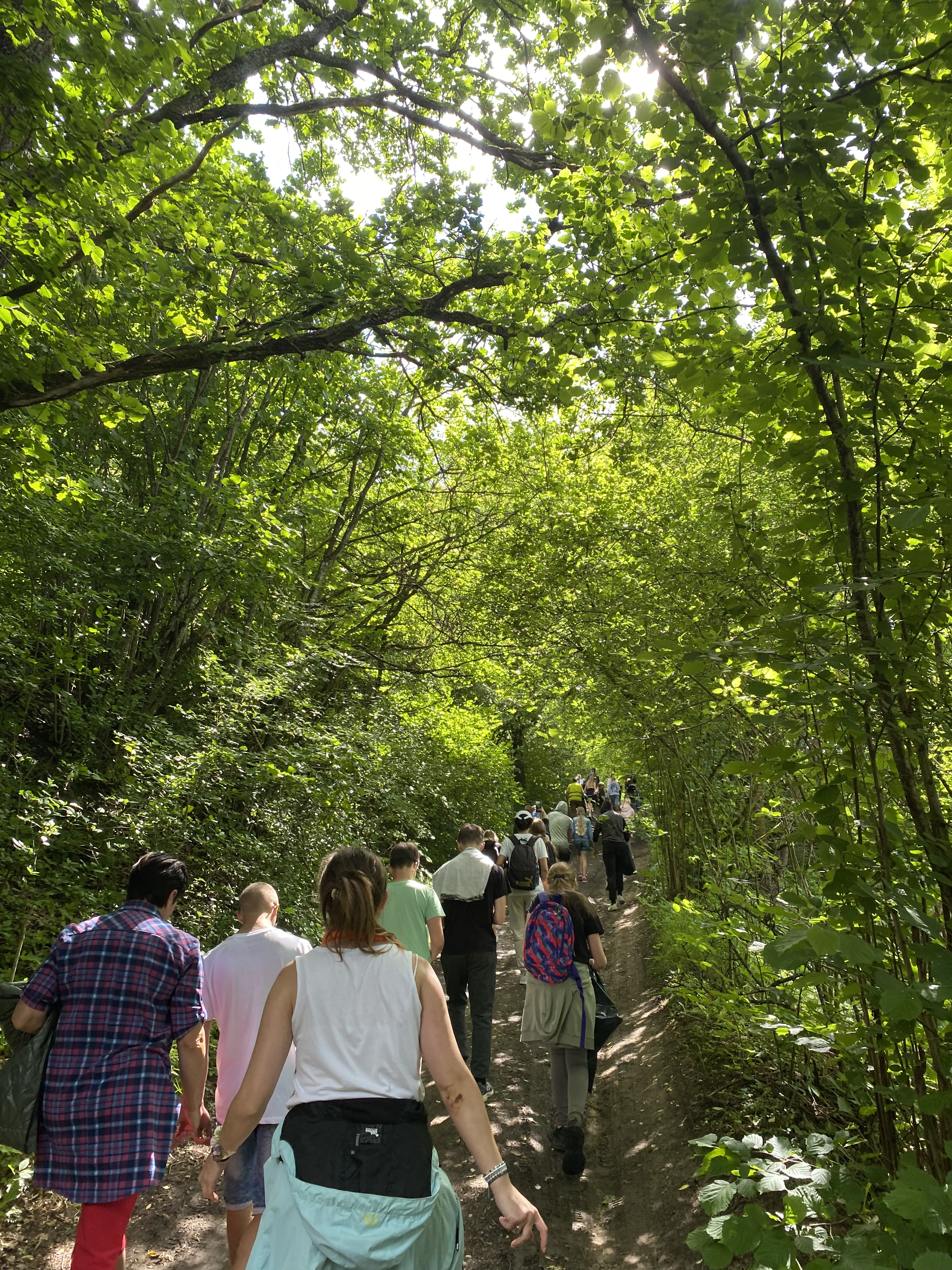
During part of the day, we listened to a representative from a local environmental organization and learned about environmental work carried out at the local level. It was important to see that environmental problems can be addressed not only through large projects but also through local initiatives and individual responsibility.
This day broadened my understanding of leadership. I realized that a good leader should consider not only the team but also the environment around them.
Day Six: Reflection and Farewell
On the final day, we evaluated the activities we had completed throughout the week. Each group shared what they had learned from the project and the skills or insights they had gained.
It was interesting to see the difference between the first and final days. People who did not know one another at the beginning could now share their ideas very comfortably.
I also reflected on the project from my own perspective. I realized that I had begun thinking more deeply about leadership. Previously, I associated leadership more with directing and making decisions. Now I see listening, empathy, shared responsibility and communication as equally important parts of leadership.
I also gained new experiences in teamwork. Working with people who have different personalities and different ways of working is not always easy. However, I learned that when there is a common goal, differences do not necessarily have to become disadvantages.
At the end of the project, we attended a certificate ceremony, followed by a farewell event in the evening.
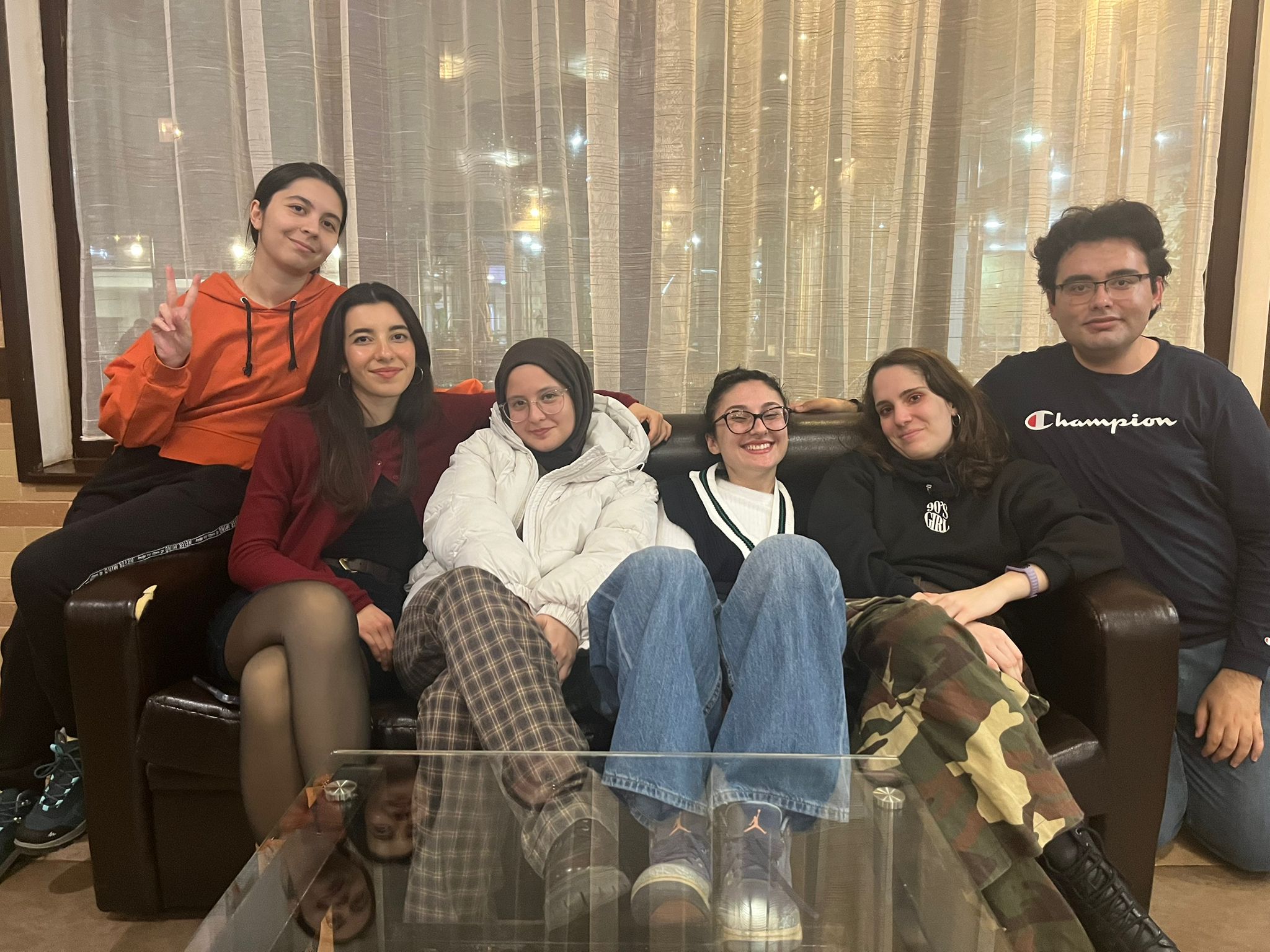
Saying goodbye to people with whom we had spent an entire week was emotional. On the first day, we had been trying to get to know one another. On the final day, we were reflecting on the time we had shared and saying goodbye.
What Did This Project Give Me?
This project gave me the opportunity to think about leadership in greater depth. I learned that a good leader is not simply someone who makes decisions, but also someone who knows how to listen.
I saw that teamwork is just as important as leadership. One person's effort is not enough for a team to succeed. Everyone needs to take responsibility and contribute towards the shared goal.
I also had the opportunity to evaluate myself in terms of stress and time management. During the activities, I saw how leaving a task until the last minute or acting without a plan can affect the entire group.
Working with participants from different countries increased my cultural awareness. I saw that people can approach the same issue from different perspectives and that, when managed well, these differences can enrich the learning process.
I gained valuable practice communicating in English. I used English in everyday conversations, group work, presentations and social activities, which helped me feel less hesitant when speaking.
What I learned about digital leadership was particularly important to me in the context of youth work. I saw that digital tools can make teamwork easier and create new opportunities to reach young people when used correctly.
Eco-friendly leadership gave me another perspective on leadership. It made me think about how leaders have responsibilities not only towards their teams or organizations but also towards the communities and environments in which they live.
What I Took Away from Obzor
The week I spent in Obzor was more than simply participating in an Erasmus+ project. It also gave me an opportunity to observe myself in a different environment.
I met new people, discovered different cultures, spoke English and took responsibility in different group activities. Sometimes I was simply part of a group, sometimes I defended my ideas, and sometimes I listened to other people's perspectives while trying to reach a shared decision.
One of the most valuable aspects of the project was realizing that learning did not happen only during workshops. Eating together, talking with people from different countries, attending cultural nights, making decisions as a group and sharing everyday life were all part of the learning process.
I did not leave Obzor with only a certificate. I left with new thoughts about leadership, experience communicating across cultures, new perspectives on teamwork and new insights about myself.
Sharing the same environment with young people from different countries, learning together and creating together for a week was a valuable experience for me. I believe the learning process that began in Obzor will continue in my everyday life and youth work even after the project has ended.
Digital and Eco-Friendly Leadership for Young Changemakers Erasmus+ Project Participant Yücel Cultural Foundation Youth Page Erasmus+ Experience Stories