Three Days Where Words, Ideas and Cultures Met: My MUN Experience in Bucharest
Model UNESCO Romania 2024 was not only a MUN event for me; it became a short but intense Erasmus+ journey where I experienced speaking, listening, discussing, respecting different ideas and creating together as part of a team.
When you join an Erasmus+ project, you can sometimes more or less guess what you will encounter: new people, different cultures, group work and many new experiences. Yet some projects also open up new spaces for expressing yourself and defending your ideas.
For me, the MUN experience was exactly such a process. Speaking in public, listening to different opinions, joining discussions and acting as part of a team were among the main elements of the project. Experiencing all of this in the same environment with people from different cultures made the experience even more special for me.
Romania welcomes us
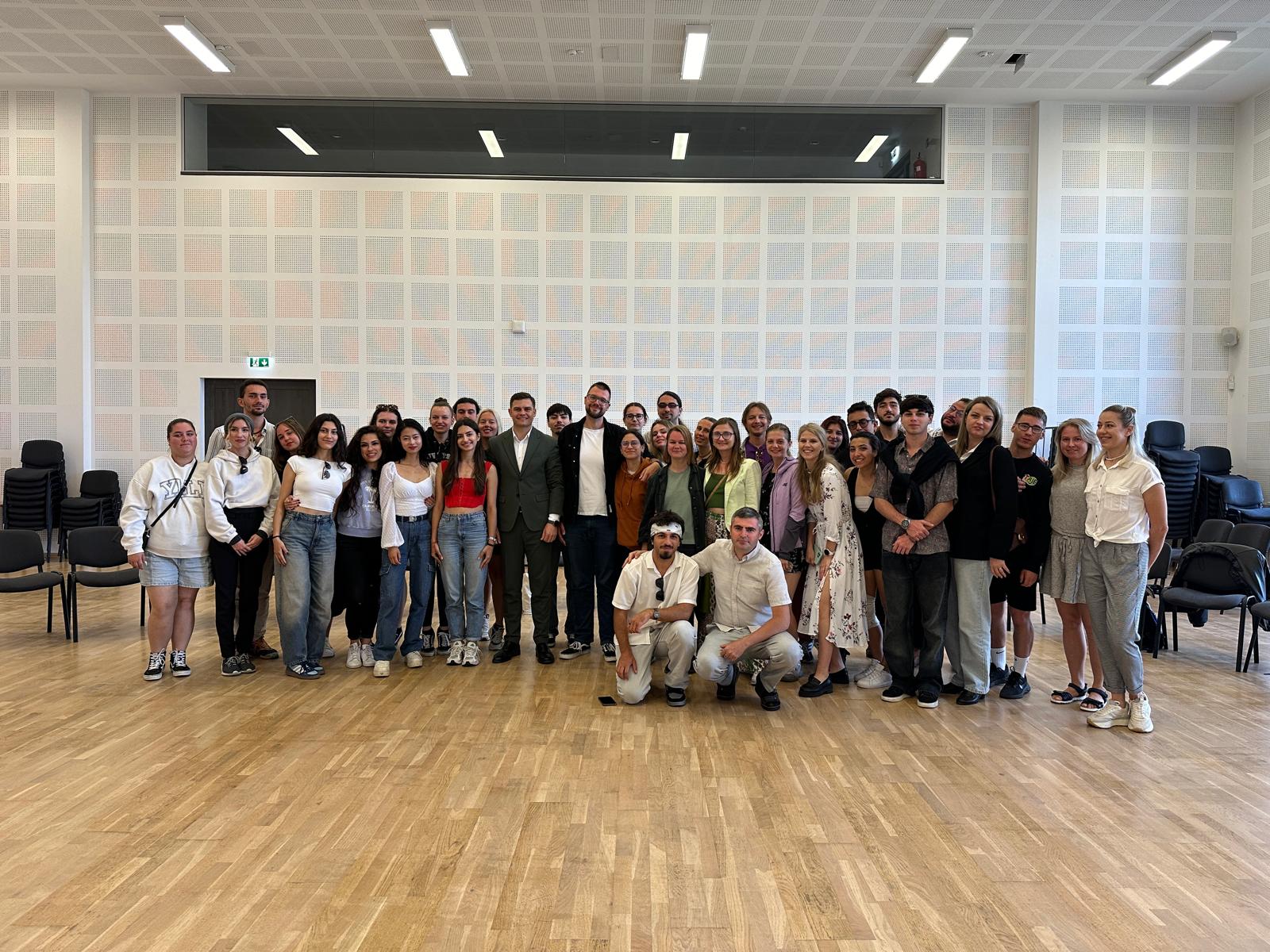
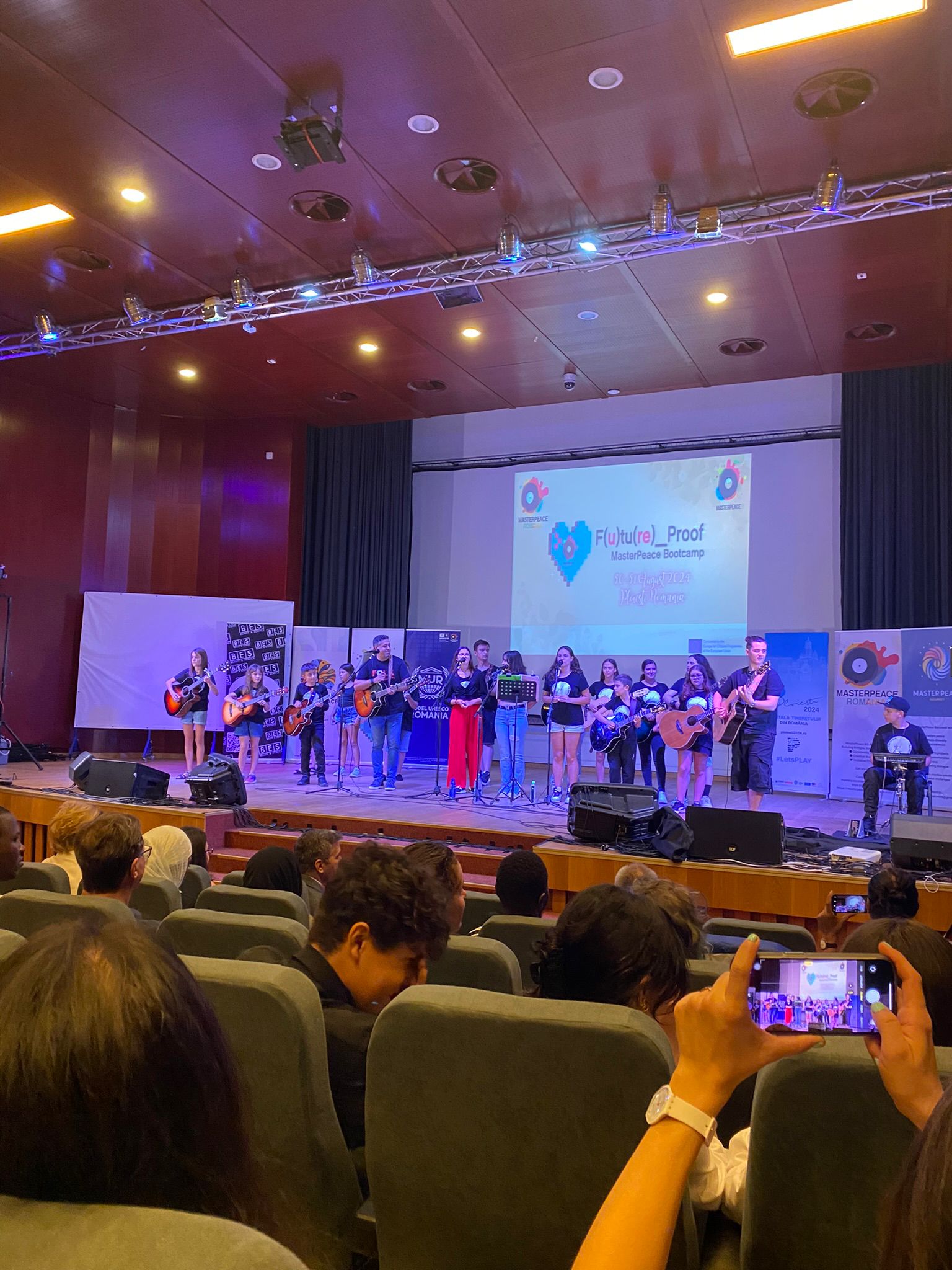
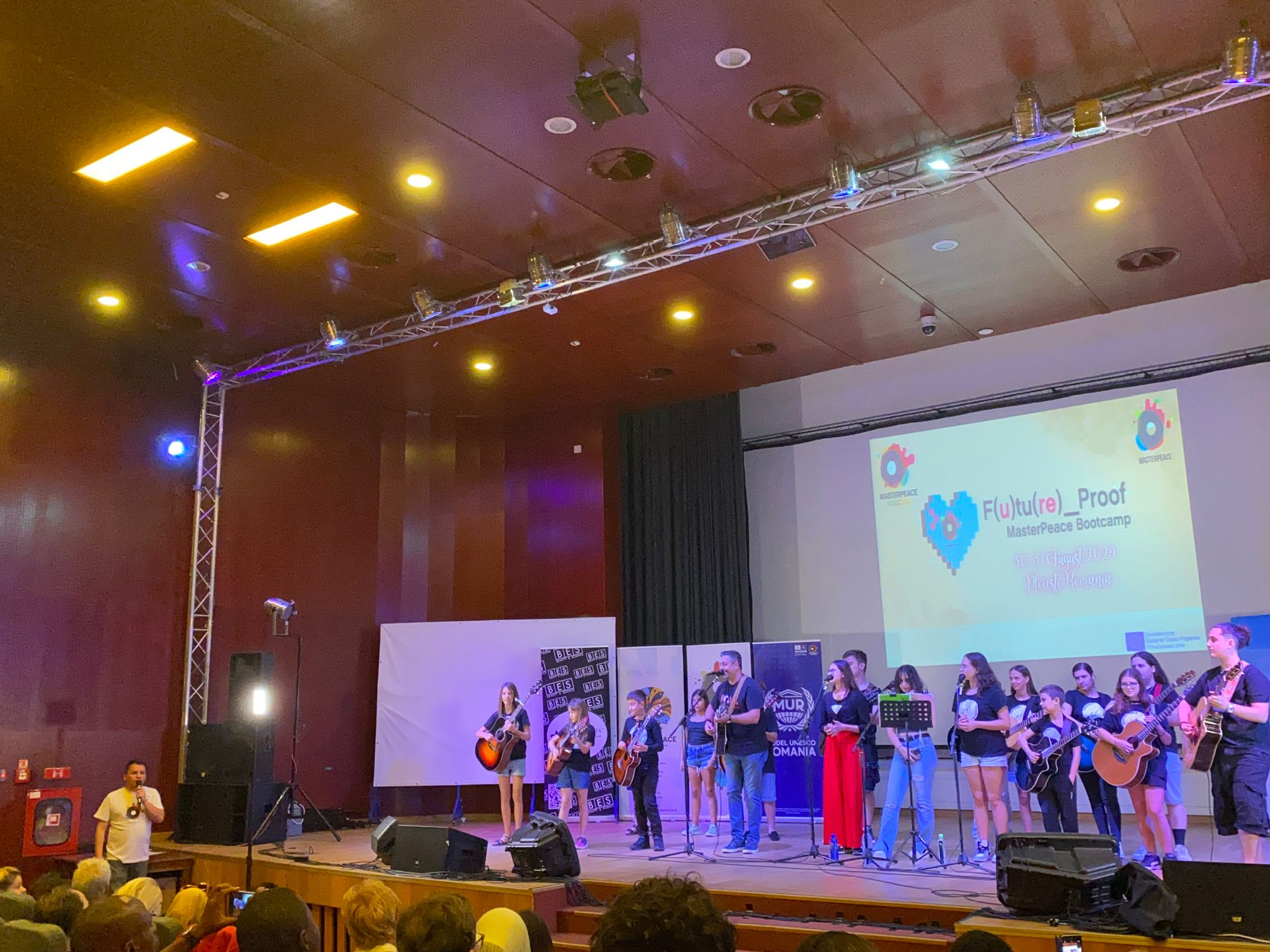
The first day of the project began in a very colorful way. When we attended the opening conference, we were welcomed with traditional songs and cultural performances. Seeing such a welcome while we were still trying to get used to the project and the participants helped us feel the culture of the country from the very beginning.
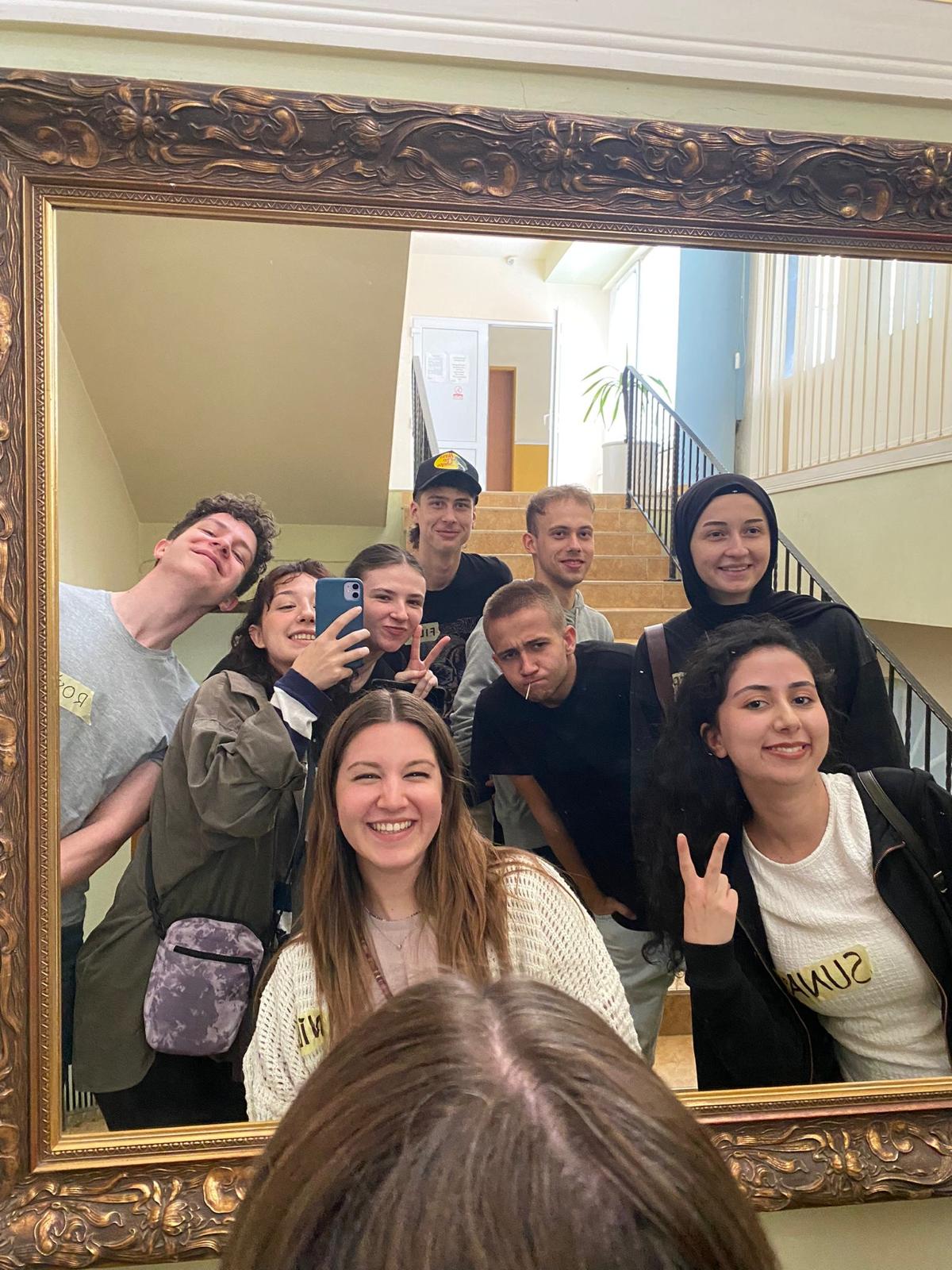
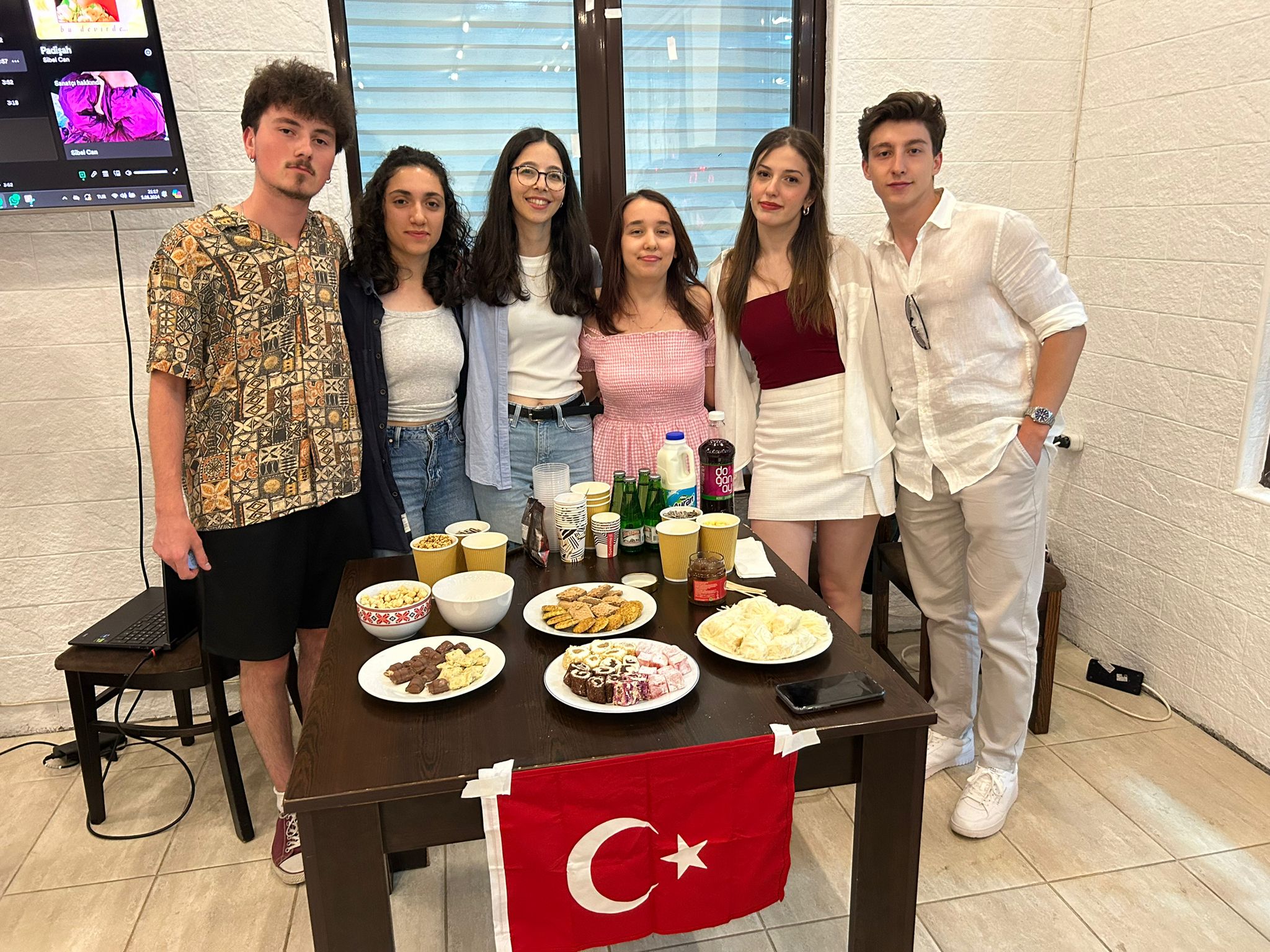
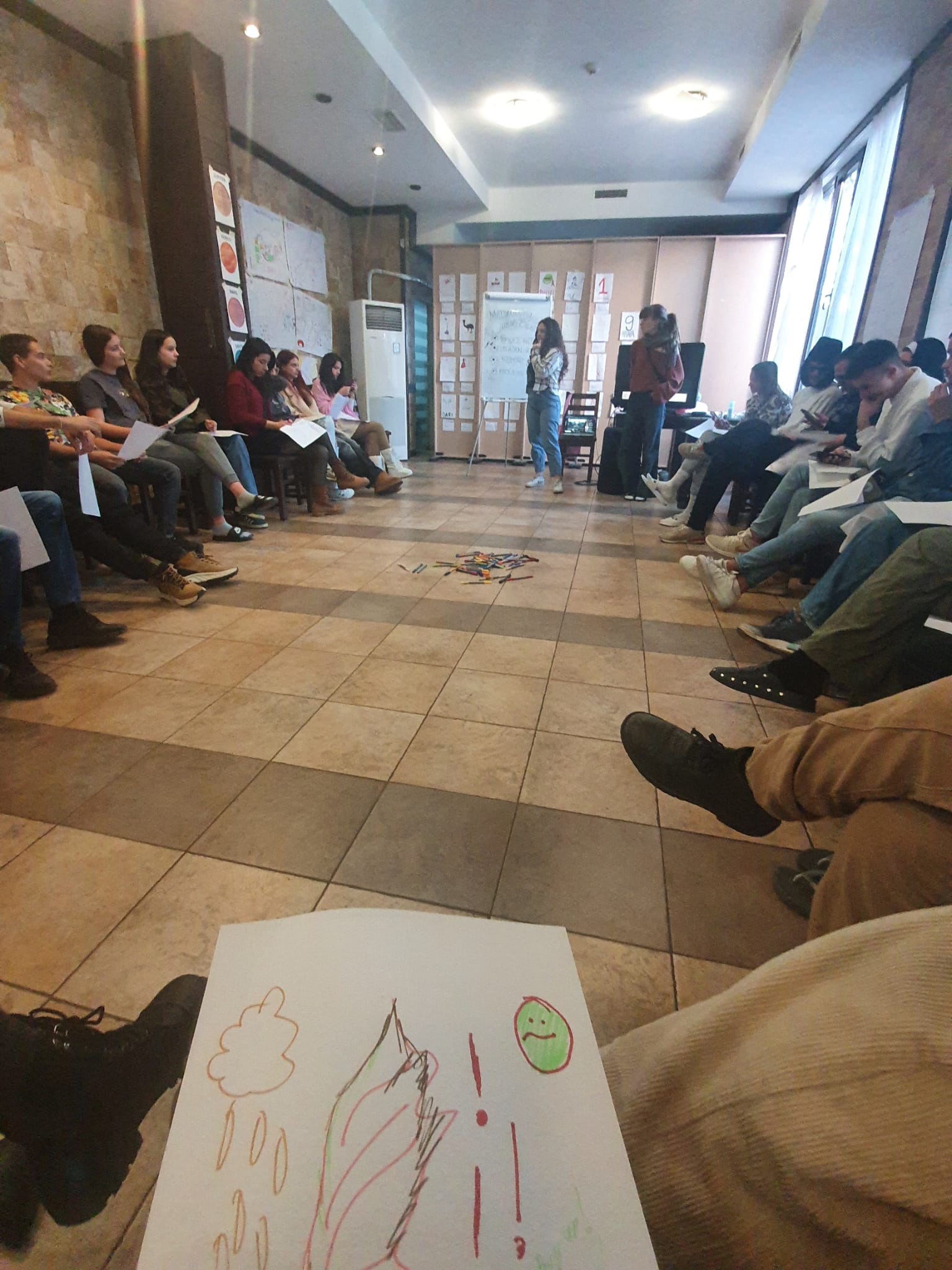
At the conference, the project managers informed us about the aim of the project, the program and the work waiting for us during the process. Then we moved to the school where the MUN would take place. The first hours at the school were mostly about introductions and bonding. We played different games, tried to get to know one another and talked with participants from different countries.
First sessions and first city discovery
Then the first sessions began. One of the best parts of the first day was feeling that we were part of an official program while also being able to communicate with our friends in a very comfortable environment.
At the end of the day, I went out to explore the city with my teammates. Walking through the streets of Bucharest, talking and seeing the city with our own eyes after moving a little away from the intensity of the project became a beautiful ending to the day.
We were no longer only listening
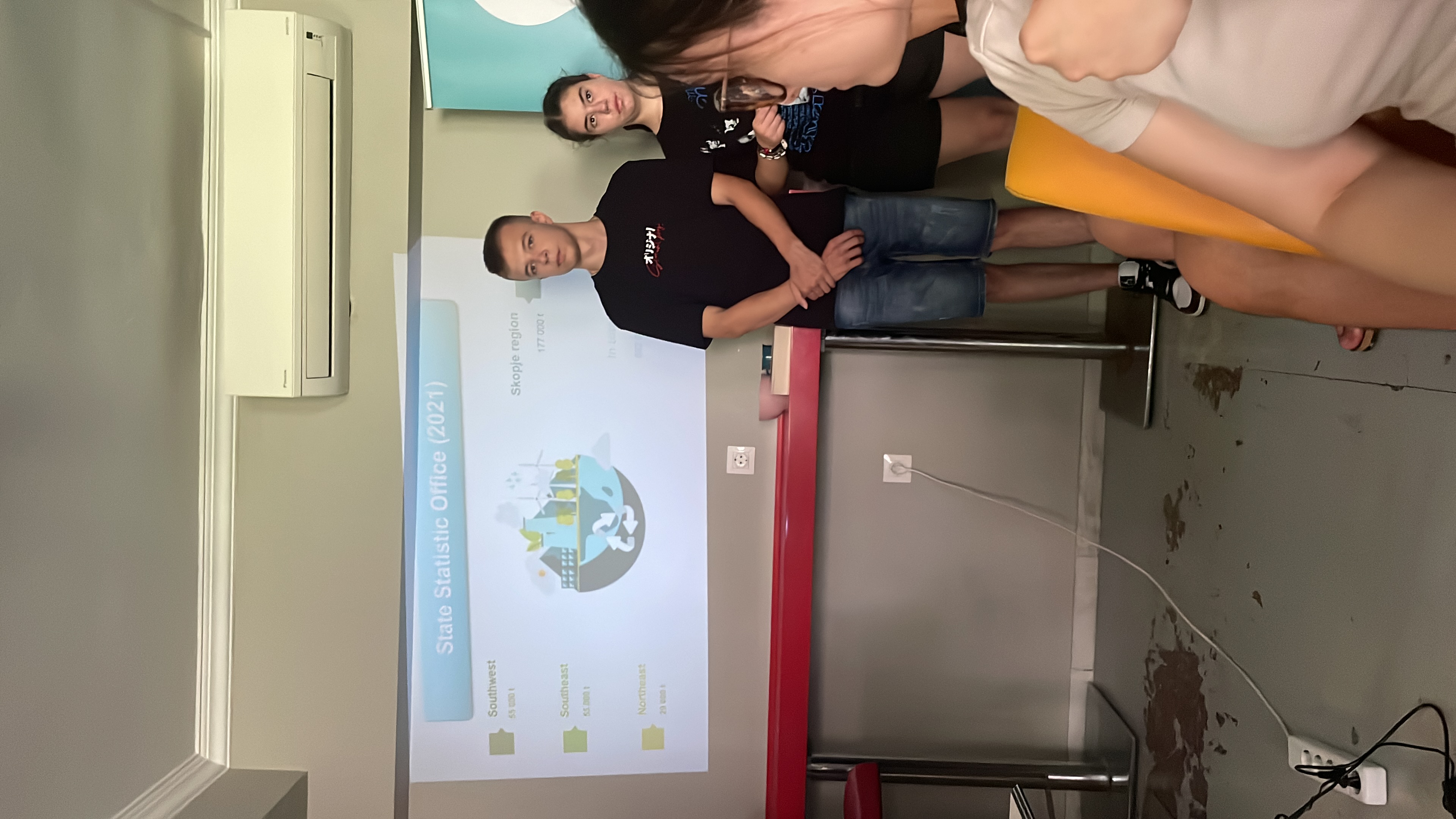
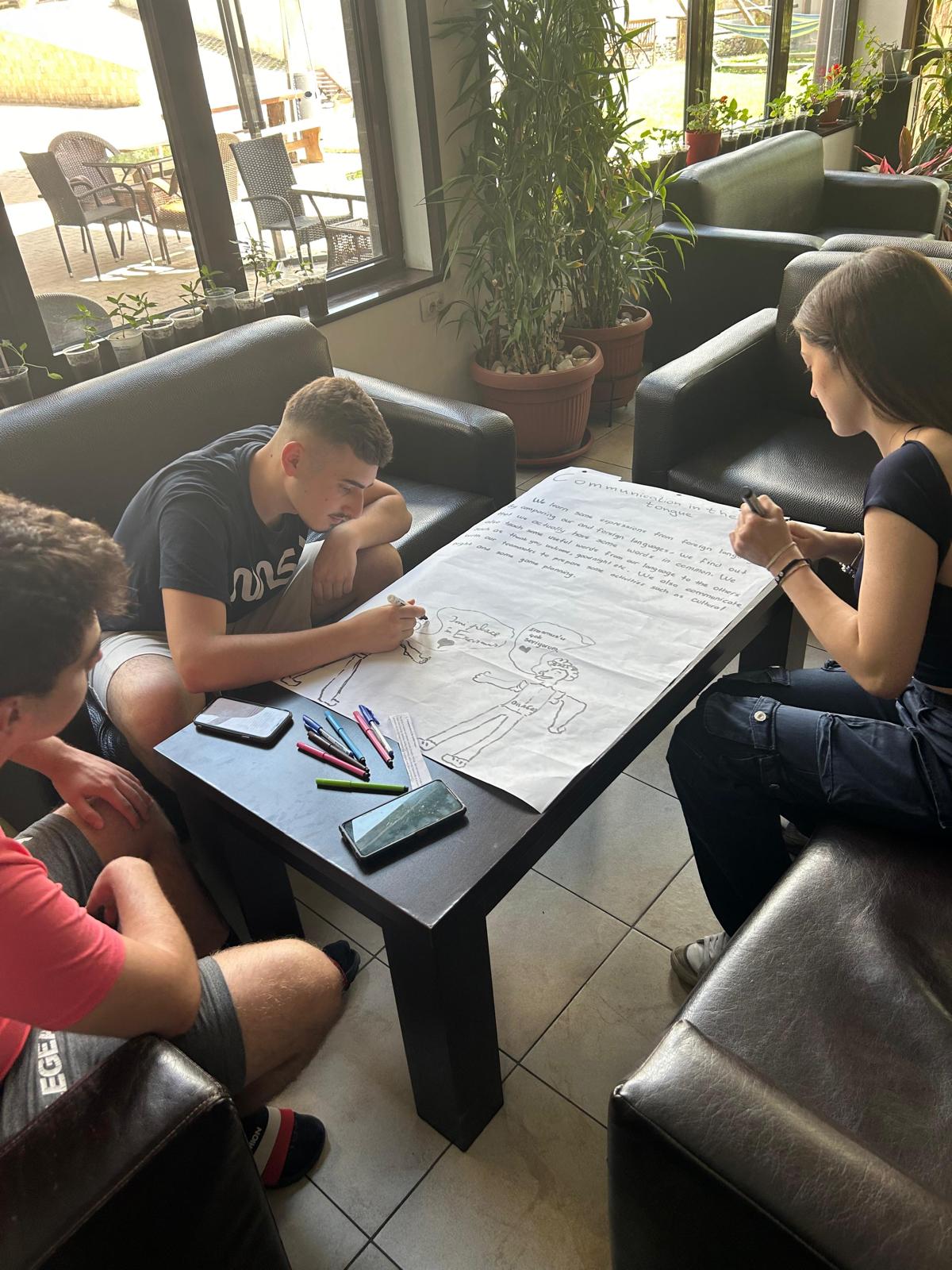
With the second day, the real pace of the project became more visible. This time, we took part in activities that required more preparation and teamwork. While working on different topics in the way the MUN format requires, we did not only present our own ideas; we also had to listen to other participants’ ideas and respond to them.
The most valuable part for me was realizing that speaking actually begins with listening. Trying to understand why the person in front of you thinks differently was as important as defending an idea.
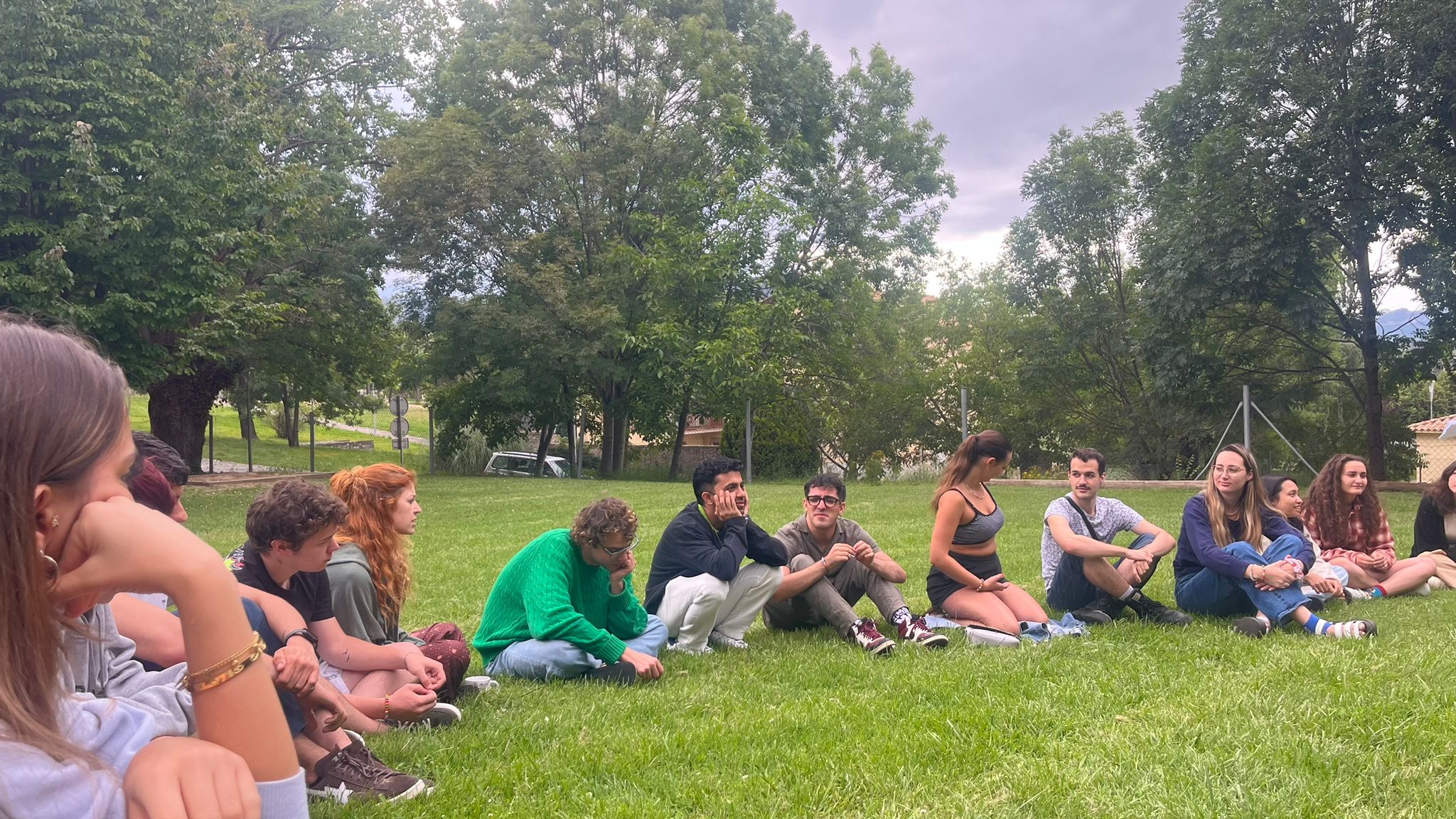
The fact that people from different cultures brought very different approaches to the same topic made the discussions richer. We also had the opportunity to communicate with different students. Each new conversation helped us develop ourselves a little more, both socially and personally.
Harmony with my teammates
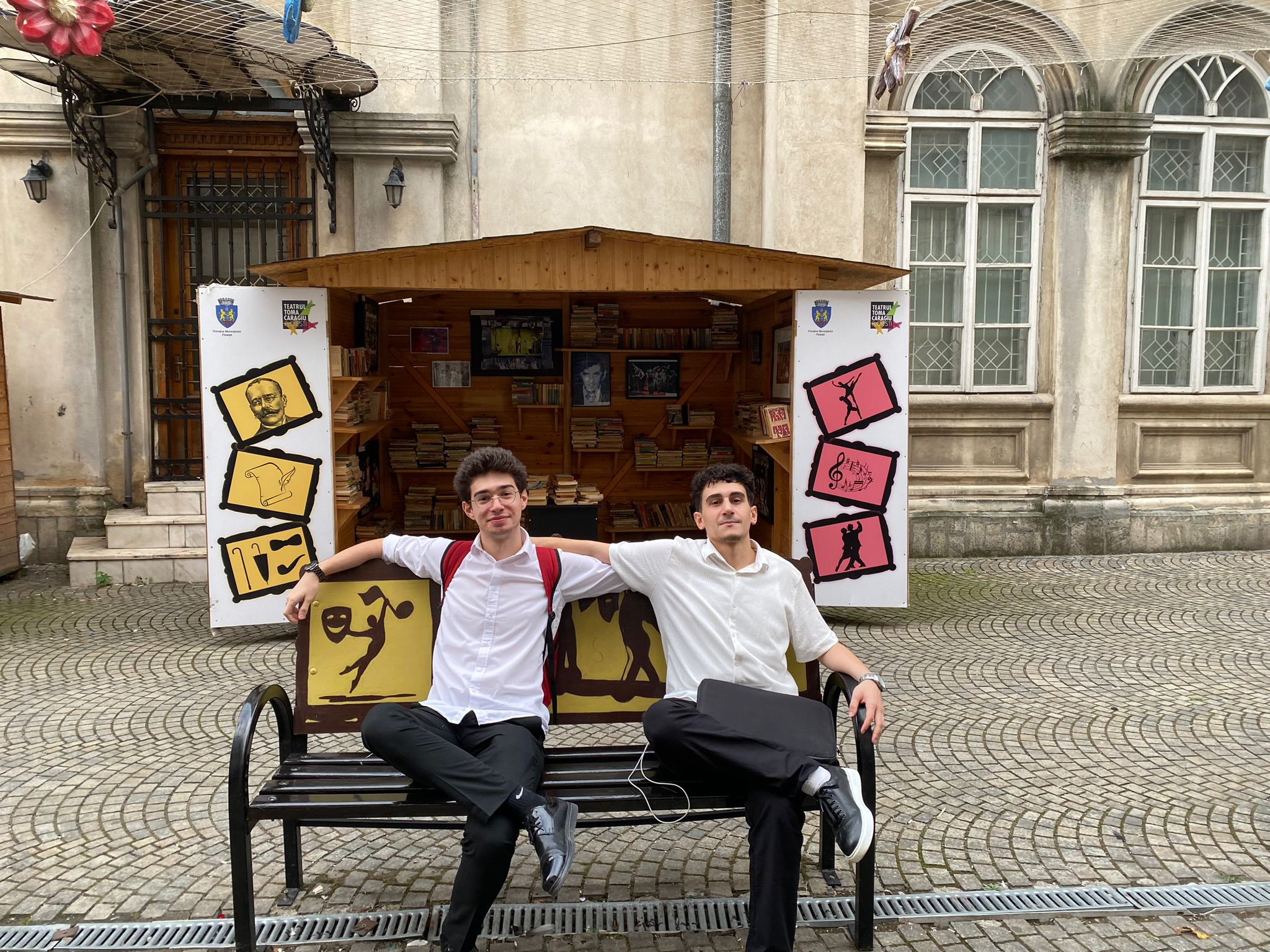
The harmony I had with my teammates was a great advantage during this process. While sharing tasks, producing ideas and preparing our work, we supported one another. In this way, even within the intense program, we created a very enjoyable working environment.
Working together does not only mean dividing tasks. Sometimes it requires discussing different ideas, adapting to one another’s working styles and meeting at a common point. This process showed me that differences can strengthen common work when communication is built in the right way.
A small success, a big motivation
At the end of the second day, the successful projects and participants were announced during the evaluations. One of the most beautiful moments of the day for me was being selected as “Honorable Delegate” in my committee. Along with this title, I also earned a medal.
Receiving such feedback was not only an award for me. Seeing that my effort and active participation throughout the project were noticed also increased my self-confidence. Sometimes what remains in your hands at the end of a project is not only a certificate. Sometimes a small success motivates you to take part in similar fields more often in the future.
Beyond MUN: an intercultural experience
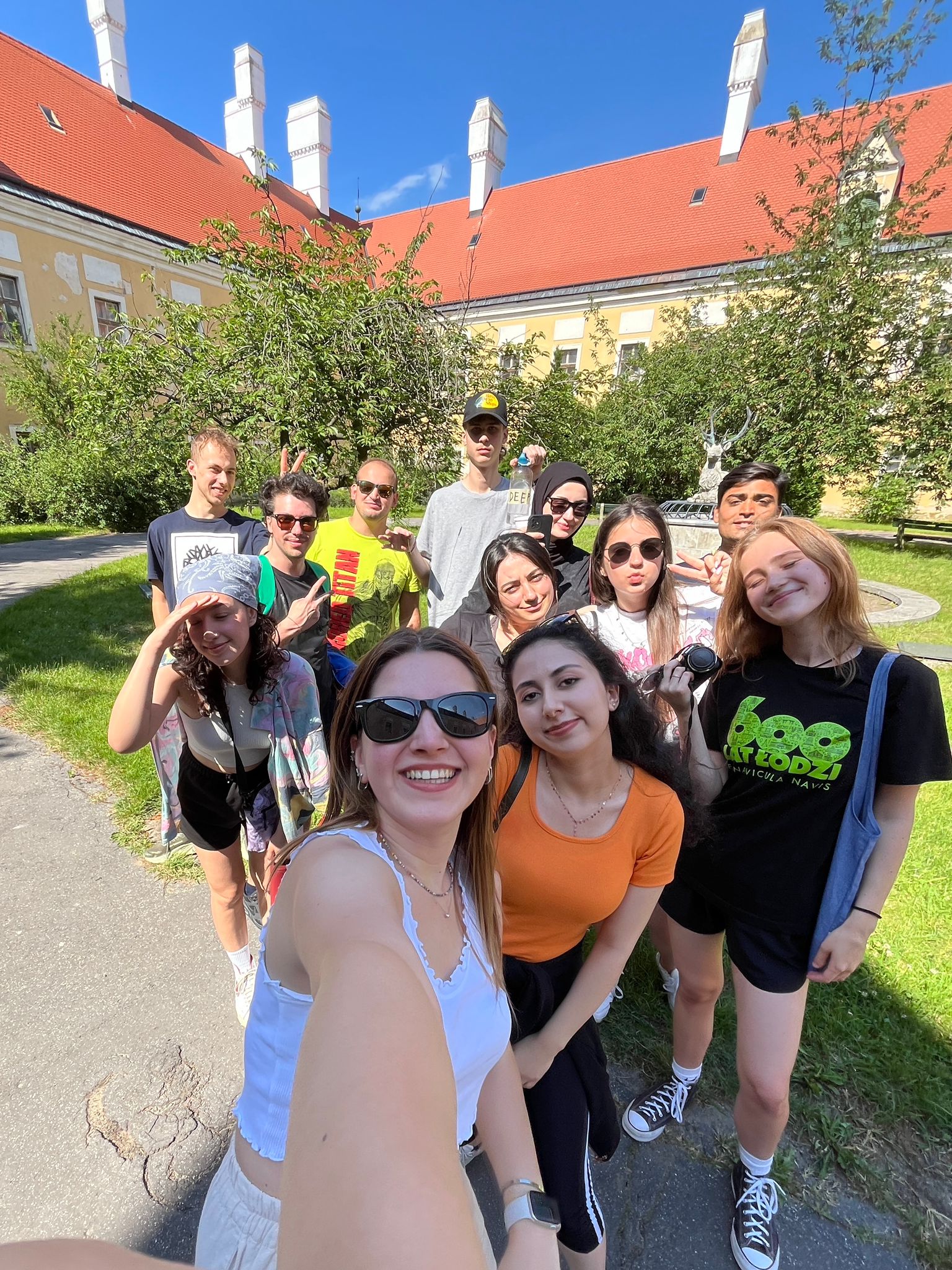
One of the most important things the project gave me was the chance to work in the same environment with people from different cultures. Working on the same task with participants from different countries allowed us to see how intercultural communication happens in daily life.
Making decisions together, talking through disagreements, meeting at a common point and sometimes adapting to one another’s working styles showed me that differences do not have to be an obstacle. On the contrary, when the right communication is built, different perspectives can make common work much stronger.
From classrooms to the streets of Bucharest
When the third day arrived, we were approaching the end of the project. This time, our program included a Bucharest trip organized by the project. After the intense work of the previous two days, discovering the city at a more relaxed pace was very enjoyable.
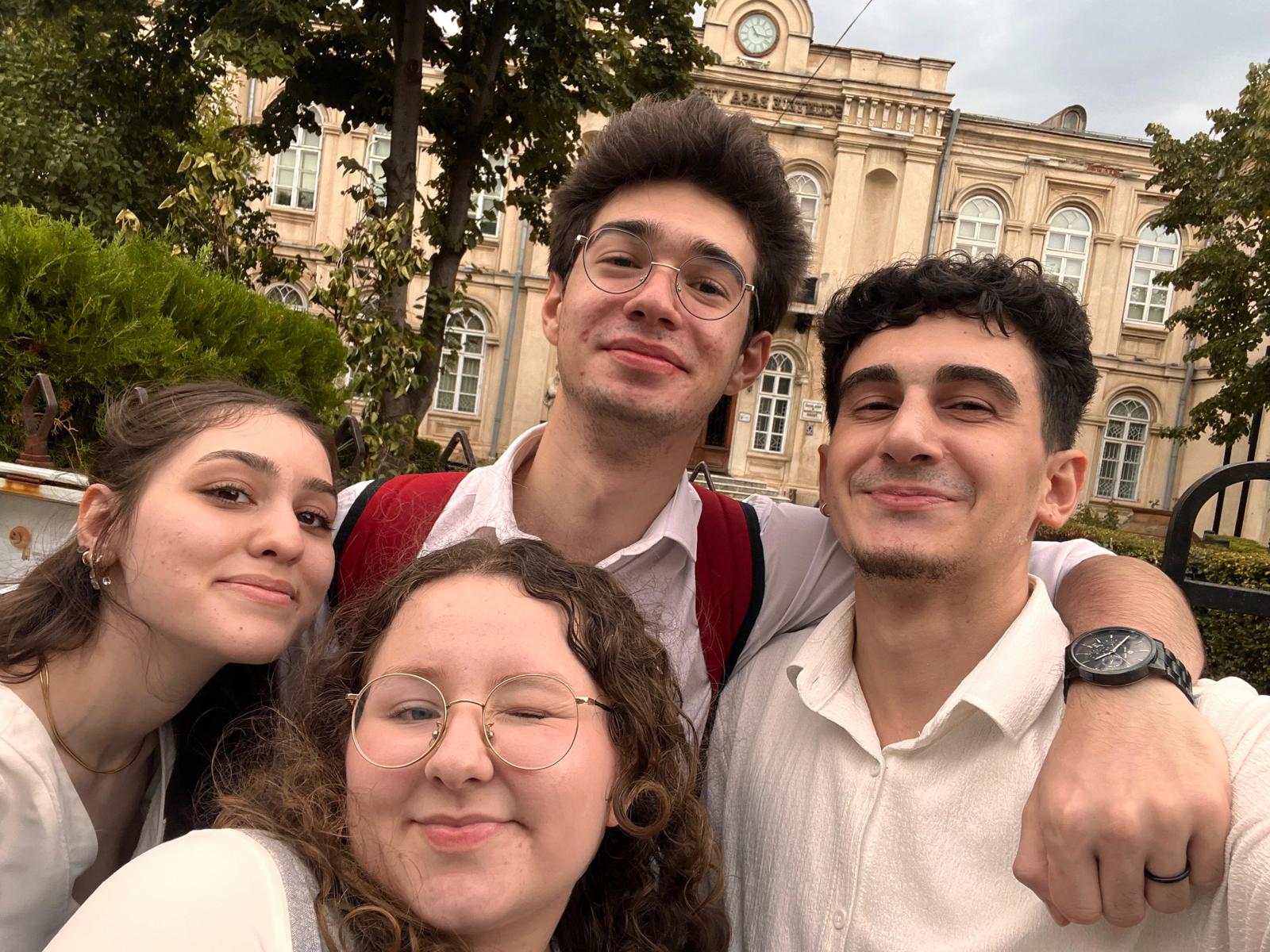
While walking through the streets of Bucharest, we had the chance to observe the city’s architecture, daily life and cultural texture. We took photos together, talked and reflected on the best moments of the project.
In fact, this trip allowed the relationships we had built throughout the project to continue in another setting. With the people we had worked with in the same committee at school, we were now talking while exploring the city and getting to know one another from different sides.
Three days, many new experiences
Finally, it was time to return to Istanbul. We had left behind only a three-day program, but in that short time we had experienced many things.
I improved myself in public speaking and discussion. I once again saw the importance of teamwork. I experienced how valuable it is to communicate with people from different cultures and listen to their perspectives.
Most importantly, I realized that defending an idea, respecting different opinions and creating common work are skills we can use in many areas of daily life.
Model UNESCO Romania Erasmus+ Project Participant Yücel Cultural Foundation Youth Page Erasmus+ Experience Stories