Getting Lost and Finding Yourself in a Project: Common Grounds
Common Grounds was not only about seeing a new country, meeting different people and practicing English. During nine days in Hungary, I experienced how transformative it can be to live together, communicate without fear of making mistakes, create freely and find common ground among people who are different from one another.
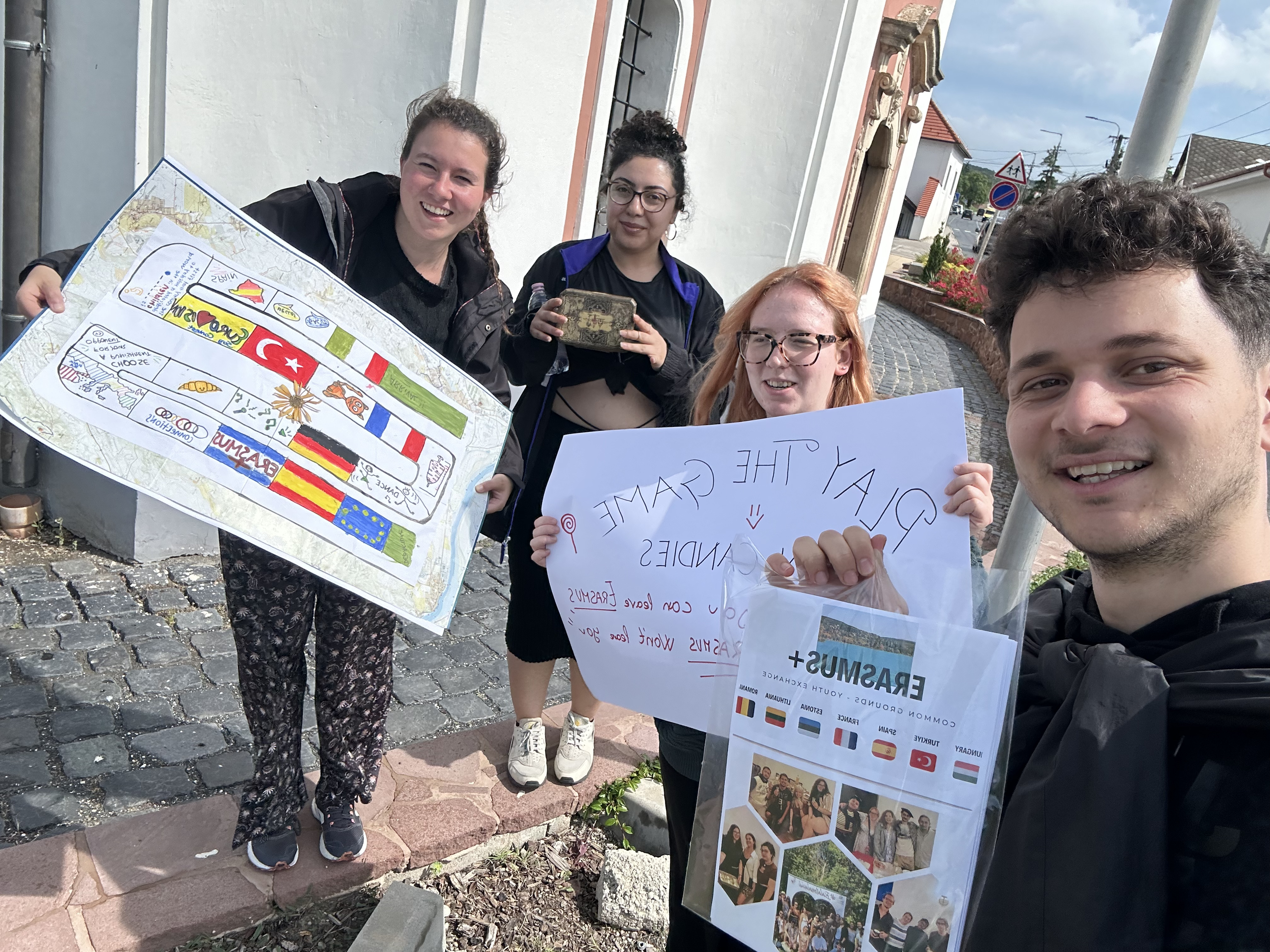
What do you expect from an Erasmus+ project? Seeing a new country, meeting different people, practicing English, returning with beautiful photos...
I had more or less these thoughts when I set off for the Common Grounds project. But at the end of nine days in Hungary, I realized that what an Erasmus+ project gives you is much more than all of these.
Sometimes the most important part of a project is not the activities written in the program, but what happens between them. Having breakfast together, laughing when someone mispronounces a word, having long conversations at night, discovering one another’s habits while sharing the same room, finding a common solution when you disagree... My Common Grounds experience was a combination of all these moments.
In the first days, everyone was a stranger
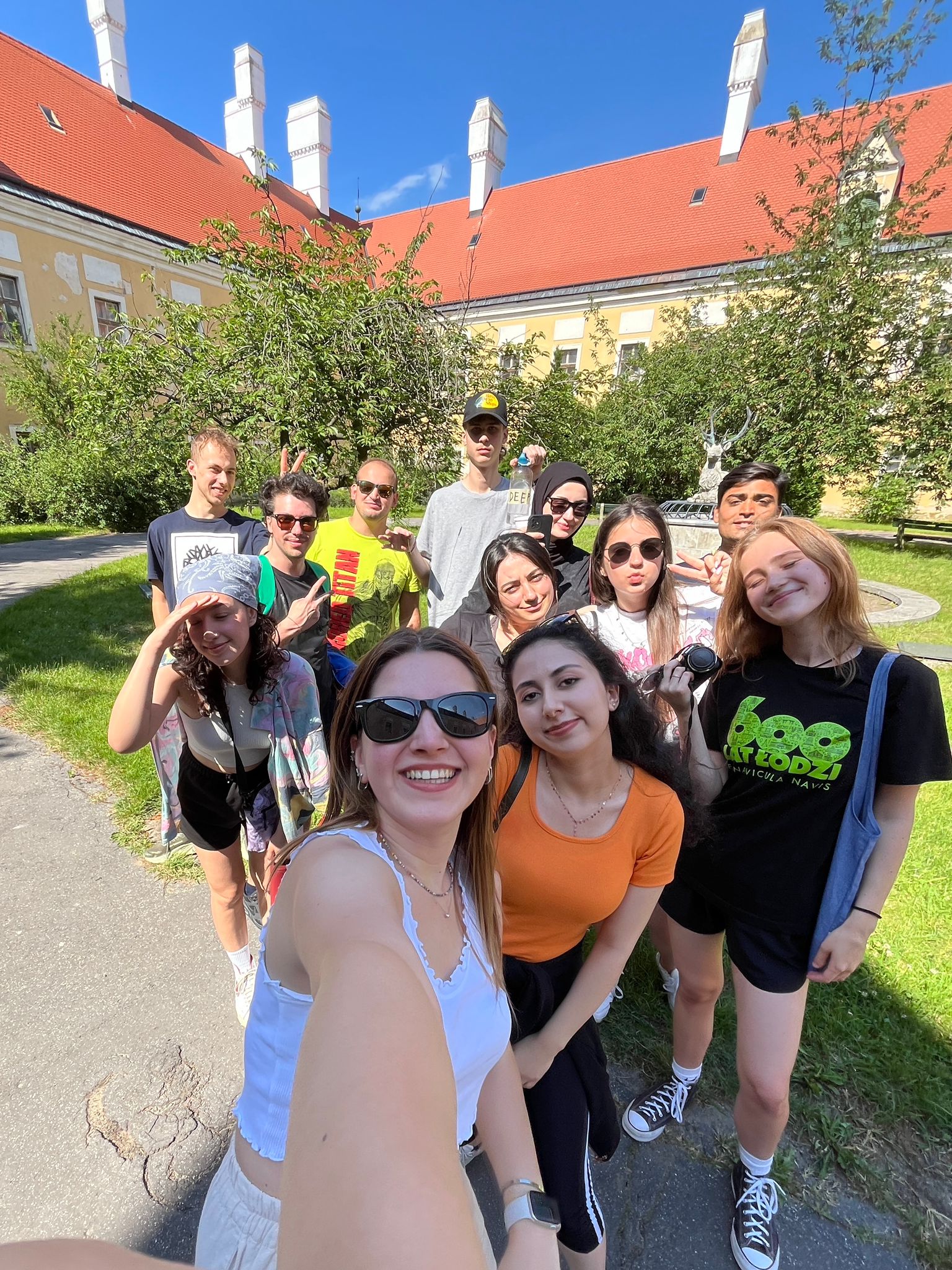
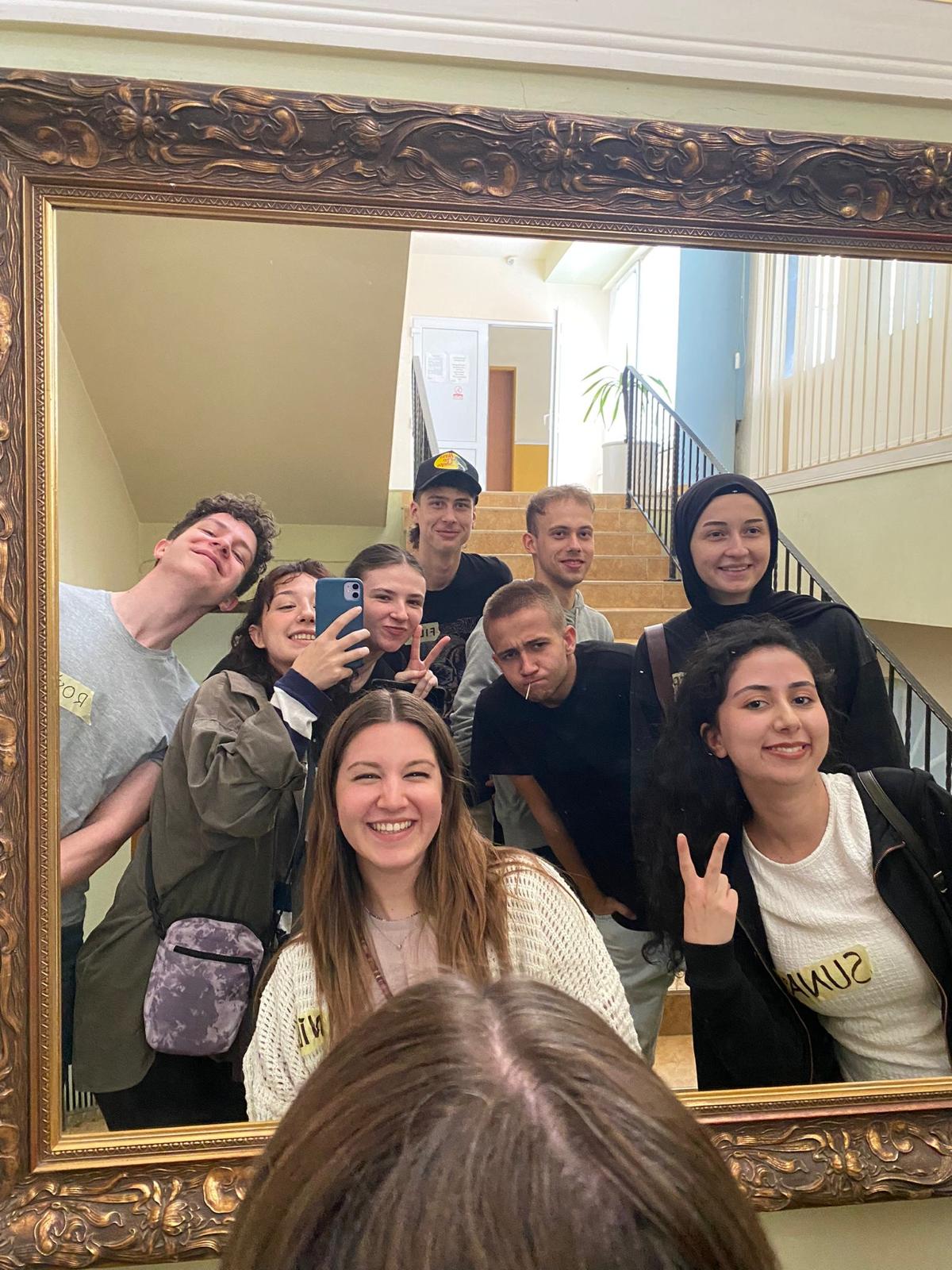
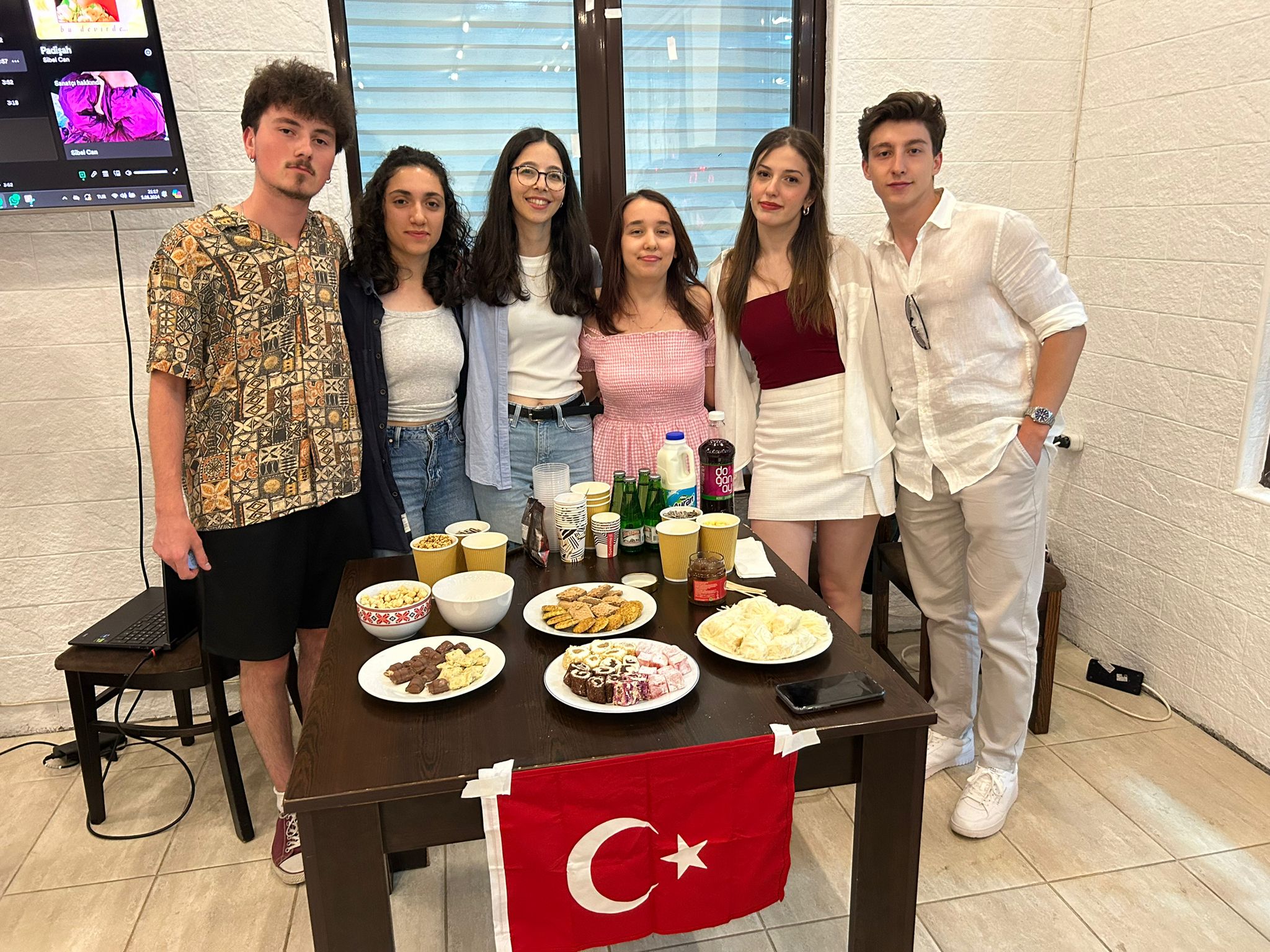
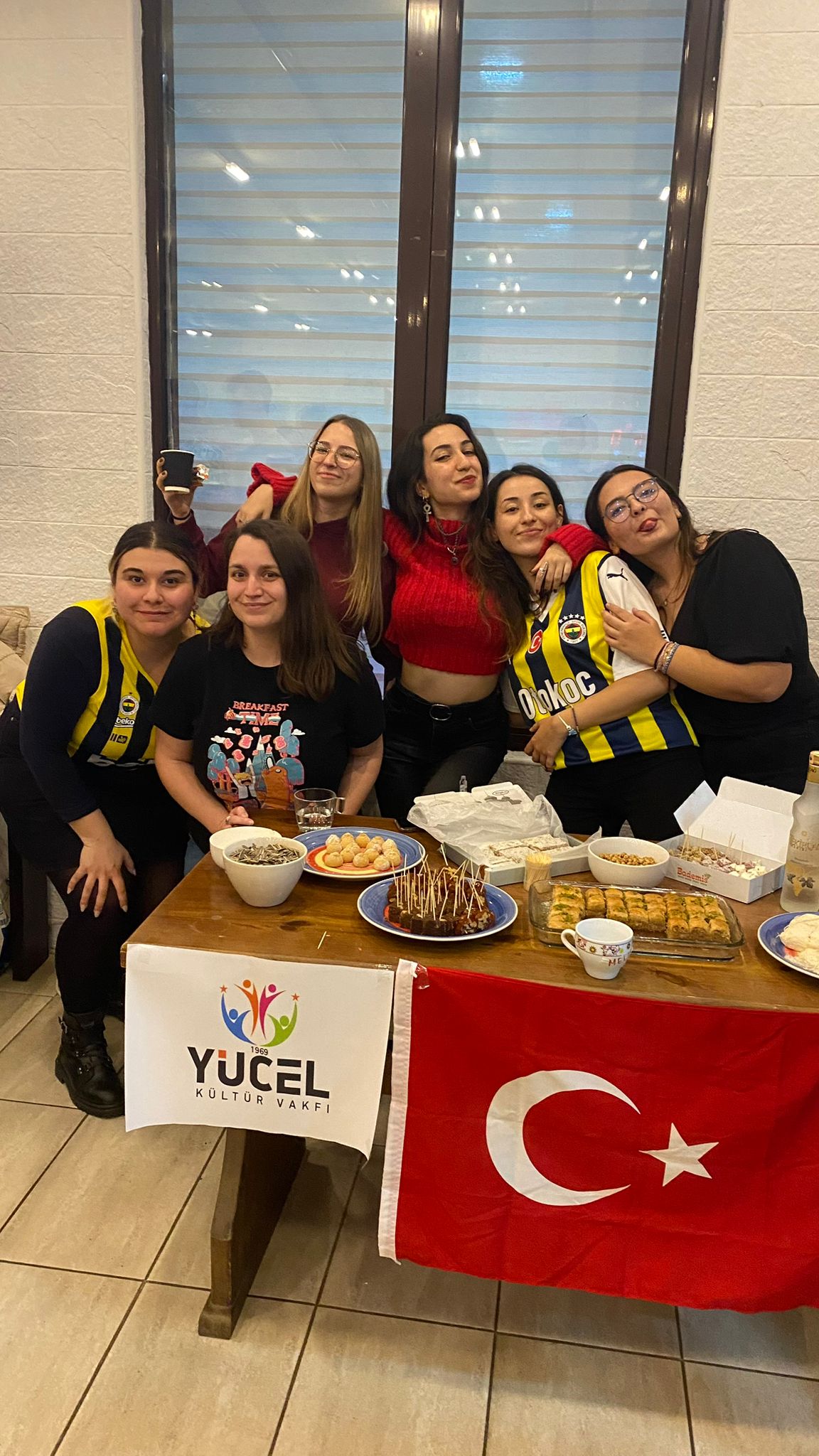
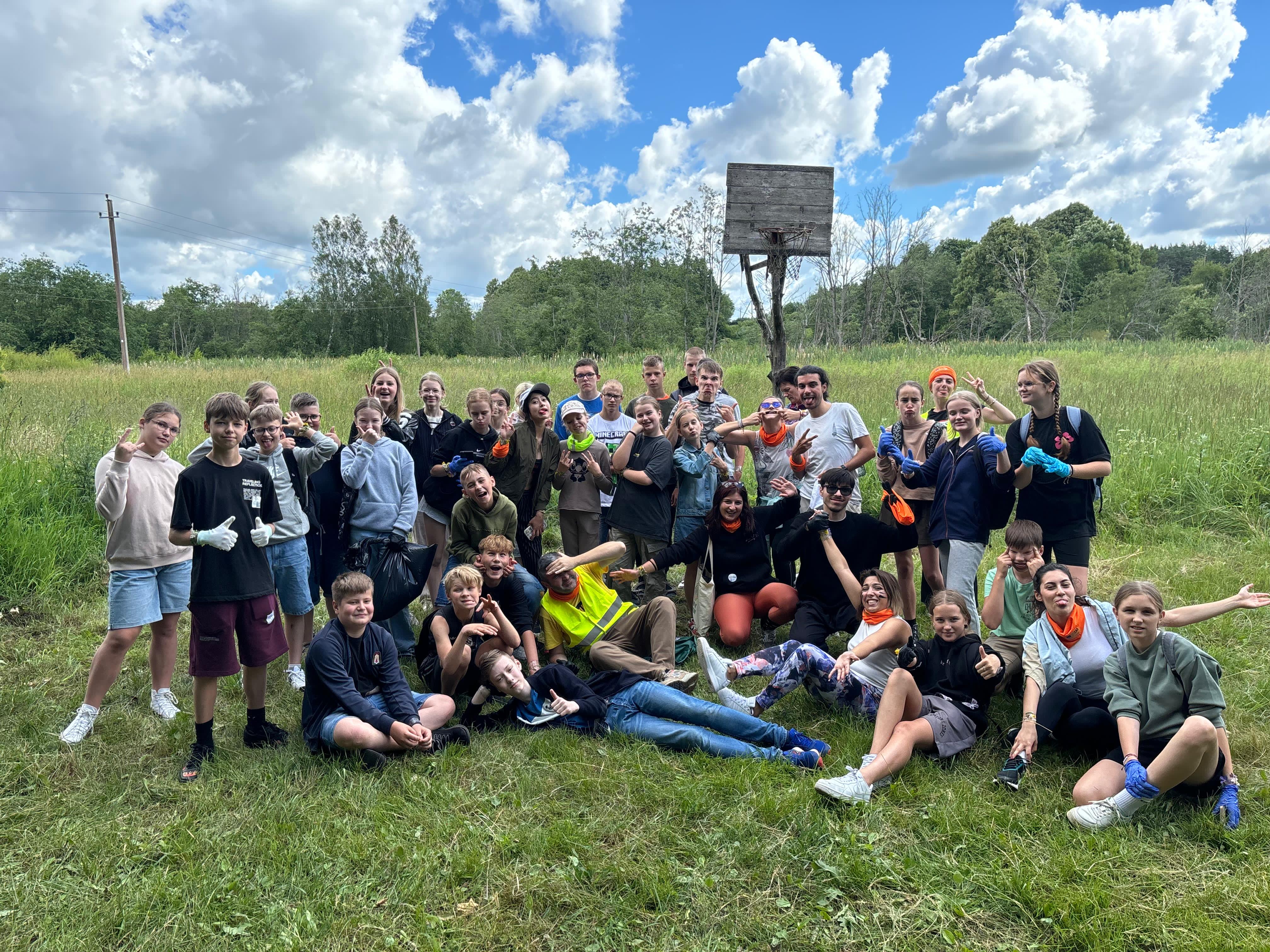
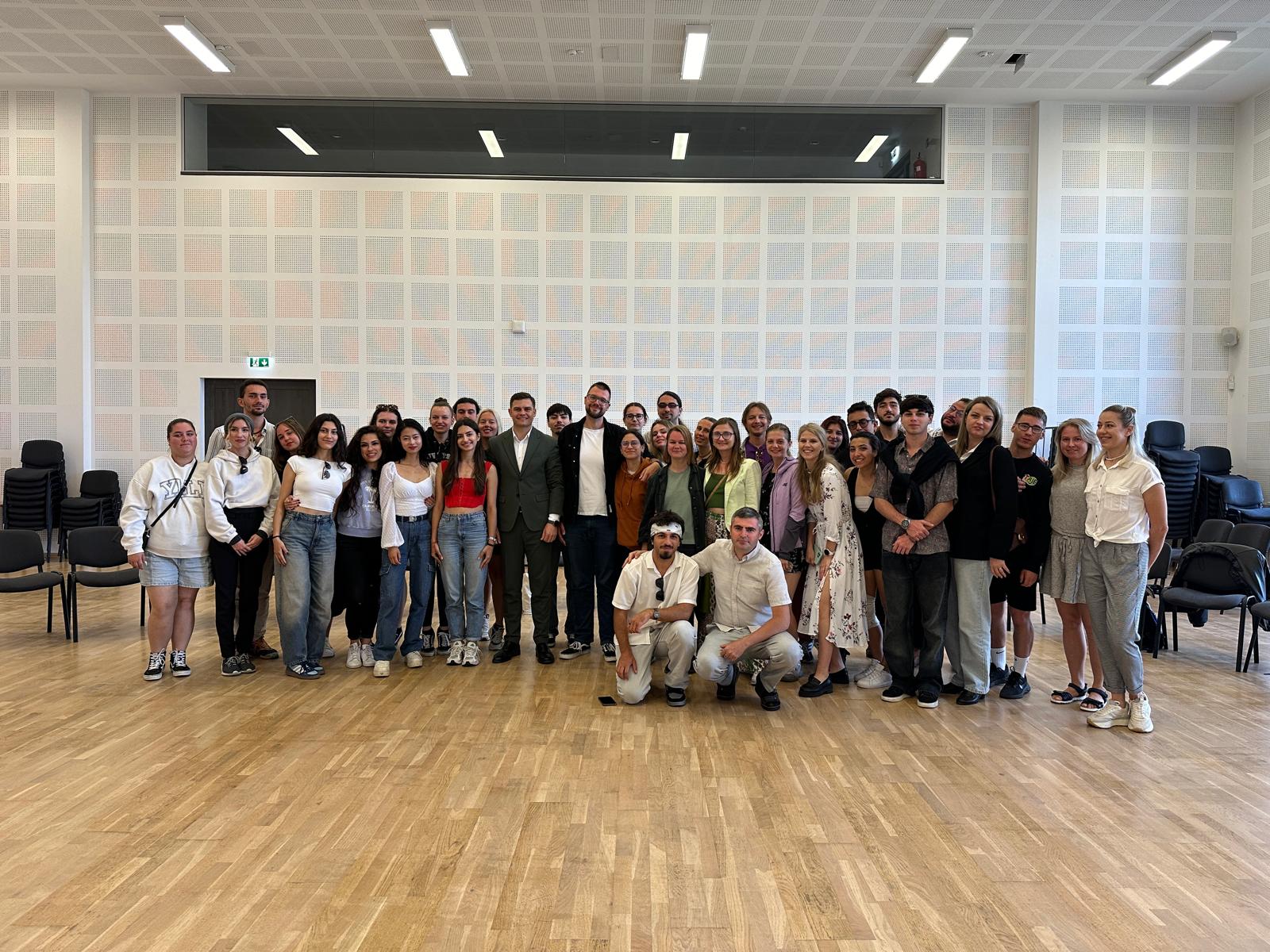
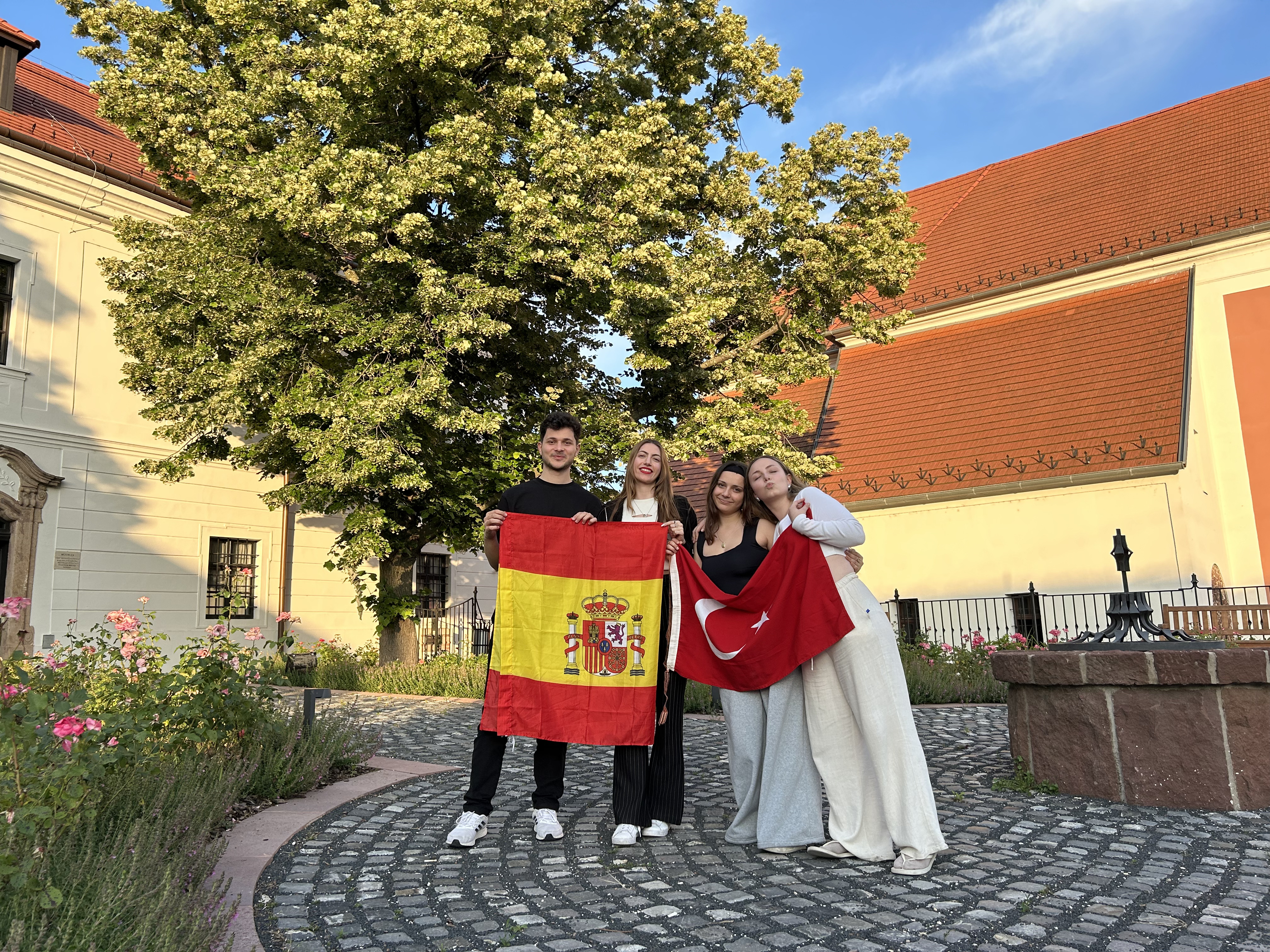
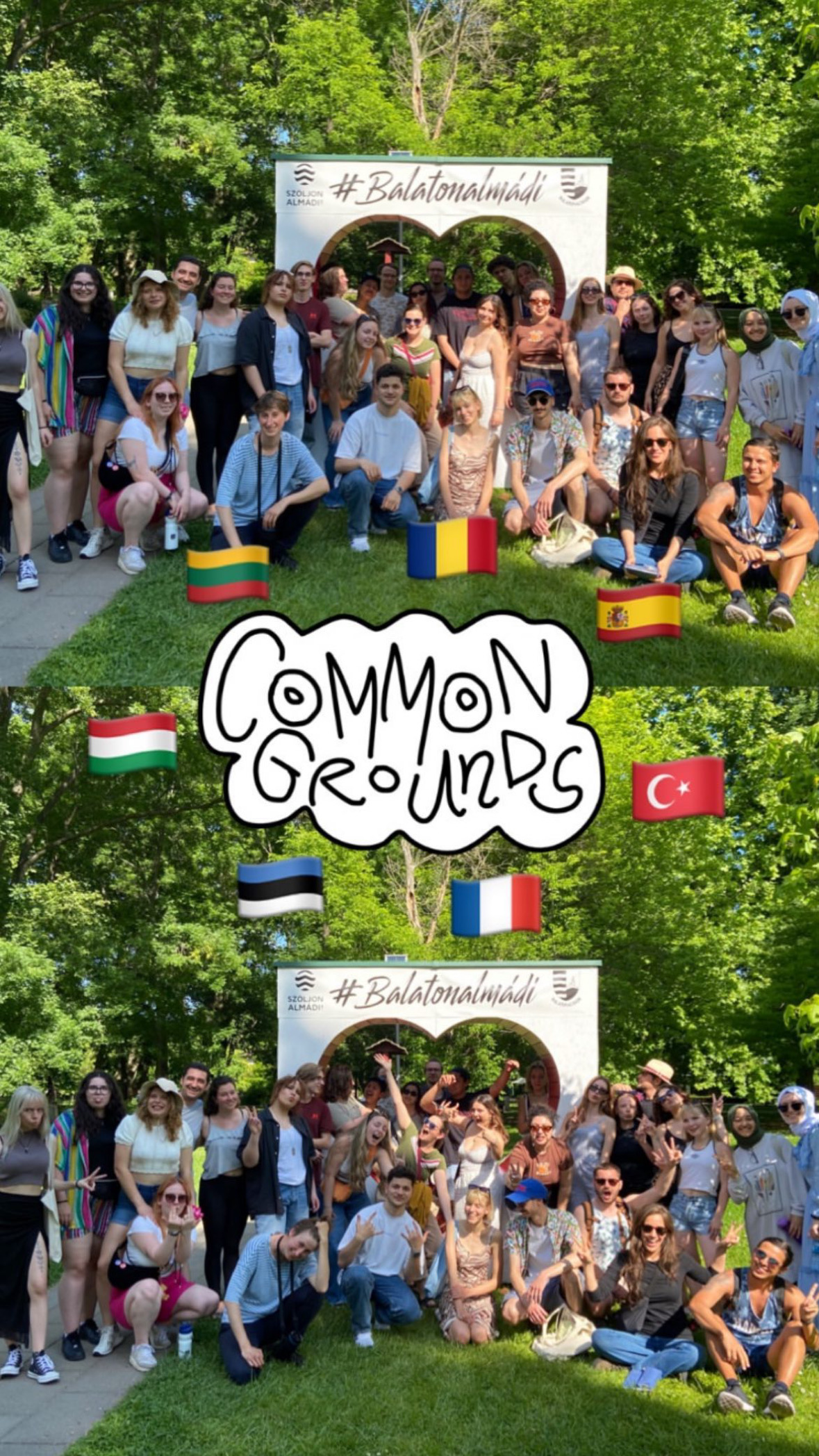
When we arrived at the project, we came together with young people from Romania, Spain, Lithuania, Estonia, France, Hungary and Türkiye. On the first day, we were all strangers to one another. We were trying to remember names, asking which country we came from and looking for topics to talk about.
Our common language was English. This can feel a little tense at the beginning. You build the sentence in your head, try to find the right word and sometimes think several times before you start speaking.
But in a short time, I saw that this was similar for everyone. No one had to speak perfect English. What mattered was trying to understand one another. And communication actually began this way.
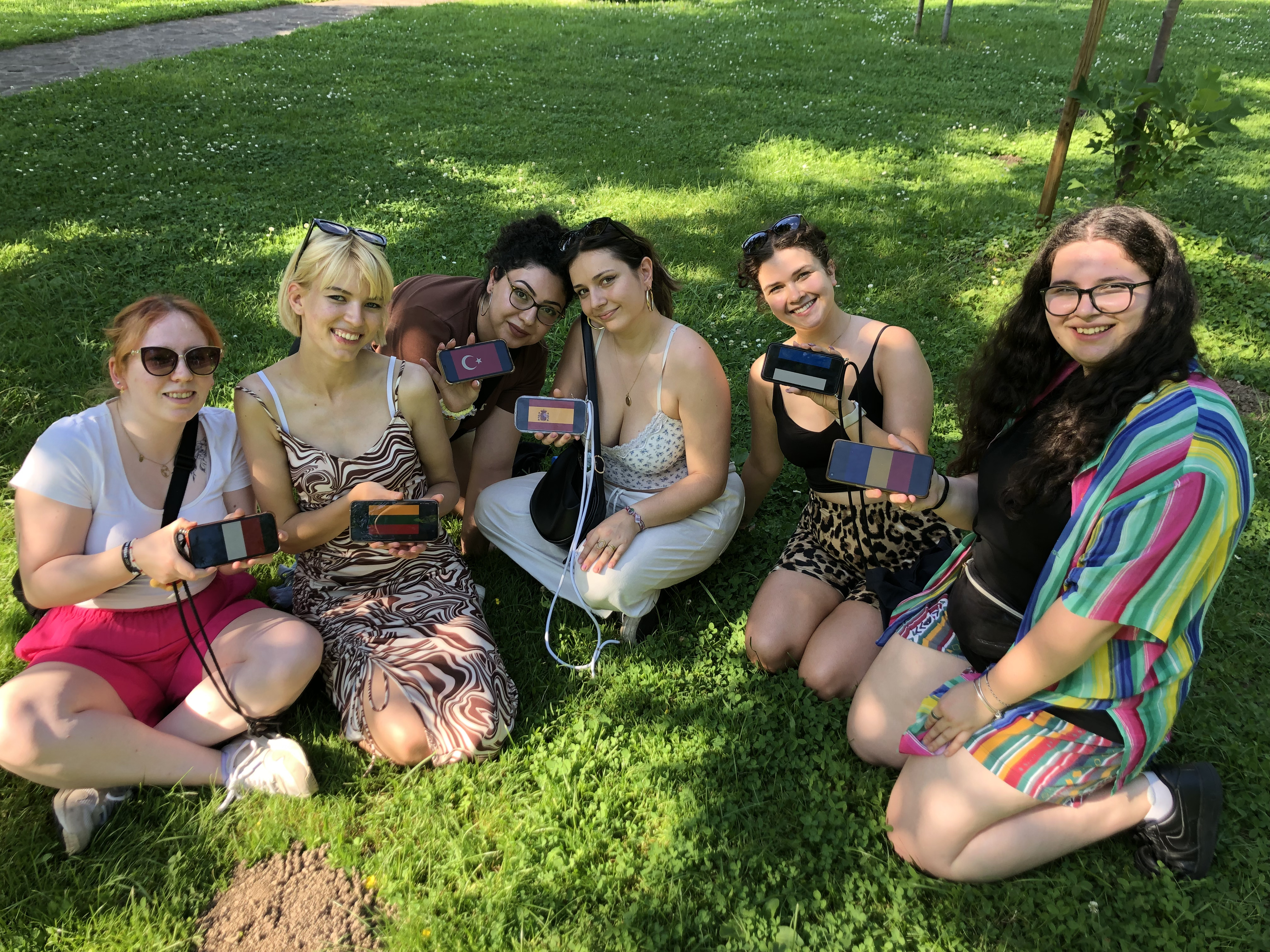
The biggest activity of the project may have been living together
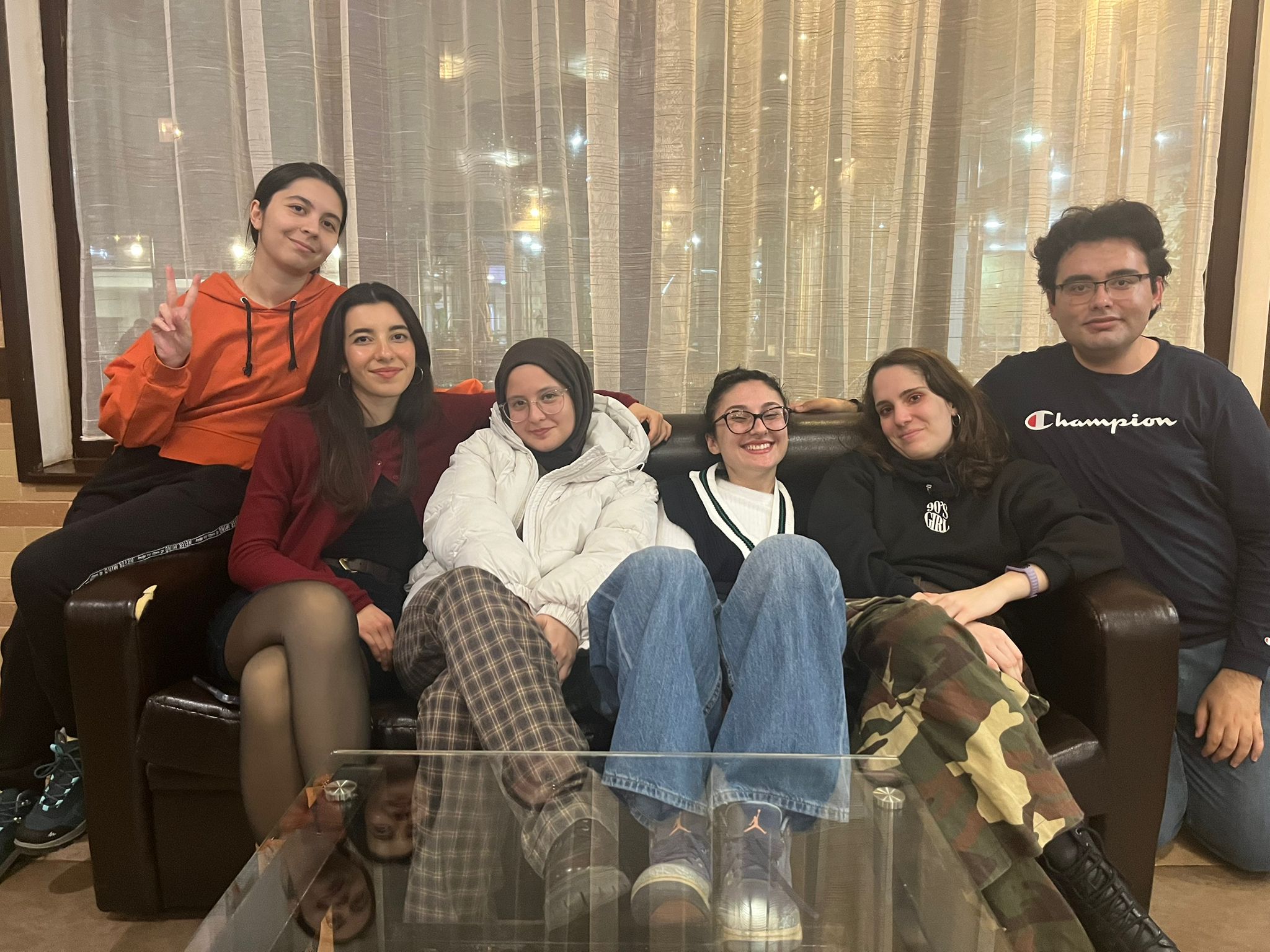
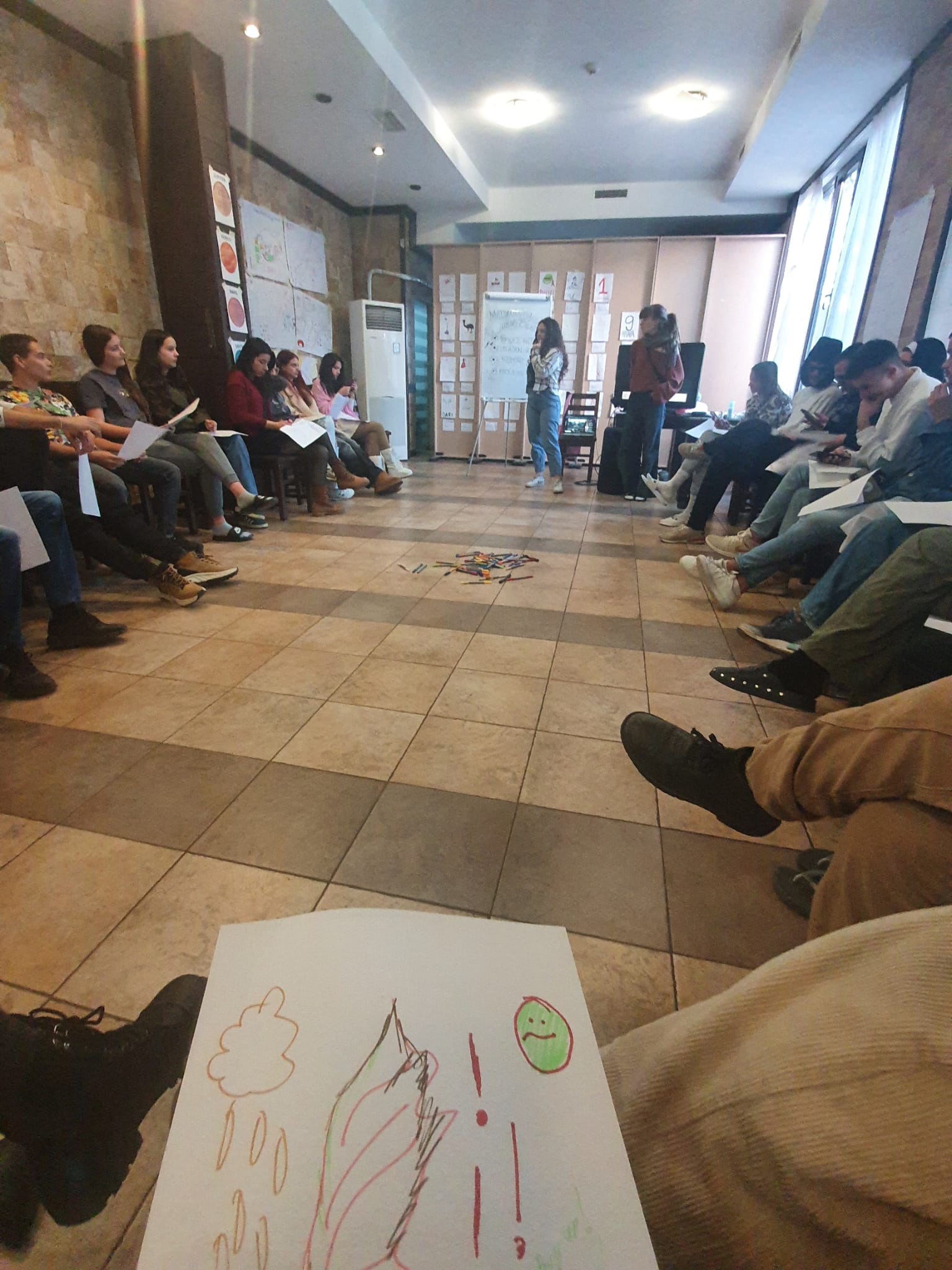
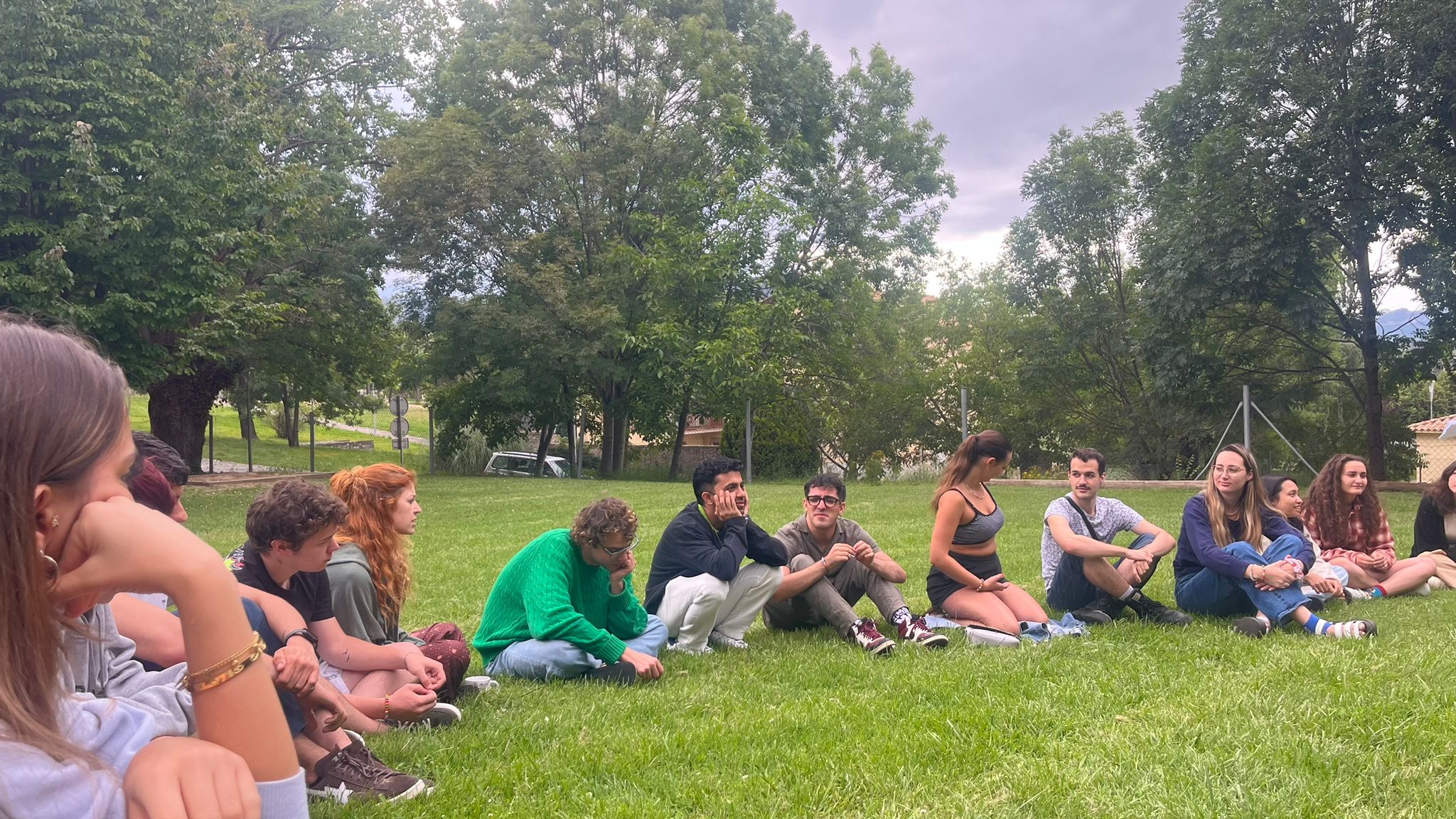
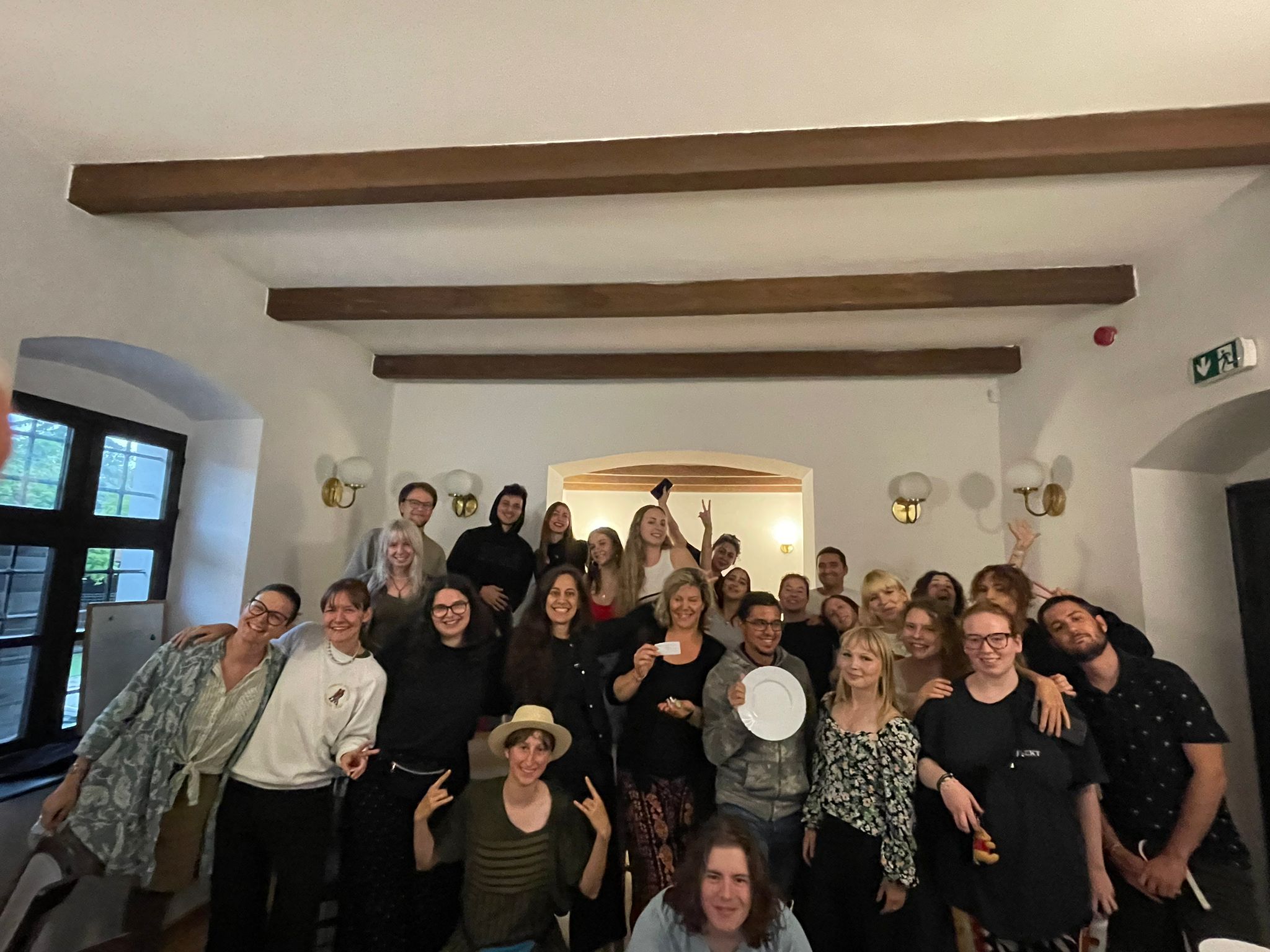
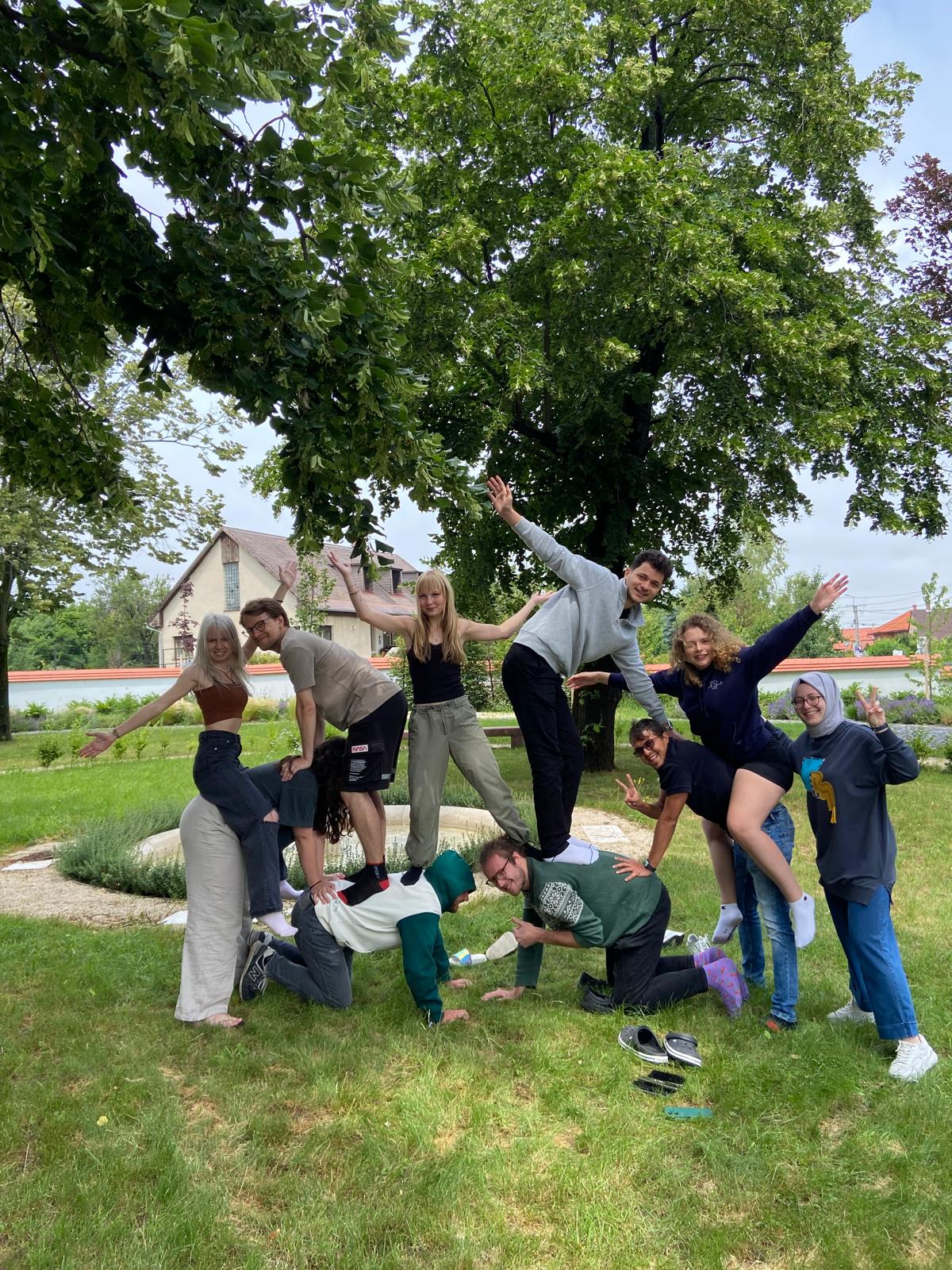
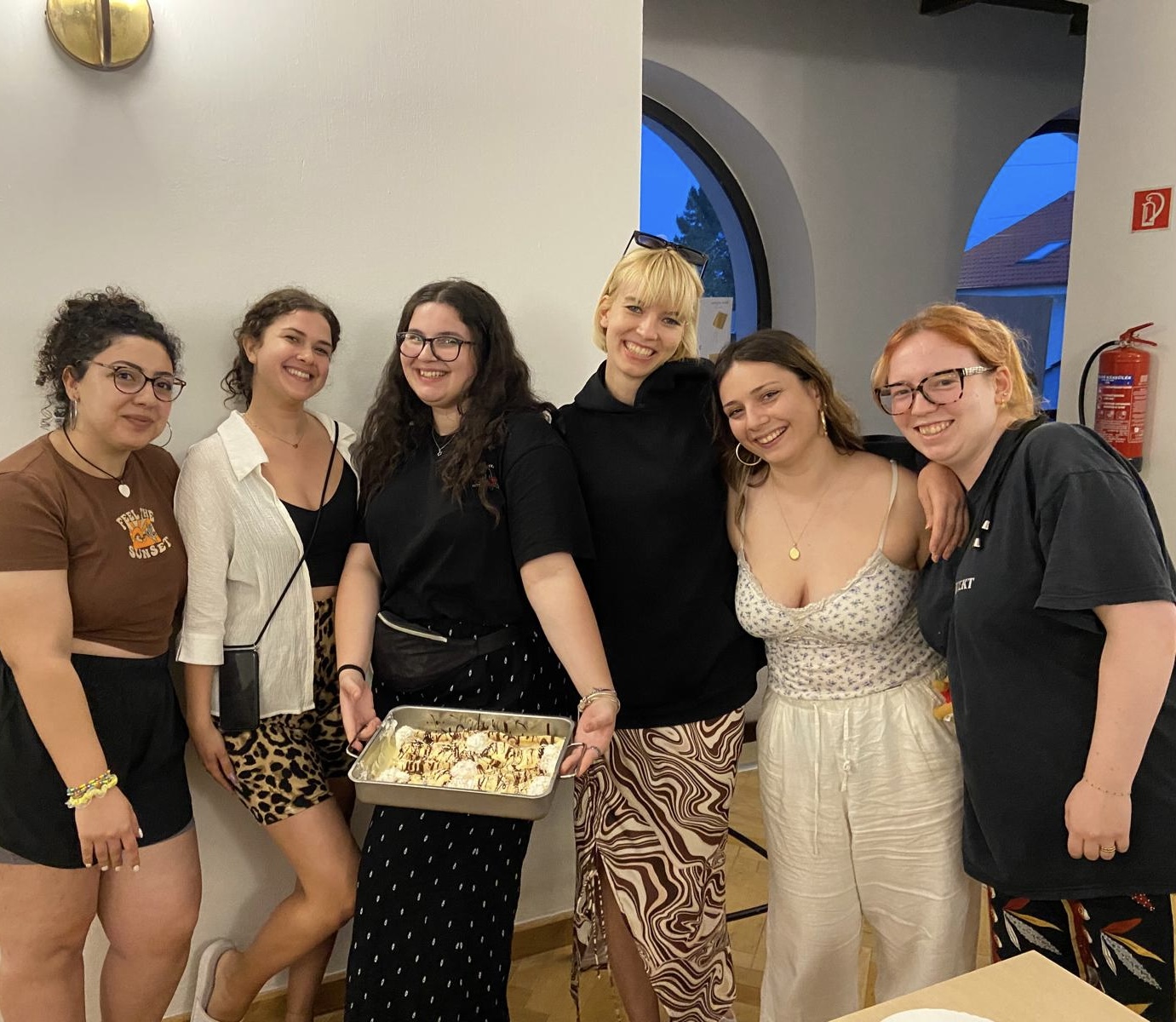
One of the most different aspects of Common Grounds for me was that it did not bring people together only during activities. We stayed in the same place, shared the same rooms, ate together, explored the city together and at the end of the day sat down with the same people again to talk.
When this happens, you stop defining people only by their countries. They stop being “the person from France” or “the person from Spain.” After a while, you remember them by the music they like, the stories they tell, the jokes they make or what they prefer to eat at breakfast.
I think this is exactly where the most real form of intercultural learning begins.
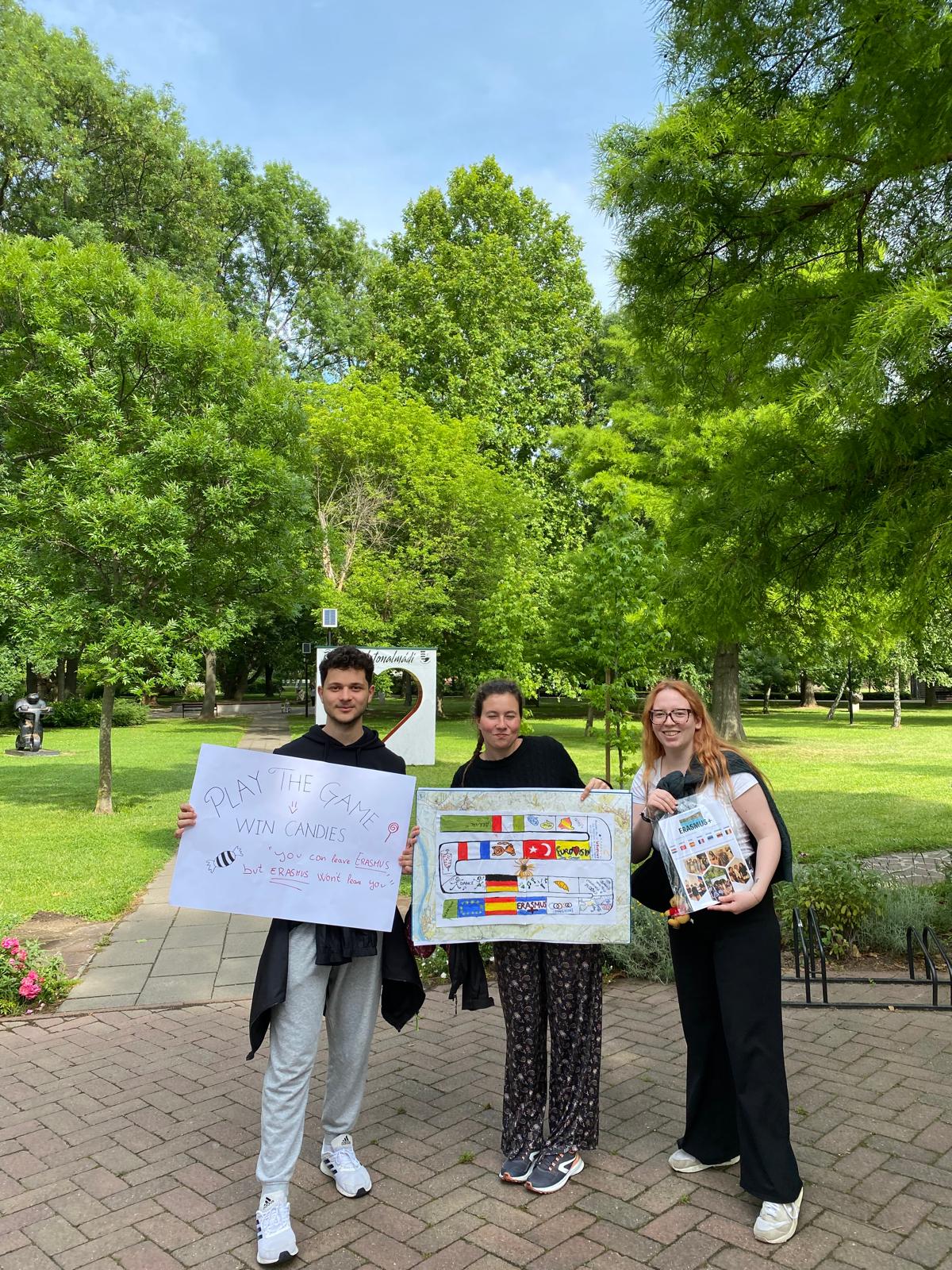
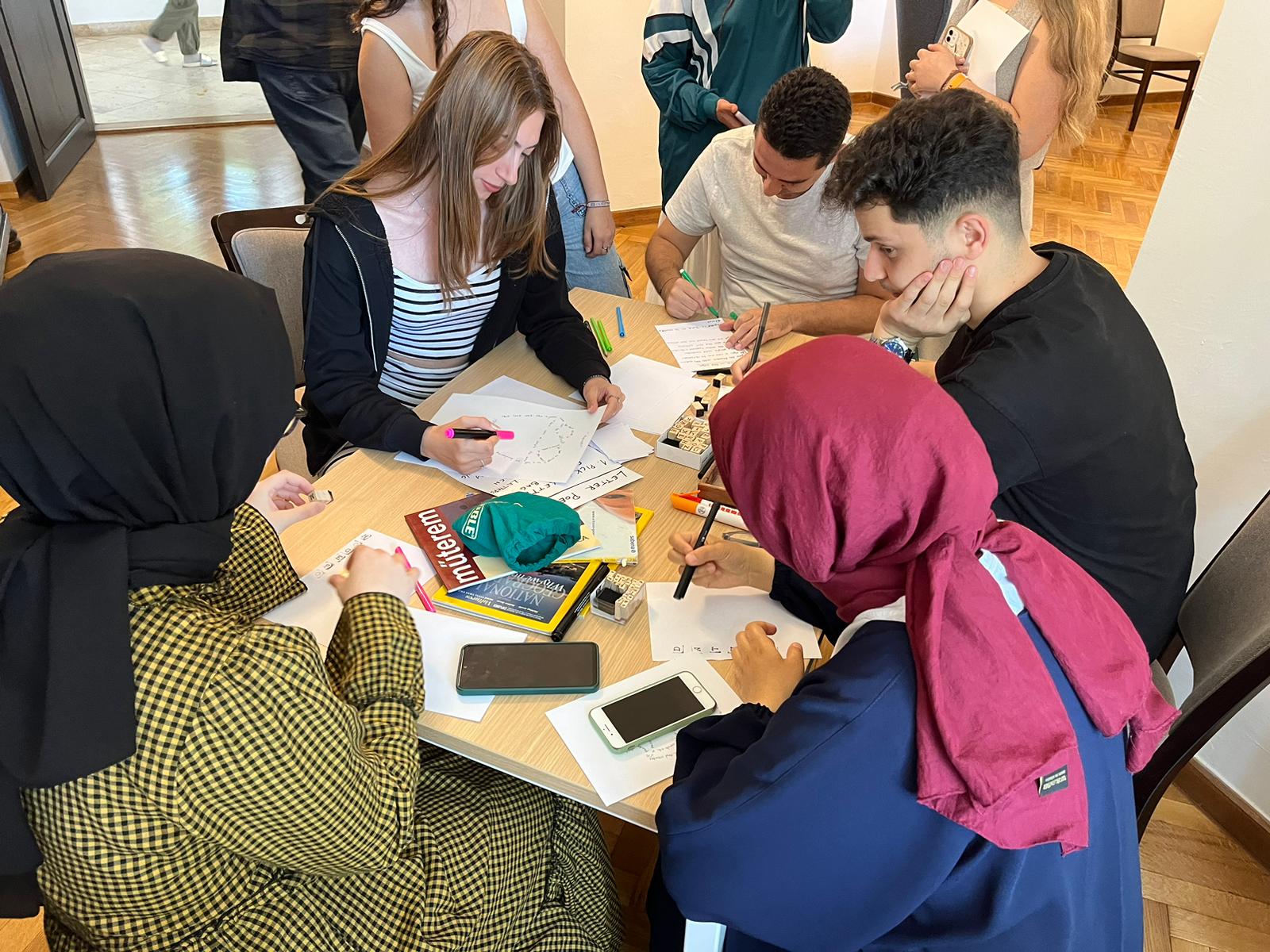
Knowing someone’s country is not enough to know them
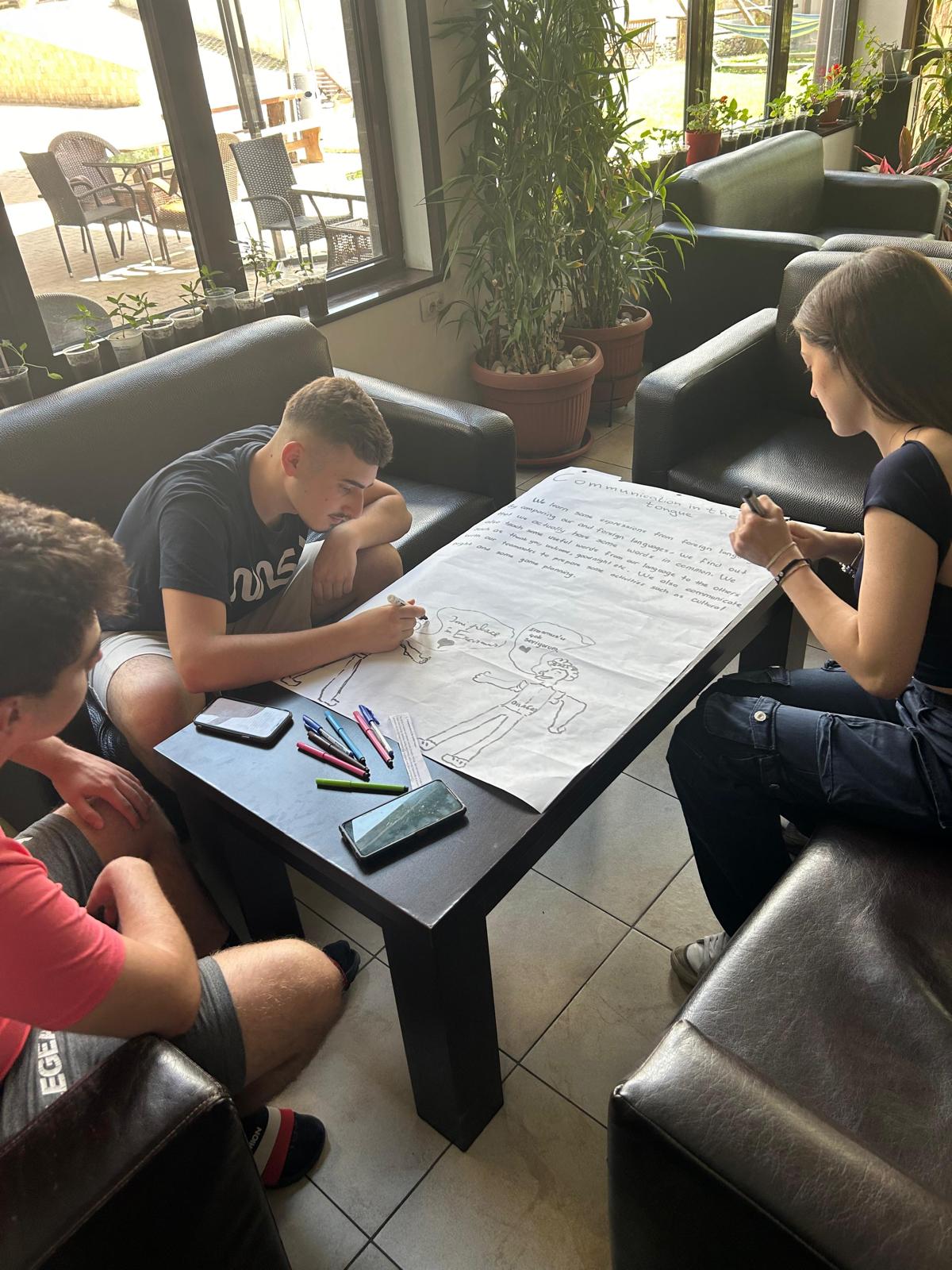
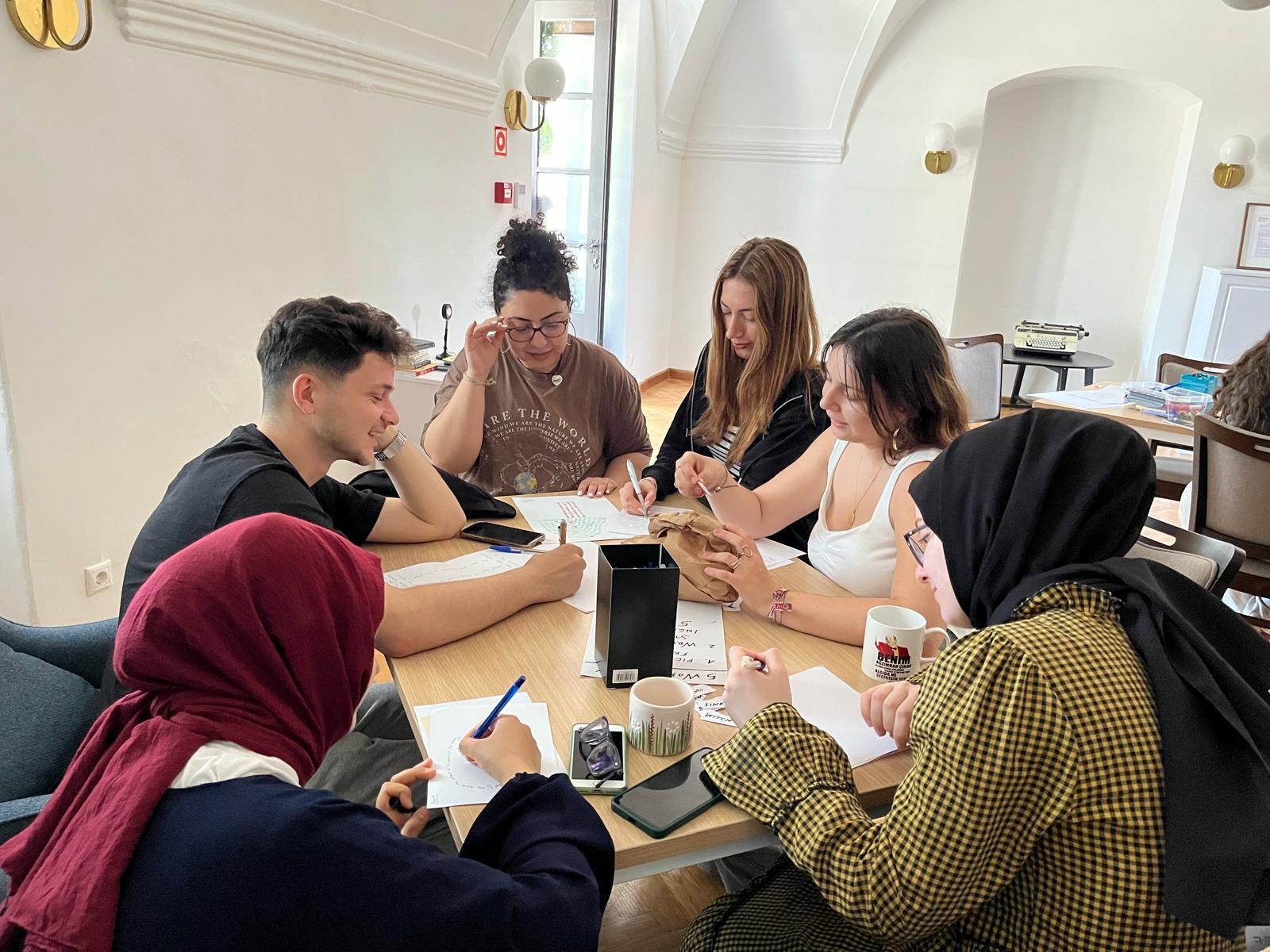
The creative writing activities we did in the project were very meaningful for me in this sense. Instead of directly asking one another “Where are you from?”, we began to introduce ourselves through the stories that made us who we are.
While writing my own story, I realized how much some memories I do not often think about in daily life had actually affected me. Then I listened to other people’s stories. It was surprising to see how similar some feelings could be among people who had grown up in different countries and lived different lives.
At that point, I began to understand better what Common Grounds meant. Finding common ground did not mean being the same.
Sometimes the best idea comes from a random word
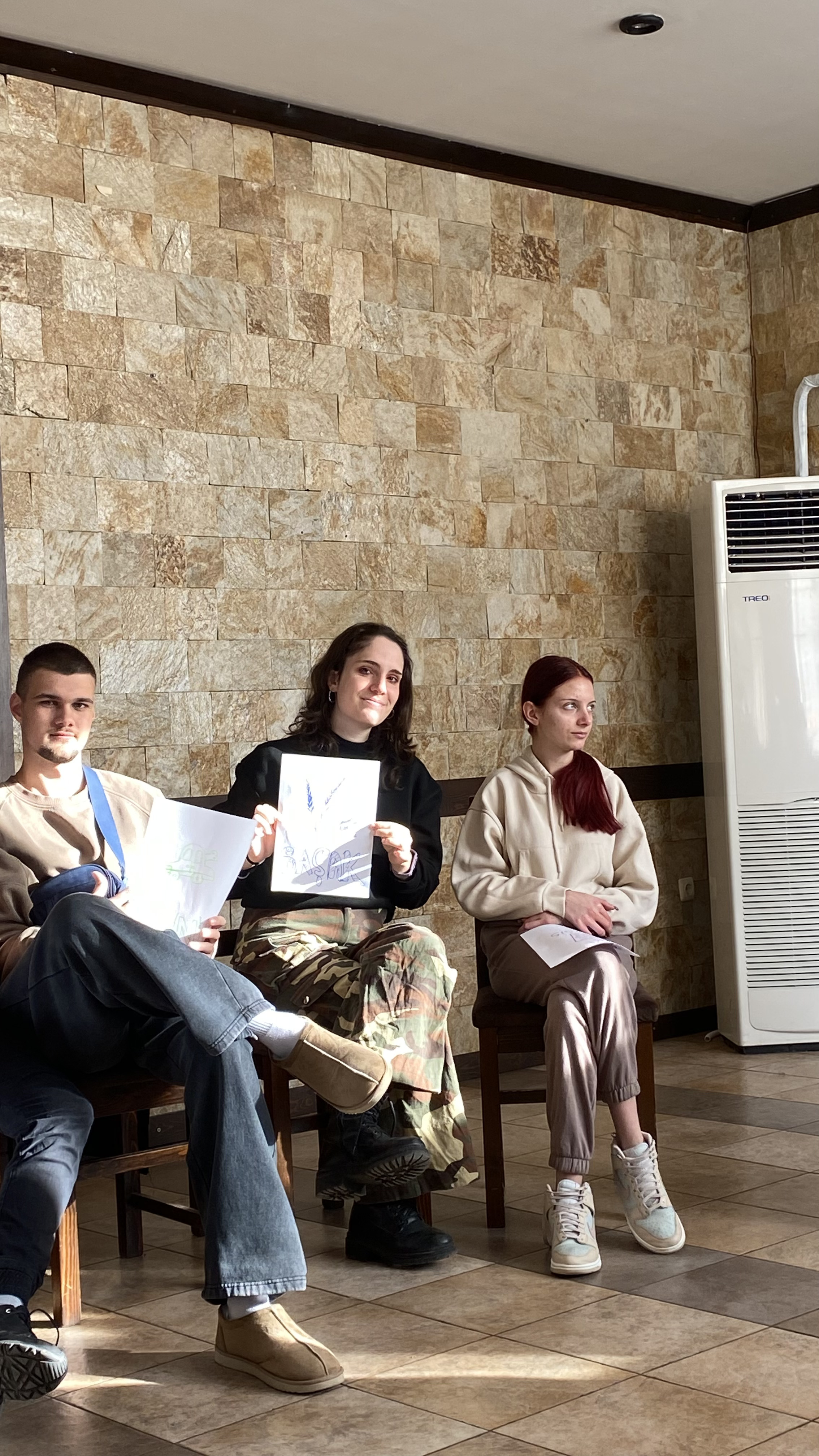
One of the creativity-focused days of the project was especially unforgettable for me. We chose words from books, wrote poems with random words and created short stories through different methods.
Normally, when producing something, thinking “Will it be good?” can stop you. Here, there was no such expectation. You choose a word and start. The result does not have to be perfect.
This experience showed me that we sometimes overthink in daily life too. The first version of something does not always have to be perfect. Starting and trying can be enough.
I thought Budapest was not part of the project
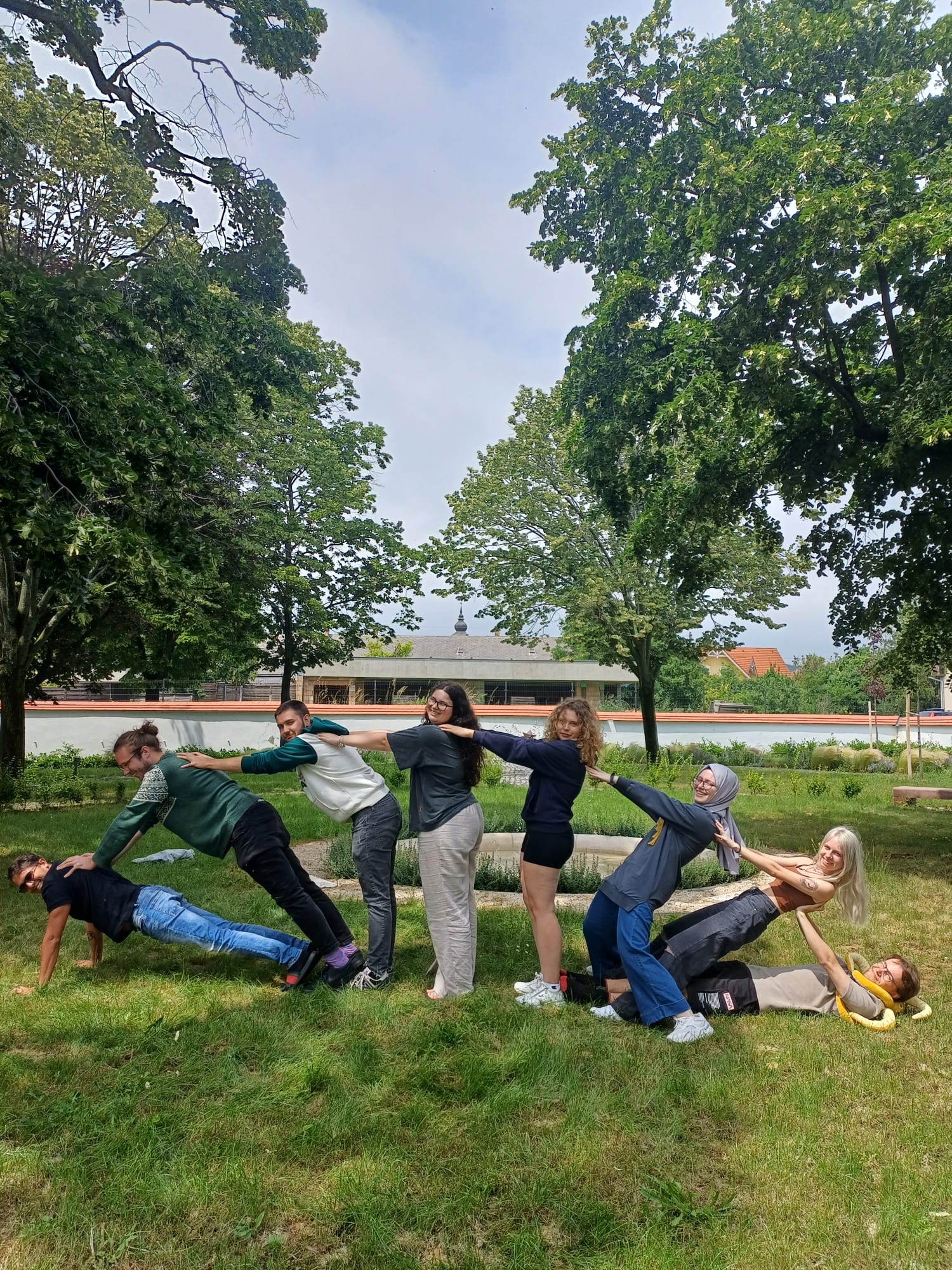
The sixth day was our free day, and we visited Budapest. At first, I thought this was only a day set aside to rest a little and see the city. But it actually became one of the important parts of the project experience.
Because there was no official activity that day. No one was telling us what to do. We made our own plan. We explored together, talked, sometimes changed plans and discovered the city.
I think spending an unplanned day together can sometimes teach you more about a group than doing a planned activity together.
Telling an idea on the street
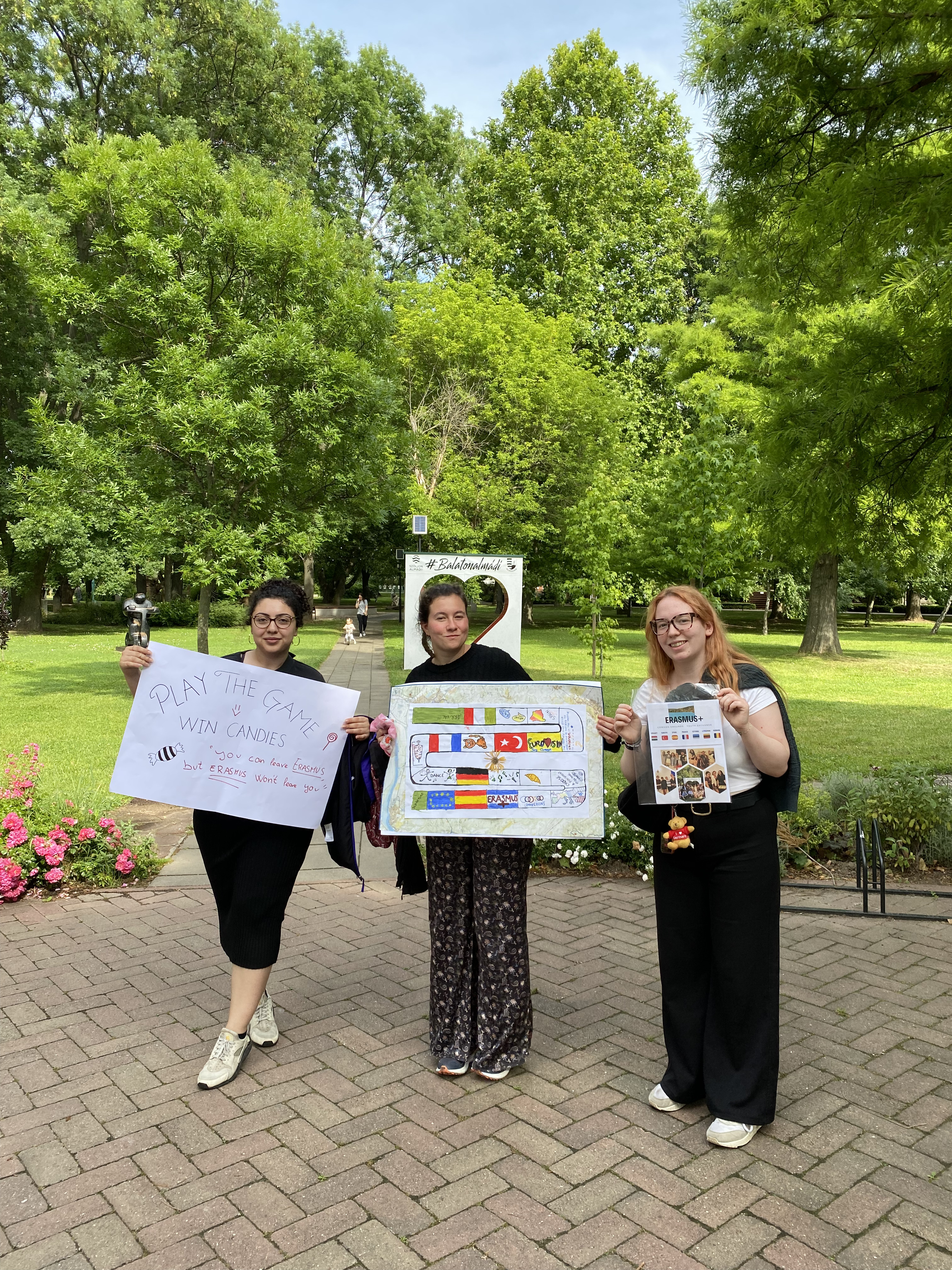
The artivism and street action activities showed another side of the project. We experienced that art can be used not only to create something, but also to communicate an idea to people.
There is a big difference between talking about an idea and making that idea visible. I saw this more clearly during the street action activities. You may not always need long sentences to deliver a message. An image, a movement or a creative idea can also be enough to make people think.
I gave myself a chance in English
One of my biggest fears about English before arriving at the project was making mistakes. What if I say something wrong? What if the person in front of me does not understand? What if I cannot find the words?
Then I realized that all of these things were already happening. And nothing was going badly. If I did not know a word, I explained it in another way. If I built the sentence incorrectly, I corrected it. Sometimes the other person did not understand either, and I explained again.
After a while, speaking English stopped being an “activity” and became part of daily life itself. Speaking English for such a long time for the first time became one of the most valuable gains of the project for me.
What I truly realized while saying goodbye
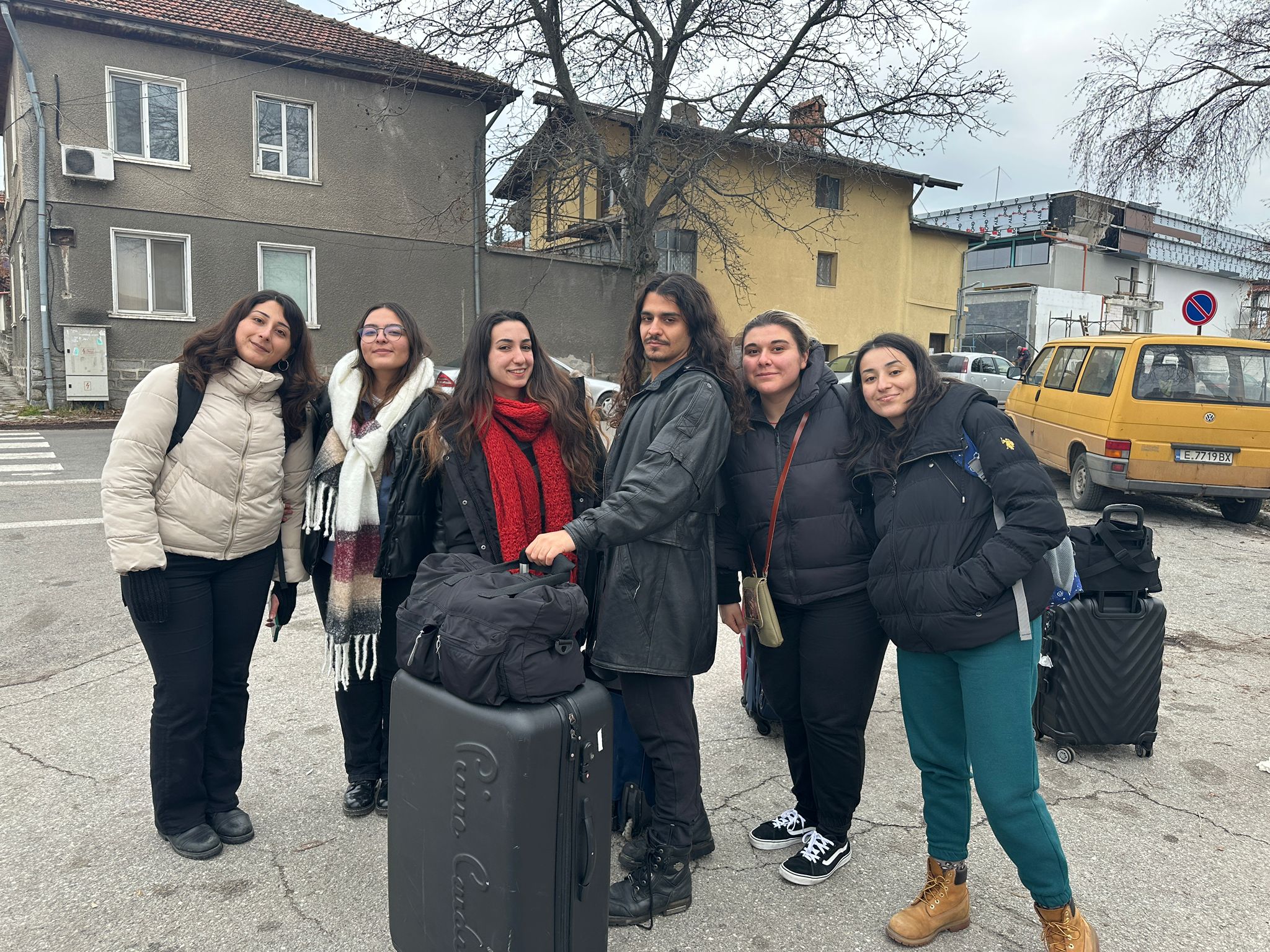
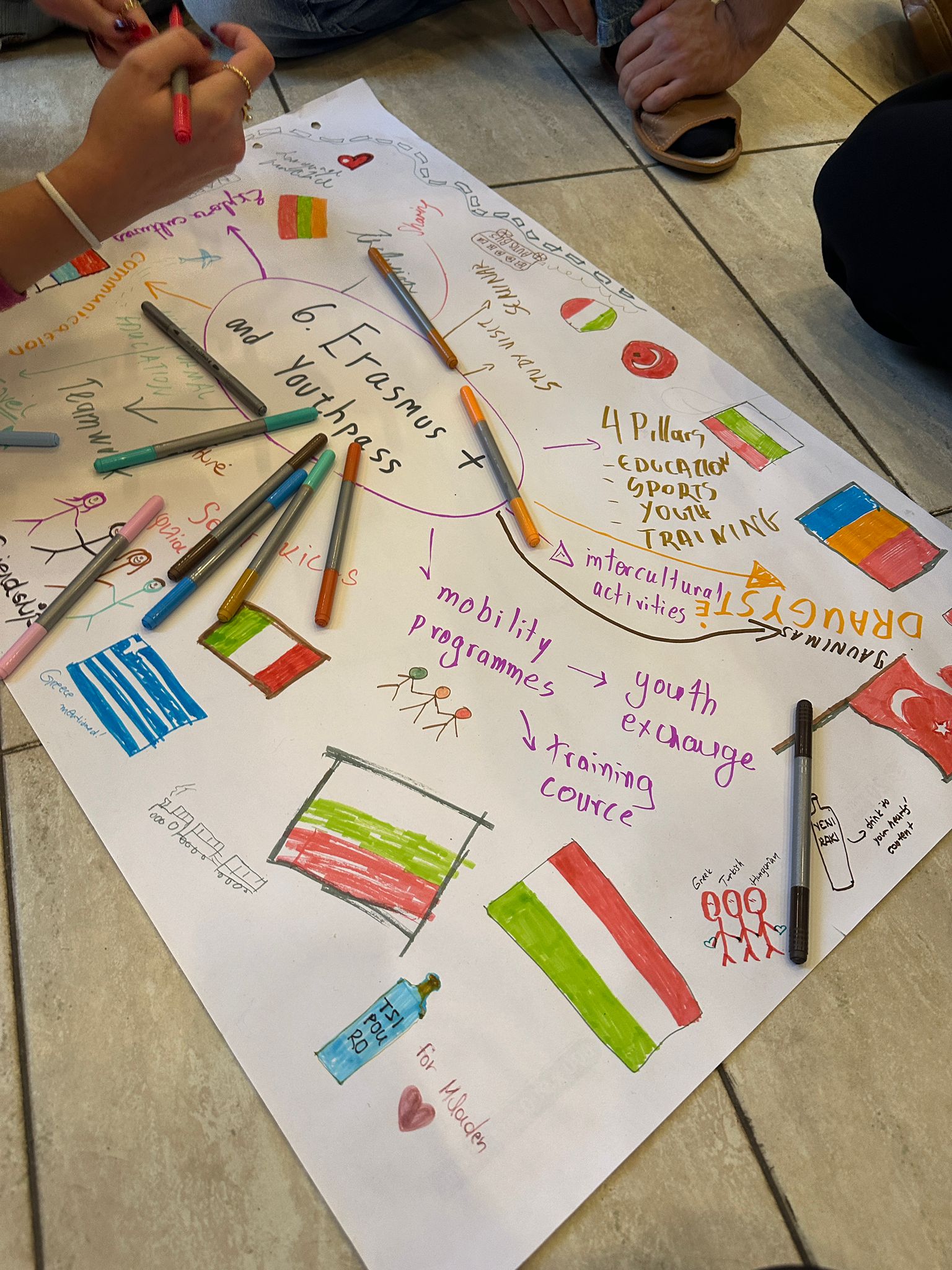
On the ninth day, we evaluated the project and received information about Erasmus+. Afterwards, it was almost time for everyone to return to their own countries.
The interesting thing was this: on the first day, I was thinking “How will I communicate with these people?” On the final day, I was thinking “When will I see these people again?” I had not expected such a big change to happen in nine days.
What does Common Grounds mean to me?
After this project, Erasmus+ stopped being only an opportunity to go abroad for me. I think Erasmus+ means learning to trust yourself in an unfamiliar environment, communicate without fear of making mistakes, share the same living space with different people, tell your own story, listen to other people’s stories and sometimes discover things about yourself that you had not noticed before.
Common Grounds gave me a lot in terms of personal development and awareness. I saw that I could use my creativity in different ways. My confidence in speaking English increased.
But at the end of nine days, what stayed in my mind the most was not an activity, a city or a photograph. It was people. People who came from different countries and became part of my life in only a few days.
I think this is exactly what makes an Erasmus+ project special. You learn something new where you go; but when you return, you also carry a little bit of the people you met there with you.
Common Grounds Erasmus+ Project Participant Yücel Cultural Foundation Youth Page Erasmus+ Experience Stories