An Erasmus+ Week in Obzor: Learning, Experimenting and Creating Together
During my week in Obzor, I worked with young people from different countries on communication, leadership, volunteering, digital tools, environmental awareness and project development, learning not only by discussing these topics but by experiencing them directly.
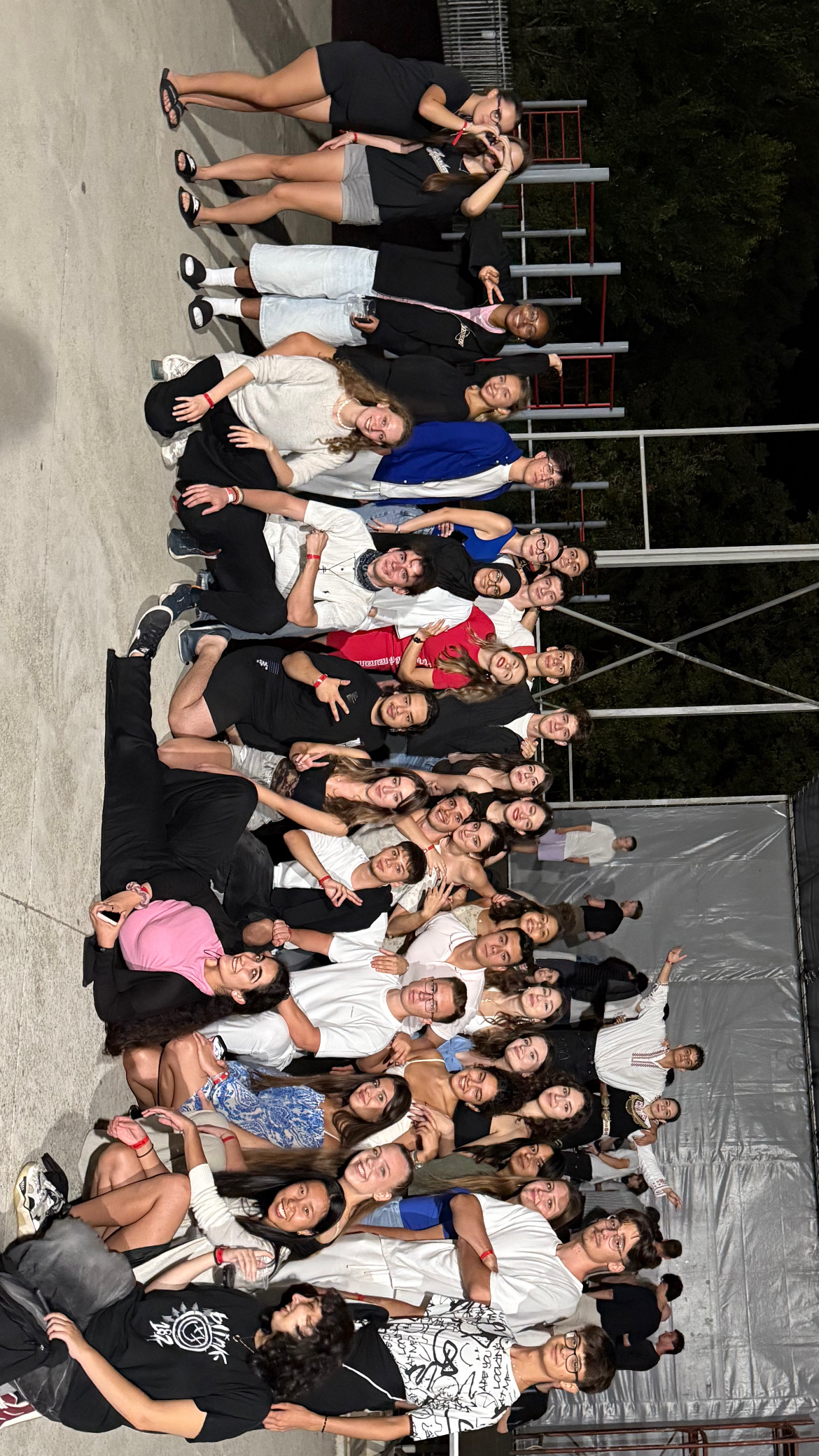
From 10 to 16 September 2025, young people from Türkiye, Bulgaria, Romania and Czechia came together in Obzor, Bulgaria, for an Erasmus+ project. Throughout the week, we worked on intercultural communication, youth work, leadership, volunteering, environmental awareness, digital tools and project development.
Before the project, I already had certain expectations about Erasmus+. Meeting people from different countries, speaking English, discovering a new culture and taking part in enjoyable activities were among them. As the project progressed, however, I realized that an Erasmus+ experience is much more than travelling to another country and meeting new people.
Non-formal education methods allowed us to learn by experiencing things directly. Sometimes we played a game, sometimes completed a mission and sometimes tried to reach a decision as a group. During the reflections afterwards, we realized that these activities actually had specific learning objectives involving communication, leadership, teamwork, problem solving or volunteering.
English was the common language of the project, so most of our everyday conversations took place in English. It was a valuable opportunity to improve my speaking skills. There were moments when I could not find the right word or had to repeat myself, but the more I continued speaking, the more I understood that making mistakes does not prevent communication.
Conversations with participants from Balkan countries such as Bulgaria and Romania also helped me notice cultural similarities with Türkiye. Similar words, common elements in food culture and familiar everyday behaviors stood out. While discovering different cultures, it was also interesting to see how close we actually were to one another.
Day One: Meeting Each Other and Leaving Our Comfort Zones
The first day began with activities designed to help us get to know one another. At first, everyone was somewhat cautious. People from different countries were sharing the same environment, but we did not yet know one another or know who we would communicate with most easily.
One of our first activities involved creating a dance movement connected to our names. We formed groups containing one person from each country. Everyone created a movement associated with their name and showed it to the group, and we then repeated the movements together.
It felt slightly unusual at first, but once everyone joined in, the atmosphere quickly changed and people began to feel more comfortable around one another.
We continued with energizers and a name quiz on the beach. Another particularly enjoyable activity was speed dating. The purpose was not romantic dating, but meeting as many people as possible in a short time. We spoke with each person for about two minutes before moving on to someone else.
This allowed us to speak with many participants in a very short period. Without the activity, we might naturally have stayed with just a few people from our own groups.
At the end of the day, we discussed the general rules of Erasmus+ projects and how we should treat one another and the environment around us throughout the project.
Day Two: Spider Web and Experiencing Leadership
We began the second day with the Spider Web activity. Ropes were tied between two poles to create a web, and every member of the team had to pass through a different opening without touching the ropes.
It initially seemed easy, but as the team grew, the challenge became more complicated. Everyone had different ideas about who should go first, which openings should be used and how we could help one another.
In the second part, the teams changed places and attempted to pass through the web created by the other group. We therefore faced a different structure and had to develop a new solution.
Afterwards, we reflected on leadership. We discussed the characteristics of a good leader as well as behaviors associated with poor leadership.
In the afternoon, we moved on to Mission Impossible. In mixed-country groups, we went into the center of Obzor and completed a series of missions.
We said funny expressions in one another's languages, taught a stranger how to say hello in four languages, asked local people about their favorite places in Obzor and recorded photos and videos while completing some of the tasks.
One of the best aspects was interacting directly with the city. Instead of staying within the project venue, we communicated with people in the streets of Obzor and experienced working as a team in a different environment.
In the evening, we watched the videos produced by each group. Seeing how differently every team had completed the same missions was especially entertaining.
Day Three: Exploring Youth Work
We began the third day by exploring formal, non-formal and informal education and developing examples of each from everyday life.
This was particularly relevant to Erasmus+, as much of our learning throughout the project was based on non-formal methods. Instead of simply listening to presentations, we learned through games, teamwork, discussions and practical activities.
We then divided into national groups and evaluated youth work in our own countries. We discussed the positive and negative situations young people face, the opportunities currently available to them and areas where more work is needed.
This gave us an opportunity to compare the challenges facing young people in different countries. Although each country had its own circumstances, we noticed that some problems were shared.
In the afternoon, we formed international groups and discussed how youth work could reach more young people, particularly those from minority groups or those who have difficulty accessing youth activities.
We developed activity ideas and presented them on stage. This required us to consider not only the activity itself but also its target audience, their needs and how the activity could realistically be implemented.
We also discussed the use of internet memes in youth work. Communication among young people is constantly changing, and we considered why understanding the communication tools they use is important when trying to reach them.
In the evening, we joined Bulgarian Cultural Night and discovered Bulgarian food, music and traditions, including an entertaining experience of a traditional Bulgarian wedding.
Day Four: Communicating Without Words
The fourth day focused on communication. We began by exploring non-verbal communication and tried to express ideas without using words.
We experienced how important tone of voice, facial expressions and body movements can be. It was also interesting to see how people from different countries interpreted the same gestures or expressions.
We then worked in groups to explain a film in thirty seconds while using as few words as possible. Reducing our use of language meant relying more heavily on body language and creativity.
Afterwards, we completed a marketing activity. We selected a random object, created a short advertising message and recorded a commercial for it.
The activity was both entertaining and creative. We discovered that promoting a product does not always require long explanations and that short, well-chosen messages can also be effective.
In the evening, we held an Intercultural Night. We introduced food and drinks from Türkiye and shared stories about our country.
Day Five: Digital Tools and Volunteering
On the fifth day, we explored digital tools that can be used in Erasmus+ projects and youth work. We discussed different applications and the purposes they can serve.
We saw again that digital tools are not limited to social media or everyday communication. They can also be used to plan projects, communicate within teams, produce content, prepare presentations and reach young people.
Participants involved in volunteering then shared their own experiences, explaining which organizations they worked with, what activities they took part in and how volunteering had influenced their lives.
Listening to volunteering experiences from different countries was valuable. Although volunteering can take different forms in different places, the desire to contribute to society lies at its core.
Later, we formed groups and designed our own organizations. We planned our work according to SMART objectives, considering how goals should be specific, measurable, achievable, relevant and time-bound.
We also used the KISS approach to keep our objectives simple and clear, and NAOMIE to plan needs, aims, objectives, methods, implementation and evaluation.
Day Six: Culture and Environment in Nessebar
On the sixth day, we took a cultural trip to Nessebar and had the opportunity to discover its historical and cultural character.
We did not want the trip to be purely cultural, however. We were also given an environmental mission: to observe recycling areas, green spaces, piles of waste and signs of environmental pollution.
We photographed what we saw, which encouraged us to pay closer attention to environmental problems we might normally walk past without noticing.
It was important to see that environmental awareness is not limited to theoretical discussions. Observing a city's environment, recognizing problems and making them visible can also be part of the learning process.
Day Seven: Reflection and Future Plans
On the final day, we looked back at the activities we had completed and reflected on what we had learned throughout the week.
We discussed our future plans and whether the ideas we had developed could be implemented during the following year. We considered which resources we would need and who we could collaborate with.
This was one of the most important parts of the project for me because we did not simply learn new things. We also began thinking about how we could use what we had learned afterwards.
I realized that learning does not end when an Erasmus+ project finishes. Communication methods, approaches to leadership and project development techniques can continue to be used in our own lives and in youth work.
In the evening, we received our Youthpass certificates and said goodbye to the people with whom we had shared the week.
What Did This Project Give Me?
Looking back on Obzor, communication stands out as one of my most important gains. I noticed that I became more comfortable expressing myself in larger groups.
I was more reserved during some of the first activities, but gradually began speaking more. I feel that I improved at sharing ideas, listening to others and reaching shared decisions.
Speaking English every day with people from different countries was also very different from studying the language theoretically. Sometimes I struggled to find the right word, but I continued communicating, which made me more comfortable with making mistakes.
I also gained important experience in leadership. I learned that leadership is not only about directing a group. A good leader needs to listen, take responsibility when necessary, consider different ideas and help the group move forward together.
Group work was not always easy. In groups of 10-12 people, everyone could have a different idea and decision-making sometimes became difficult. At the same time, this taught us patience, listening and how to find common ground.
Some tasks initially seemed as if they were designed only for entertainment. Through the reflections afterwards, however, we recognized the learning objectives behind them.
What I Took Home from Obzor
This project was not simply a week spent in Bulgaria. Living and working with people from different countries, sometimes struggling to agree, sometimes laughing at the same things and eventually creating a shared experience was valuable to me.
We discovered different cultures, spoke English, met new people, worked in groups, explored cities, reflected on leadership, discussed youth work, shared volunteering experiences, used digital tools and looked at environmental problems from a different perspective.
Most importantly, we saw that our differences did not prevent us from communicating. We could speak different languages and still laugh at similar things. We could come from different countries and discuss similar problems. We could have different cultures and still create something together.
I left Obzor with more than a Youthpass certificate and photographs. I left realizing that I could express myself more comfortably, communicate more easily with different people and take a more active role within a group.
My week in Obzor remains in my memory as a strong example of learning, communicating and creating together. Seeing people from different countries create a shared learning environment in such a short time reminded me once again why Erasmus+ projects can be so valuable.
Digital and Eco-Friendly Leadership for Young Changemakers Erasmus+ Project Participant Yücel Cultural Foundation Youth Page Erasmus+ Experience Stories