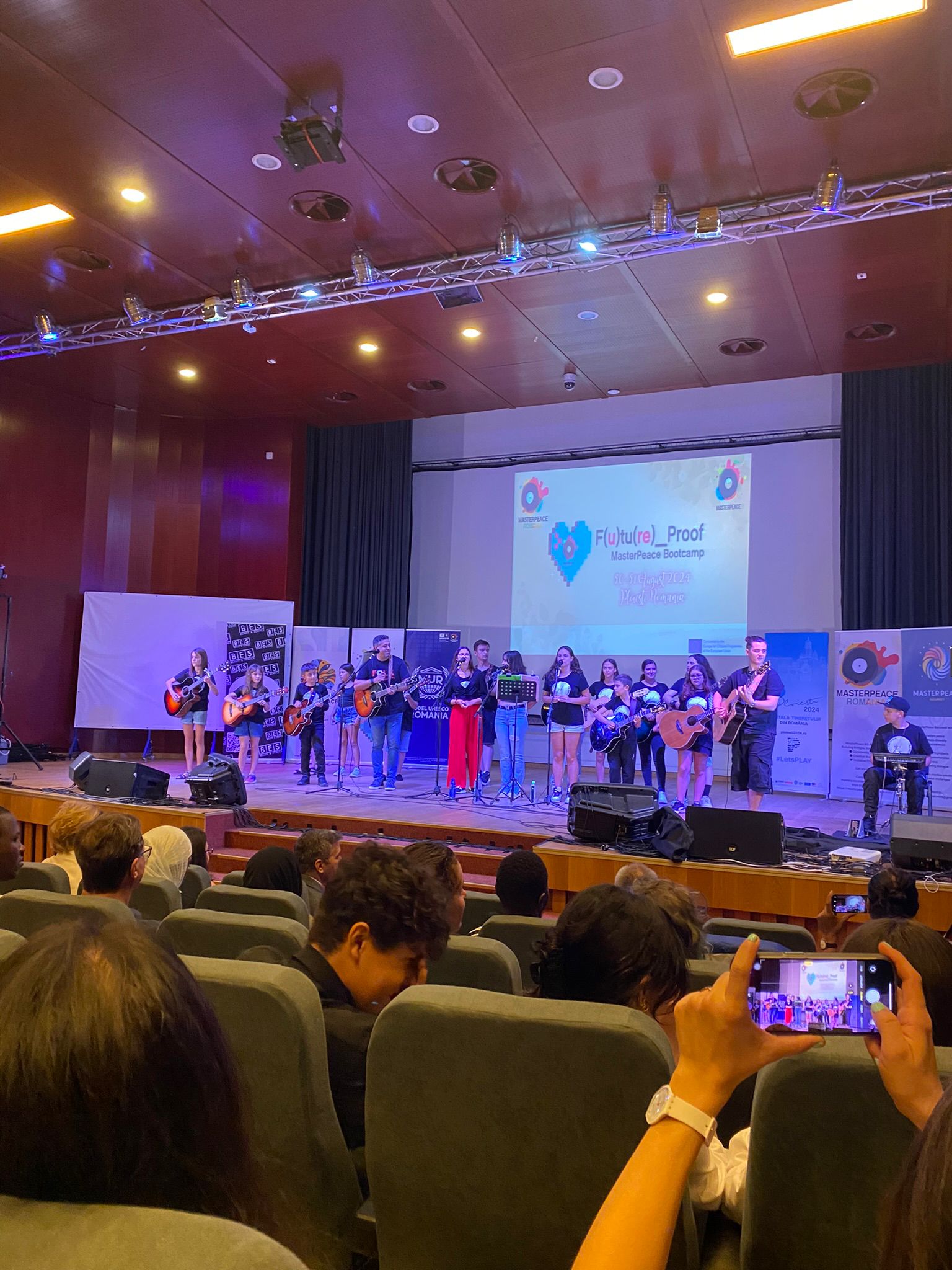
In Romania Through the Unifying Power of Music: Social Inclusion for New Generations
Social Inclusion Next Generation 3.0 in Câmpina became an Erasmus+ journey in which I experienced how music can create common ground against the distance caused by differences and discrimination. While communicating with people from different cultures, I reconsidered not only social inclusion but also my own limits and the way I collaborate with others.
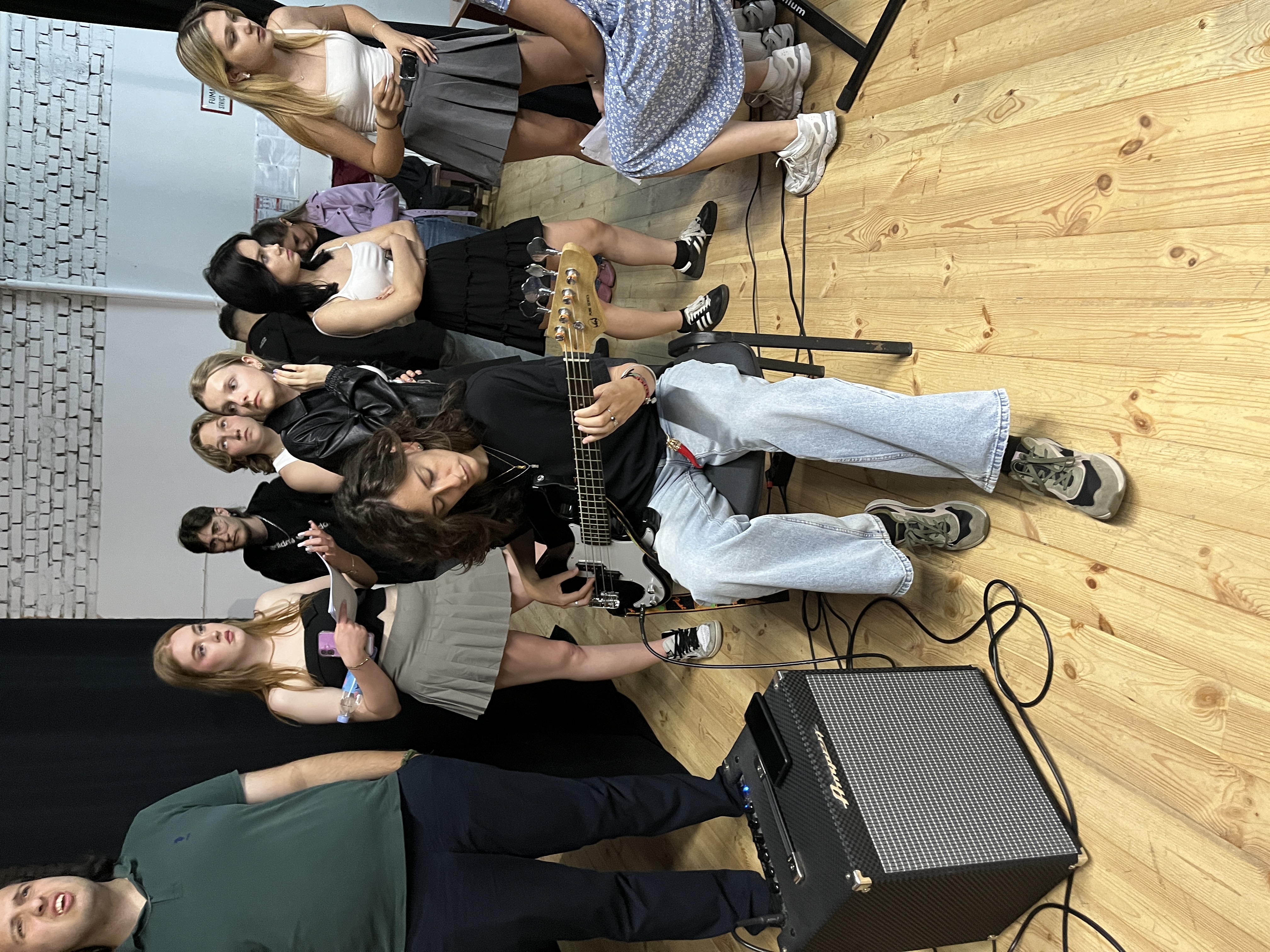
For me, Erasmus+ projects mean much more than seeing a new country or meeting different people. Each project creates a new space of experience that allows me to look at myself and the world around me from a slightly different perspective.
Social Inclusion Next Generation 3.0 became exactly that kind of experience.
Held in Câmpina, Romania, the project was built around the idea of using the unifying power of music to respond to the distance that differences and discrimination can create between people and to bring individuals together on common ground.
Working on music, culture, communication and social inclusion with participants from different countries was highly educational for me.
My First Step into Câmpina
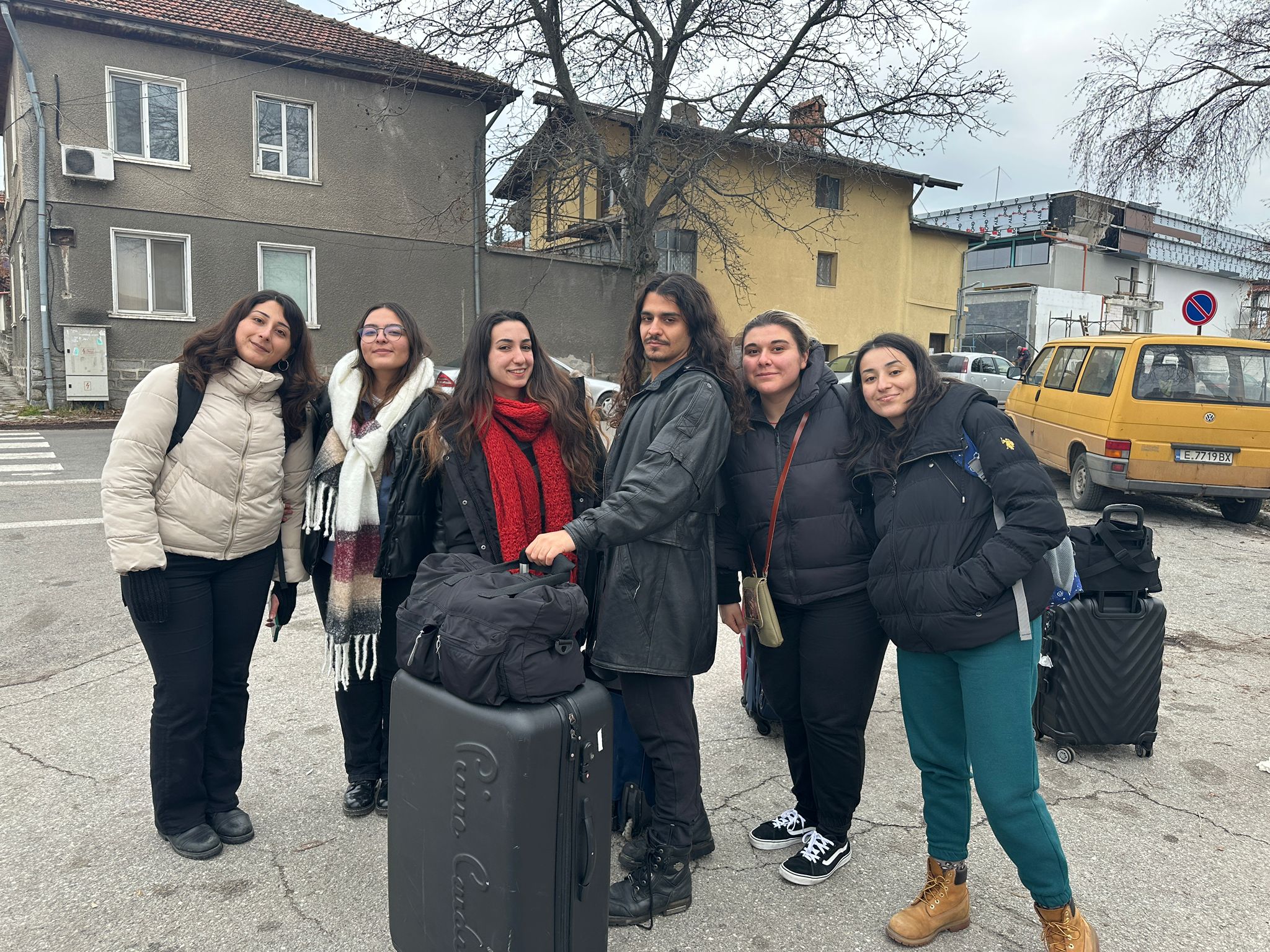
We arrived in Bucharest around midday and travelled from there to Câmpina by train. During the journey, I began to feel the excitement of seeing Romania for the first time and knowing that we would spend the coming days there.
The project team welcomed us in Câmpina and took us to our hotel. We spent the rest of the day resting after the journey.
Having a quieter first day gave us time both to recover and to prepare for the intensive programme ahead.
Finding a Common Language
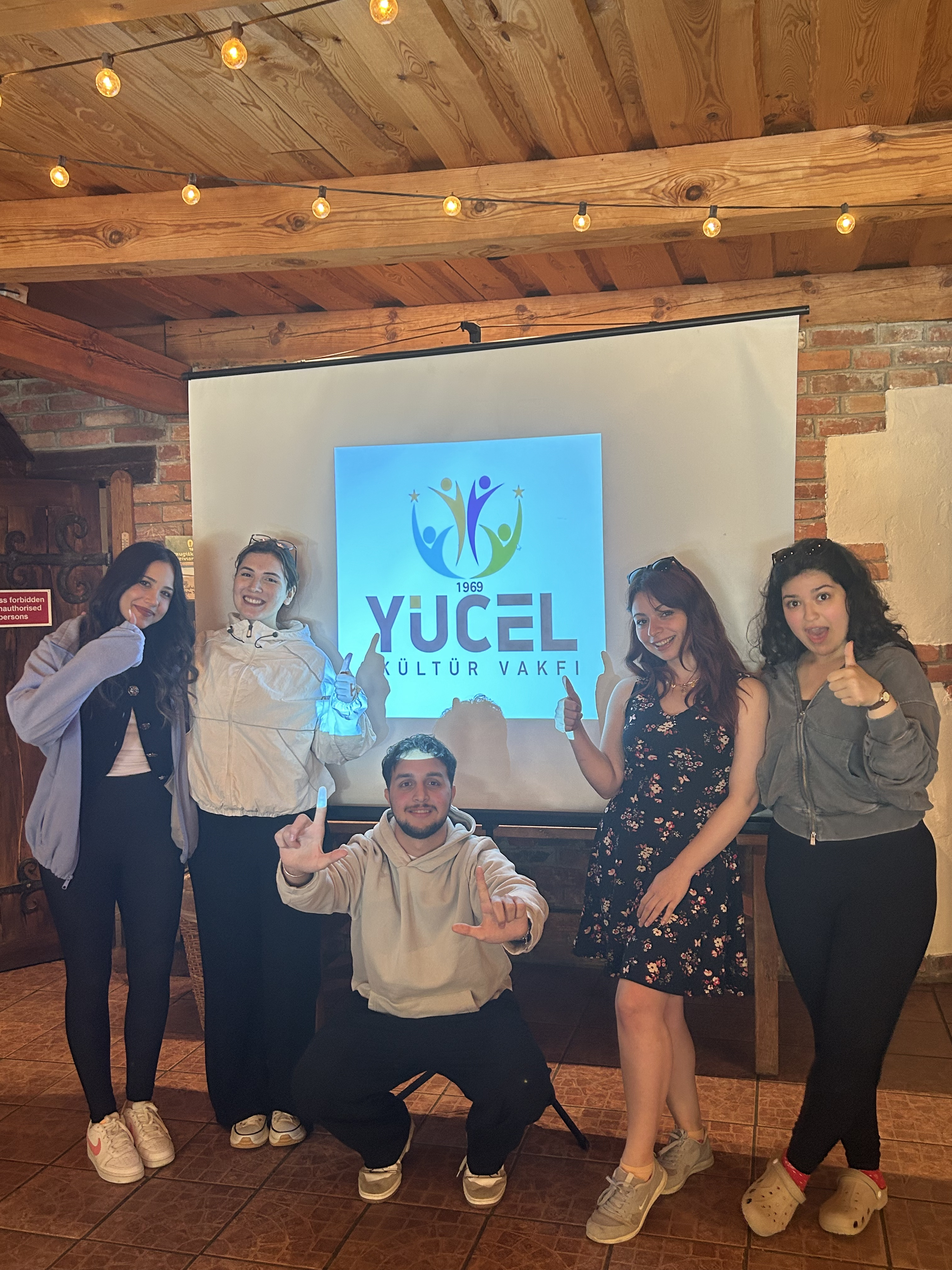
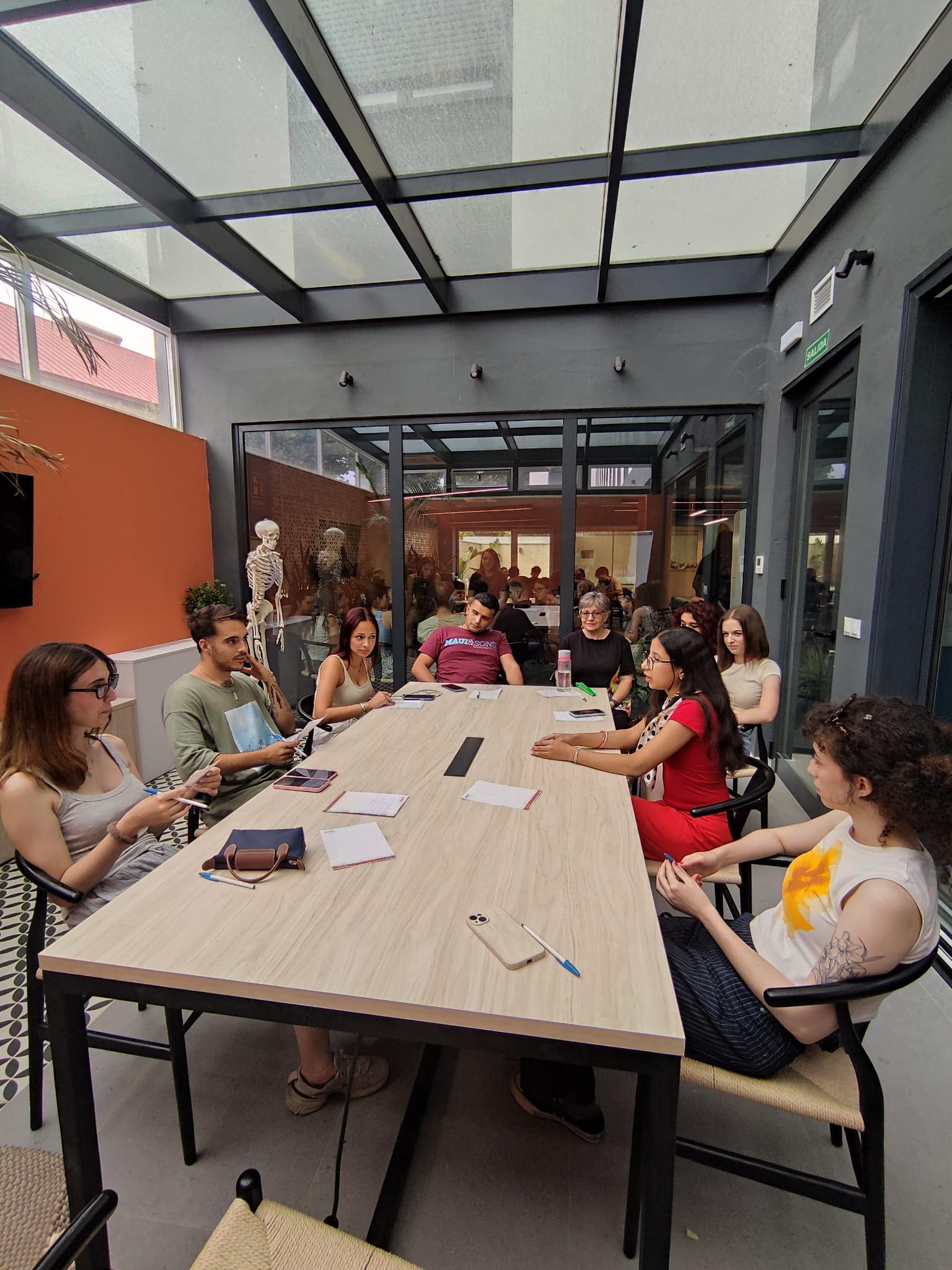
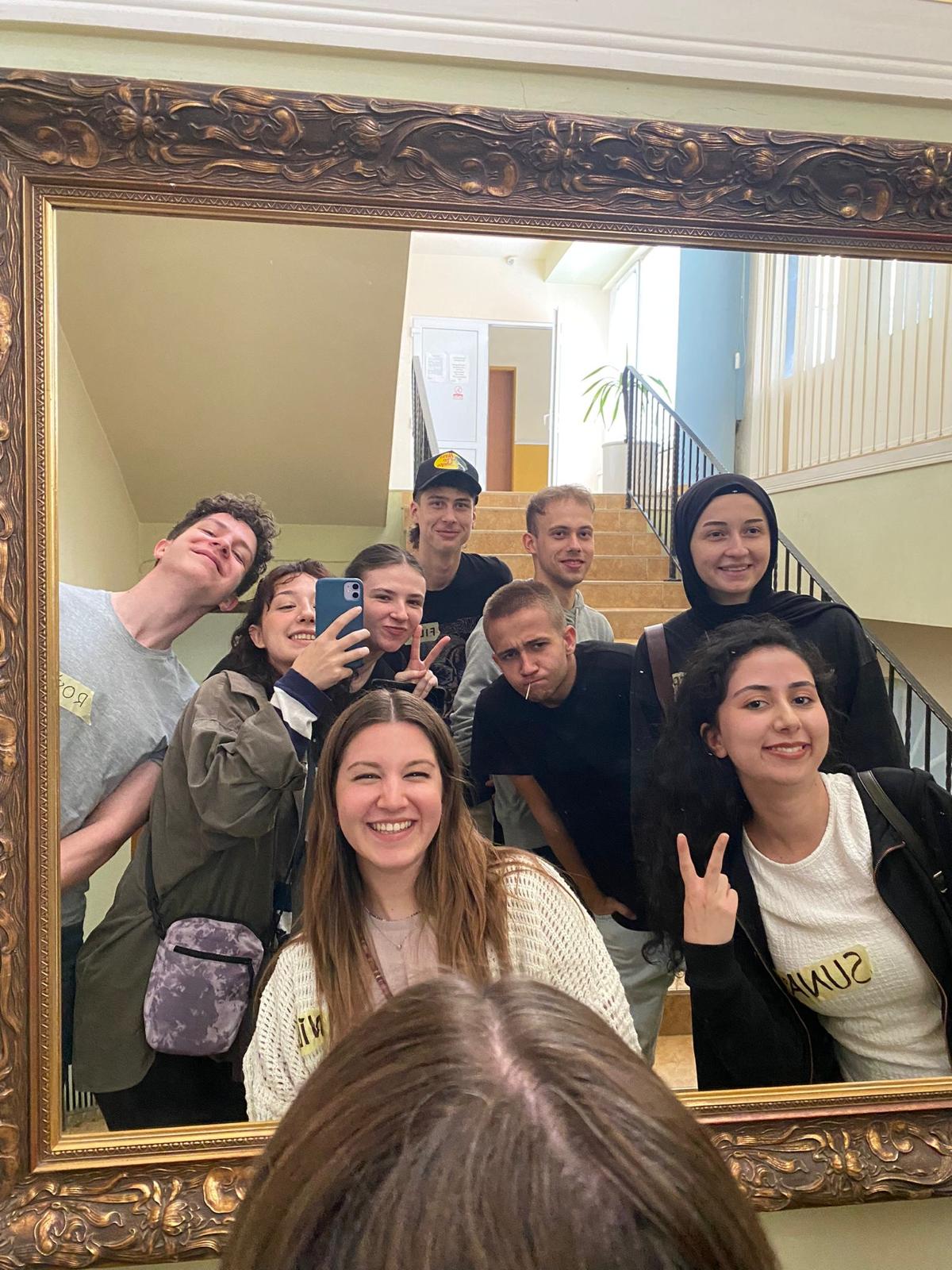
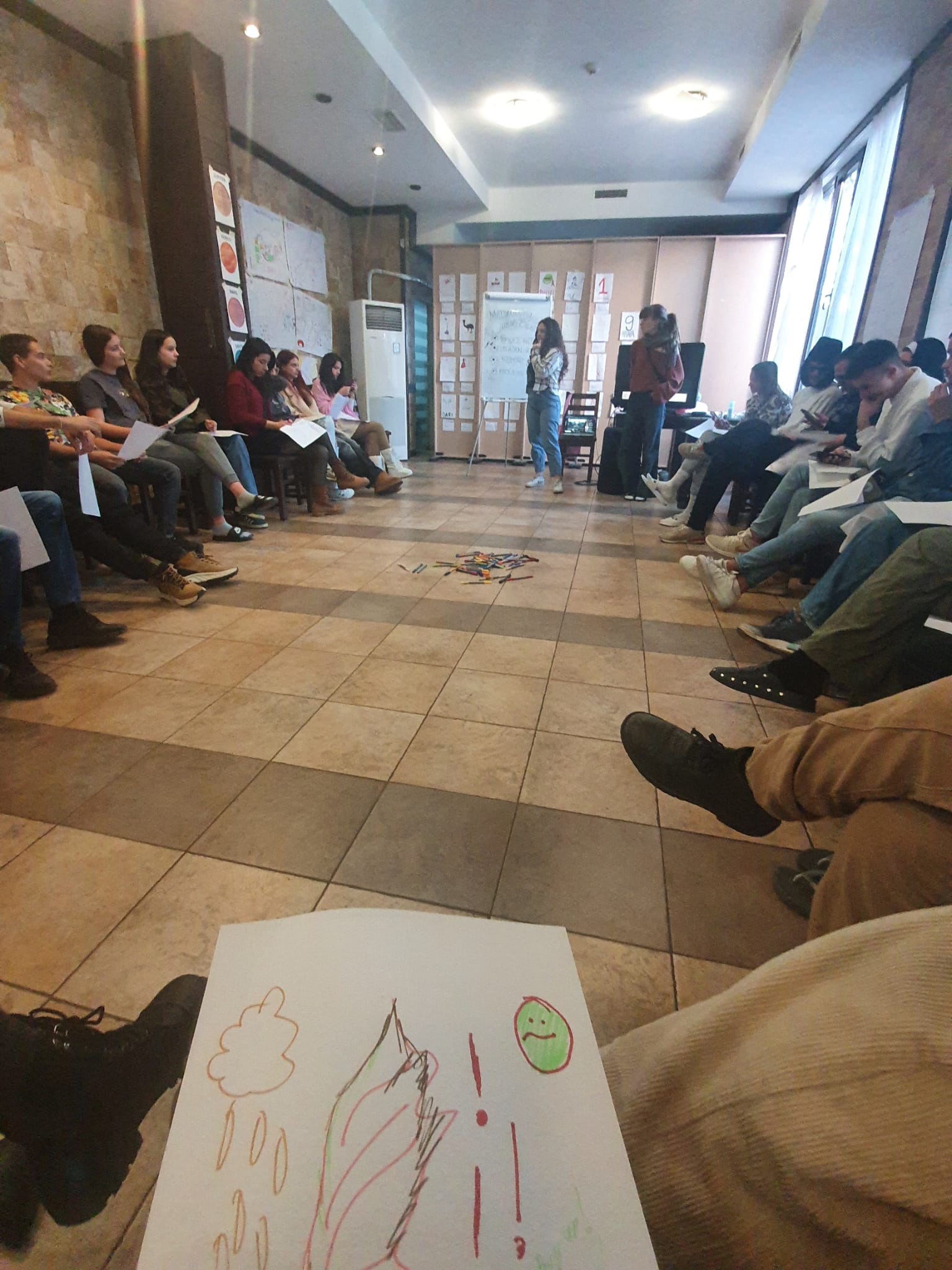
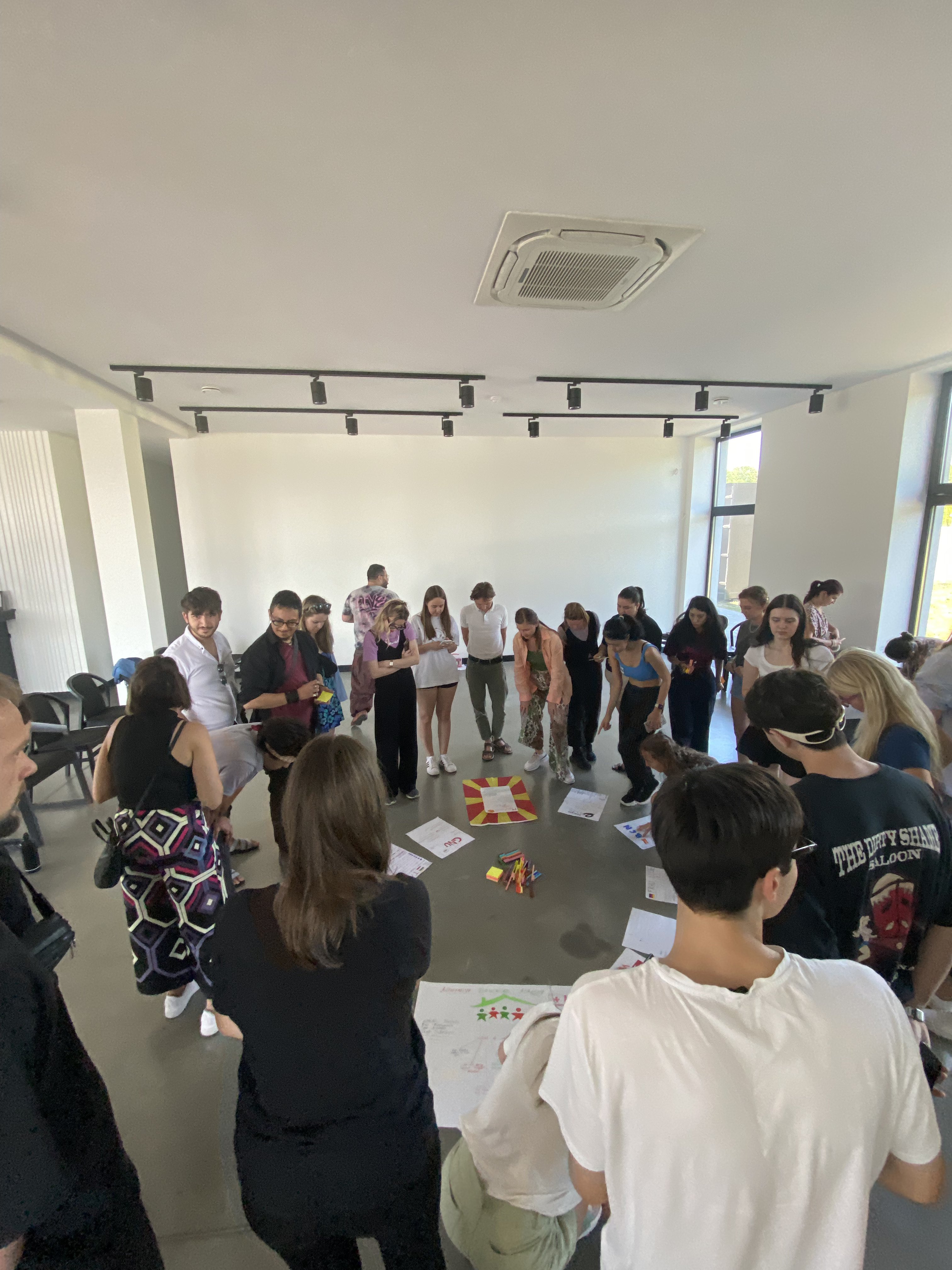
On the second day, we met the other participants and began the planned project activities.
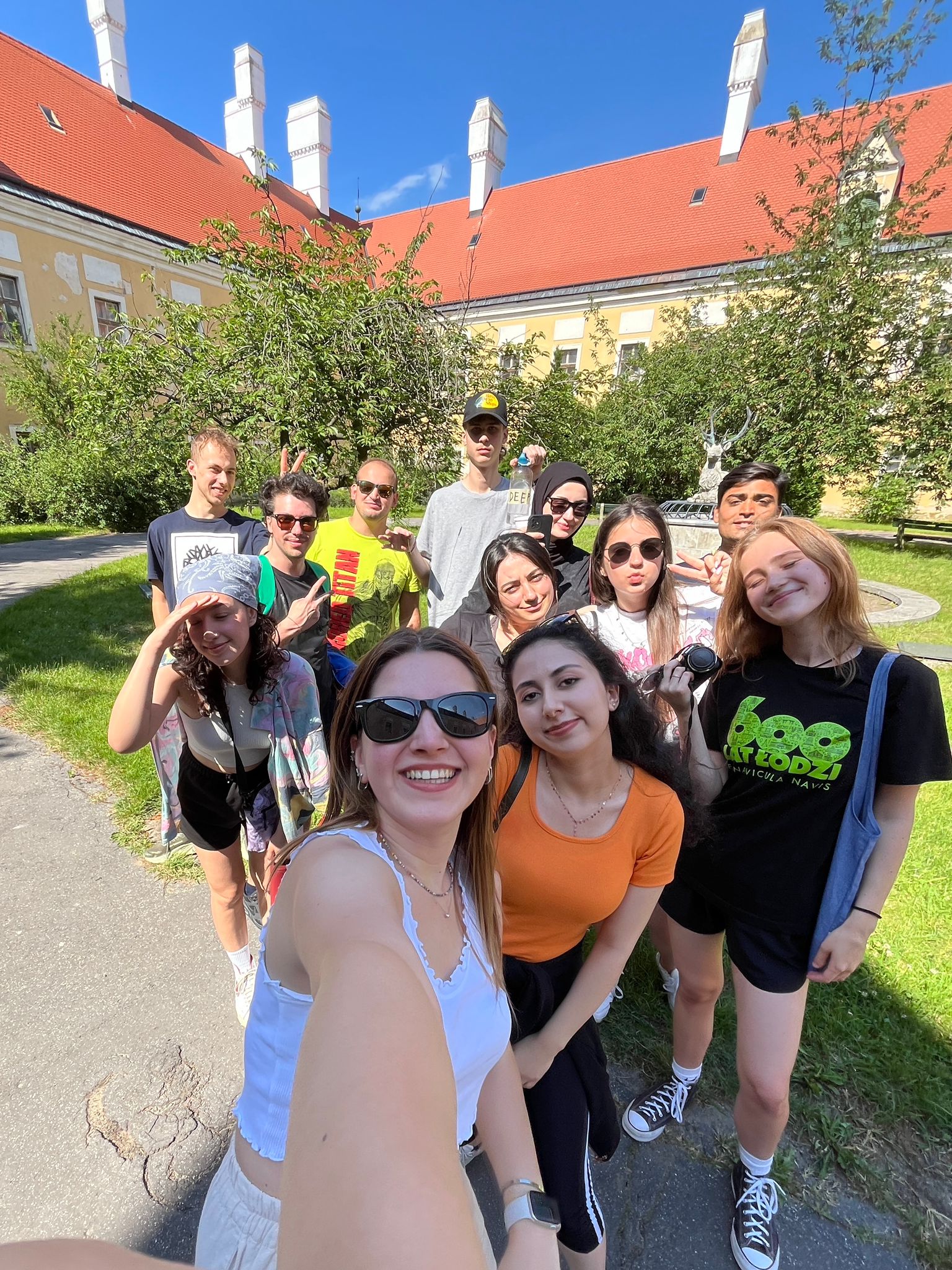
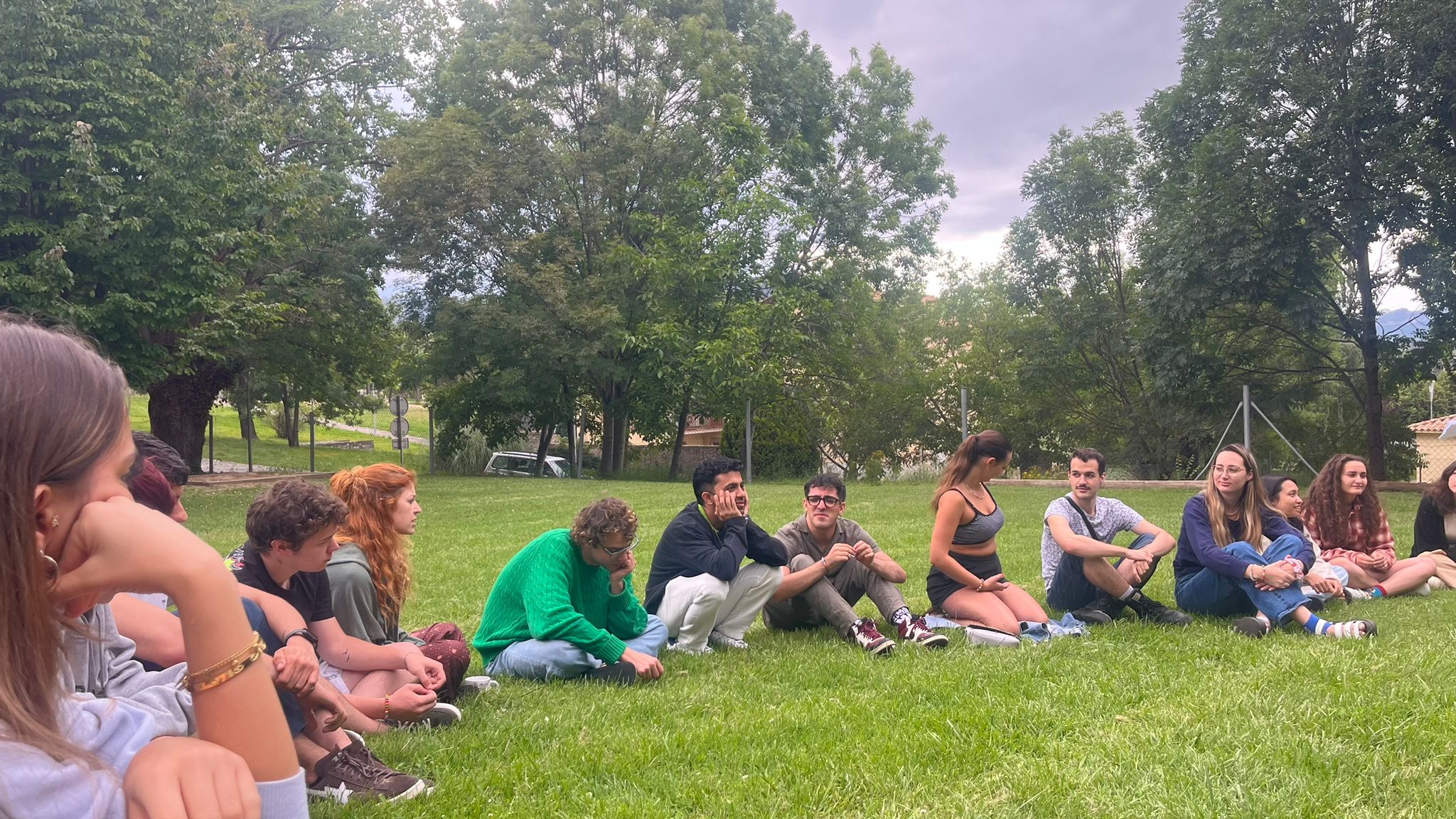
Bringing people from different countries into the same environment is one of my favourite aspects of Erasmus+ projects. During those first encounters, you immediately notice that everyone has a different language, culture and way of communicating.
Yet as time passes, you begin to find common ground.
There were moments when I struggled to find the right word or had to express an idea in another way. I realized that this was not a weakness but a natural part of learning.
Discovering Different Perspectives
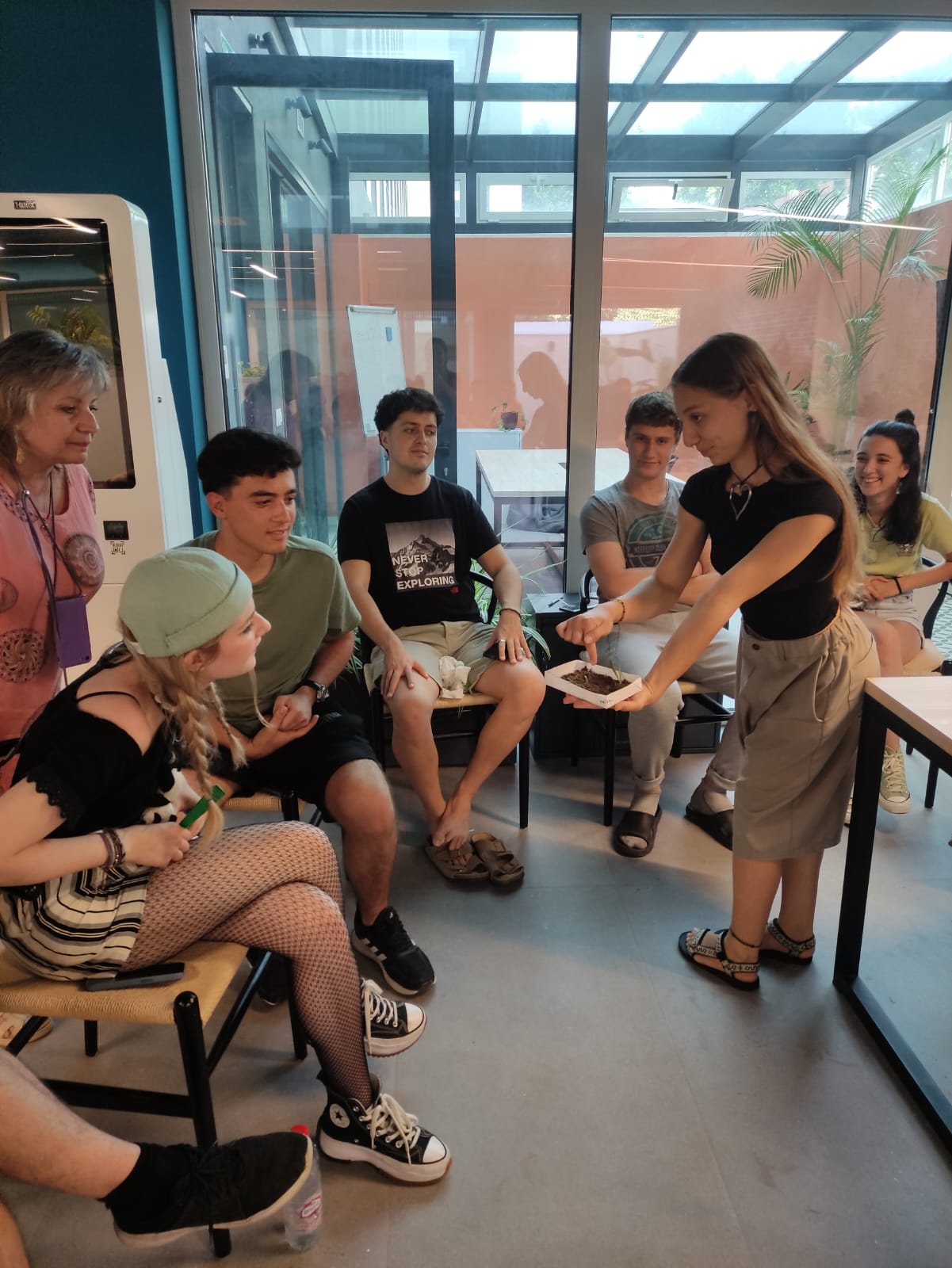
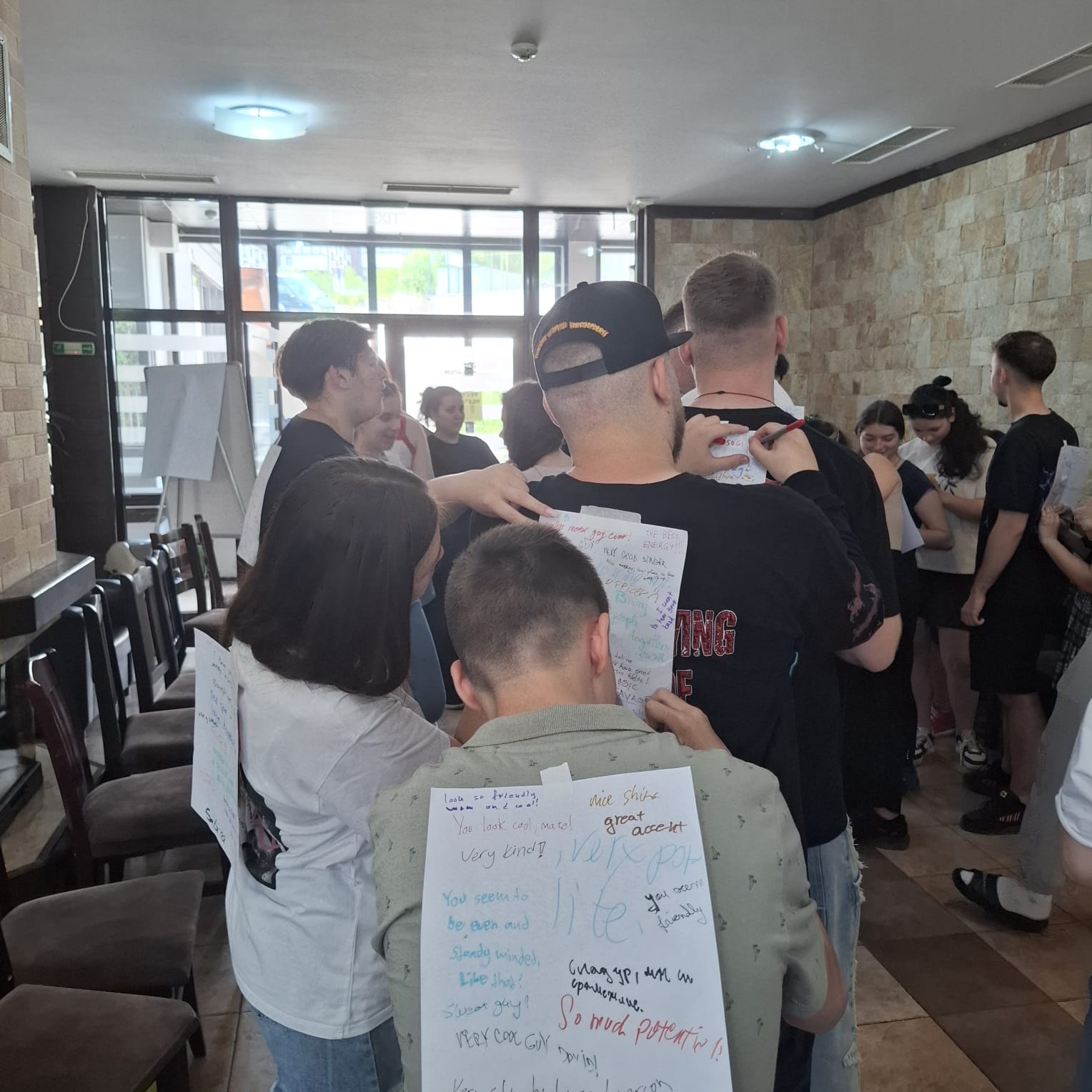
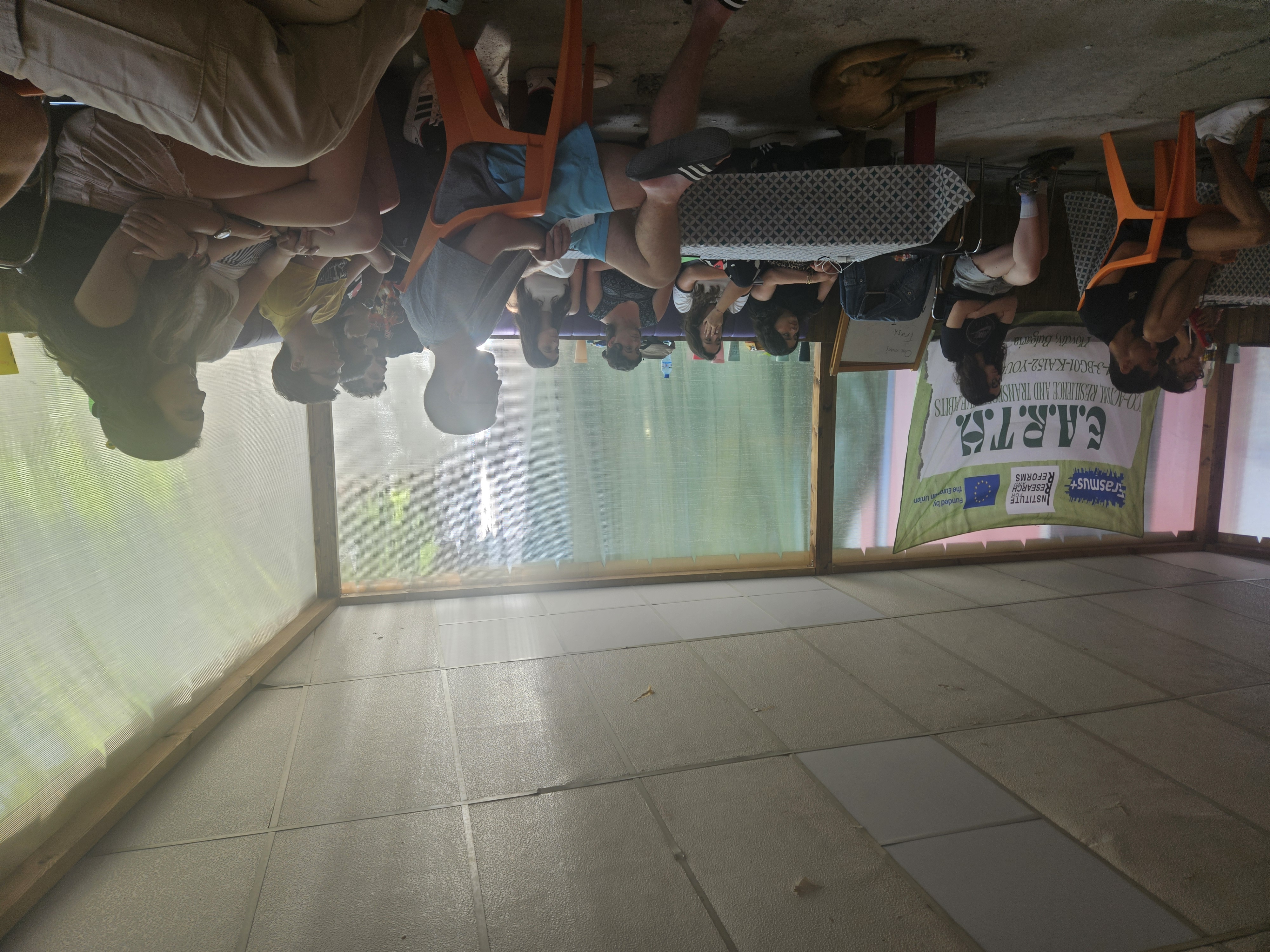
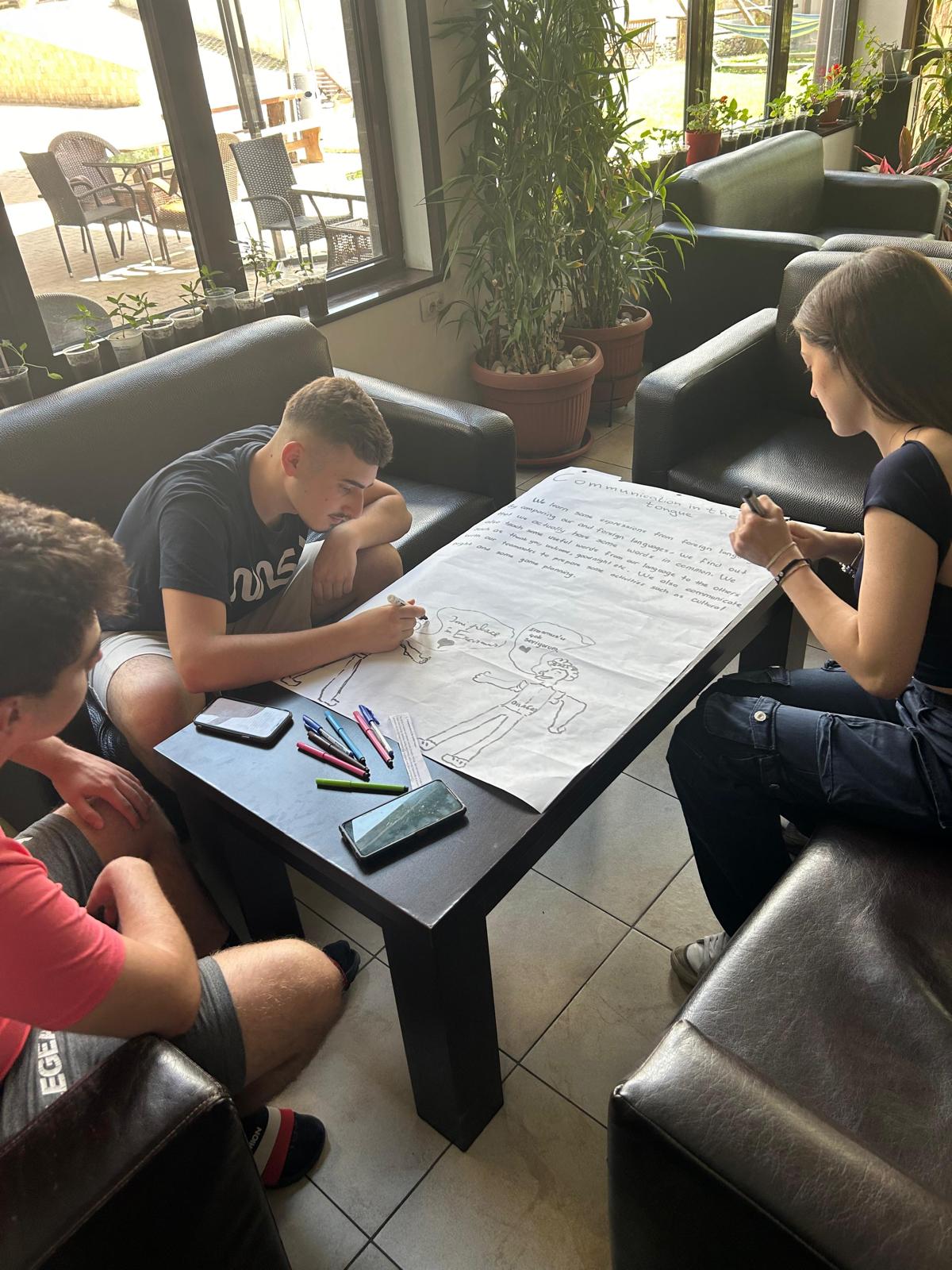
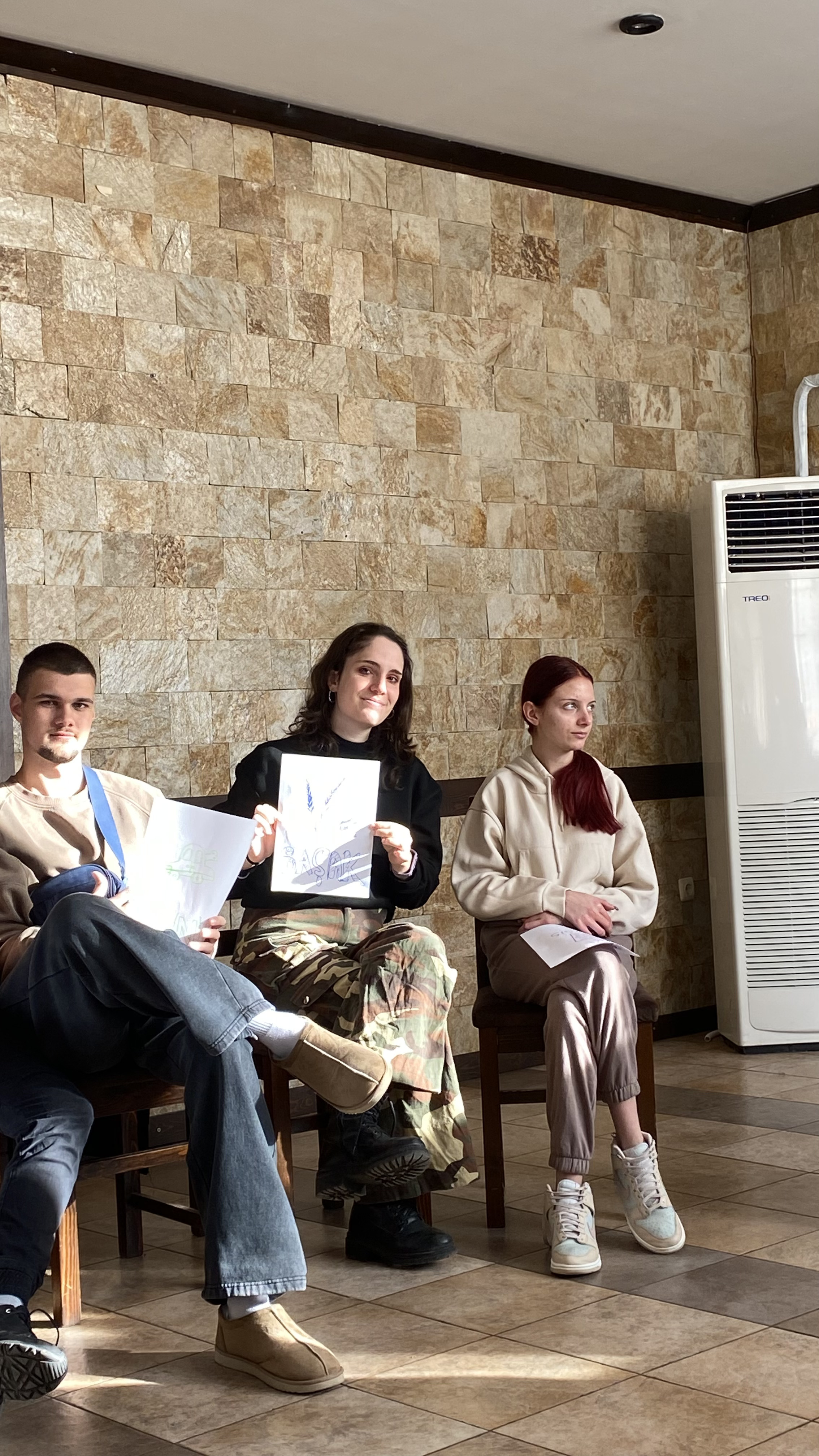
As the activities and presentations continued, we explored the project's central themes of social inclusion and discrimination.
It was valuable to see how people from different countries could approach the same subject in very different ways. Something that might seem ordinary in one person's daily life could represent a significant experience of discrimination for someone else.
This taught me that I cannot understand a subject fully by looking only at my own experiences.
People's environments, cultures and opportunities shape their perspectives. Listening to others and trying to understand their experiences also encouraged me to reconsider my own ideas.
Expanding the Boundaries of Communication
Sharing the same environment with people from different cultures is not always easy. Differences in language, communication styles and personal habits can sometimes create small misunderstandings.
Experiencing these situations taught me to become more patient.
I realized that I did not have to understand everything immediately or communicate with everyone in exactly the same way. Sometimes listening, asking again or trying a different way of explaining something was enough.
Looking Behind European Union Projects
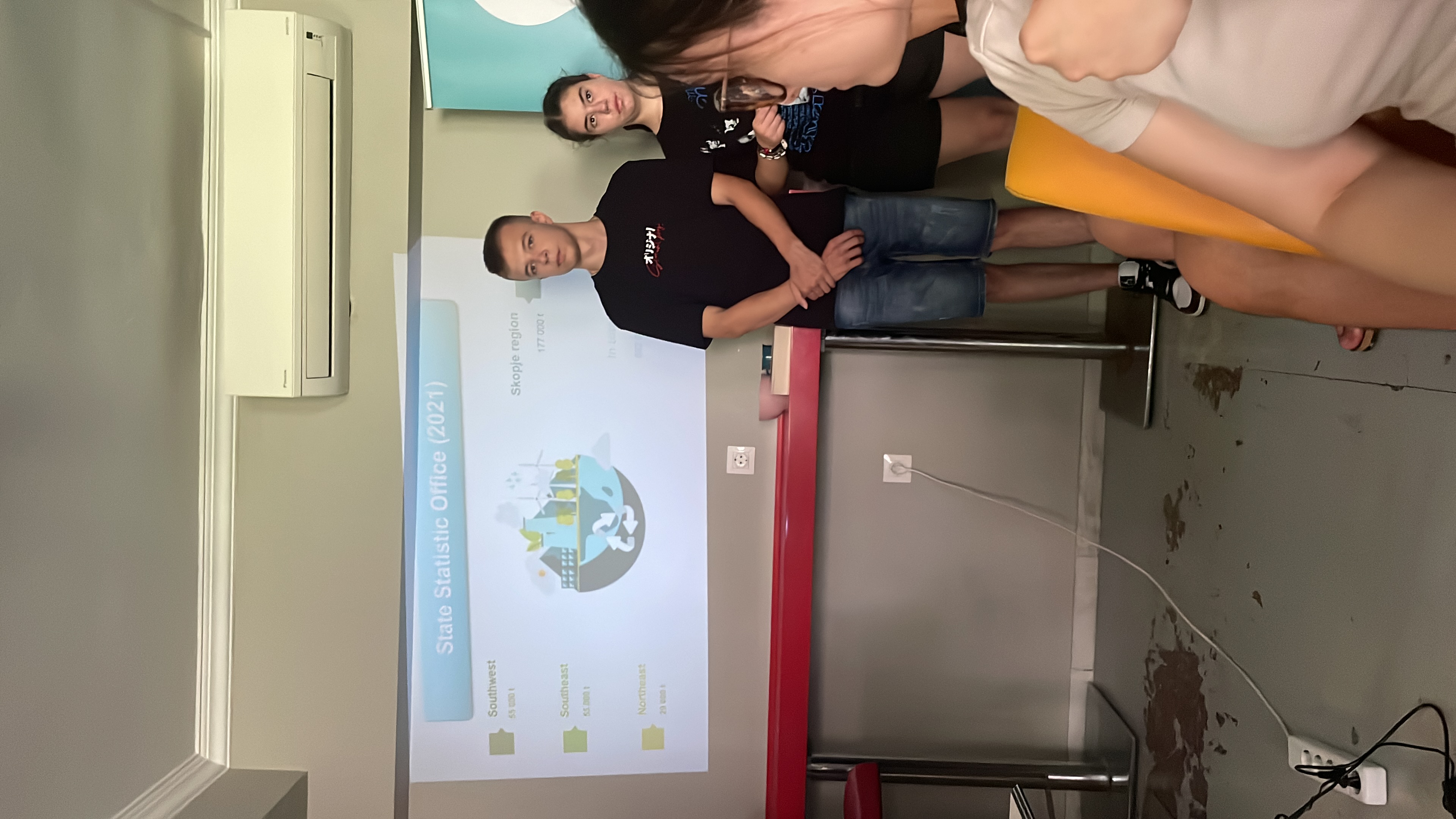
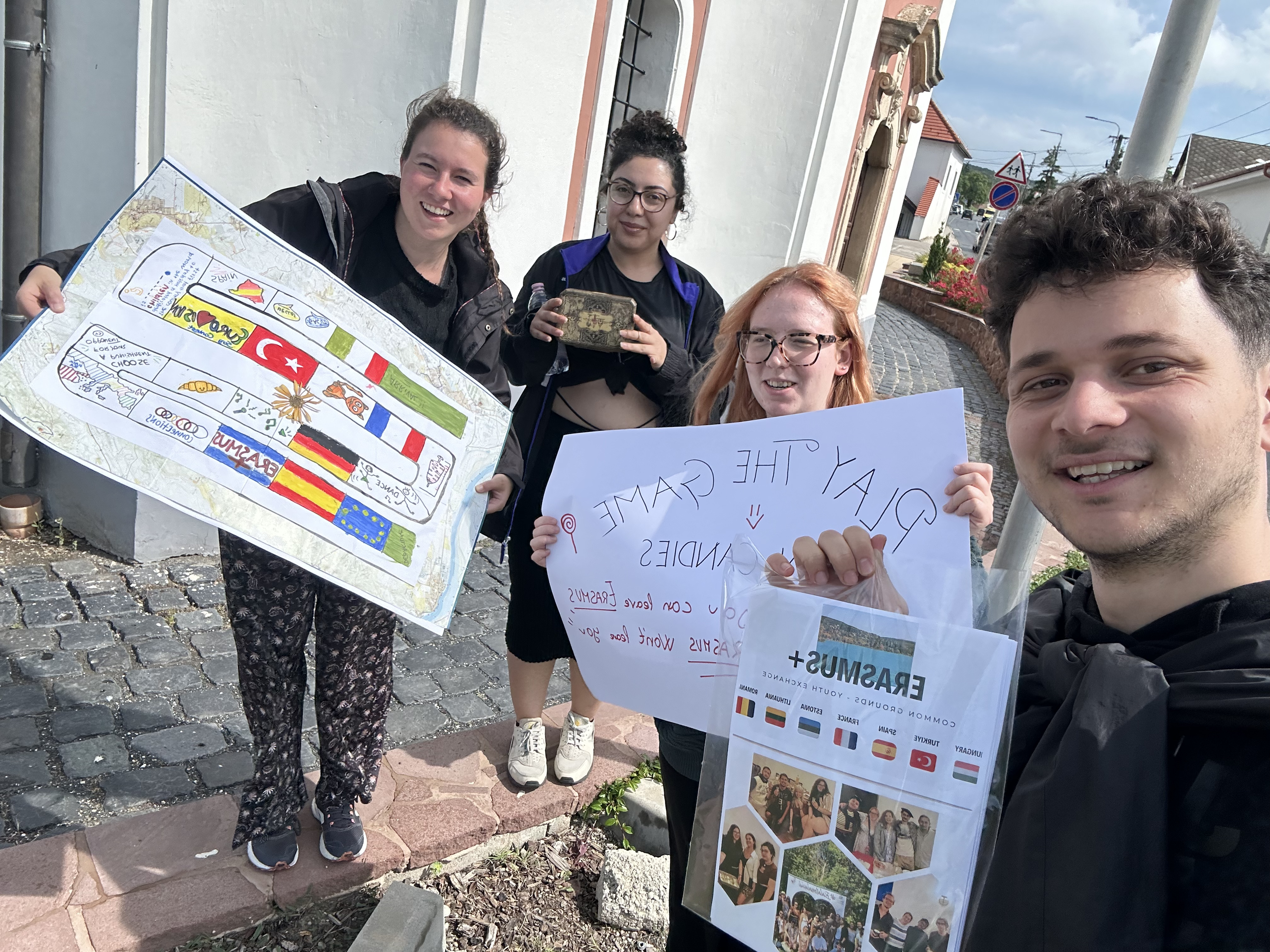
While preparing for our Bucharest visit, we also gave presentations about European Union projects.
As someone participating in Erasmus+, it was important for me to think about these projects not only from the participant's perspective but also in terms of how they are developed and how they create opportunities.
I understood more clearly that a project is not simply a collection of activities lasting several days. Behind it are needs, objectives, partners from different countries, participants and intended outcomes.
Bucharest and the European Union House
We finally made our much anticipated trip to Bucharest. Leaving Câmpina, discovering Romania's capital and spending time with project friends in a different environment gave us fresh energy.
One of the important stops was the European Union House, where we learned more about the EU's work and projects.
Thinking about the opportunities that programmes such as Erasmus+ offer young people, I saw how this visit was connected to the project's central idea.
Social inclusion is not simply something discussed during a workshop. Projects that allow different people to meet, understand one another and create together are themselves an important part of inclusion.
Learning Culture from People
As we began preparing for the cultural evening, our other project activities also continued.
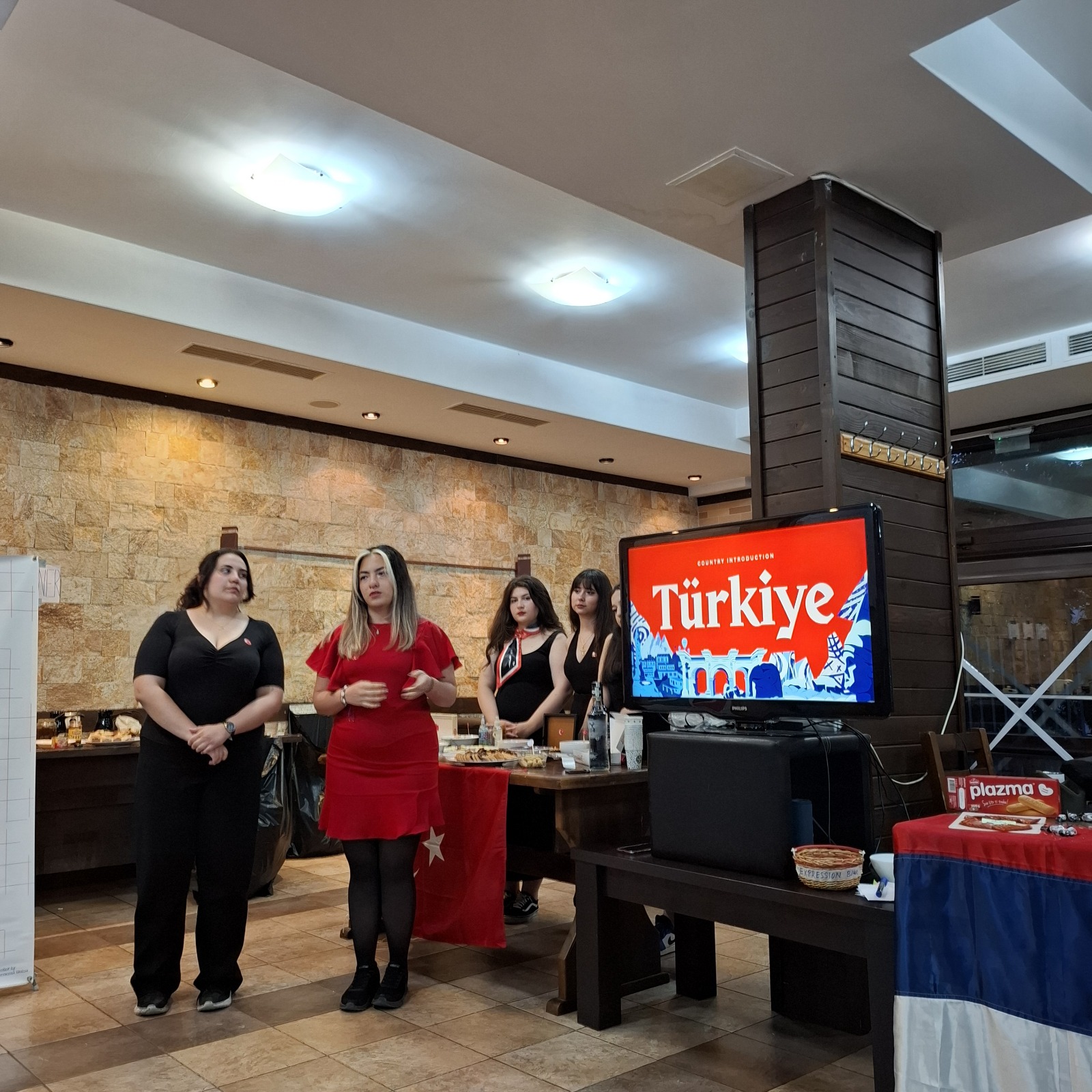
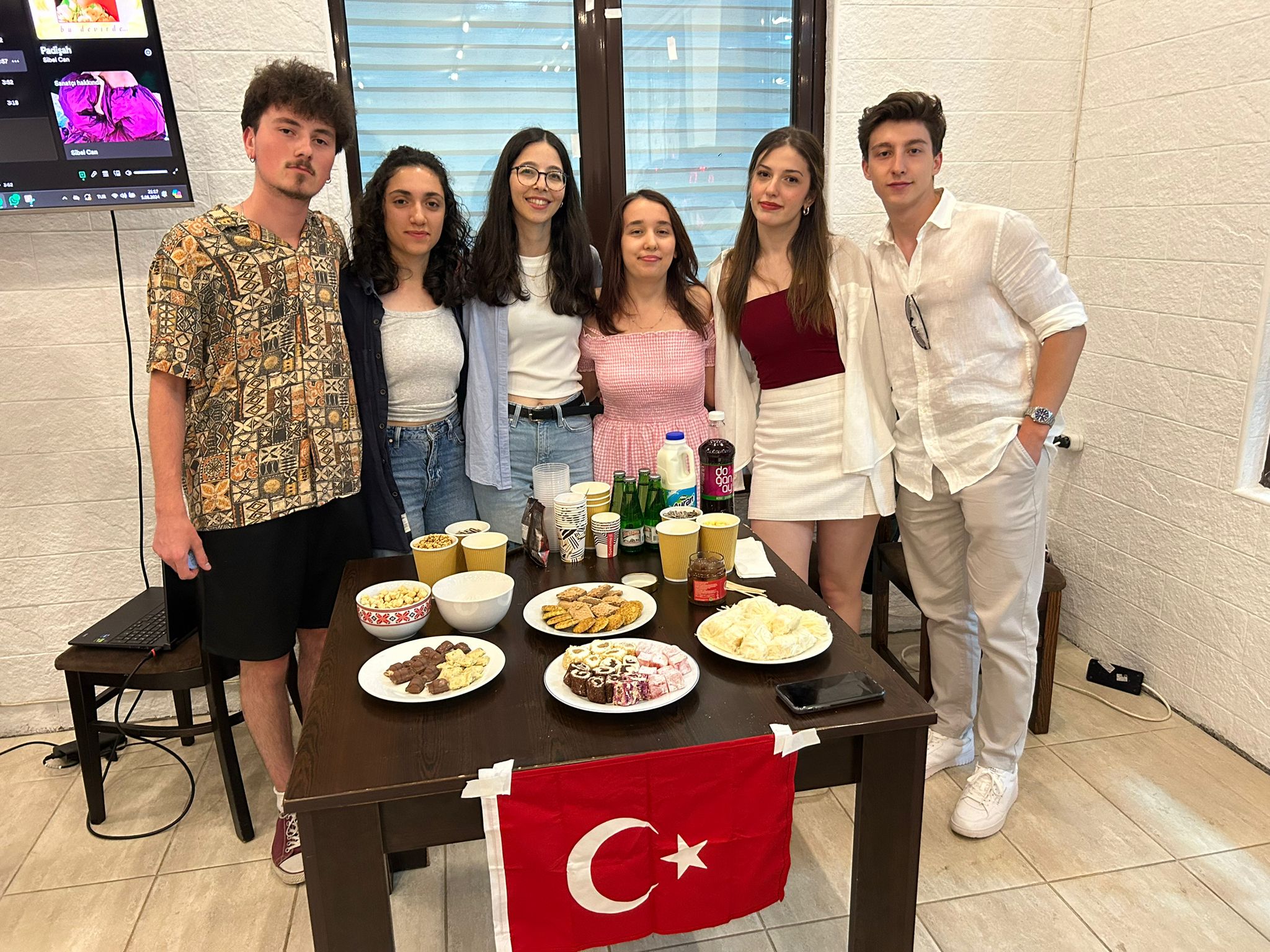
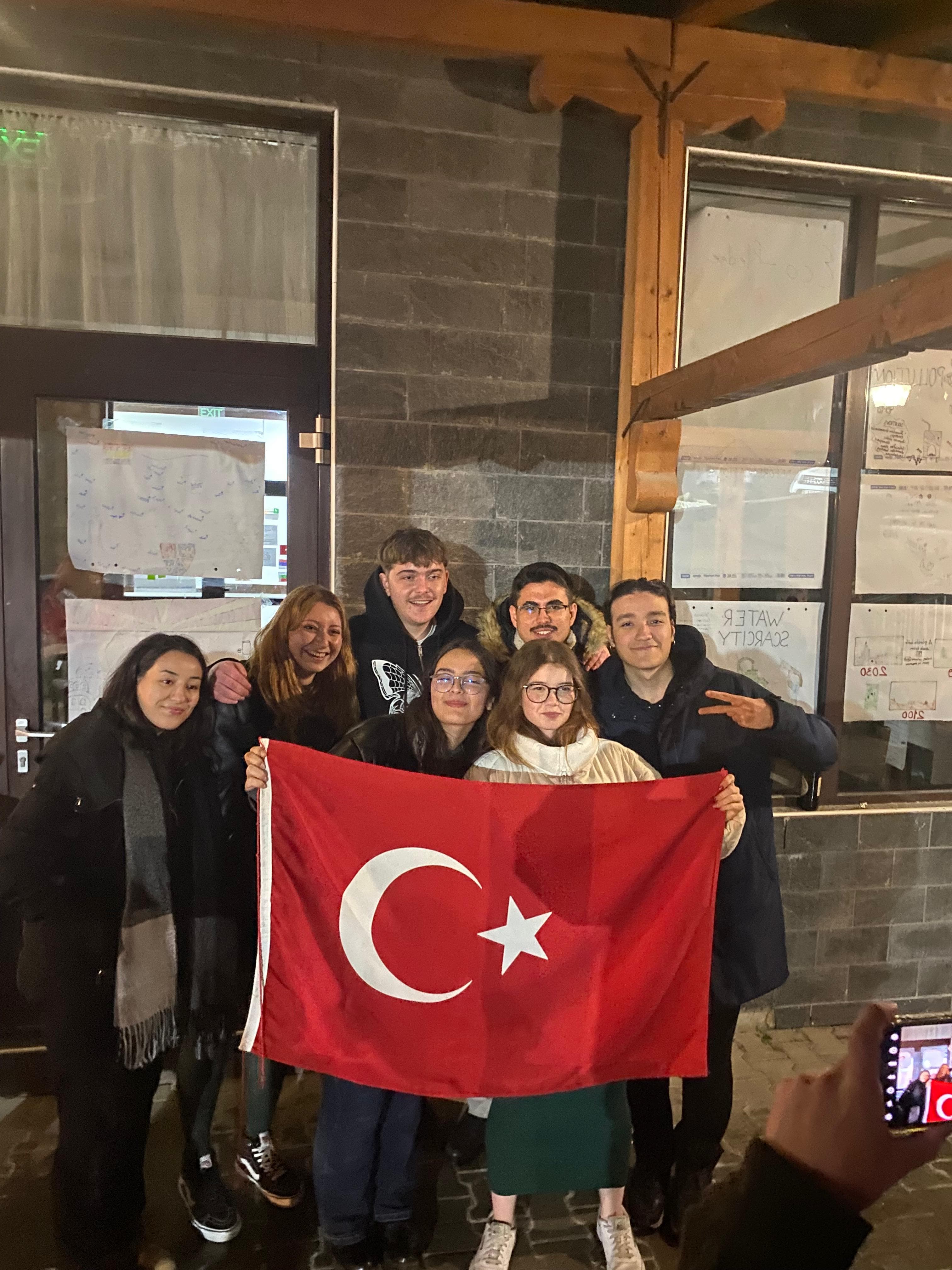
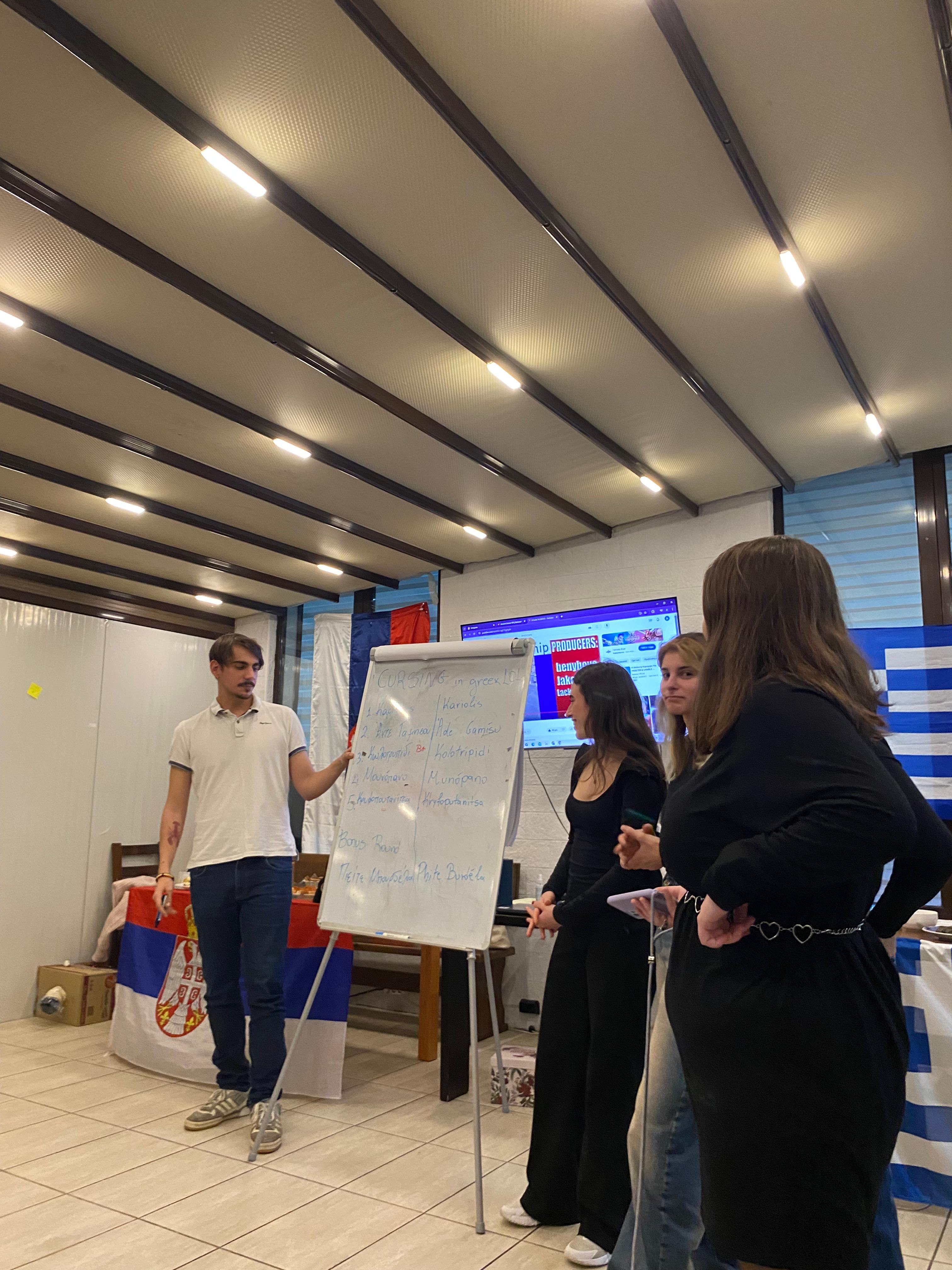
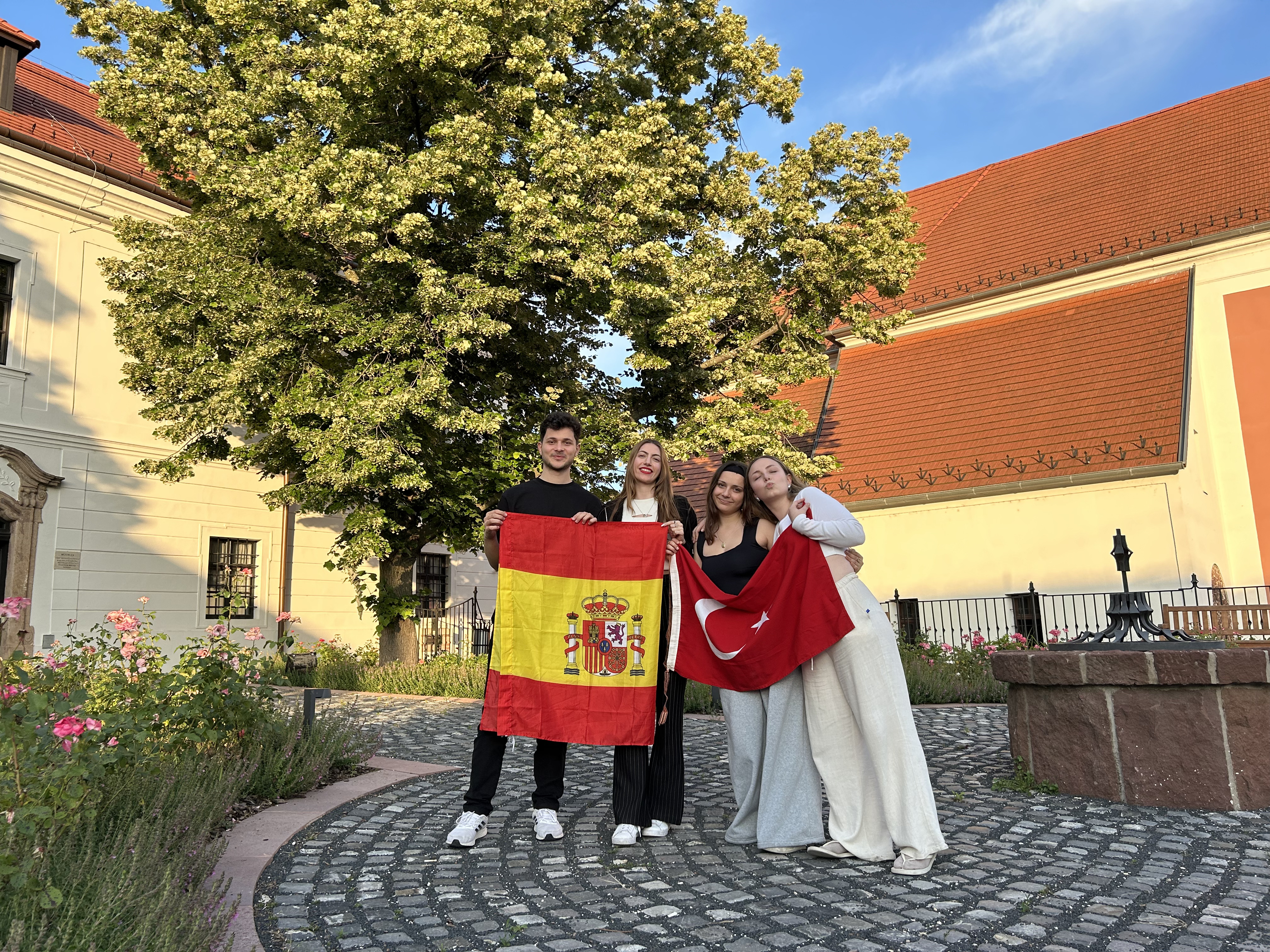
Cultural evenings are among my favourite parts of Erasmus+ projects because you discover countries not only through presentations but through their music, food, dances and everyday life.
You cannot really learn a culture from a few slides. Talking to people, listening to their music, seeing their traditions and sharing your own culture with them creates a completely different experience.
The preparation process also taught us how to work together as a team. Everyone had different ideas, and communication was necessary to turn them into a shared result.
The Common Language of Music
As preparations for the cultural evening and concert continued, I began to understand more clearly why music was at the centre of the project.
It was striking to see people who spoke different languages meet through the same song. Even without knowing the words, you can follow a rhythm and feel a little closer to another culture through its music.
Teamwork Behind the Stage
As the concert approached, our preparations intensified. I realized that what an audience sees on stage is only a small part of the entire process.
Rehearsals, division of responsibilities, communication and timing all had to work together.
Even a small task carried out by one person could affect the entire group. We therefore had to follow not only our individual responsibilities but also the overall process.
This was also an important lesson in taking responsibility.
The Day Music Brought Us Together
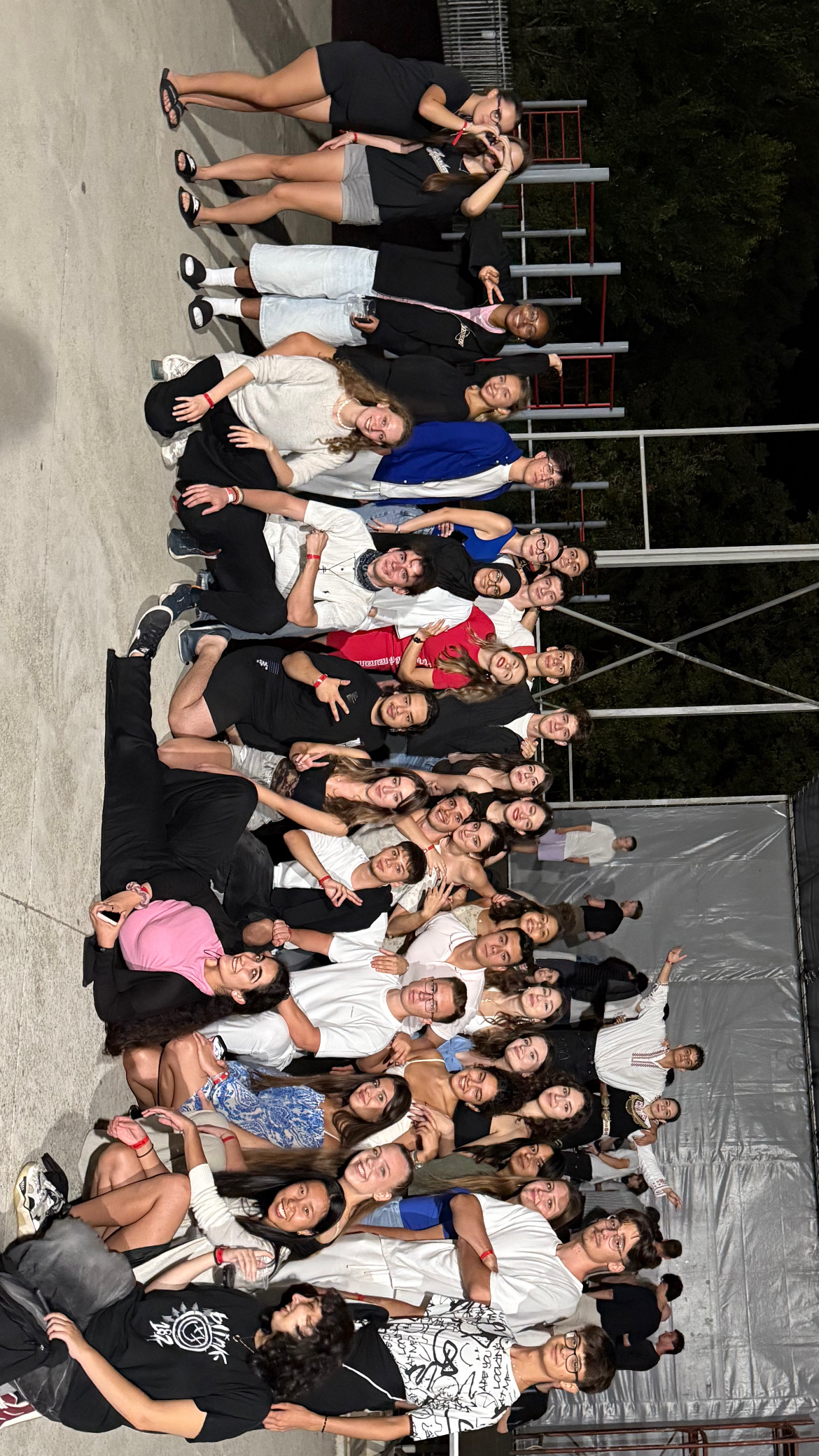
Finally, concert day arrived.
We had spoken about the unifying power of music since the beginning of the project. Now we had the opportunity to experience it directly.
Seeing people from different countries, cultures and life experiences come together at the same event was impressive.
The concert was not simply another project activity. It felt like the result of the communication we had built, the work we had done together and the experiences we had shared.
Goodbyes and the Journey Home
As the project approached its end, I began to feel both physically and emotionally that the experience was coming to a close.
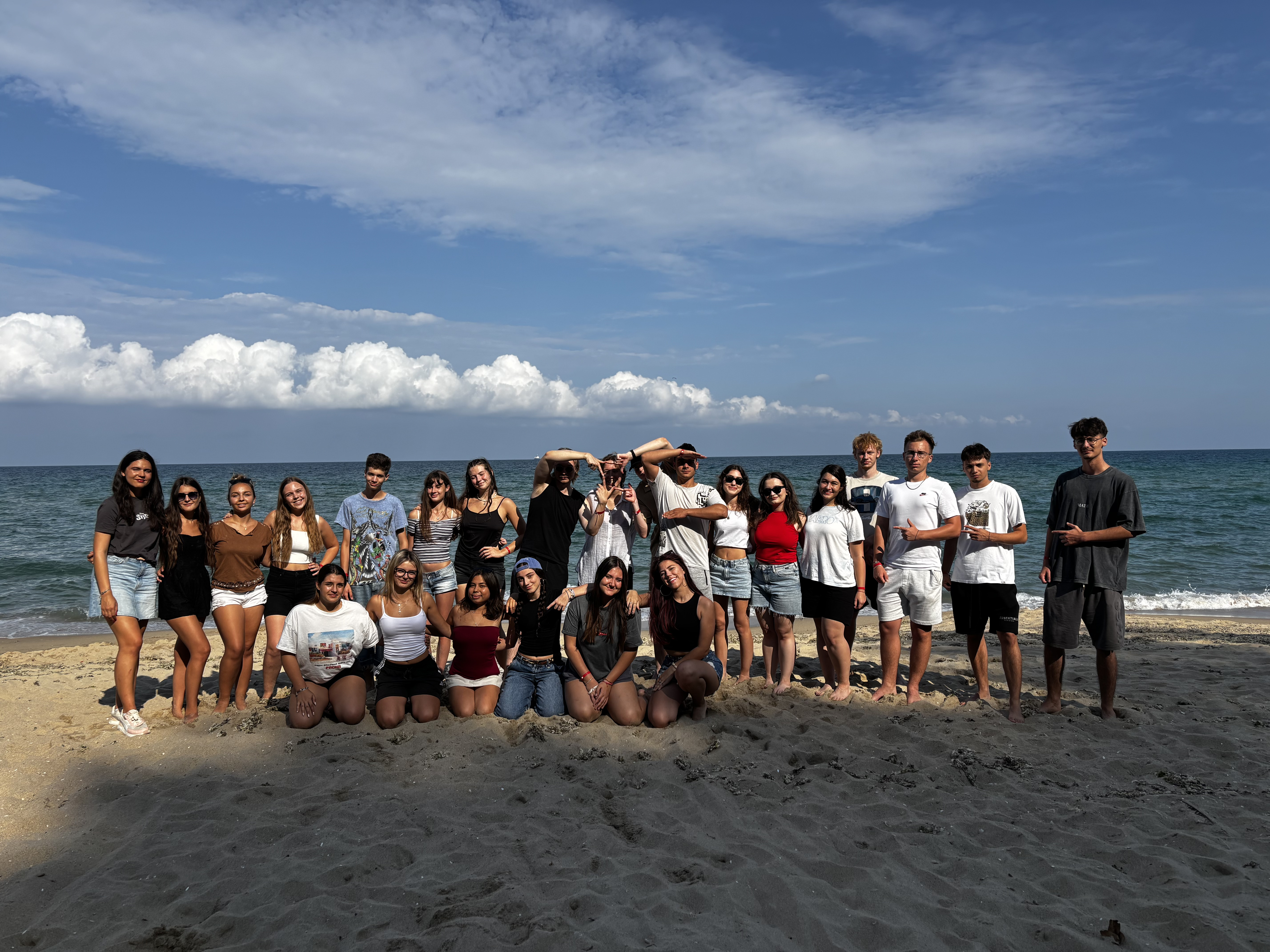
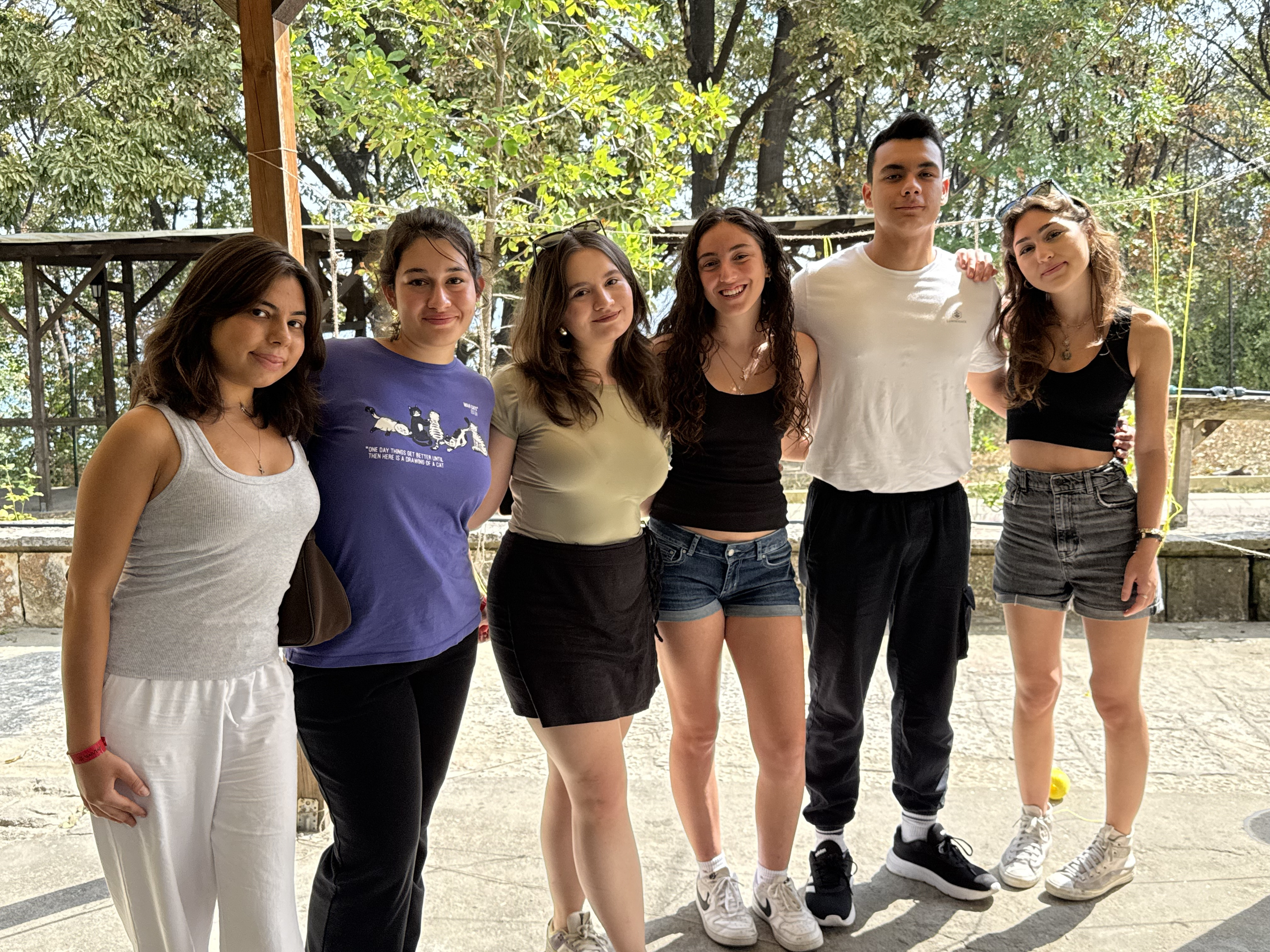
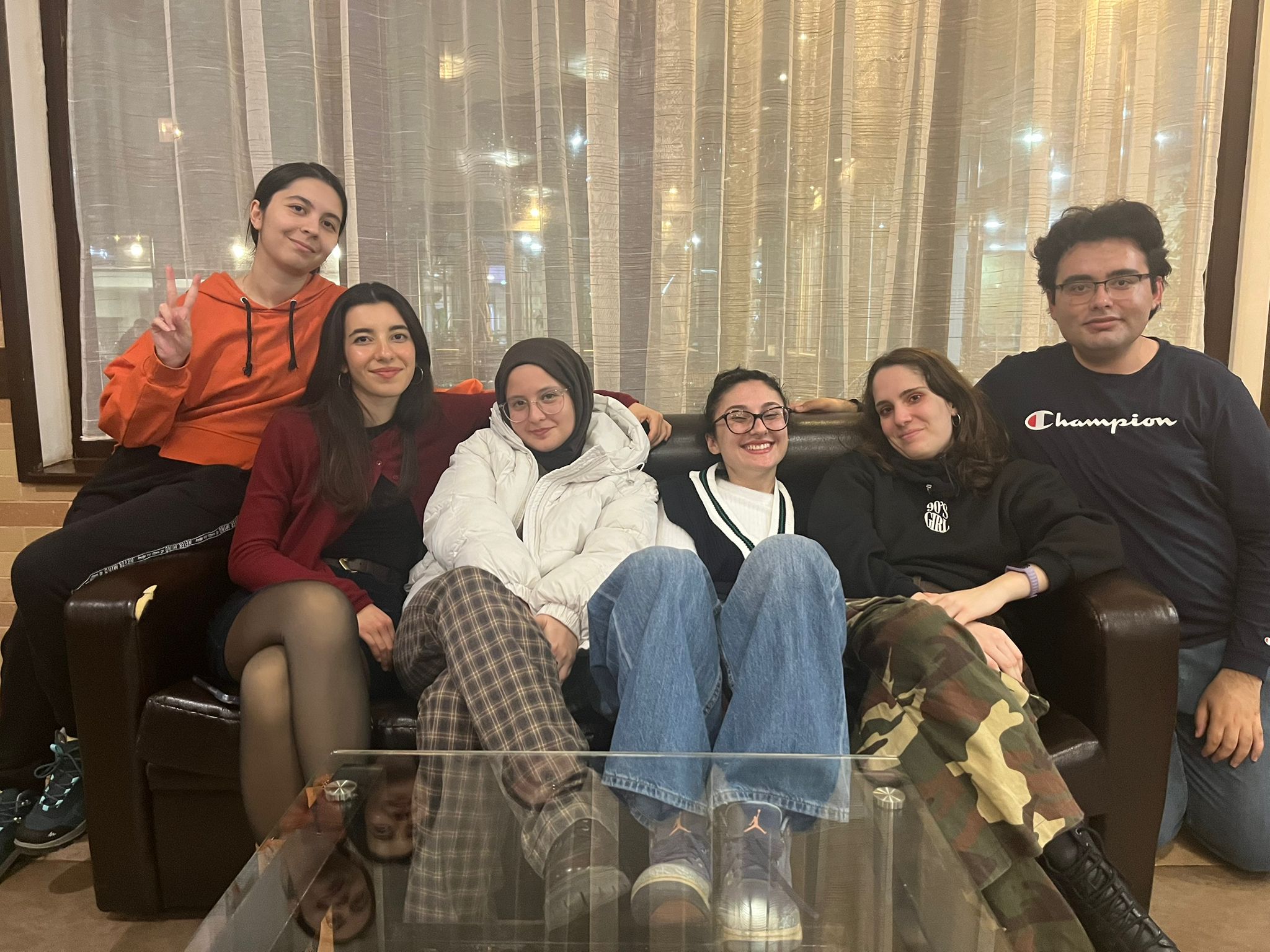
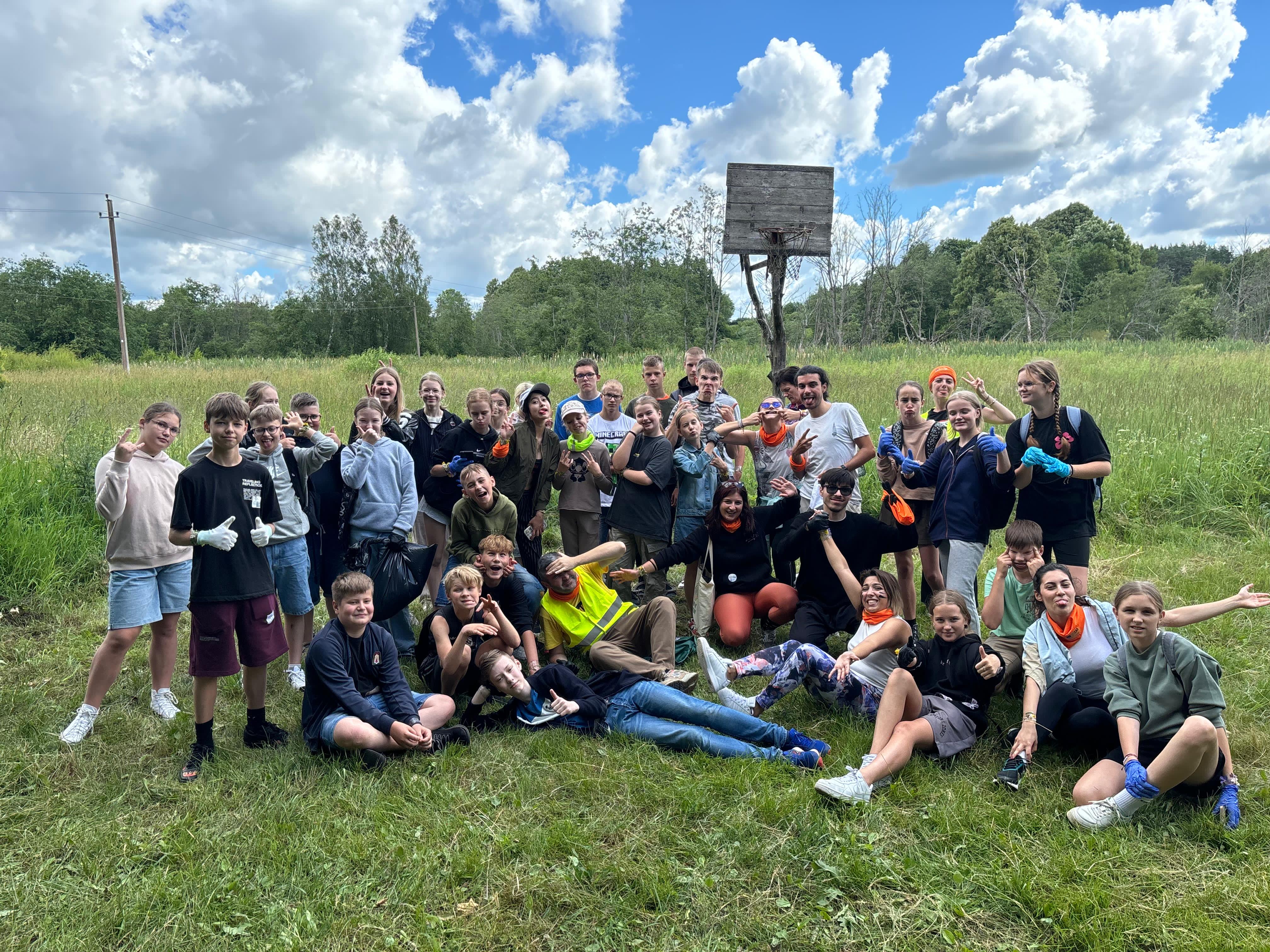
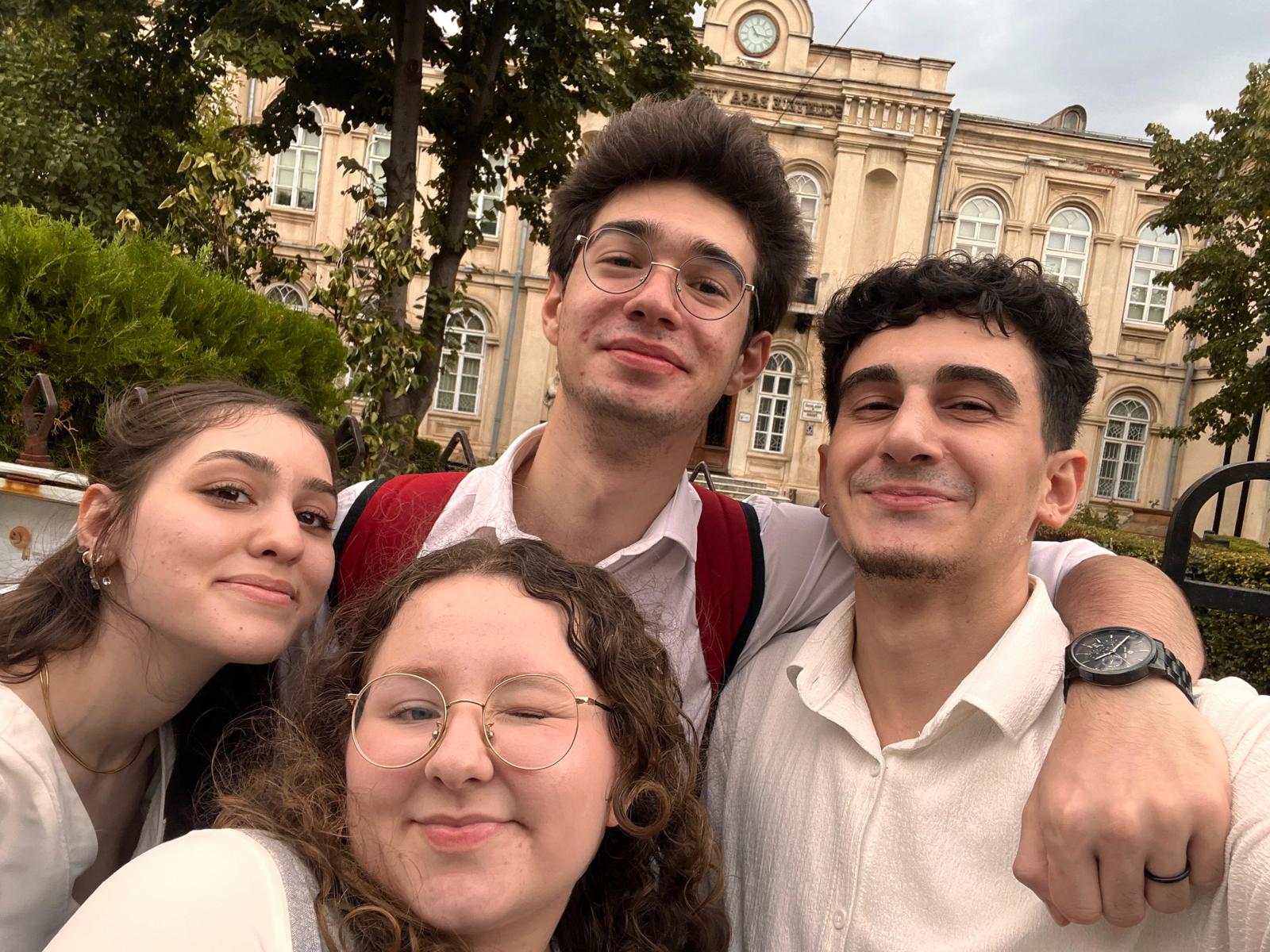
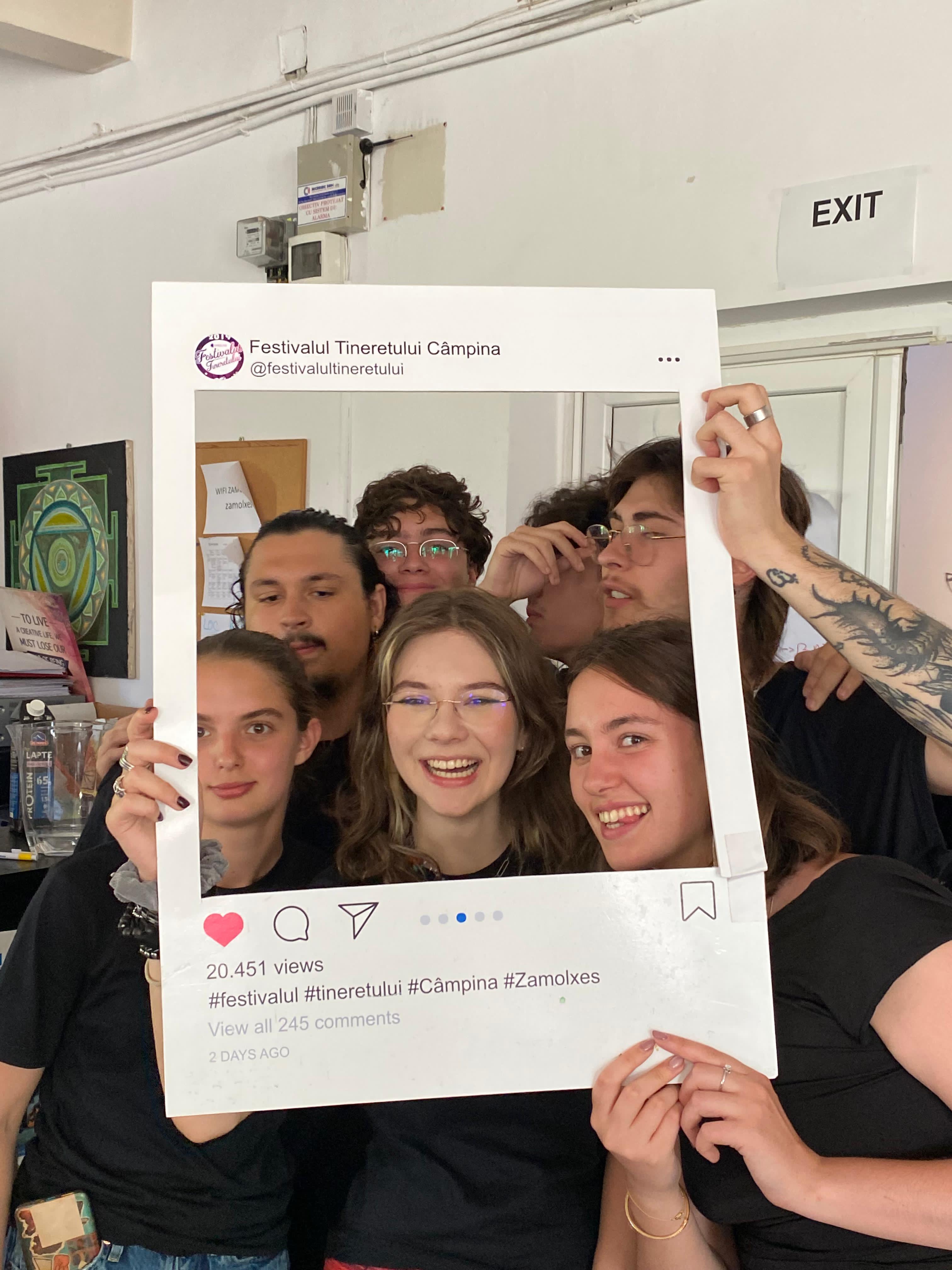
A process that had begun among strangers had transformed within days into an environment of friendship in which we ate together, joined activities, talked and created memories.
Saying goodbye was therefore difficult. At the same time, it was comforting to know that the relationships I had built did not necessarily have to end with the project.
When we left Câmpina and began our journey home, the project itself had ended. Yet part of the real learning began on the way back.
The impact of an Erasmus+ project becomes even clearer after you return to everyday life and begin reflecting on what you experienced.
Rethinking My Own Limits
The project gave me new experiences in language, music, culture and communication. My most important gain, however, went beyond all of these.
One of the most important things I learned about myself was that many of my limits were actually limits I had created myself.
I realized that some things I had assumed I could not do were not blocked by a real obstacle but by a boundary I had created in my own mind.
Communicating with different people, being in another country, working with people from different cultures and expressing myself gave me an opportunity to rediscover my own capacity.
What Remained After the Project?
Social Inclusion Next Generation 3.0 became much more than a project I attended in Romania.
It showed me that differences do not have to separate people. With the right communication, they can instead bring people closer together.
I experienced how music can bring people onto common ground. I discovered different cultures, communicated with new people and gained more confidence in expressing myself in another language.
Most importantly, I questioned the limits I had placed on myself.
I left Câmpina carrying not only project memories but also new friendships, new perspectives, stronger communication skills and an important experience that had encouraged me to reconsider my own limits.
Perhaps that is one of the most valuable things an Erasmus+ project can leave behind.
Social Inclusion Next Generation 3.0 Erasmus+ Project Participant Yücel Cultural Foundation Youth Page Erasmus+ Experience Stories