Empowering Youth for a Sustainable Future: Designing a Sustainable Future Together
During a week in Kaunas, I discovered that sustainability is not limited to protecting the environment. It is also closely connected to equality, democratic participation, global citizenship, responsible use of technology and young people's ability to have a say in their own future.
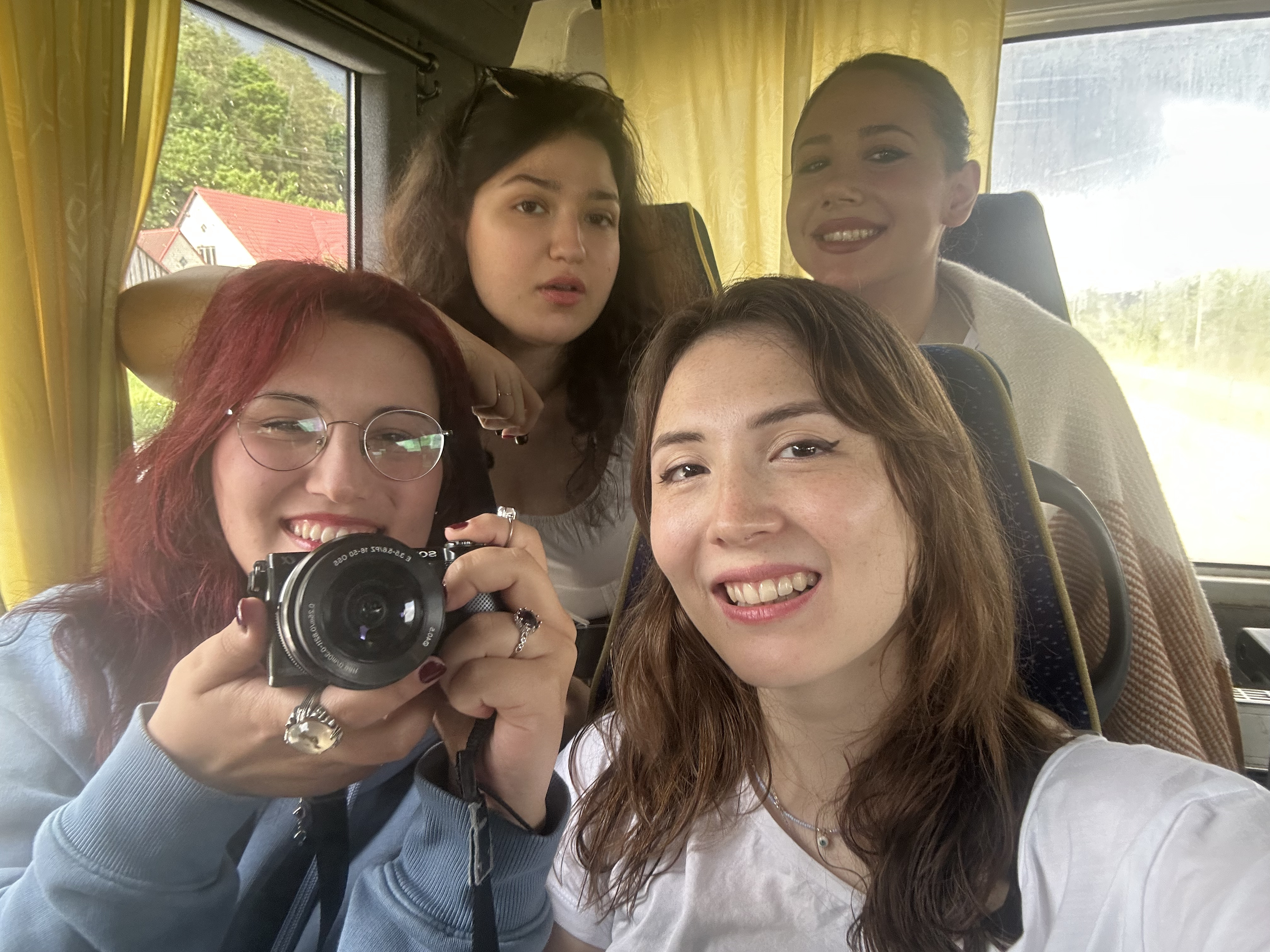
Before taking part in an Erasmus+ project, you usually have some idea of what its subject is about. Once you become part of the project, however, you begin to realize how broad the concepts you read in the application form actually are. Empowering Youth for a Sustainable Future was exactly this kind of experience for me.
From 4 to 11 June 2025, I joined youth workers and young people from different countries in Kaunas, Lithuania, for a training course focusing on sustainable development, global citizenship, democratic life, youth participation and the role of youth work at both local and global levels.
Before the project, I mostly associated sustainability with the environment, nature and climate change. During the project, I had the opportunity to see that it has a much broader meaning.
A sustainable future is not only about protecting natural resources. It is also directly connected to equal opportunities, participation in decision-making processes, acceptance of differences, stronger democratic values and young people's ability to have a say in their own future.
First Day: Different Countries, One Shared Space
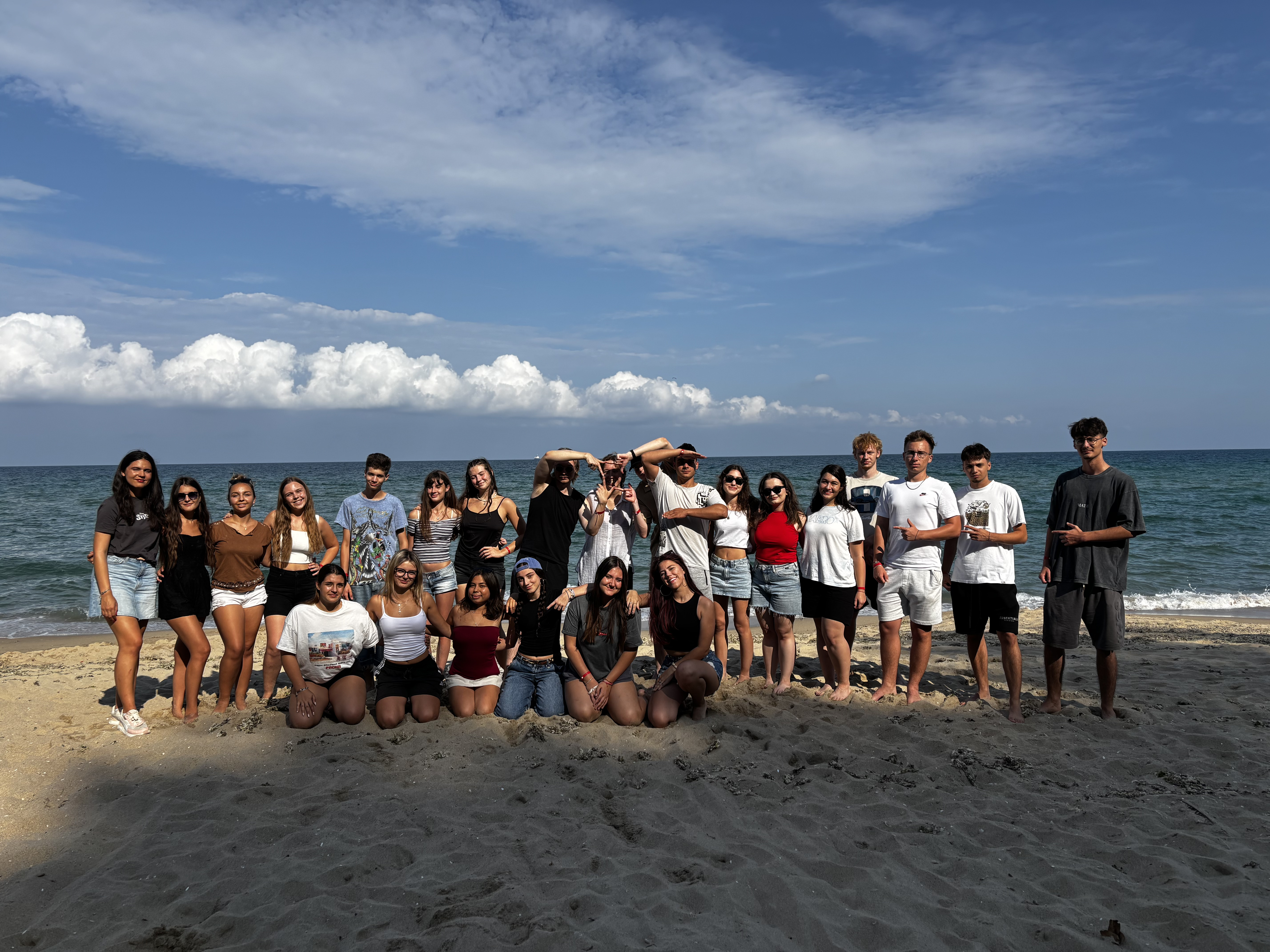
The first day was mainly about arriving at the project venue and meeting the other participants. From the very beginning, bringing together people from different countries around a common purpose revealed the intercultural dimension of the project.
During our first encounters, everyone was curious about each other's countries, work and motivation for joining the project. At that moment, it was difficult to imagine that people who did not know one another would become part of the same group within only a few days.
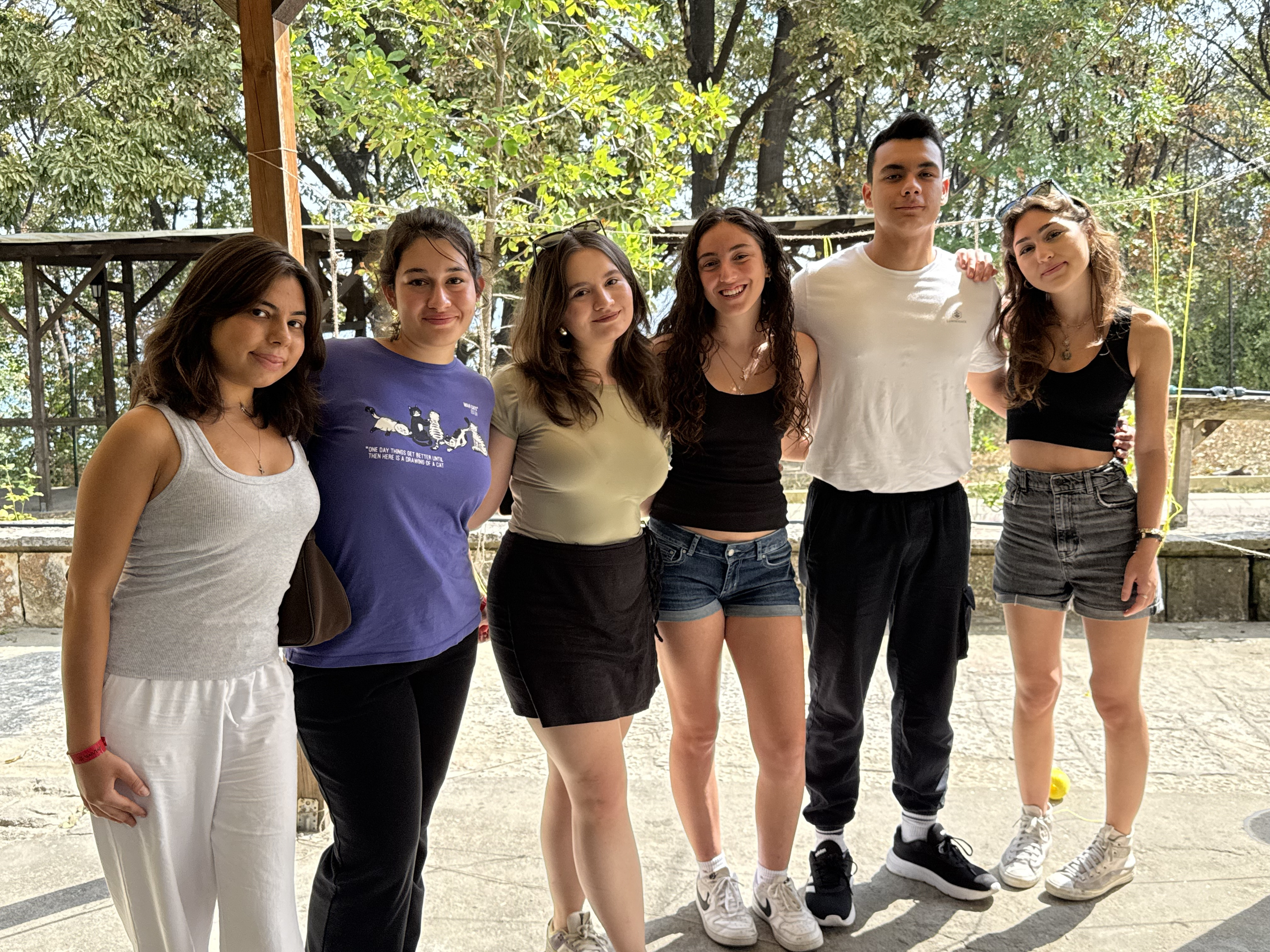
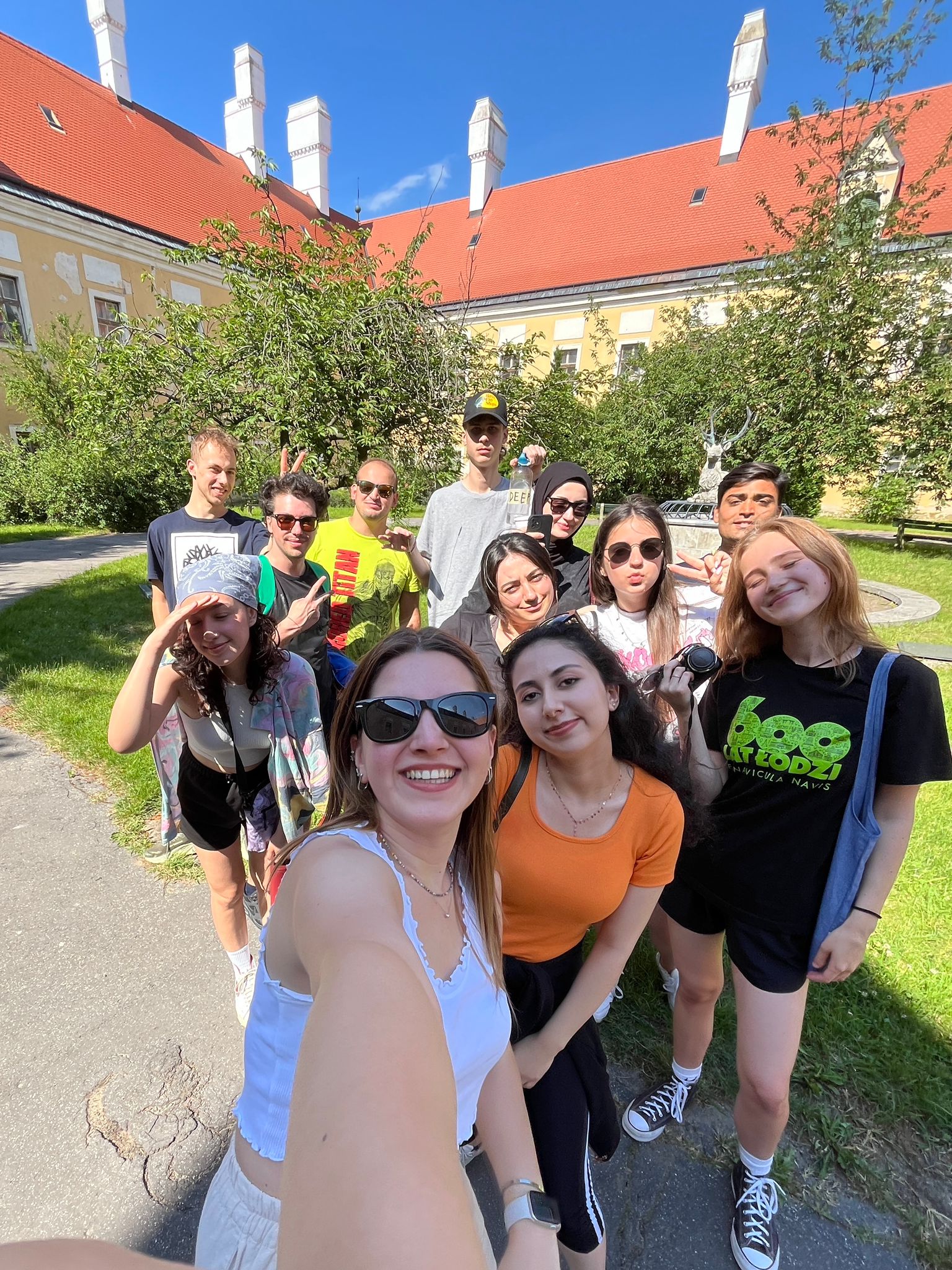
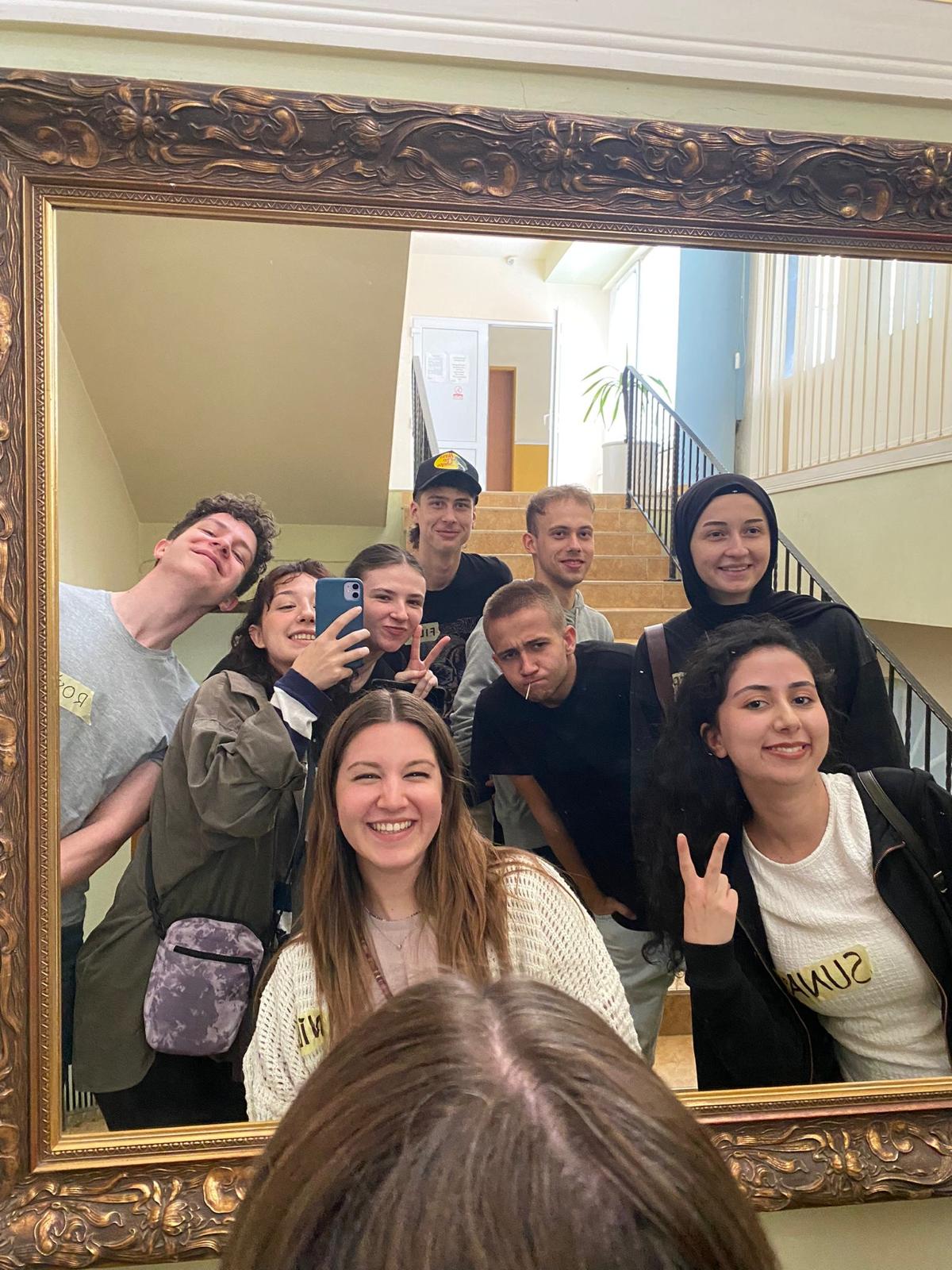
This is also one of the most valuable aspects of Erasmus+ projects. People whose names you barely know at the beginning soon become people with whom you develop ideas, play games, discuss issues, eat and share everyday life.
An Active Start to the Project
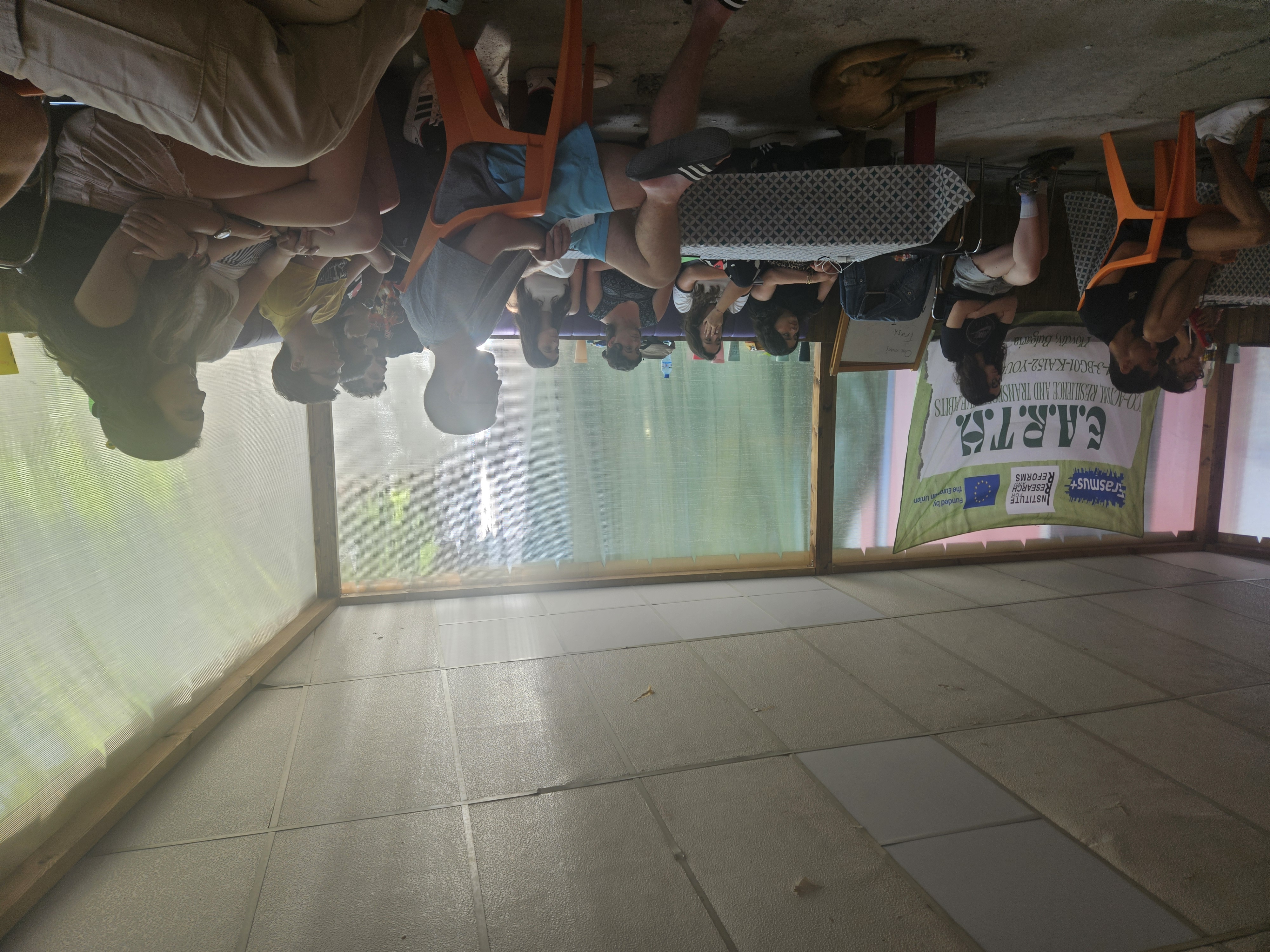
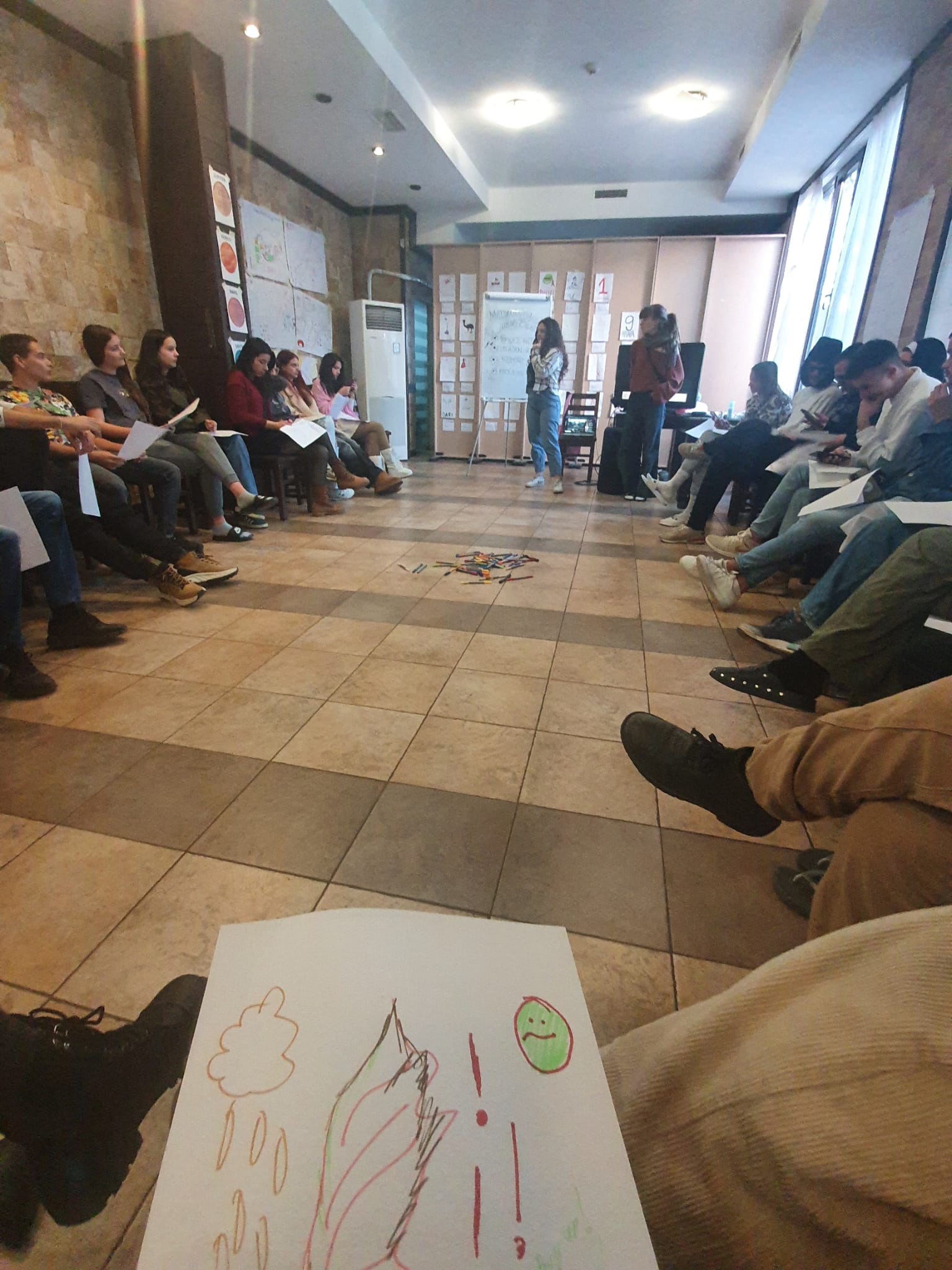
On the second day, all participants came together at 10.00. We learned about the project's content, aims and the activities ahead of us, but the course did not begin with long conventional presentations.
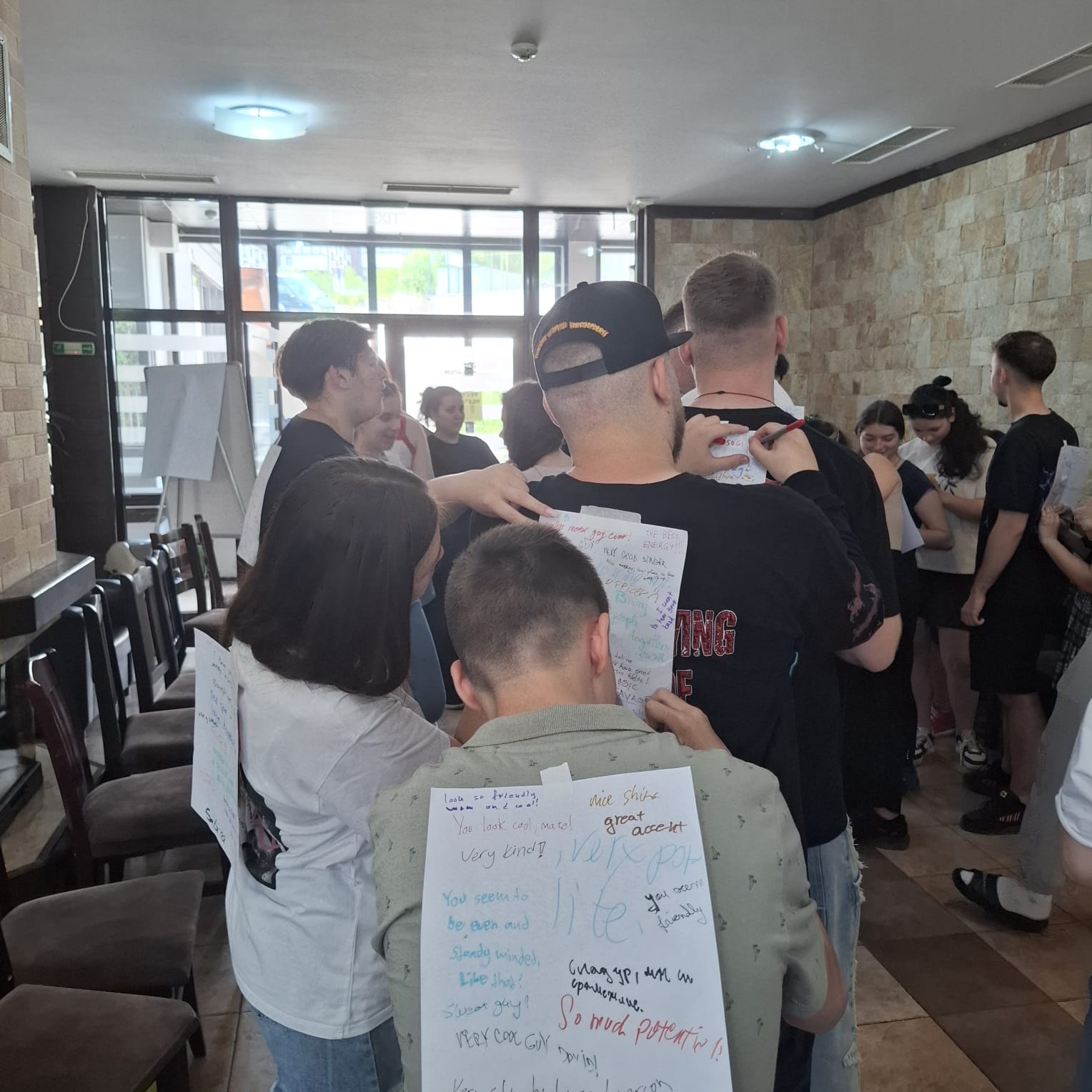
We were expected to become active immediately. Starting the day with energizers helped us move physically and communicate more comfortably with one another.
I soon realized that energizers were more than entertaining games. In an international group, they were useful tools for reducing hesitation between participants and creating a shared learning environment.
Seeing the World Through a Piece of String
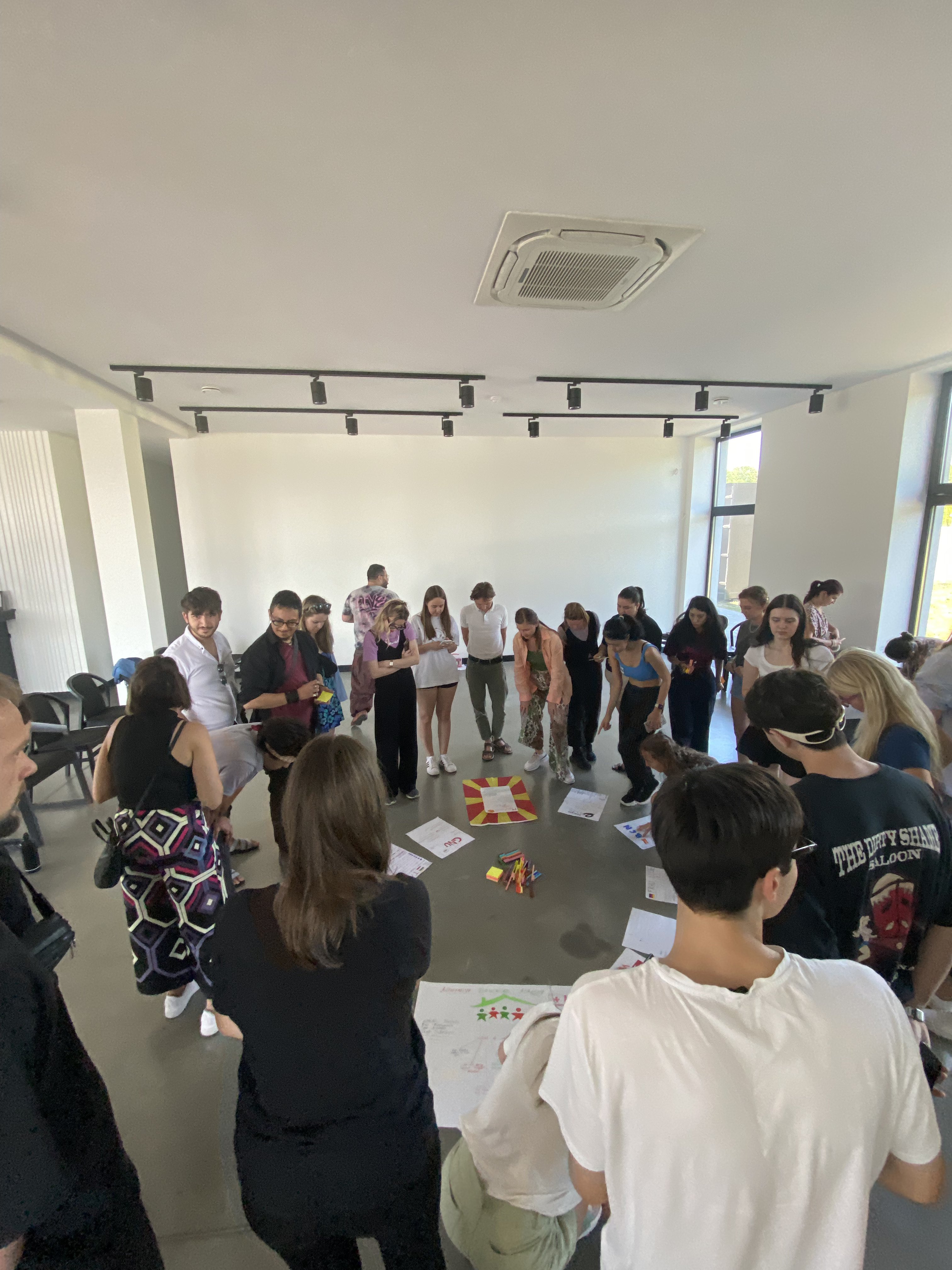
Working in groups, we created a world map using pieces of string.
Although the activity initially seemed simple and playful, its message was powerful. On the map, we began to see how unequally resources, opportunities and living conditions are distributed around the world.
The concept of global inequality, which we had heard many times before, suddenly became less abstract. We were seeing and discussing it through a physical map in front of us.
Discussing Global Issues Through Creativity
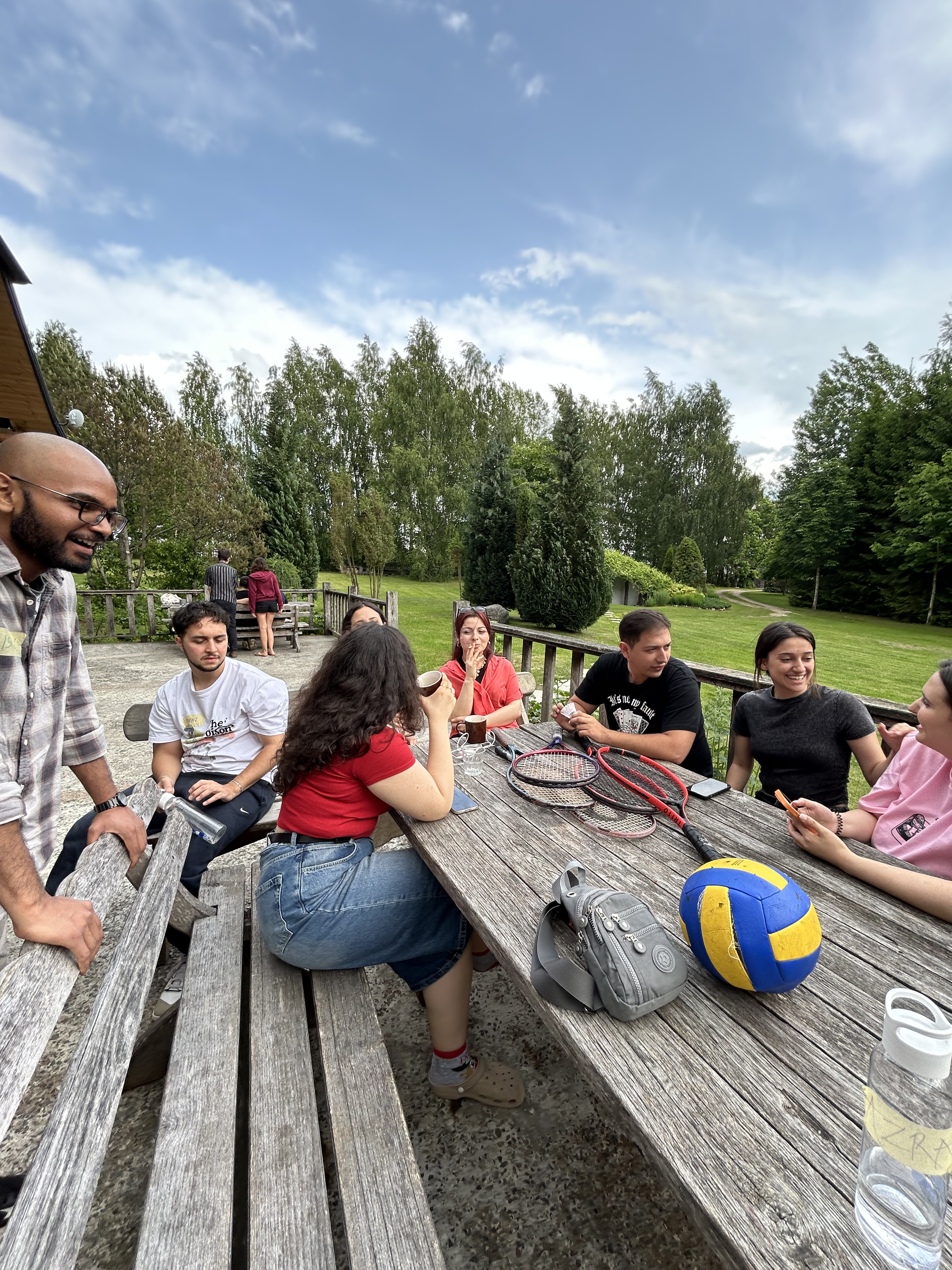
On the third day, we formed mixed groups with participants from different countries and approached global issues through different methods.
One of the topics assigned to our group was the possible negative consequences of the increasing use of artificial intelligence. Instead of discussing the issue in a conventional way, we were asked to prepare a short film and theatre activity.
Suddenly we found ourselves writing a script, assigning roles, planning the filming and thinking about how to turn our ideas into a story.
The purpose was not to produce a professional film. It was to think about an issue together, consider different perspectives and communicate what we had learned creatively.
We discussed not only the benefits of artificial intelligence but also the problems that could arise from its uncontrolled or inappropriate use. Rather than describing technology simply as good or bad, we considered how it is used and for what purpose.
Cultural Night: Different Stories from the Same World
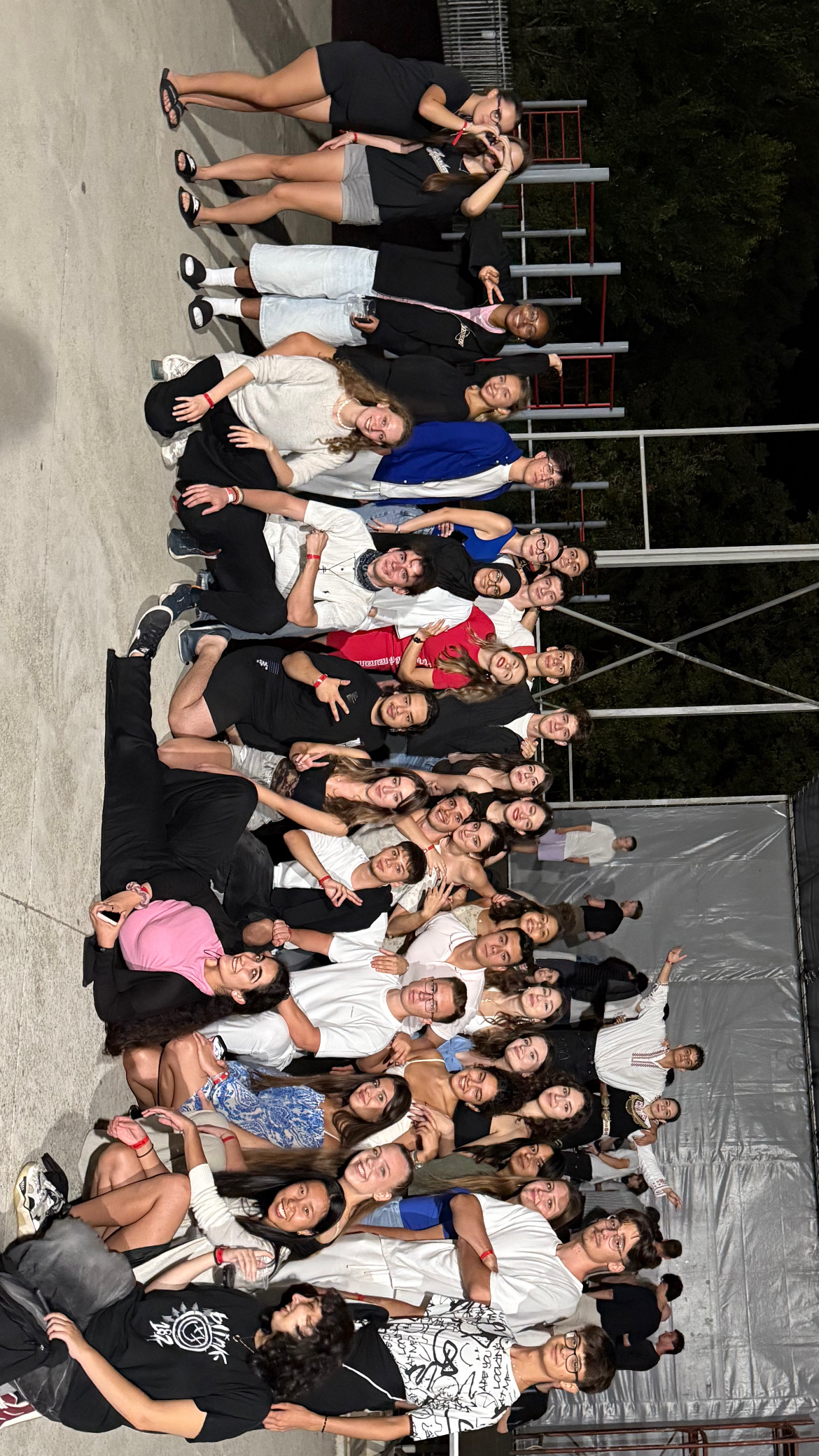
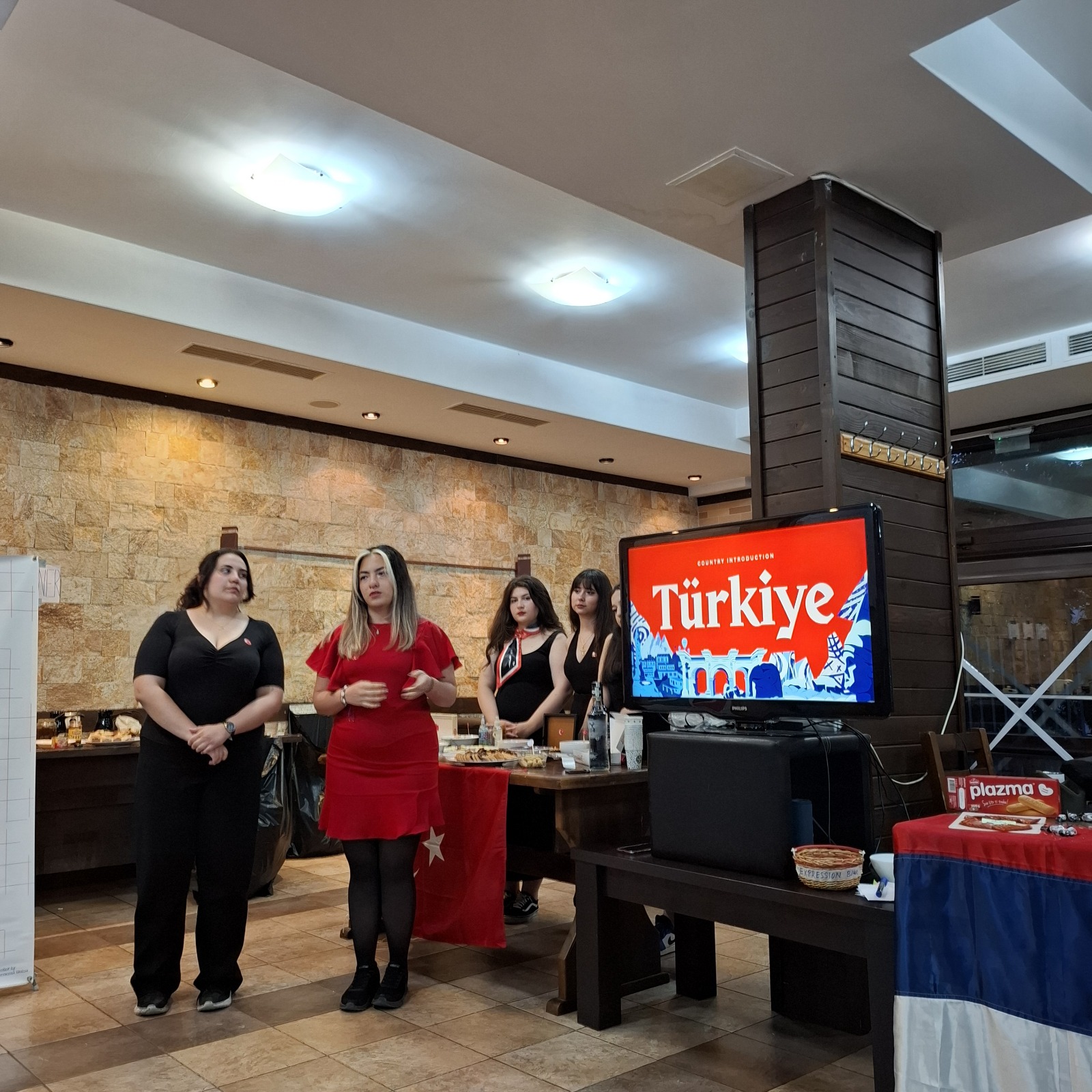
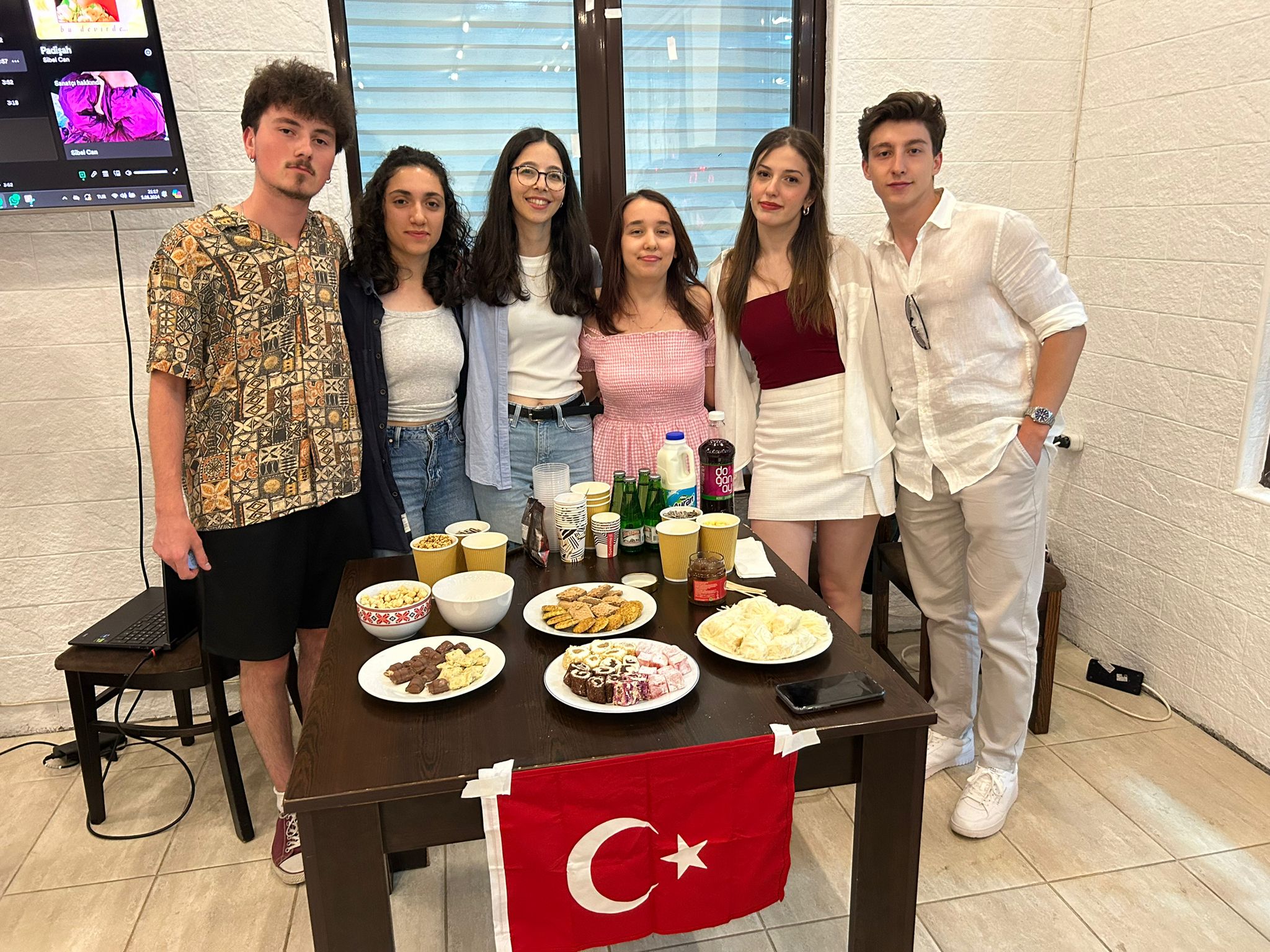
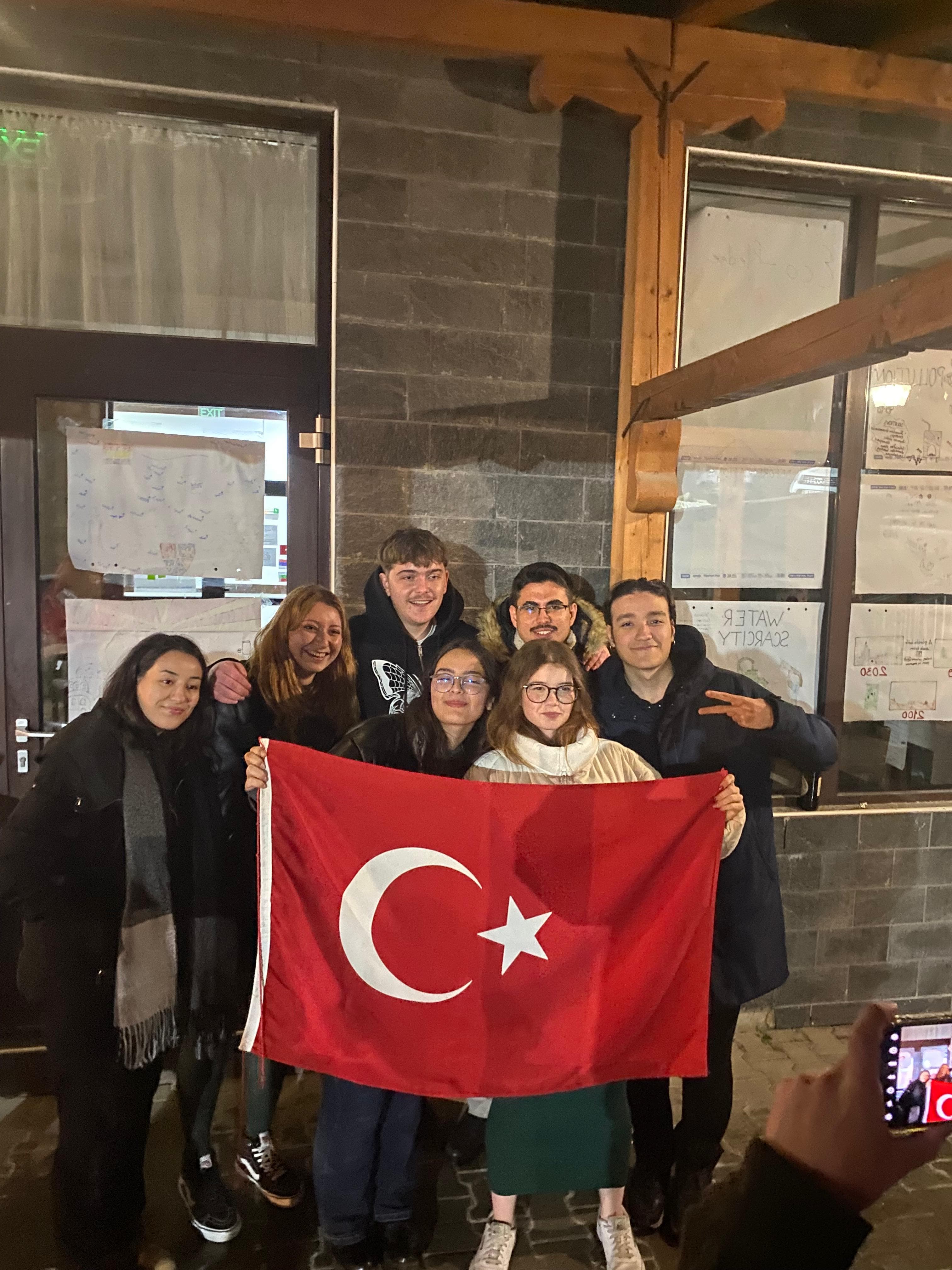
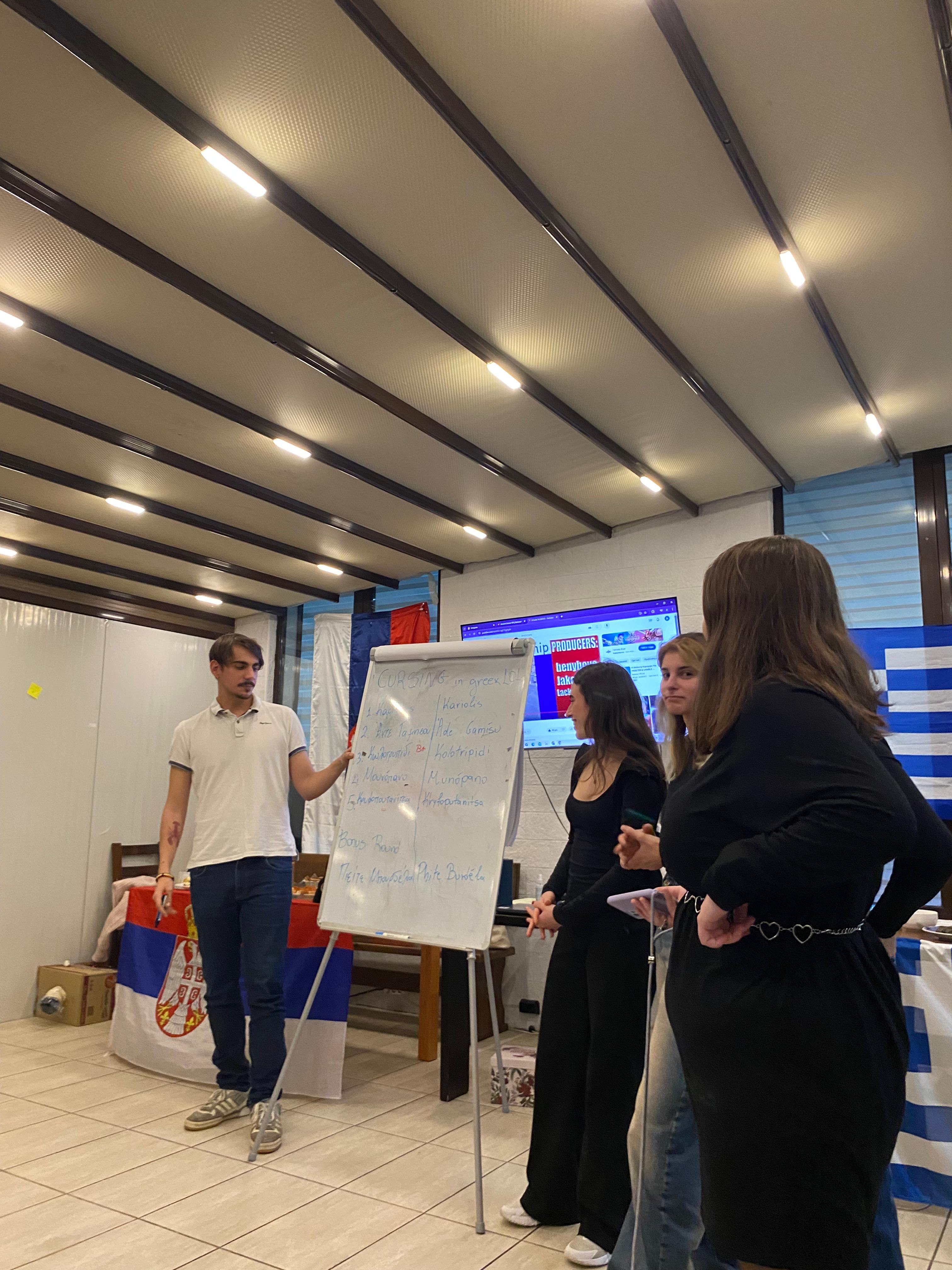
Cultural Night took place that evening. Each country introduced its culture through food, music, traditions, everyday life, important figures and distinctive stories.
One of the things I realized was that differences between countries do not have to become barriers. On the contrary, differences can increase curiosity.
Prioritizing Global Problems Through a Game
On the fourth day, we participated in an activity about global problems. Each participant received a different issue and we then played a game similar to musical chairs.
The objective was not simply to win. Participants who remained standing explained their global issue, while issues considered less urgent were gradually removed.
The activity raised a simple but difficult question: among the many problems facing the world, which one should we solve first?
Climate change, poverty, access to education, wars, inequality, health and migration all competed for priority. There was no single correct answer, and finding one was not the purpose of the exercise.
Exploring the Roots of Artificial Intelligence
On the same day, we also examined the use of artificial intelligence in education. We were asked to consider its positive and negative consequences in schools and the reasons behind its increasing use.
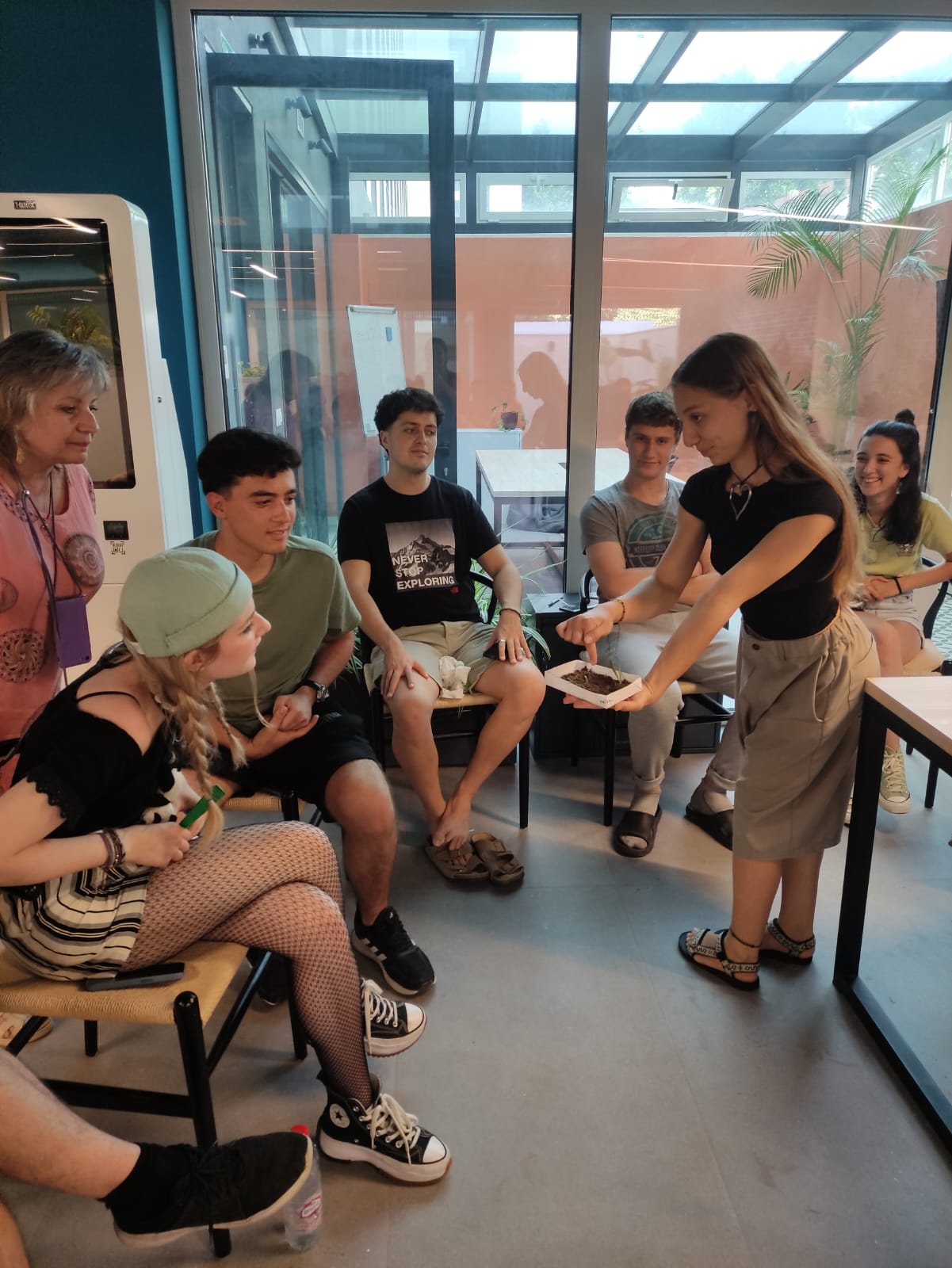
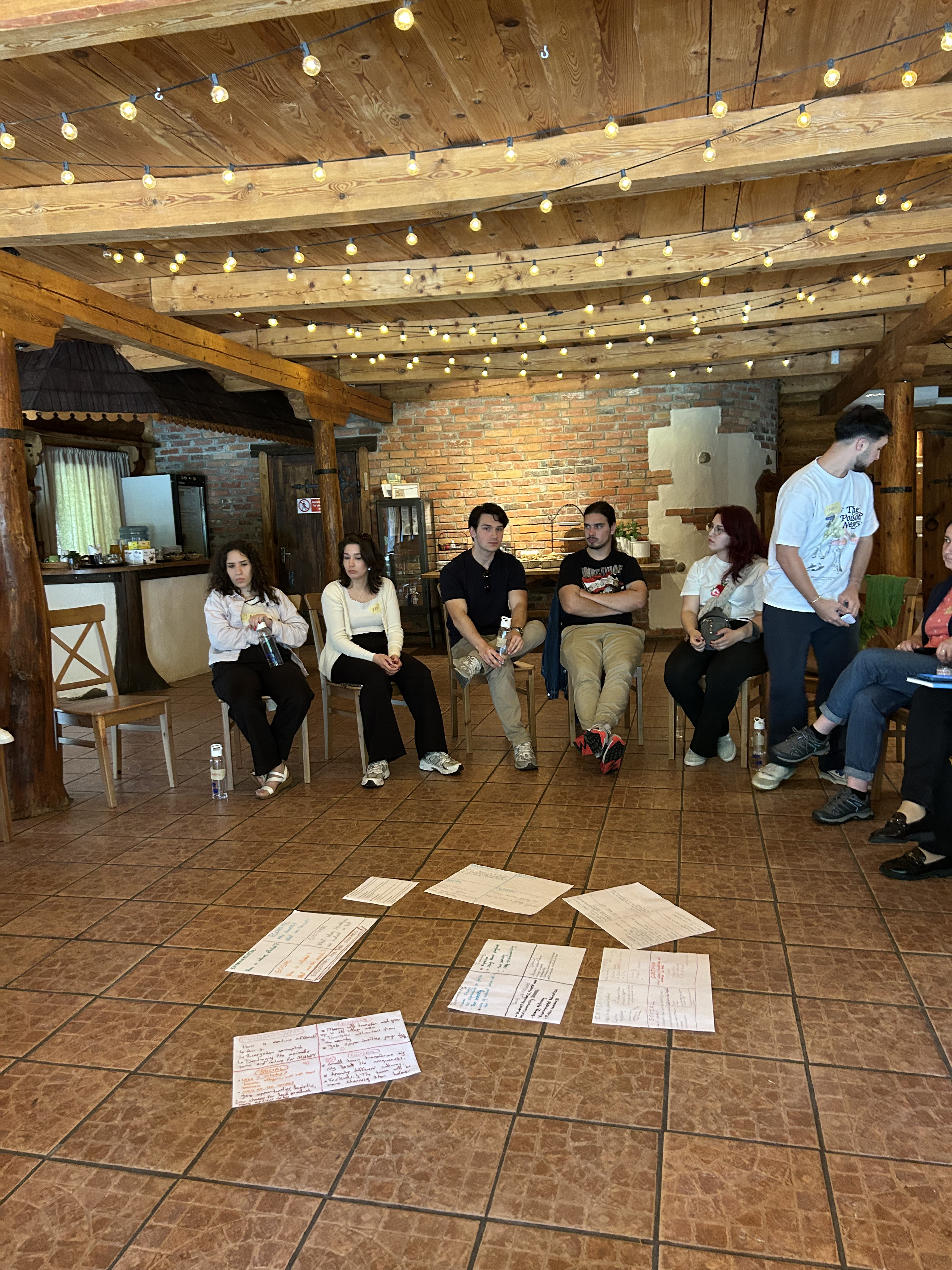
We drew a tree. On its roots, we placed the factors that lead to the use of artificial intelligence in education. On the trunk and branches, we added the resulting consequences.
The use of AI in education was not simply a technological development. It was connected to equal opportunities, access to education, teachers' roles, students' learning styles and digital skills.
Discovering Kaunas
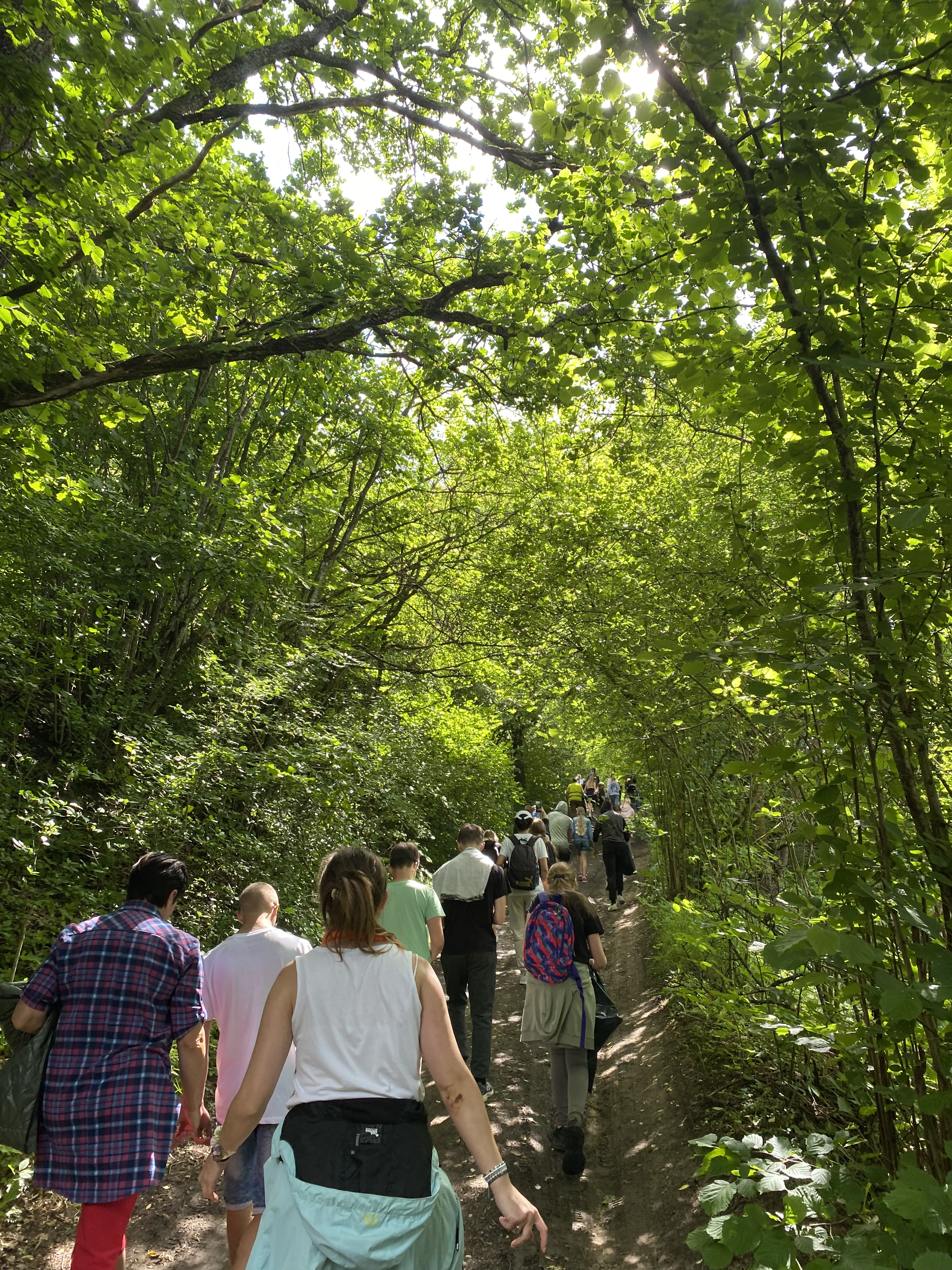
On the fifth day, we had an opportunity to explore Kaunas outside the project programme. Discovering a city together with people from different countries was different from the formal training but equally valuable.
Walking through Kaunas allowed us to observe Lithuania's history, architecture and everyday life. Since it was a free day, everyone could follow their own interests.
Some participants visited museums and historical sites while others explored the city on foot. When we came together again at the end of the day, everyone had a different story to tell.
Democracy Is Not a Game, but a Responsibility
The sixth day was one of the most impressive days of the project for me. We took part in a simulation prepared by the Ukrainian team.
Each group represented a political party. We first identified the country's main problems, developed possible solutions and then presented and defended our ideas to the other groups.
What initially looked like a game quickly became a serious discussion. Each group had different priorities. While one focused on the economy, others emphasized education, social policy or the environment.
Young people's active participation in these processes is especially important for a sustainable future because many decisions made today directly affect their lives.
Young people therefore need to be seen not only as the citizens of the future, but as active citizens of today.
Approaching the End: What Did We Learn?
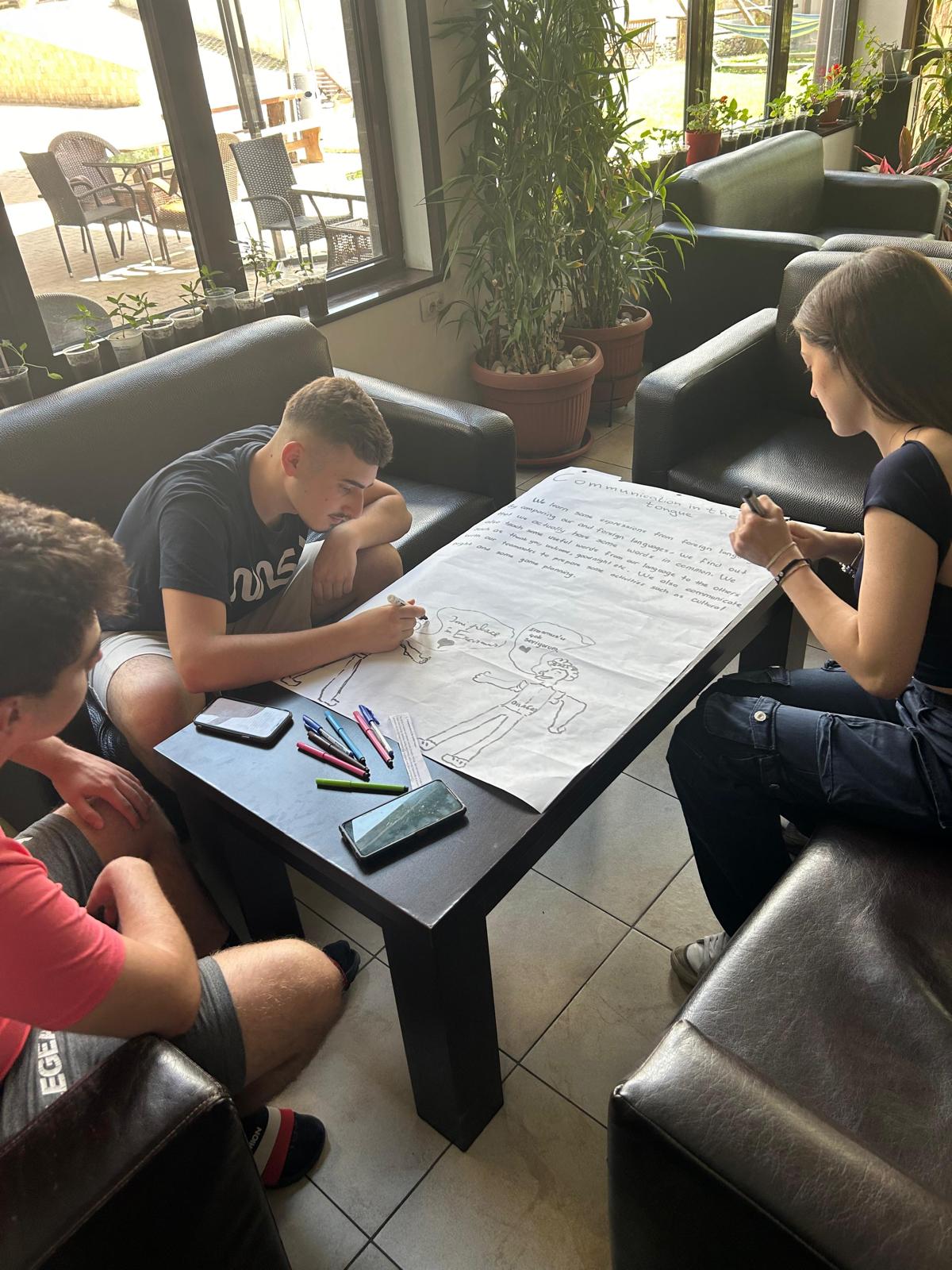
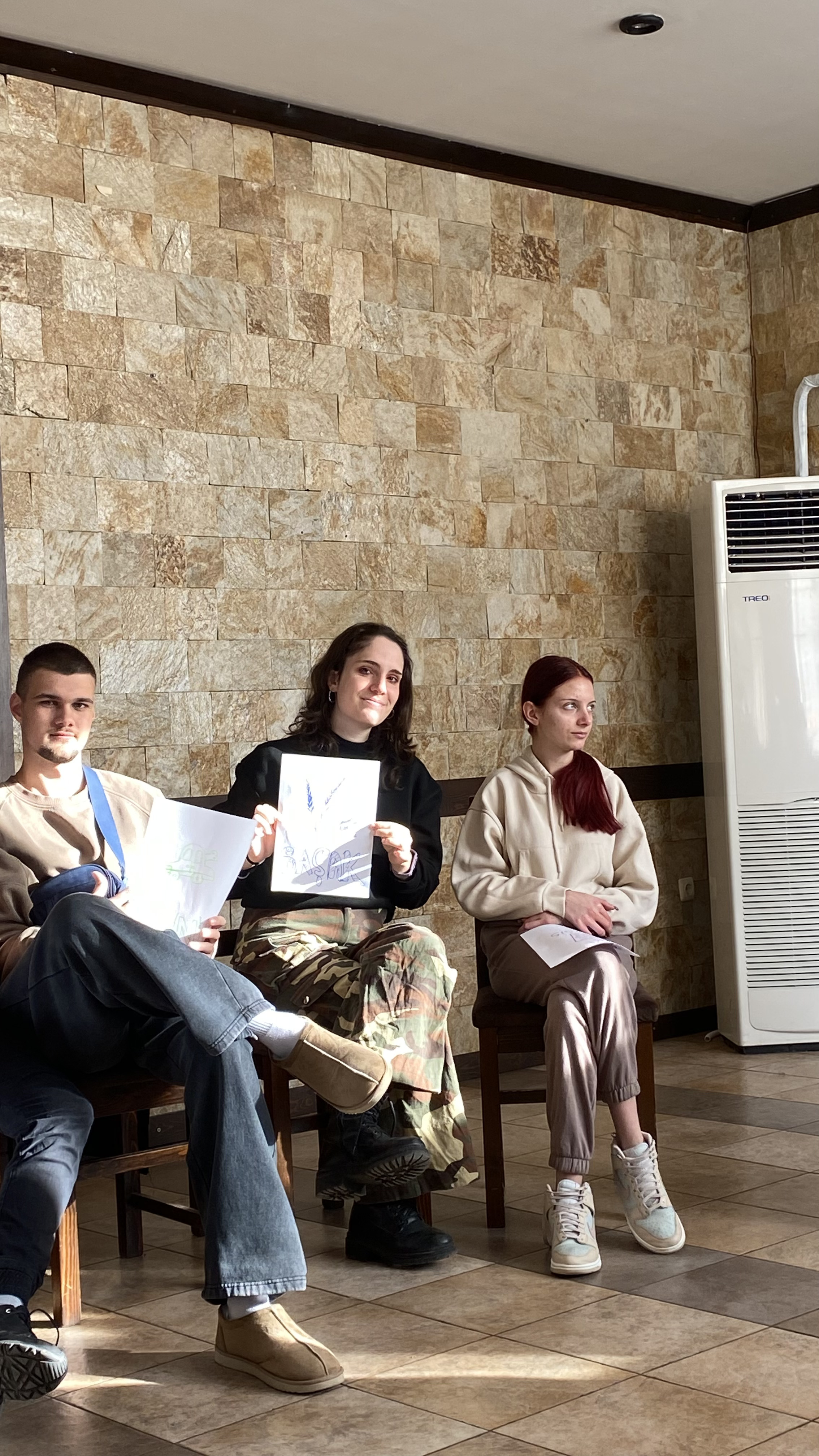
By the seventh day, we were approaching the end of the project. Teams prepared creative posters showing what they had learned, while participants from different countries produced short videos using their own sense of humour.
While watching the videos, there was both laughter and sadness. People who had not known one another only a few days earlier were already preparing to say goodbye.
Social Interaction: The Invisible Learning Space
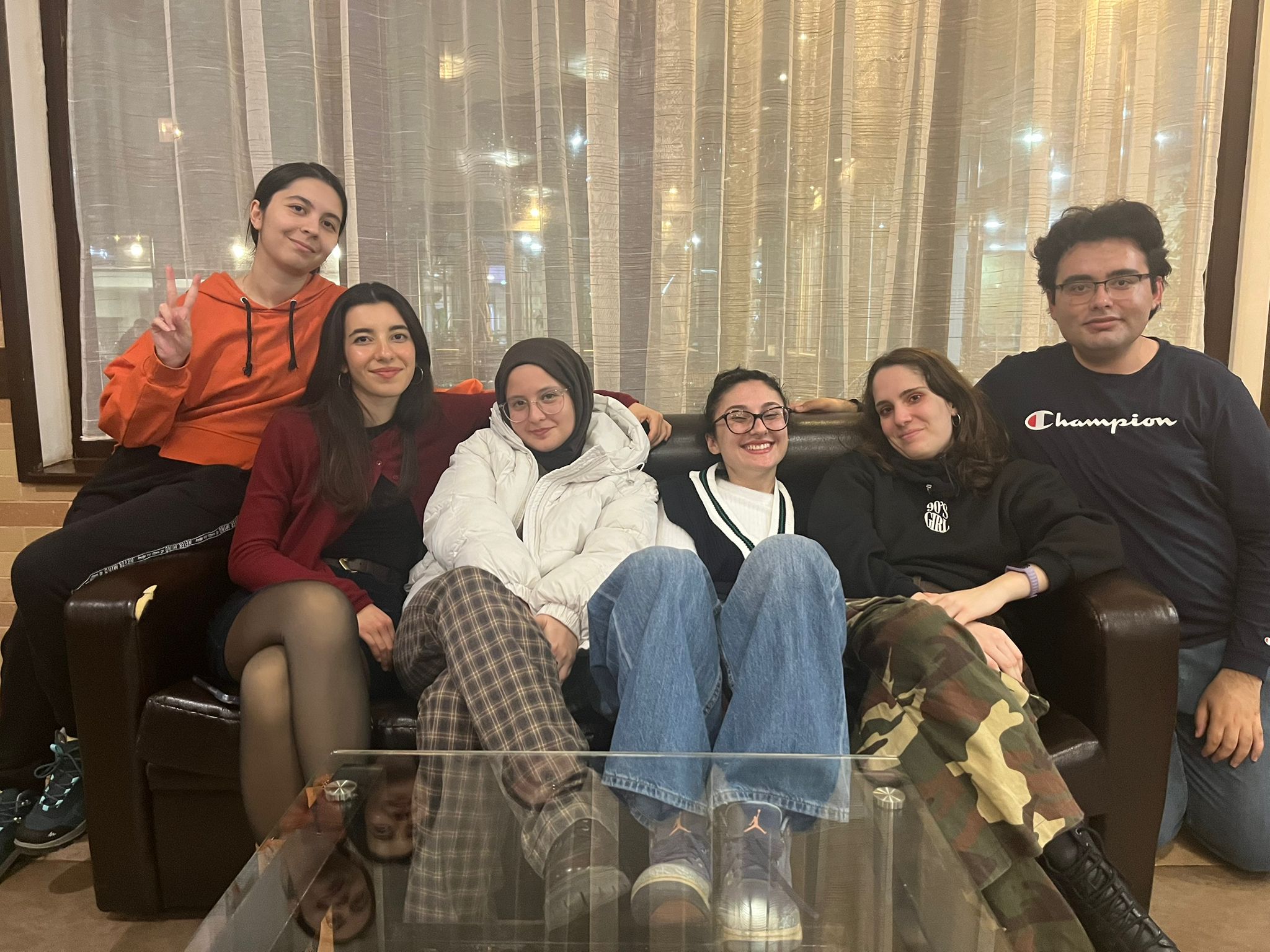
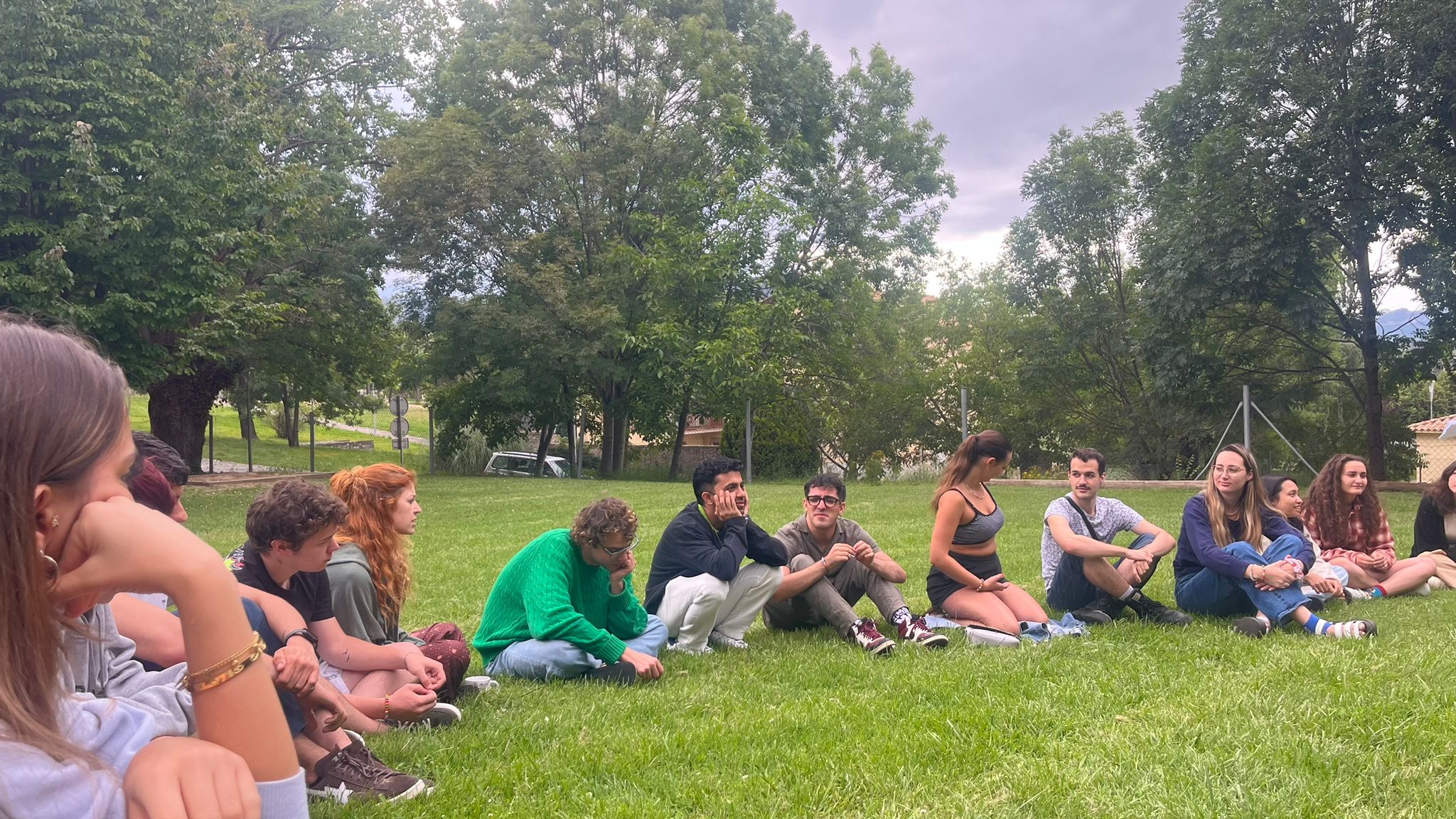
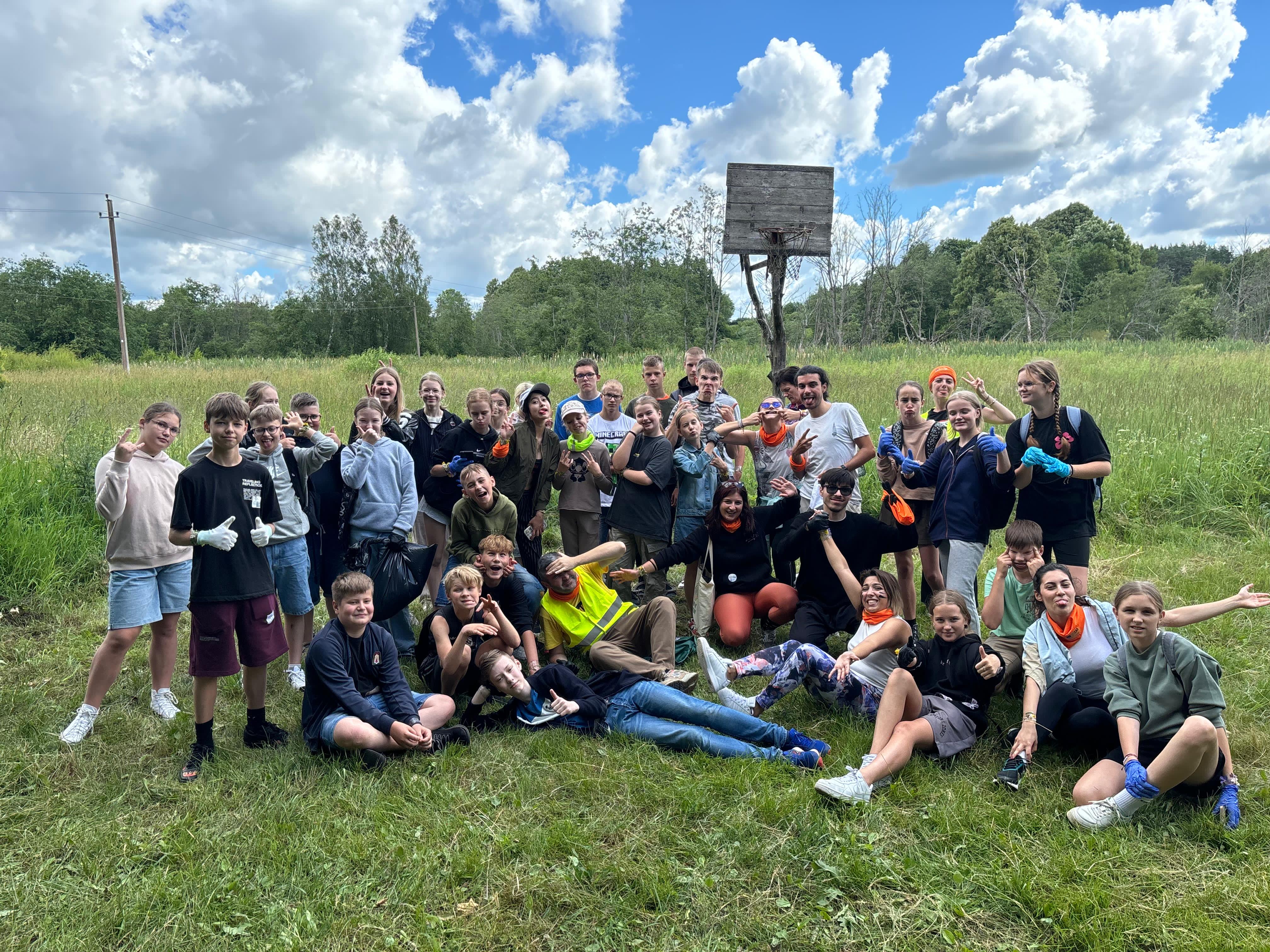
I believe the social dimension of the project was as important as its educational content. Participants from different countries brought different experiences and life stories.
Some had already taken part in many Erasmus+ projects, while others were experiencing international training for the first time. This diversity enriched our group work.
A simple idea expressed during an activity could become something completely different when viewed from the perspective of another participant.
What I Gained as Someone Interested in Youth Work
As someone interested in youth work, I believe the project also contributed significantly to my professional development.
I had another opportunity to see the power of experiential learning. Allowing participants to experience a subject rather than simply explaining it can make learning much more lasting.
Creating a world map with string, discussing global problems through games, making a short film about artificial intelligence, creating a problem tree and simulating democratic life were strong examples of this approach.
My Perspective on Sustainability Changed
By the end of the project, I realized that I no longer understood sustainability in the same way as I had at the beginning.
Sustainability now meant more than protecting the environment. It also included building fairer societies, strengthening access to education, enabling young people to participate in decision-making, protecting democratic values, accepting differences, sharing resources more fairly, using technology responsibly and understanding the connection between local and global problems.
Leaving the Project
On the eighth day, leaving the project venue meant more than leaving Kaunas. We were also leaving behind the small world we had created together over the course of a week.
People who had been strangers on the first day were now hugging goodbye, looking through photographs, sharing their final coffees and saying, "See you at the next project."
I left Kaunas with new knowledge, new methods and new people in my life. More importantly, some concepts had changed meaning for me.
Global citizenship was no longer just a concept. Democratic participation was no longer merely theoretical. Sustainability was no longer only an environmental issue.
Designing the Future Instead of Waiting for It
The most important thought I took away from Empowering Youth for a Sustainable Future was that young people are not only future representatives of change.
Young people are already an important part of change today.
Solving global problems requires more than informing young people. They need spaces where they can express their ideas, participate in decision-making, work with different people and develop their own solutions.
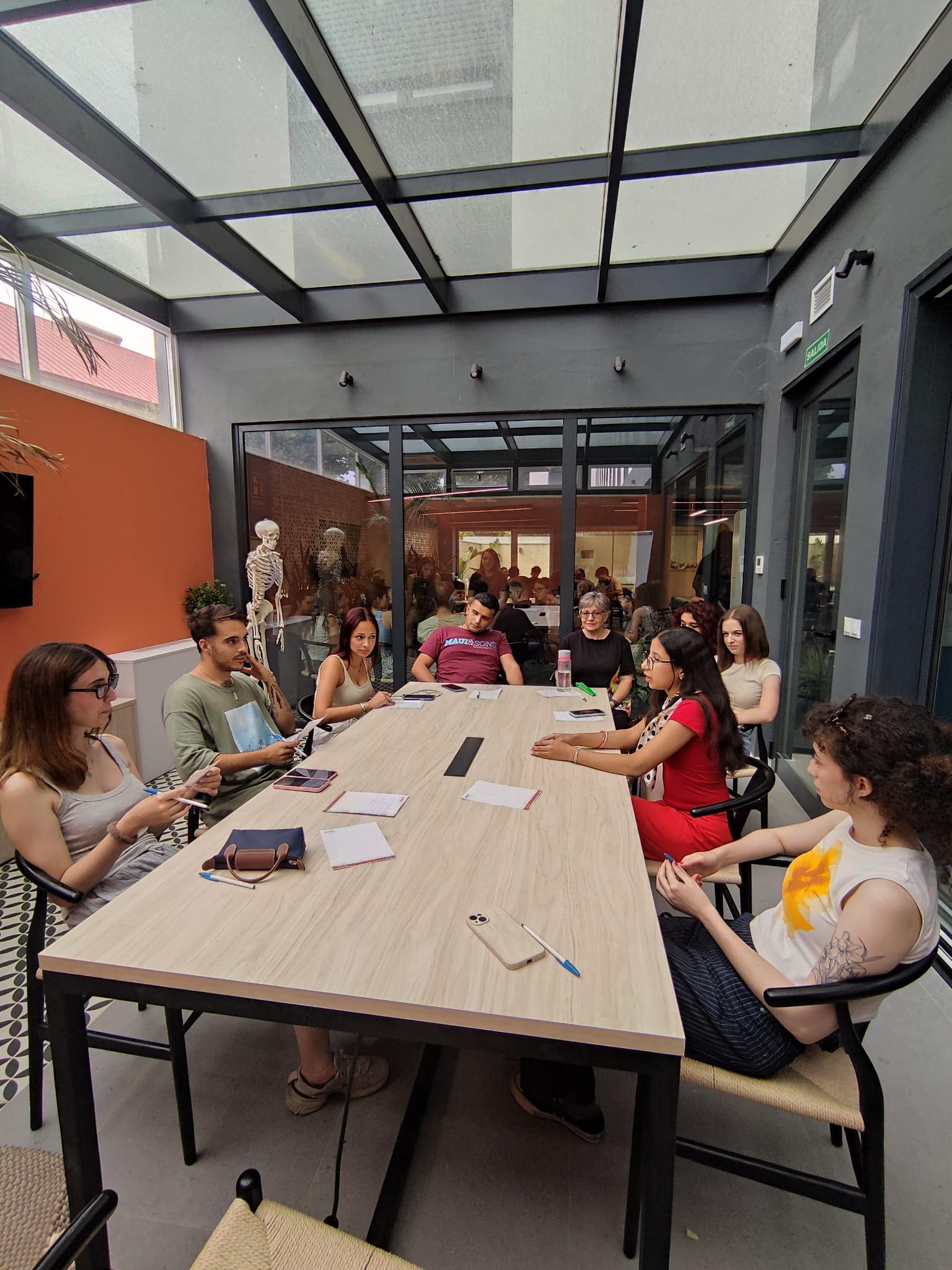
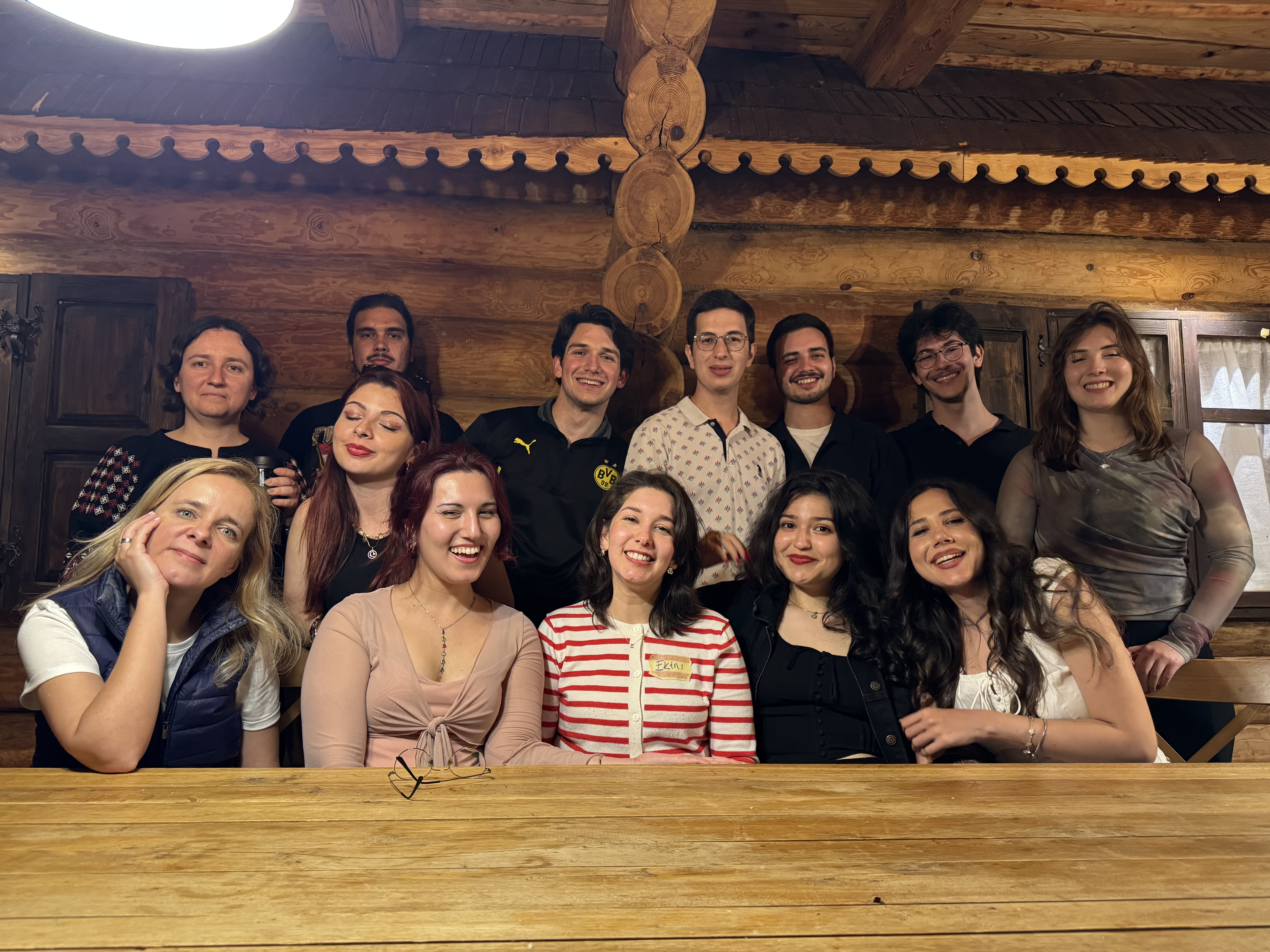
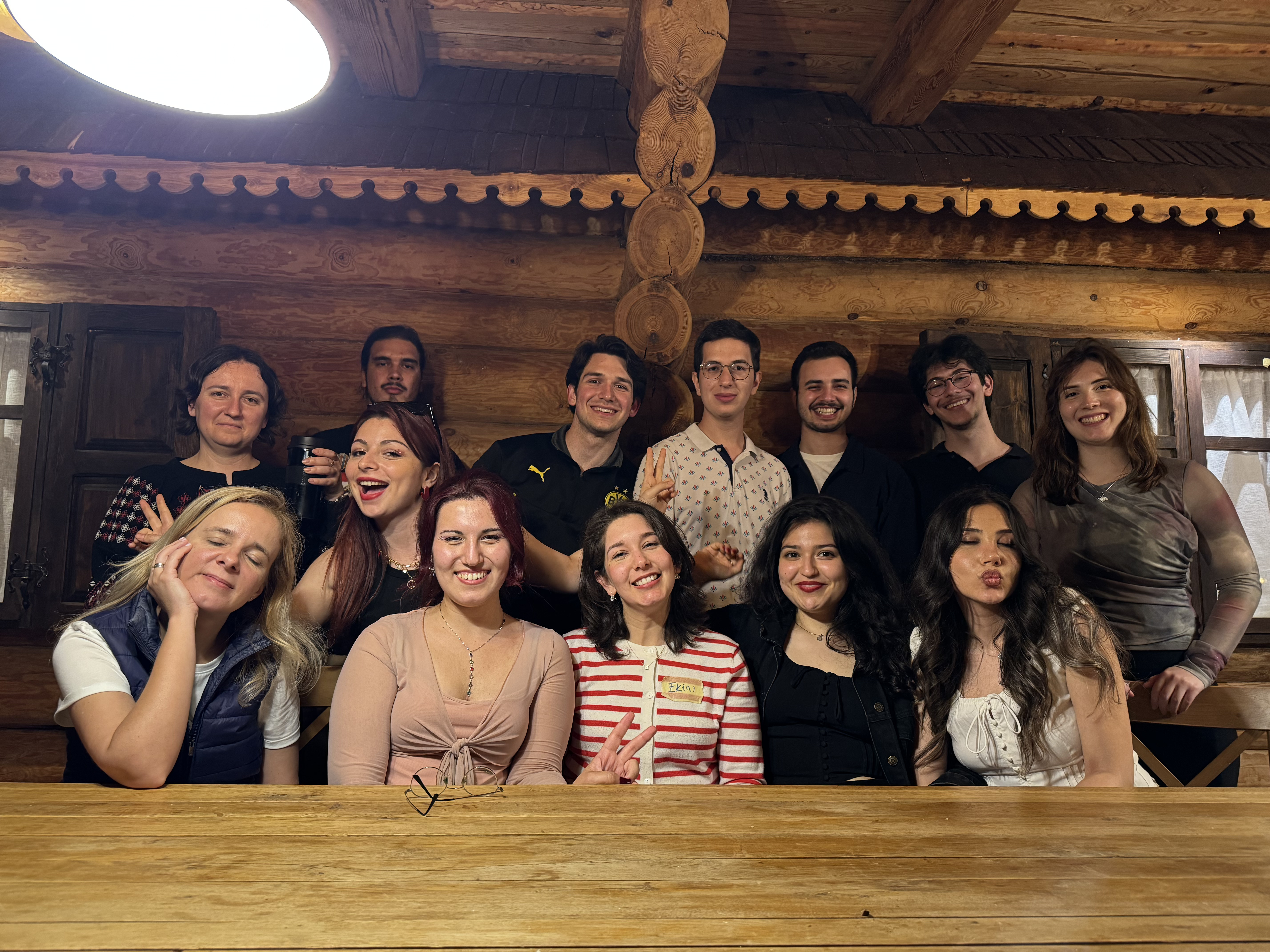
During my week in Kaunas, I experienced this directly rather than only learning it in theory. We redrew the world with a piece of string, discussed the future of technology through a short film, explored the roots of problems with a tree, experienced democratic life through a simulation and sat around the same table with people from different countries to talk about the world.
If people from different countries, cultures and life experiences can come together and create a shared learning space, there is good reason to believe that change is possible on a larger scale as well.
Changing the world does not always require enormous steps. Sometimes it is enough to gather around the same table, listen to one another and begin thinking together.
Empowering Youth for a Sustainable Future Erasmus+ Project Participant Yücel Cultural Foundation Youth Page Erasmus+ Experience Stories