A Green Journey: Green Is the Future in Thessaloniki
The Green Is the Future Erasmus+ project in Thessaloniki focused on sustainability, climate change, recycling, reuse and eco-friendly lifestyles. For me, it was an intense and productive experience where I learned by applying what we discussed.
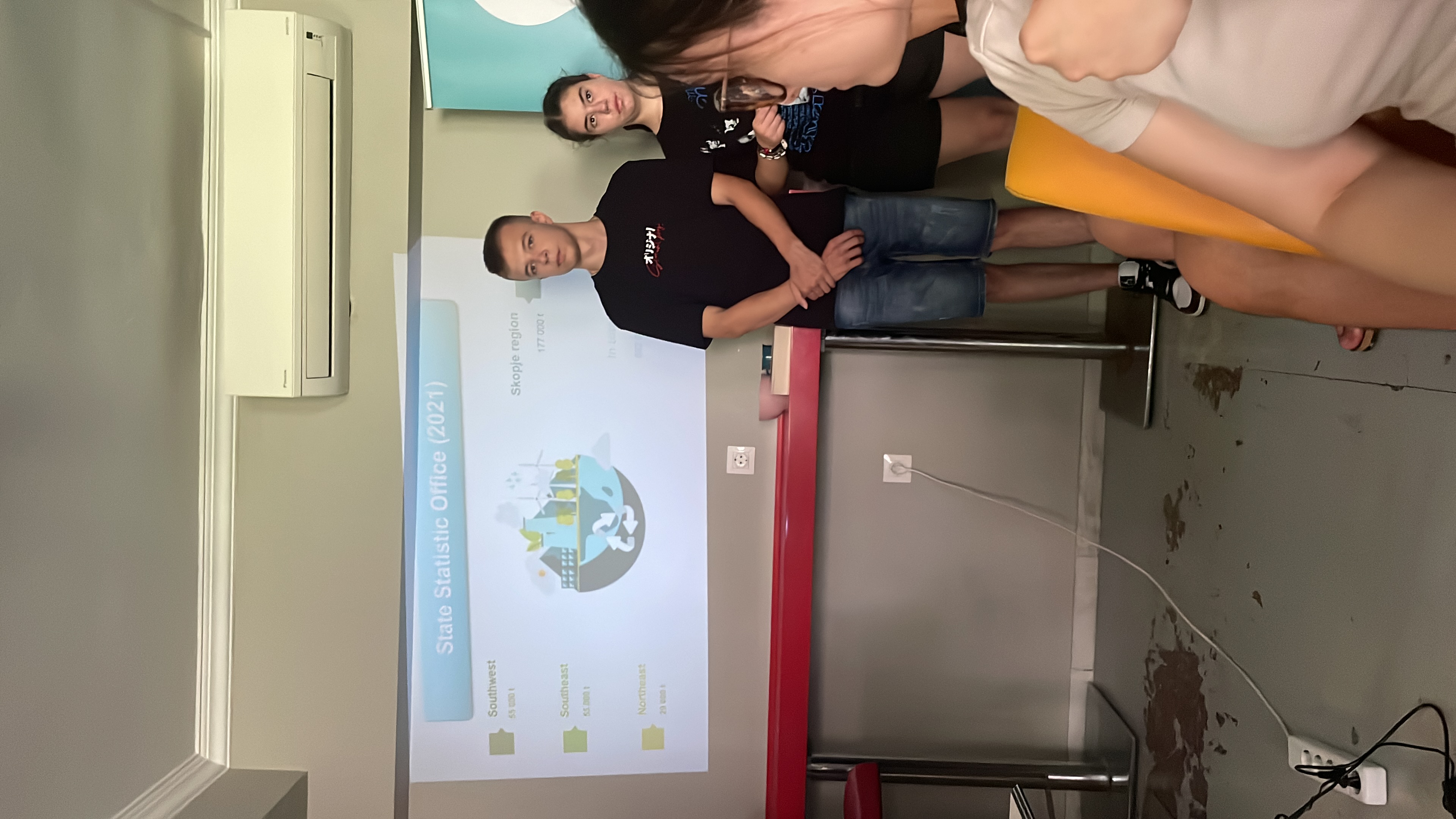
Before joining the project, I had heard of the concept of Green Travel, but I had never had the chance to experience it. Thanks to this project, I saw in practice how we can reduce our environmental impact while travelling and how we can consider more eco-friendly transportation options.
I realized that Green Travel can be not only environmentally friendly, but also budget-friendly and enjoyable. I think I will continue to prefer this approach in my future travels.
First steps in Thessaloniki
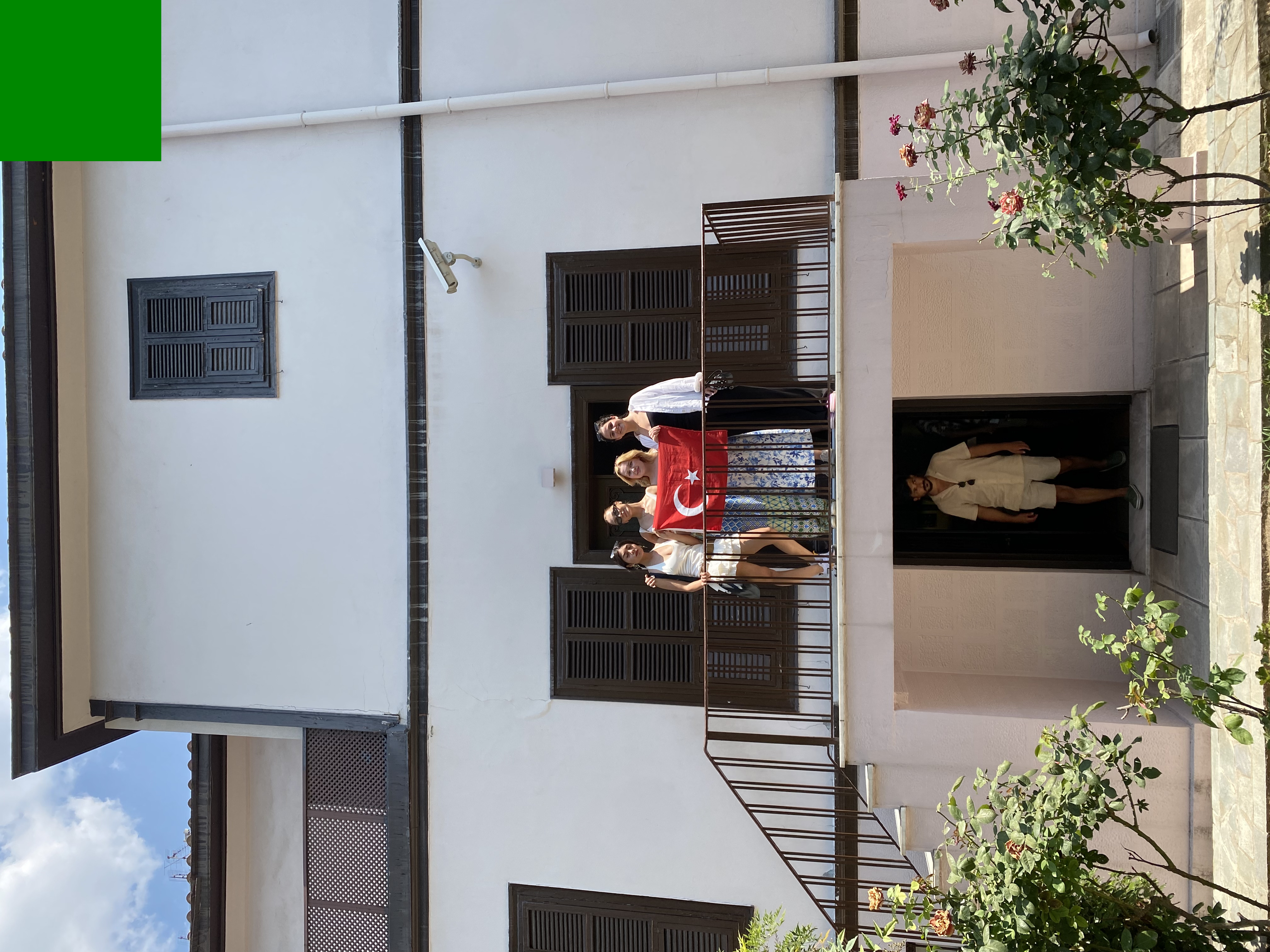
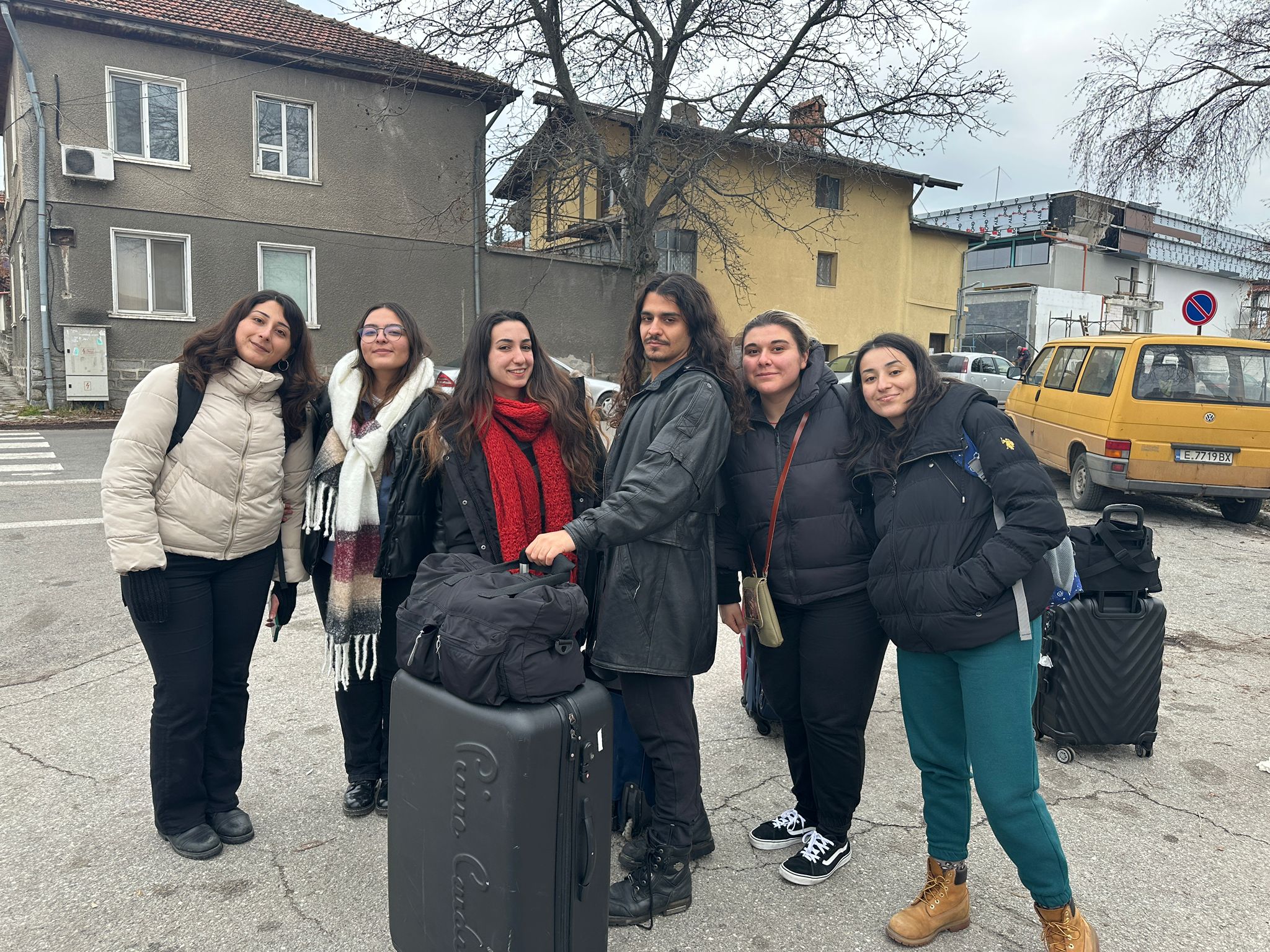
On the arrival day, we checked into the hostel around noon and settled into our rooms. At dinner, we all came together and introduced ourselves.
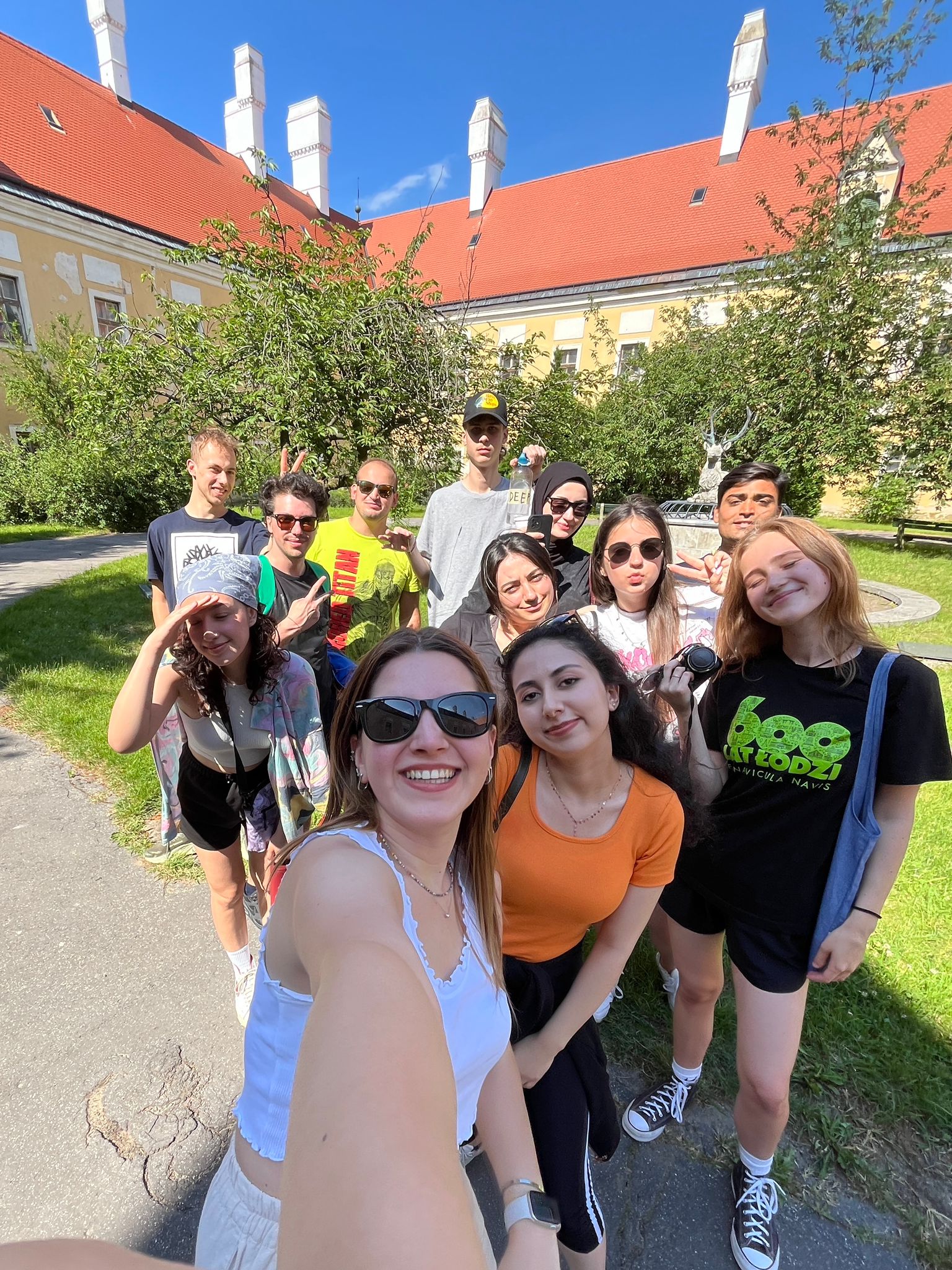
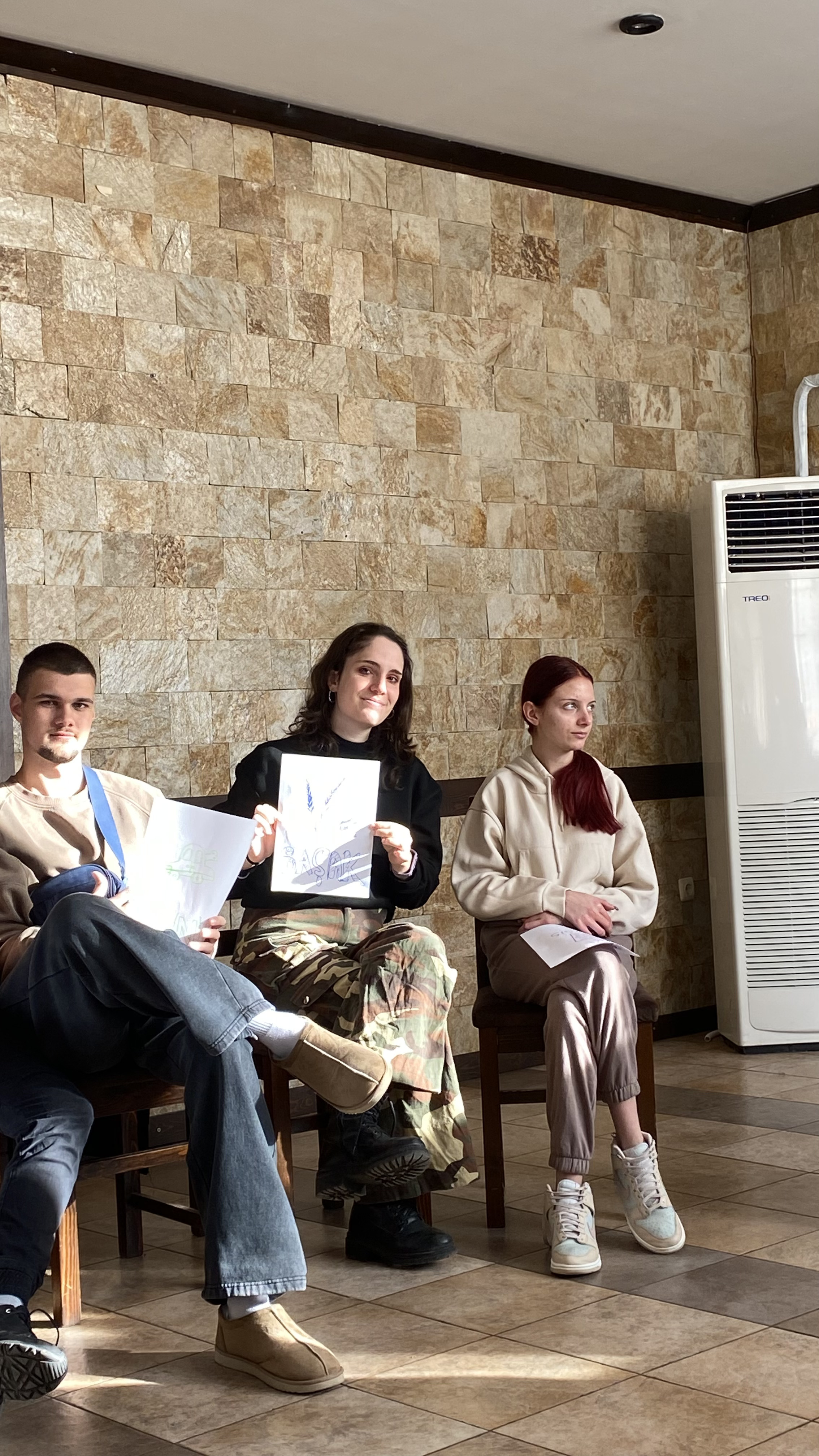
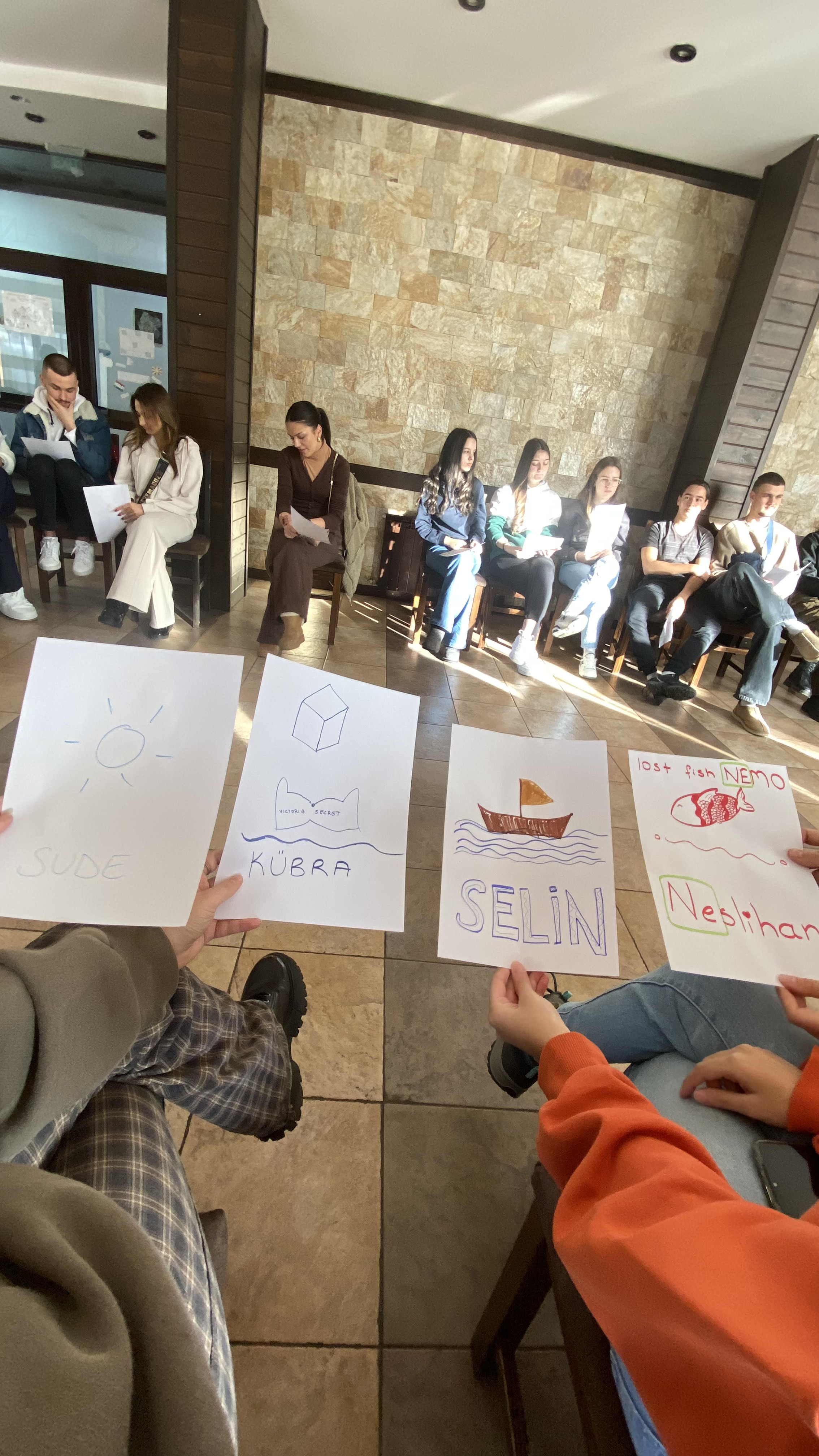
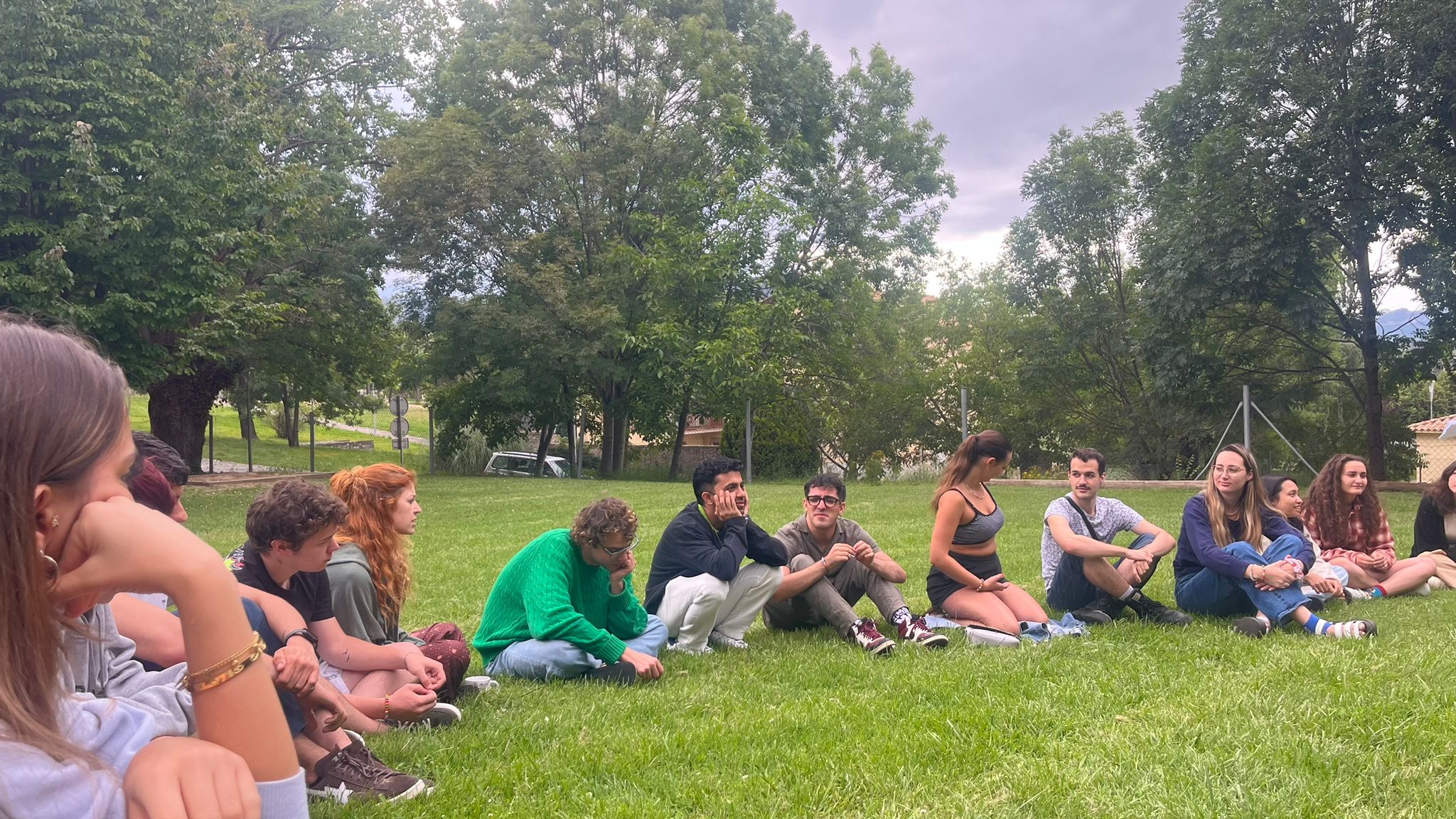
The next day, the project officially began. Since we were a large group, we were divided into smaller groups for most activities. We started to get to know each other better through icebreaker games. In Aristotle Square, we talked about our expectations, fears and the contributions we could bring to the project.
Becoming a team and sharing cultures
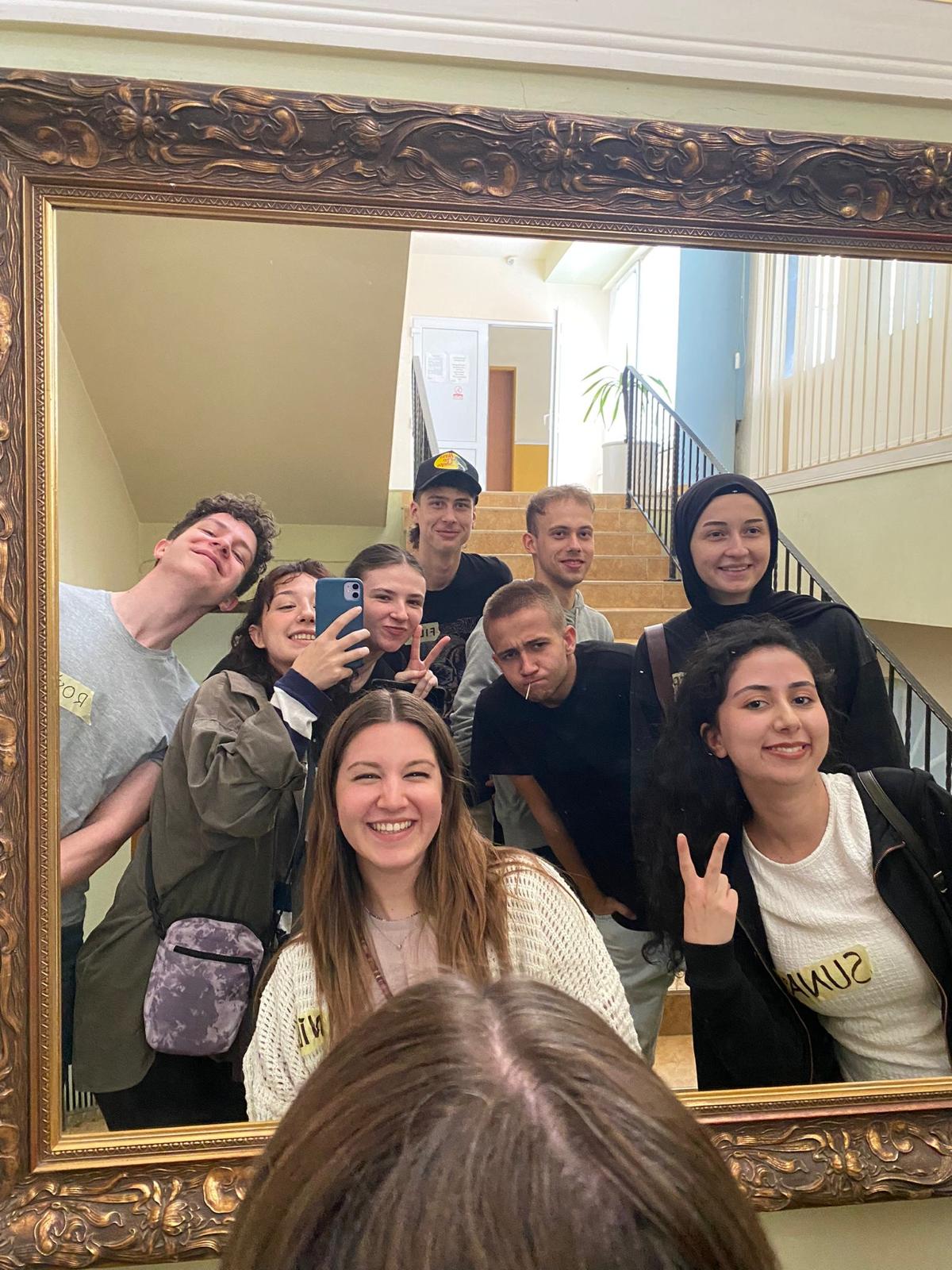
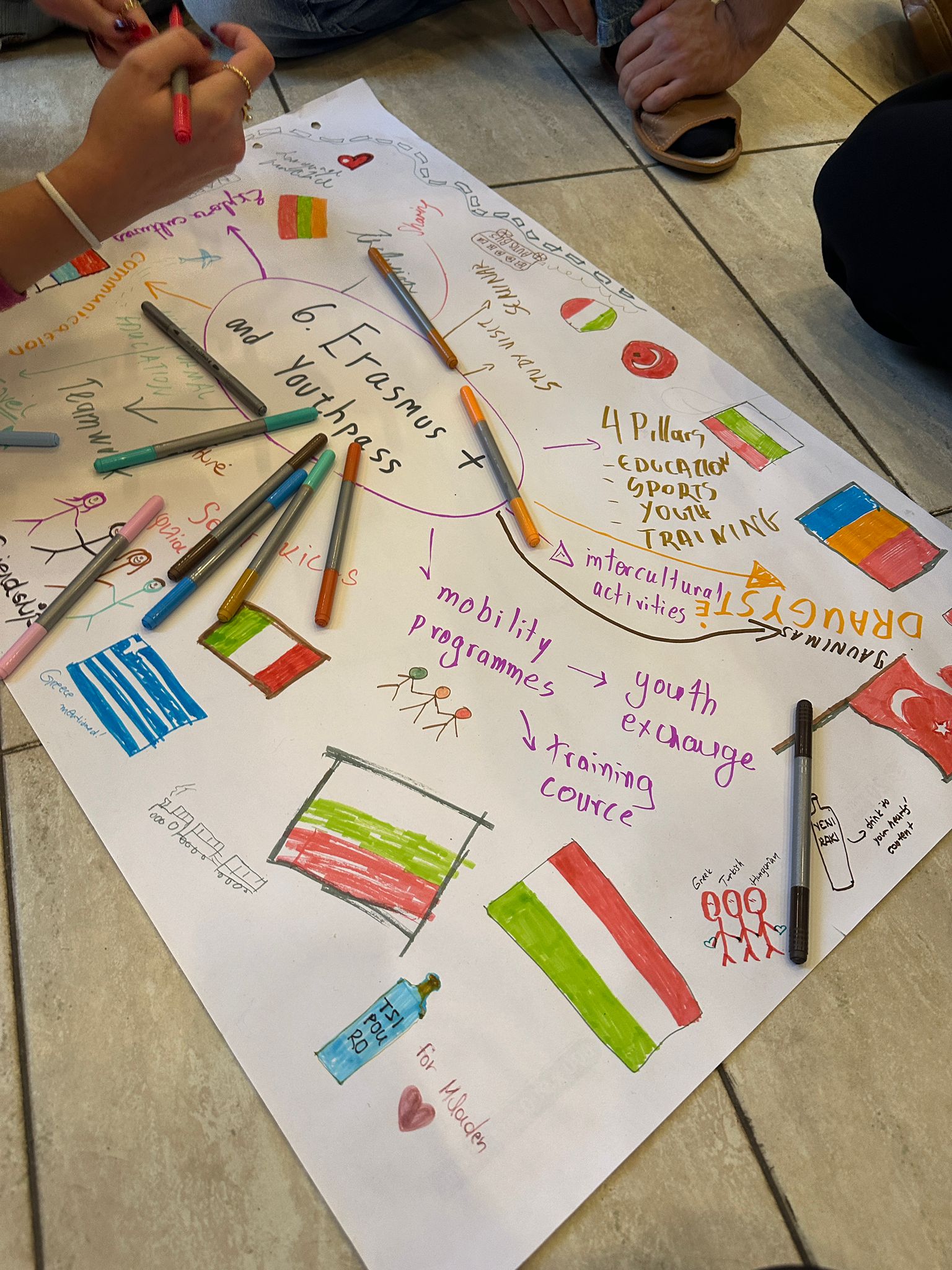
The second day began with team-building activities. By working with different groups, we played various games that strengthened our communication and solidarity within the team.
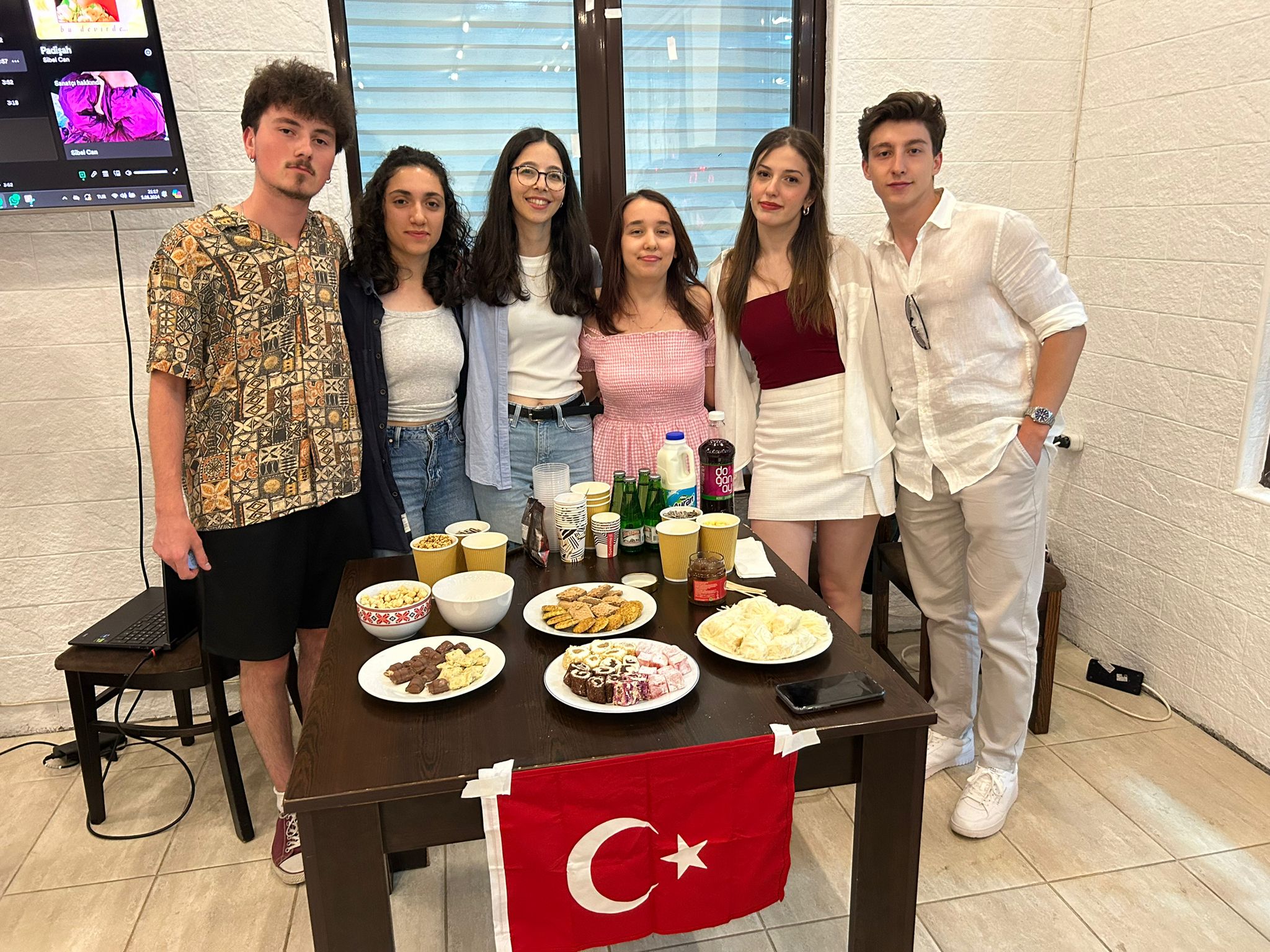
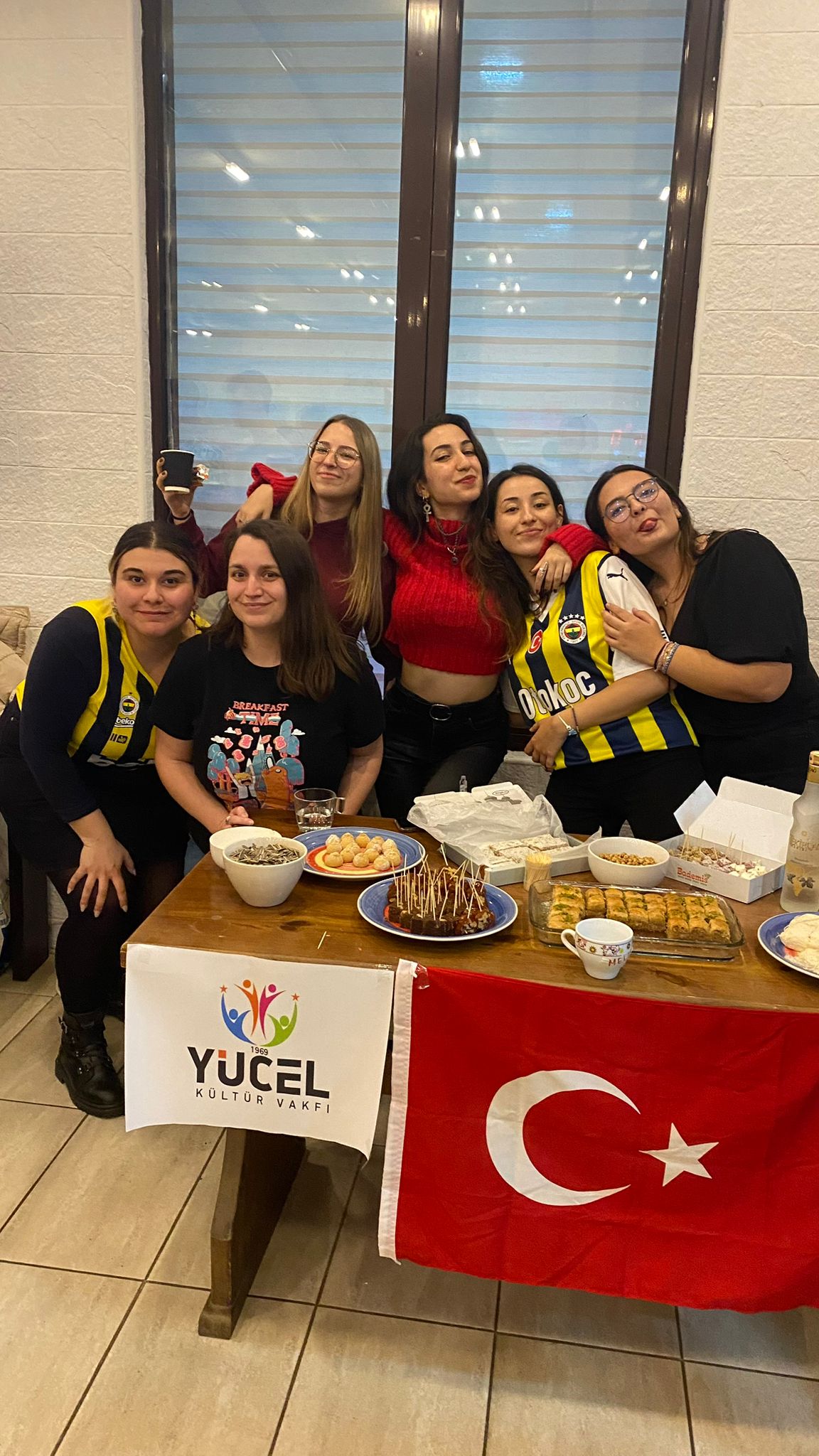
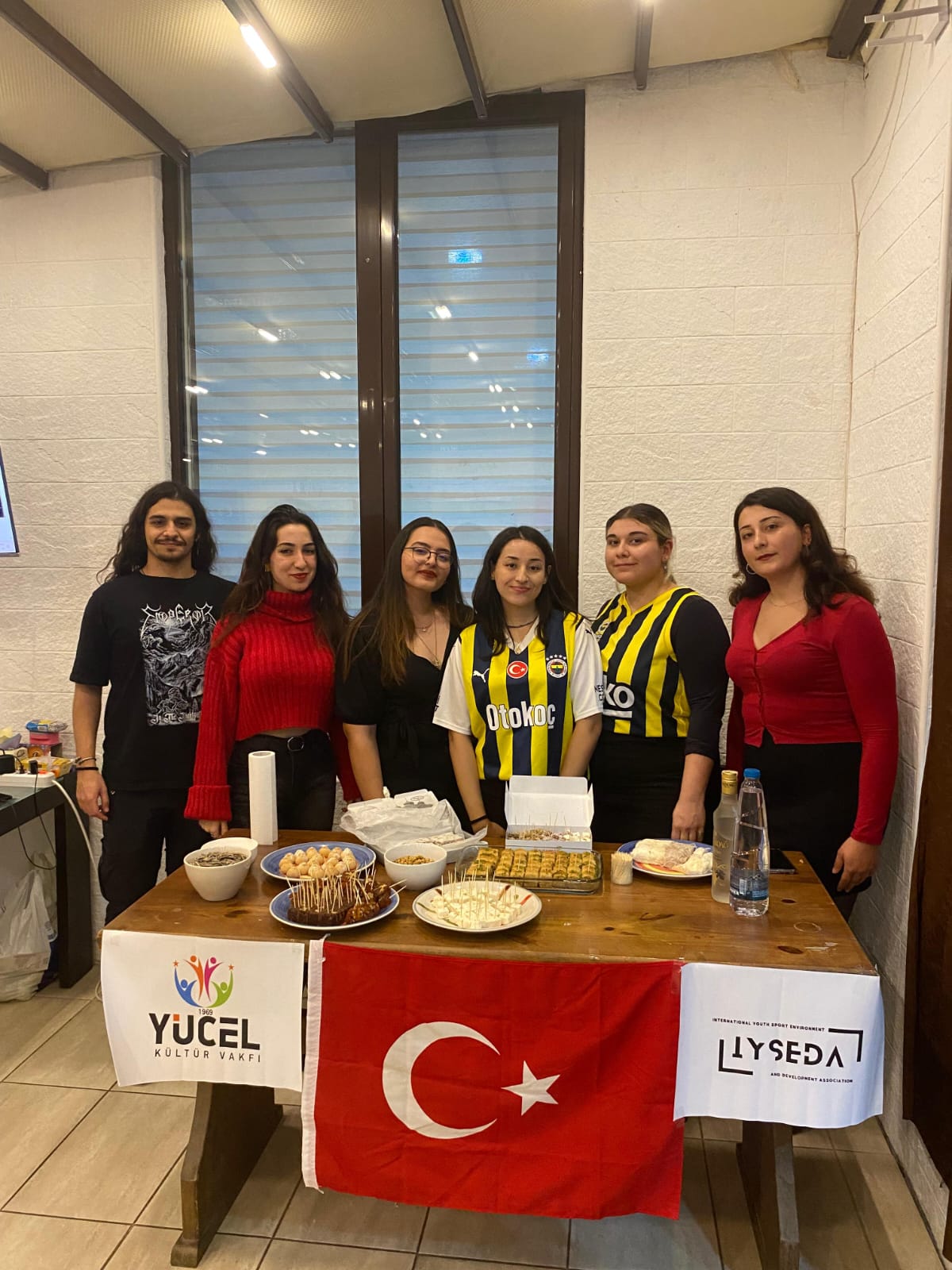
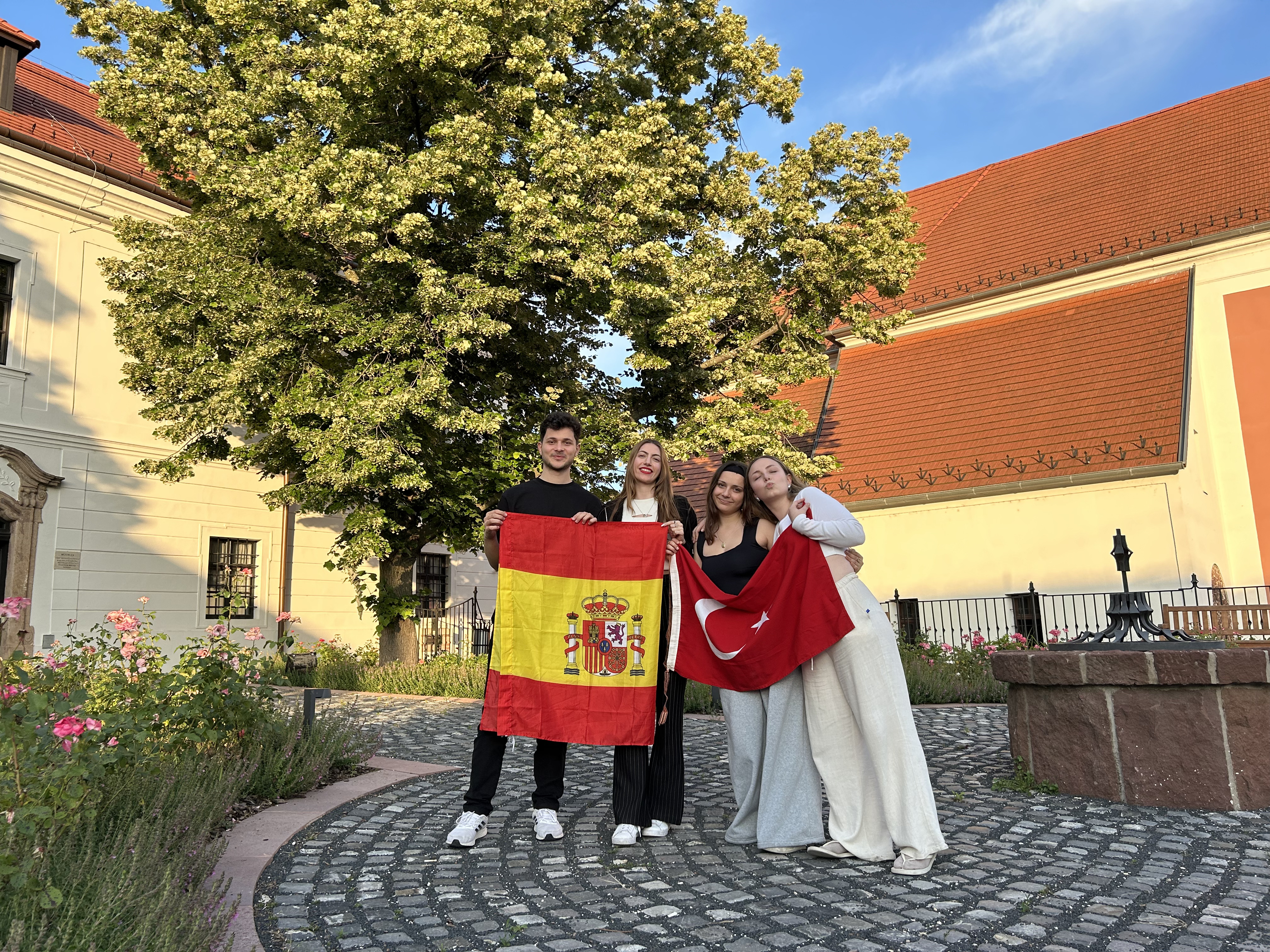
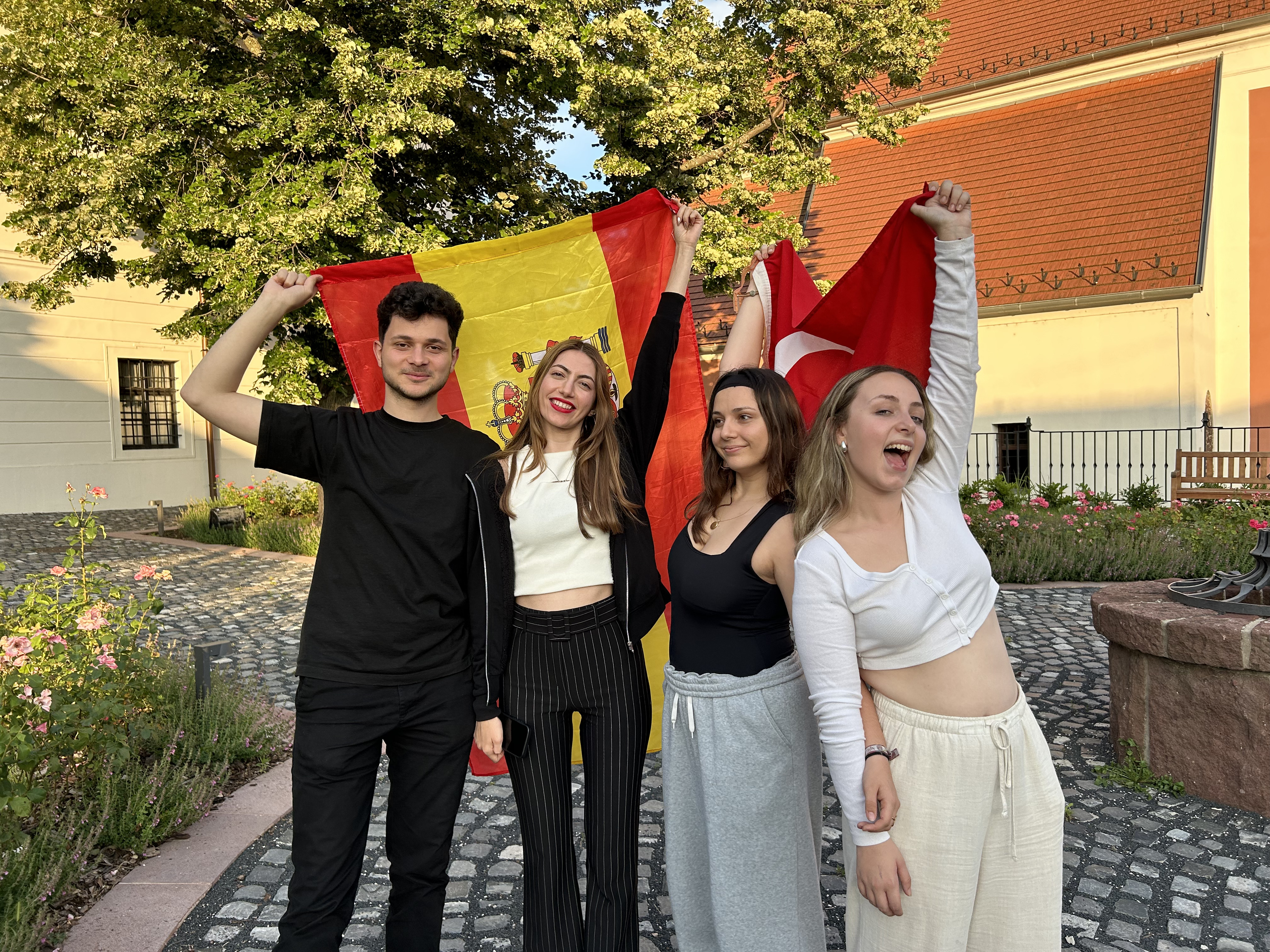
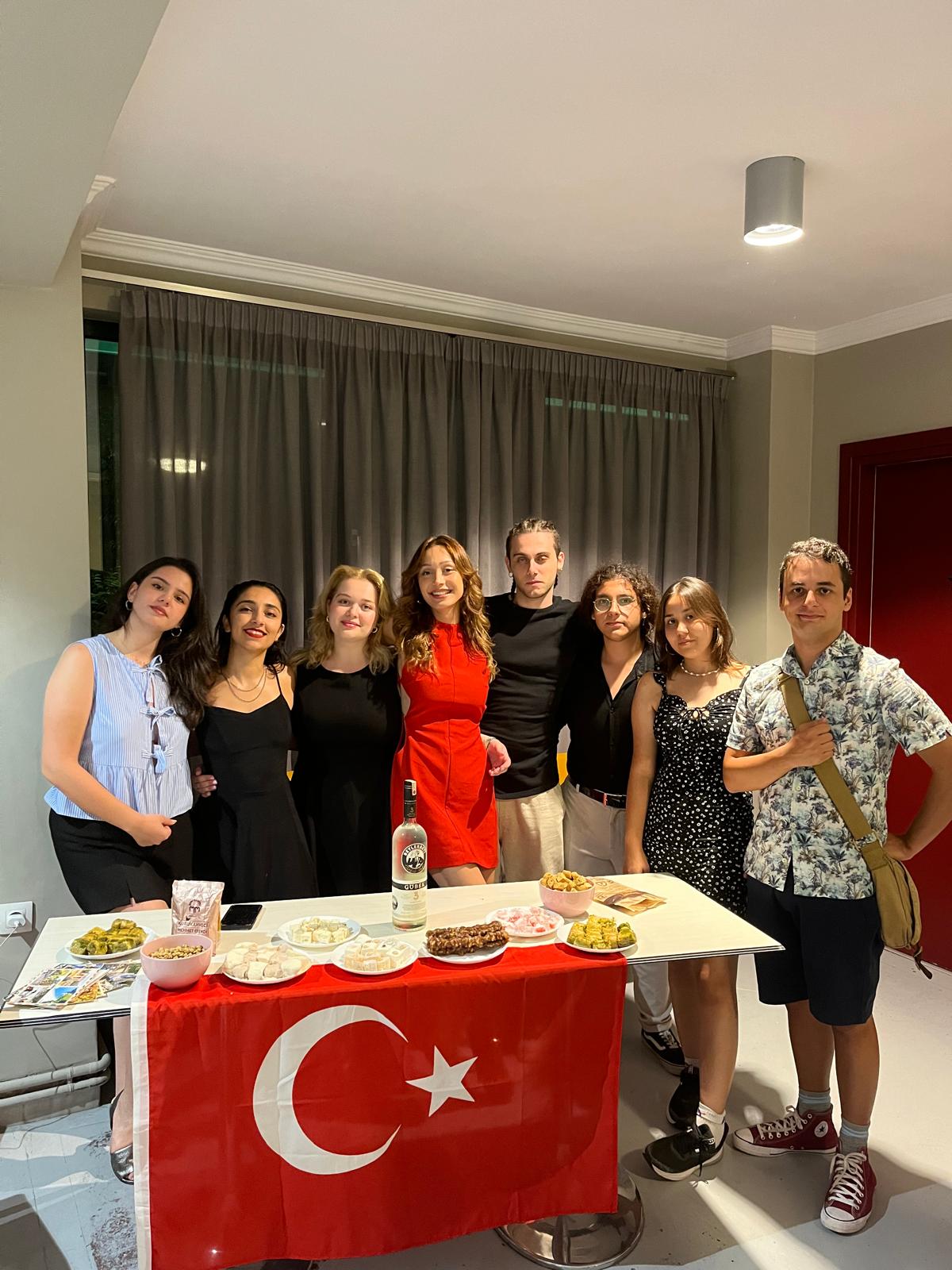
The intercultural evening held later that day was one of the most enjoyable parts of the project. Participants from different countries shared their cultures, food and traditions. Through these activities, we not only practised English, but also learned many daily expressions from different languages.
Understanding climate change through different countries
Throughout the project, we listened to presentations on the local and global effects of climate change. It was very instructive for me to see that climate change is not only a distant or future problem, but an issue that is already creating serious effects in different regions.
Seeing how different countries approach recycling, waste management and eco-friendly lifestyles also helped me look at practices in my own country from a different perspective.
Upcycling, veganism and the power of small changes
One of the most lasting learning experiences of the project was the upcycling workshop. Seeing in practice how waste materials can be reused for completely different purposes made this concept much more concrete for me.
In the session led by the Portuguese team, we discussed whether veganism could be a solution to environmental problems. In the Greek team’s session, we reflected on how small social movements can lead to large systemic changes.
Green Travel and thrifting
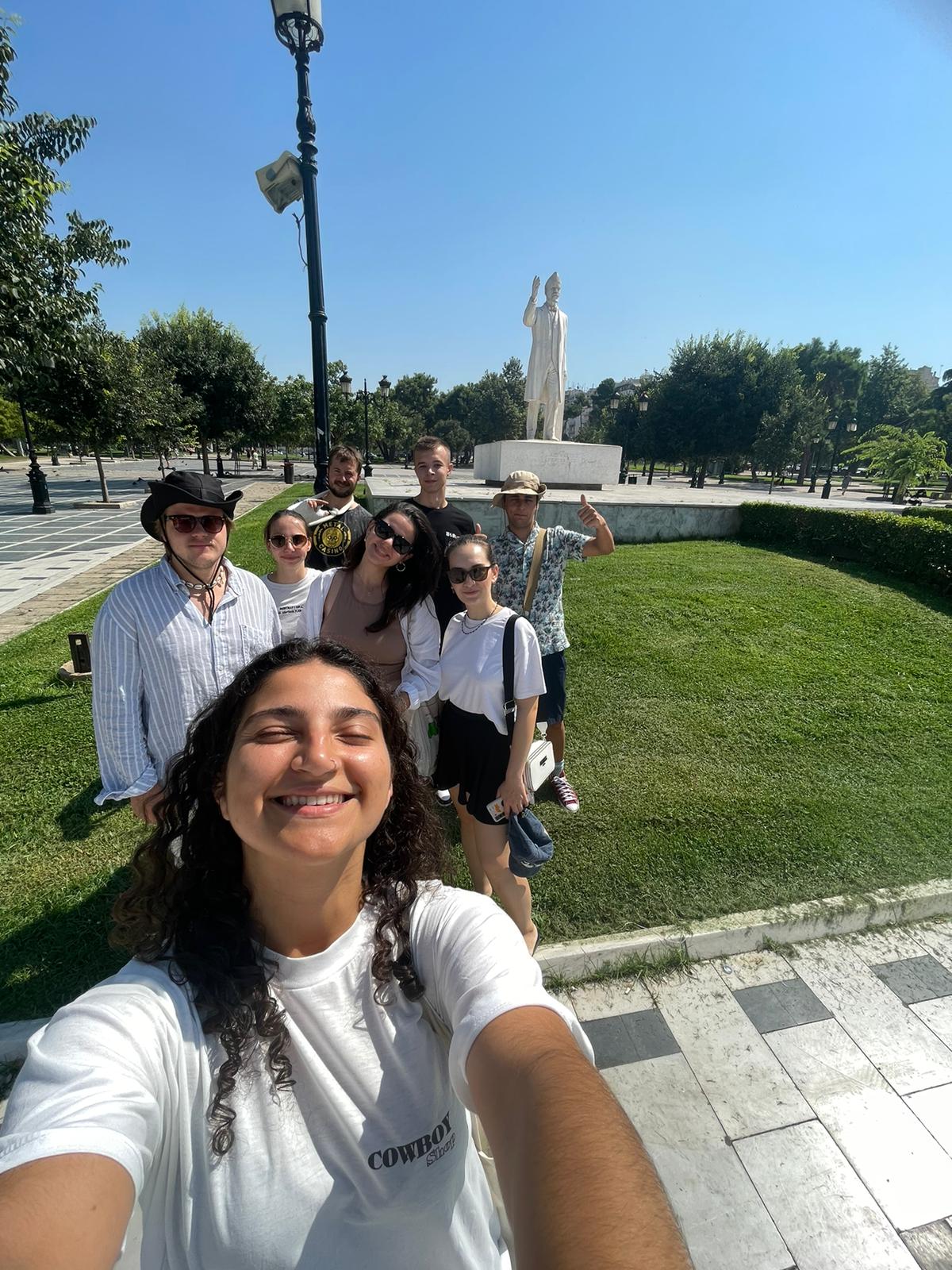
On our free day, we had a task within the project: to speak with local people about climate change and understand their awareness of the topic. Thanks to this activity, we had the chance to talk not only with project participants, but also with people living in Thessaloniki.
During the same process, I also experienced thrifting. Although I had heard of this approach before, I had never tried it in my own life. We explored it together with friends and learned different tips from one another. I saw that thrifting can be part of sustainable living by reducing consumption and giving usable products a second life.
Expressing what we learned in creative ways
In the final days of the project, we focused on creating audiovisual materials. We tried to communicate what we had learned throughout the project through short films, advertising campaigns, posters, rap music and drama.
These activities were very valuable for me. We experienced that explaining a topic does not only mean making a presentation; art, video, music, drama and visual design can also be powerful methods.
What did Green Is the Future bring me?
Thanks to this project, I gained a broader perspective on environmental sustainability and climate change. In addition to recycling and upcycling, I experienced concepts such as Green Travel and thrifting, which I had only heard of before.
Collaborating with people from different cultures, being part of a large group and working with different people every day improved my social skills. Practising English and learning daily expressions from different languages were also valuable parts of the experience.
Most importantly, this experience showed me that sustainability is not only the responsibility of large institutions or governments. The small steps we take in our daily lives also matter.
Travelling more consciously, changing our consumption habits, reusing usable products, choosing second-hand options or raising awareness among people around us may seem small, but they can all become parts of a more sustainable future.
Green Is the Future Erasmus+ Project Participant Yücel Cultural Foundation Youth Page Erasmus+ Experience Stories