Eco SafeGuard: Learning to See the World Differently
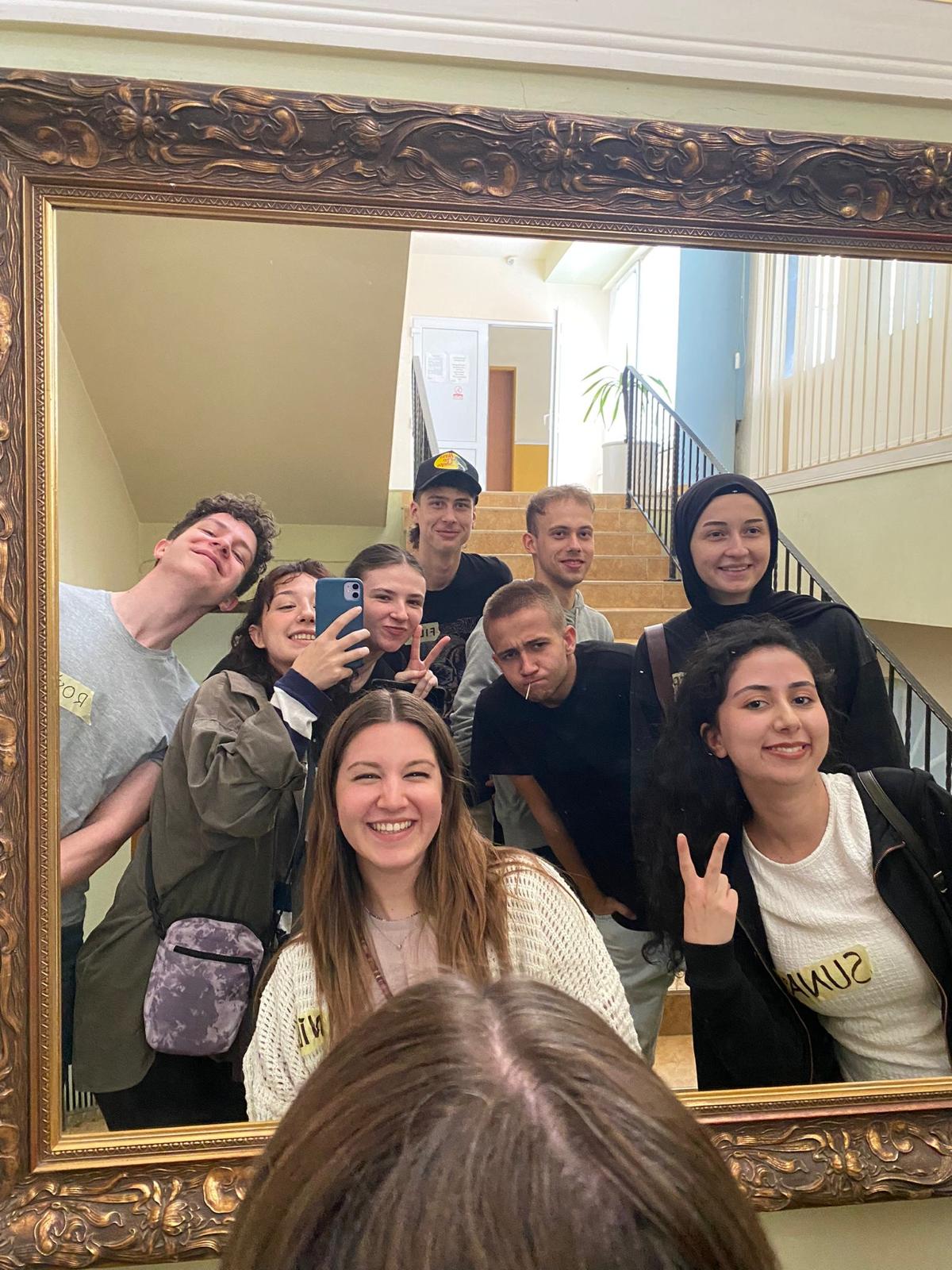
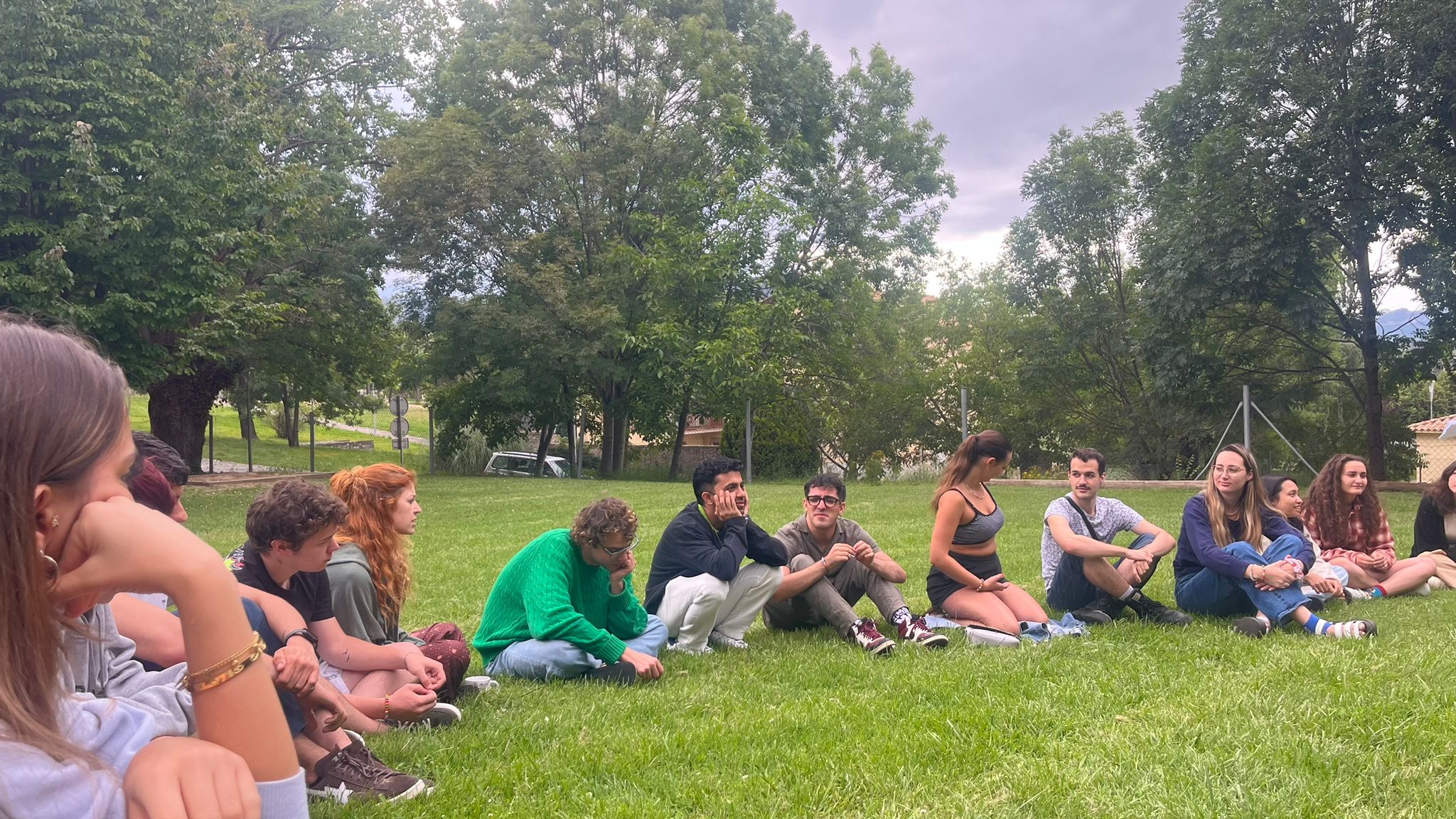
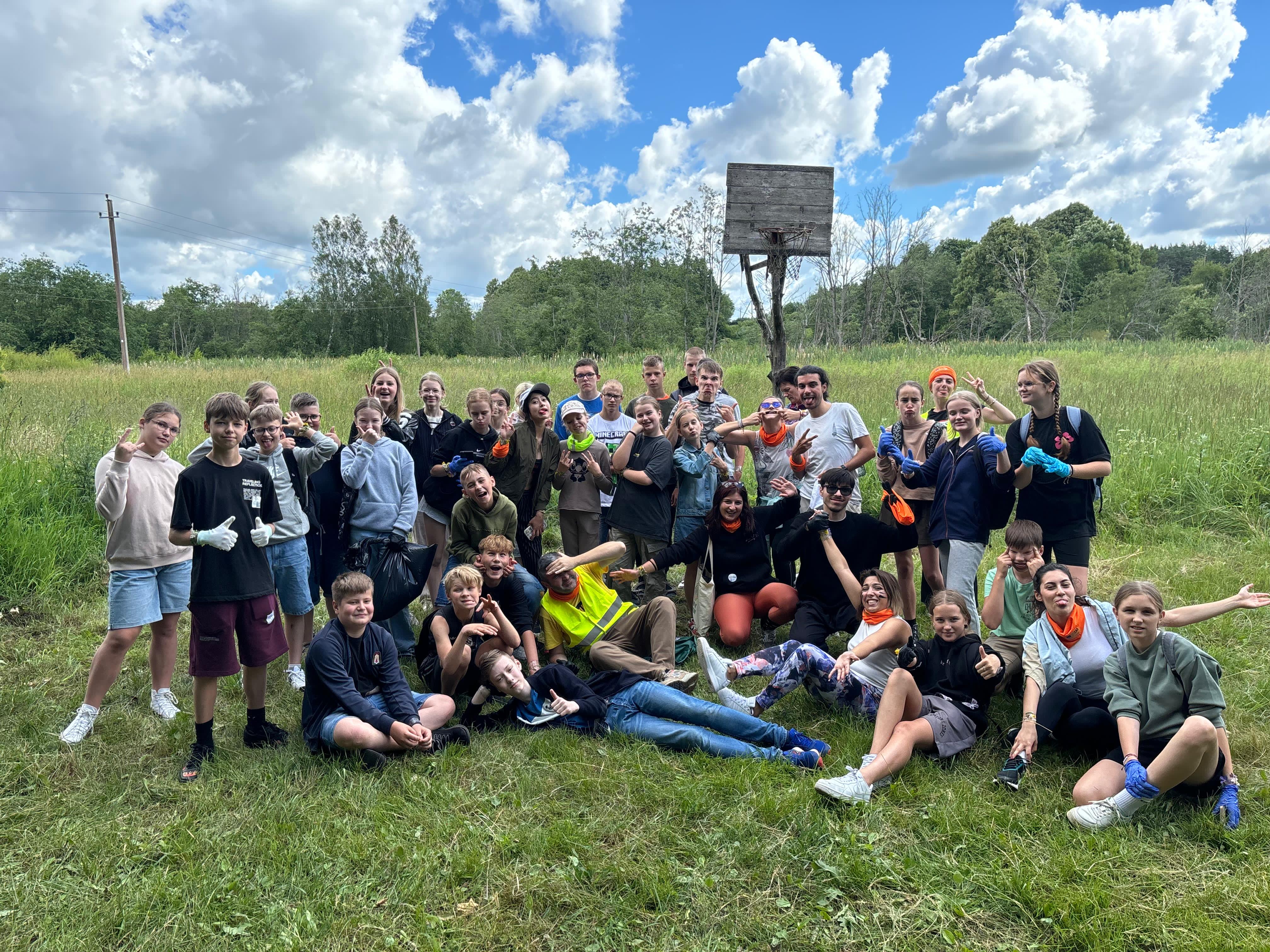
Eco SafeGuard was not only an Erasmus+ project about sustainability for me. During ten days in Bansko, I worked with young people from different countries around a shared purpose, created together, discussed, laughed and shared many parts of our daily lives while learning to see the world a little differently.
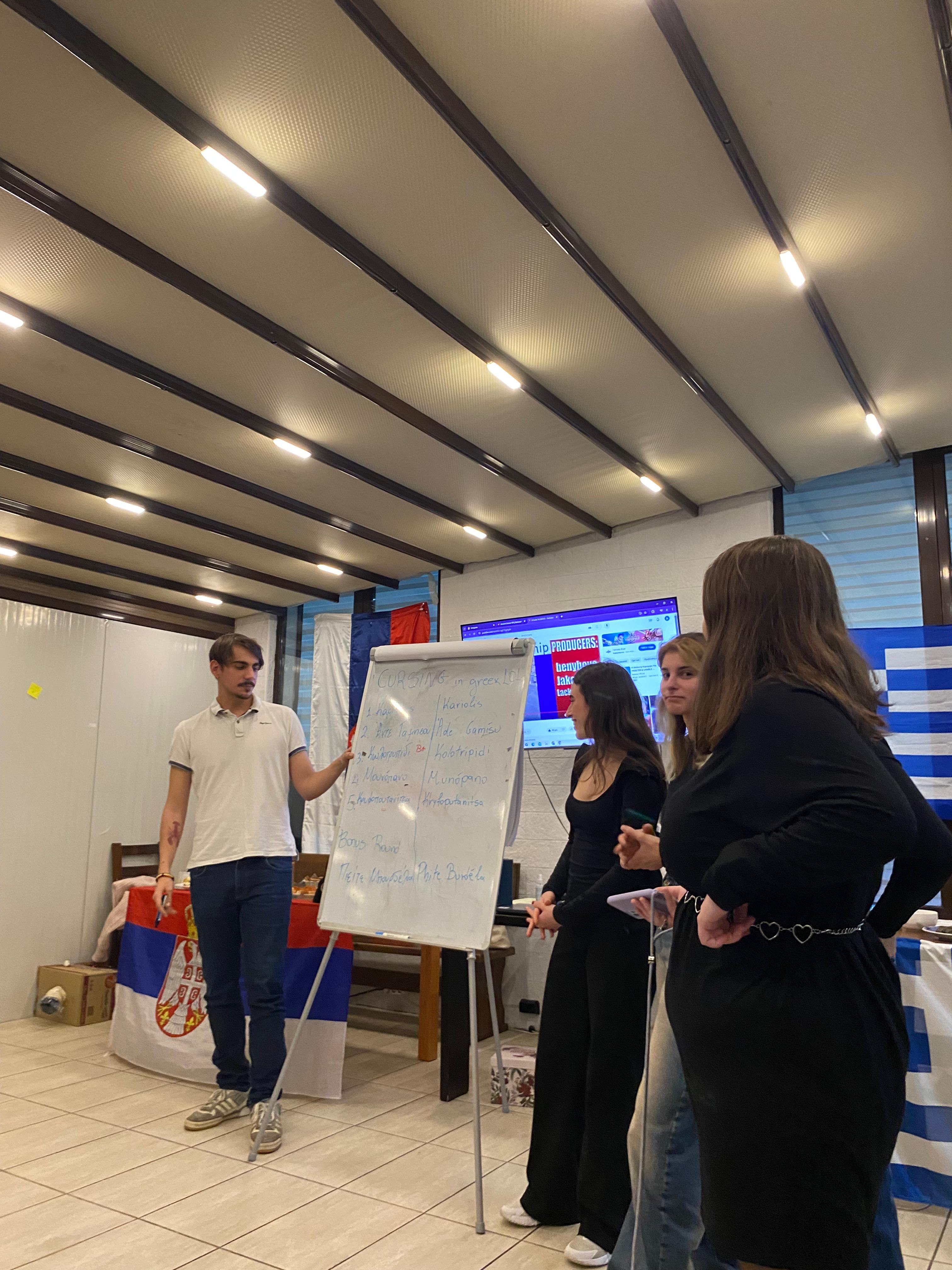
When going to an Erasmus+ project, a few questions usually come to mind: Who will I meet? How will the program go? Will I be able to get along with new people? Will the project really add something to me?
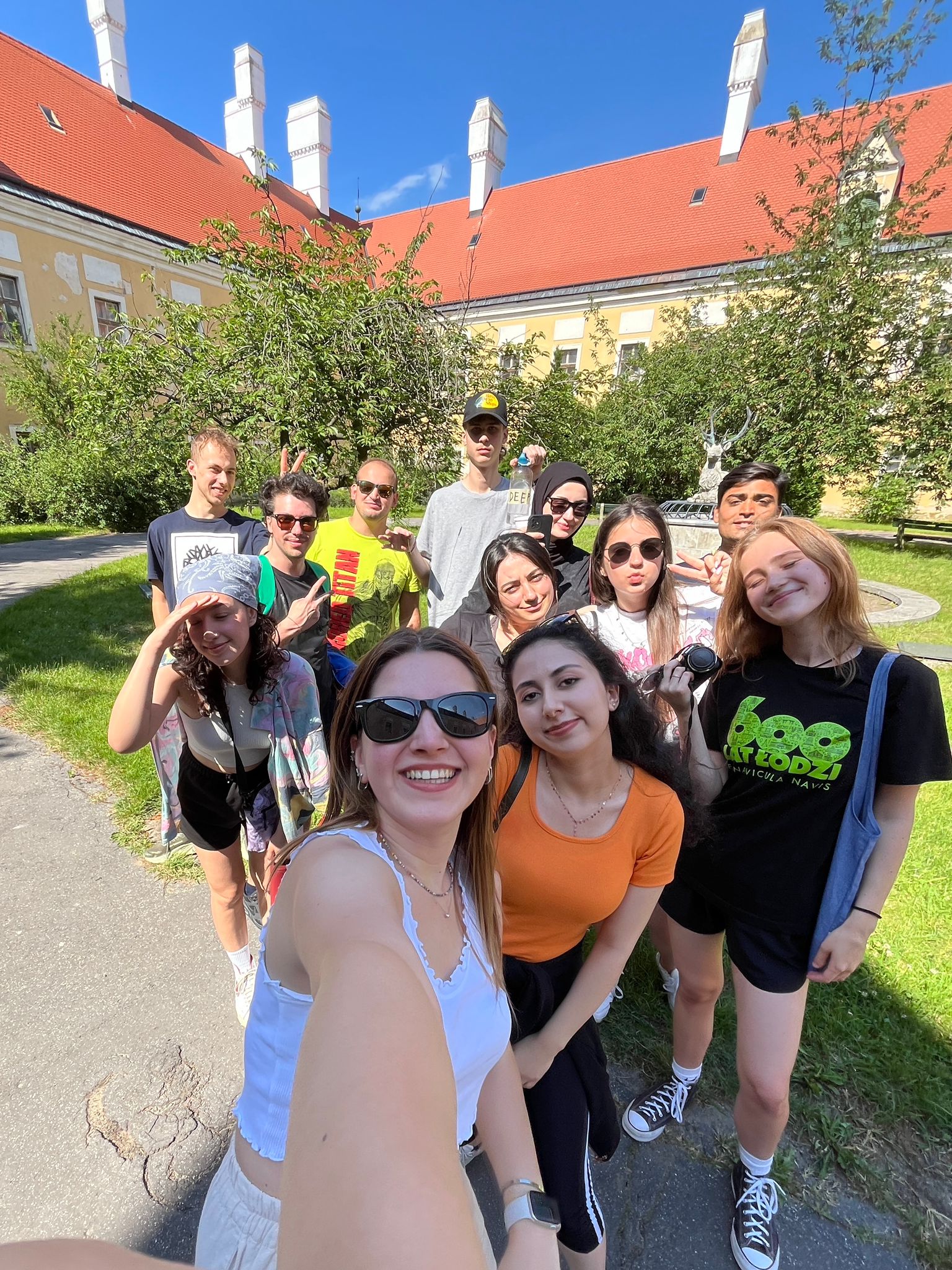
In my Eco SafeGuard journey, the answers to these questions slowly appeared during the ten days I spent in Bansko. In the first days, we were mostly trying to get to know one another and become part of the group. By the final day, we had worked with people from different countries around the same purpose, created together, discussed, laughed and shared many parts of our daily lives.
That is why I remember this project not only as an Erasmus+ project on sustainability, but also as a long journey where I experienced learning and creating together with different people.
First day: at the same table with people I did not know
The first day we arrived in Bansko was mostly about settling in and getting to know one another. Being in the same environment with people from different countries was something that took a little getting used to at first.
We did not even fully know one another’s names. In the first activities, we had random pair conversations. Then we tried to raise the energy of the group through different introduction games.
I later realized how important these activities, which seemed quite simple at first, were for the following days of the project. Because in a few days, we would start working again and again with the same people.
On the first day, we were asking one another “Hello, where are you from?” A few days later, we were sitting at the same table discussing an idea for hours, spending evenings together and listening to stories from one another’s lives.
Teamwork was different from what I imagined
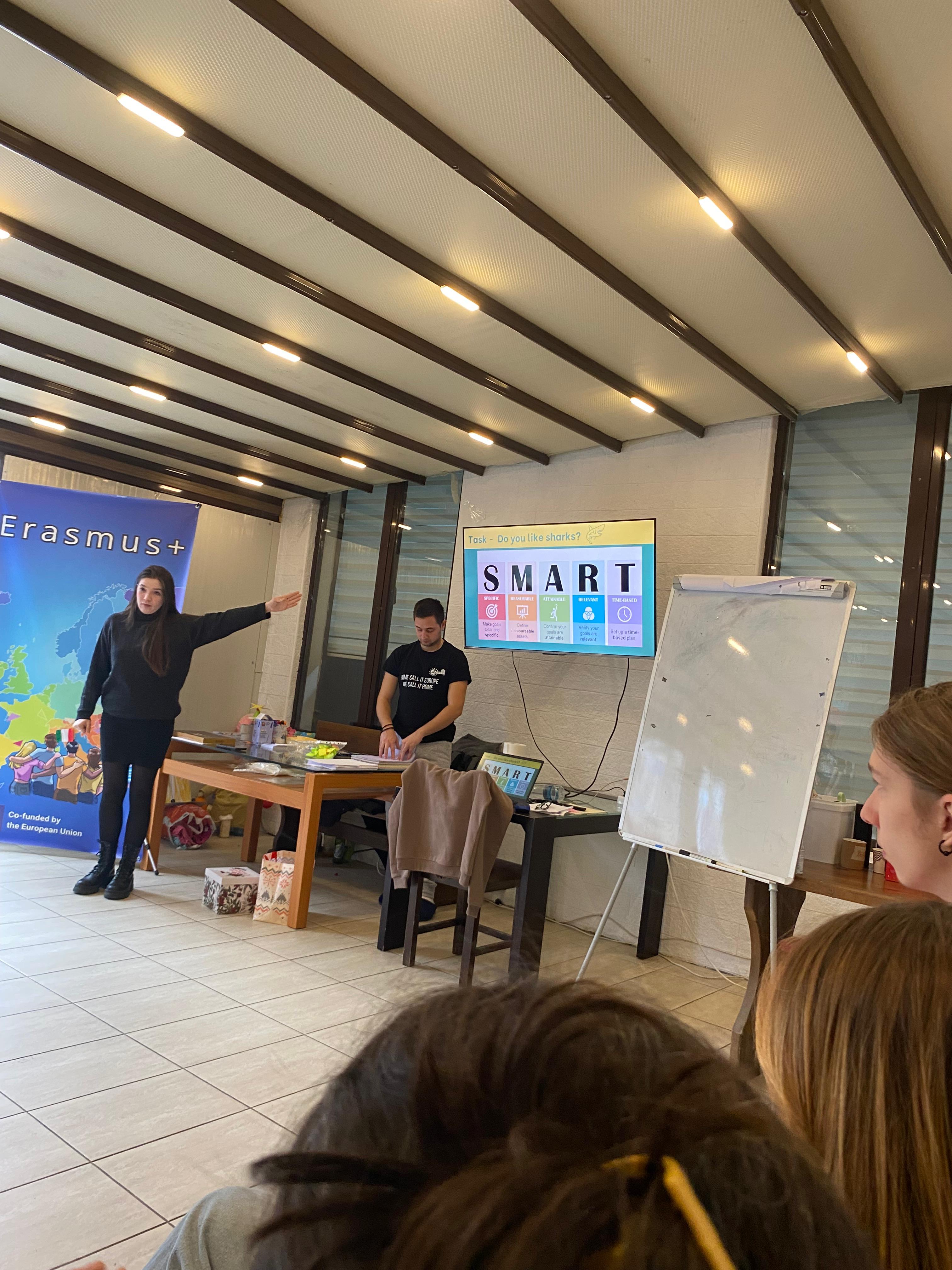
This project was an important experience for me especially in terms of teamwork. Although I had worked in groups before, creating a common output within a limited time in a team made up of people from different countries was a new experience for me.
Everyone’s working style was different. Some wanted to generate ideas quickly, while others wanted to think through all the details first. Some were more comfortable with presentations, while others stood out in research and content production.
At first, these differences could create a small sense of confusion. But over time, we saw that the purpose of teamwork is not to make everyone behave in the same way. On the contrary, it is to bring different skills together and produce a common result.
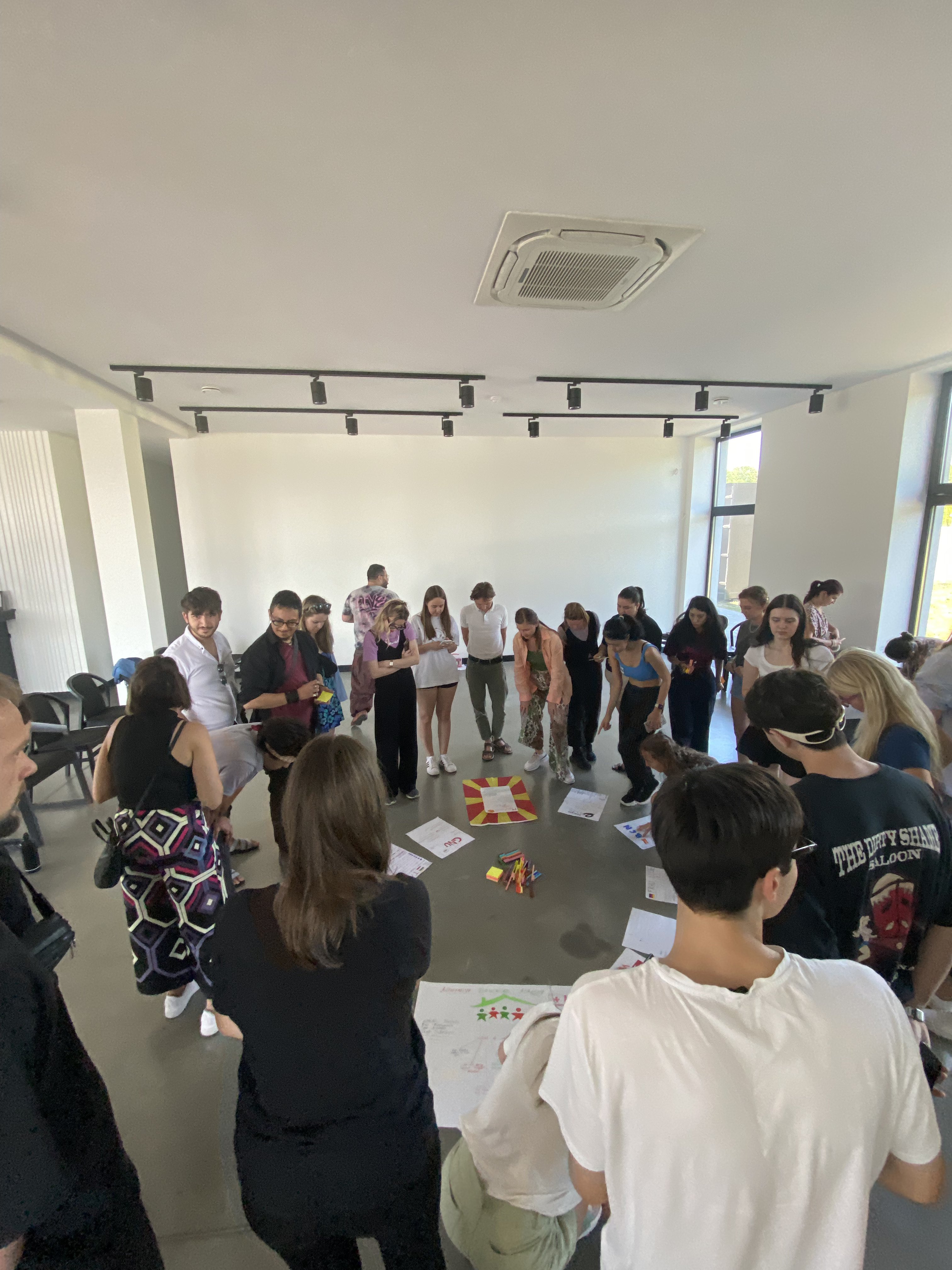
We worked with friends from our own country in national teams and with participants from different nationalities in international teams. During these activities, we did not only complete our tasks; we also observed how other people think and solve problems.
I reconsidered what I knew about sustainability
Sustainability was at the center of Eco SafeGuard. But throughout the project, we did not treat sustainability only as “protecting the environment.”
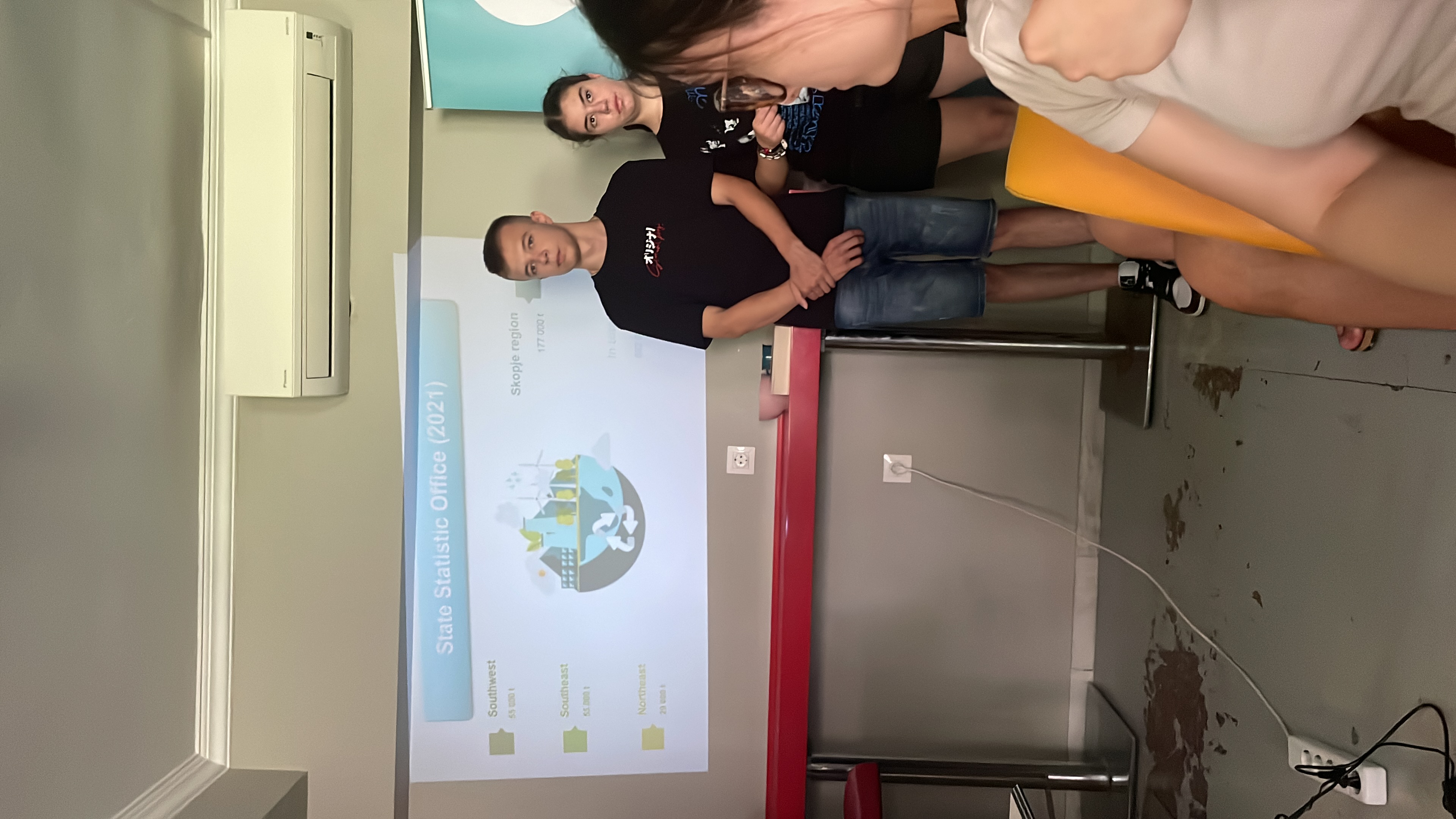
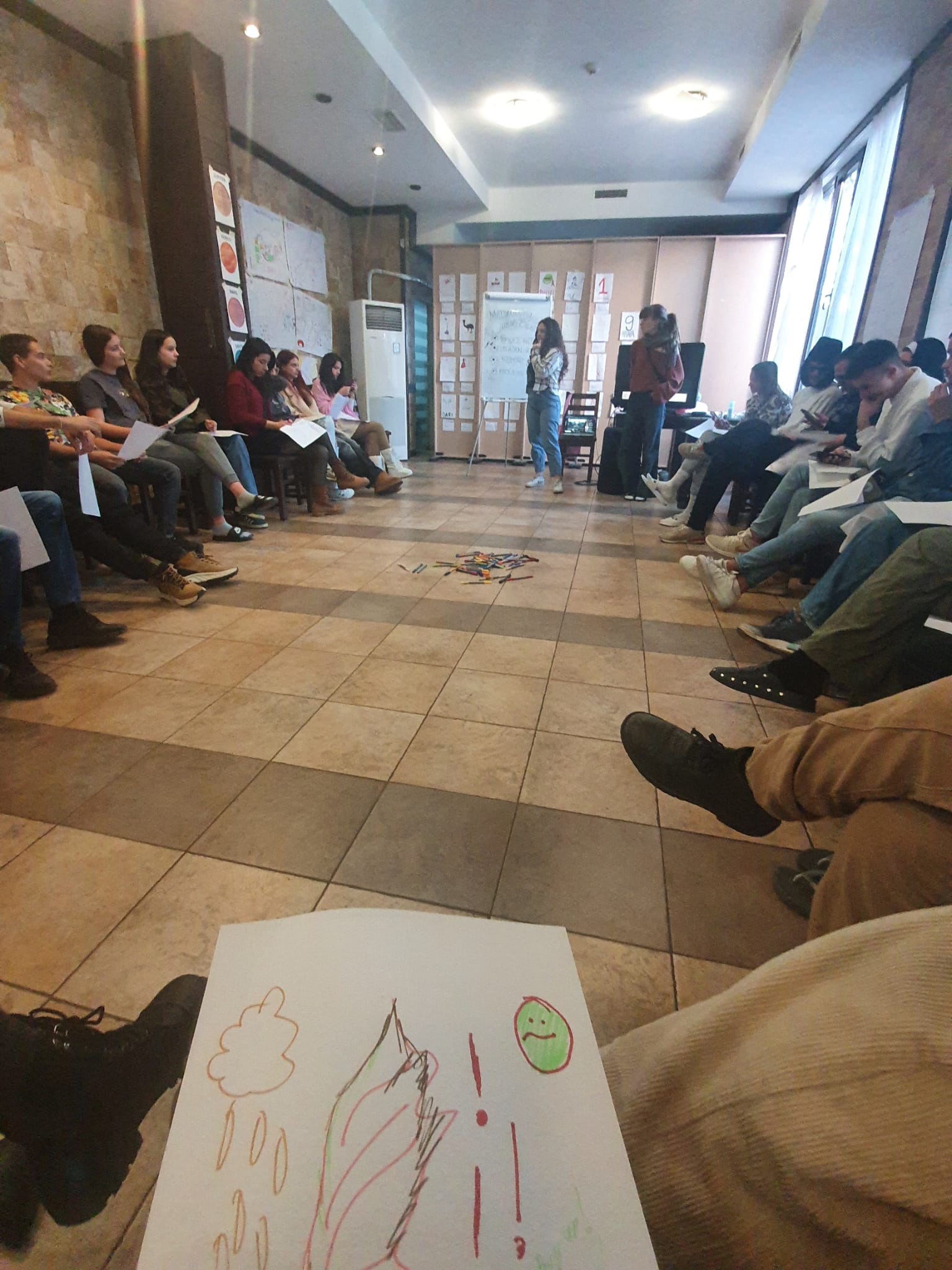
First, we tested our own knowledge. Then we researched sustainability practices in different countries and presented them to one another through group work.
At this point, something very interesting emerged: although we all live in the same world, our experiences of sustainability were quite different from one another.
Systems implemented in some participants’ countries were new information for us, while examples from our daily lives could attract the interest of friends from other countries. In this way, I understood better that there is not only one truth or one method when it comes to sustainability.
4R principles and circular economy
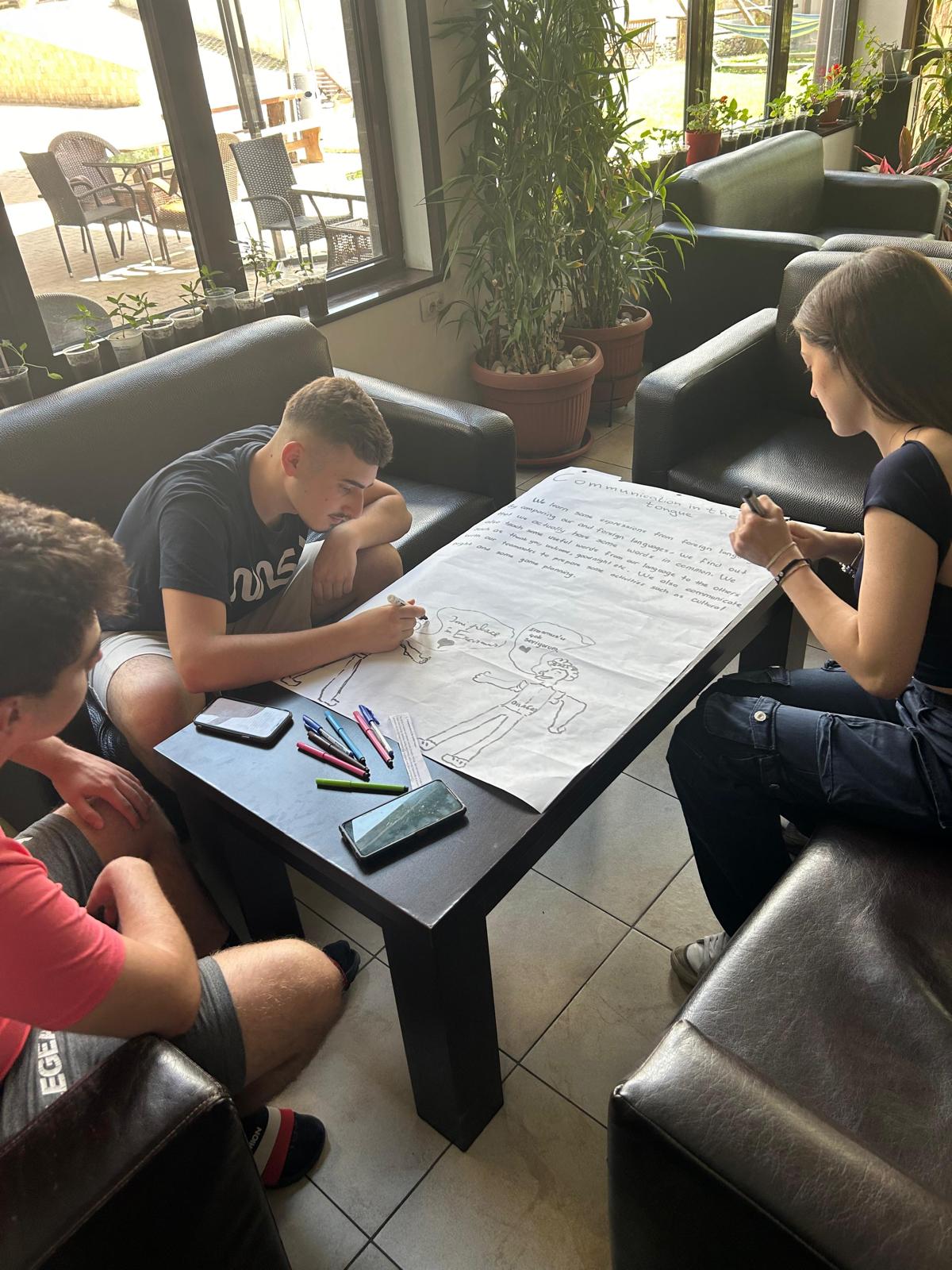
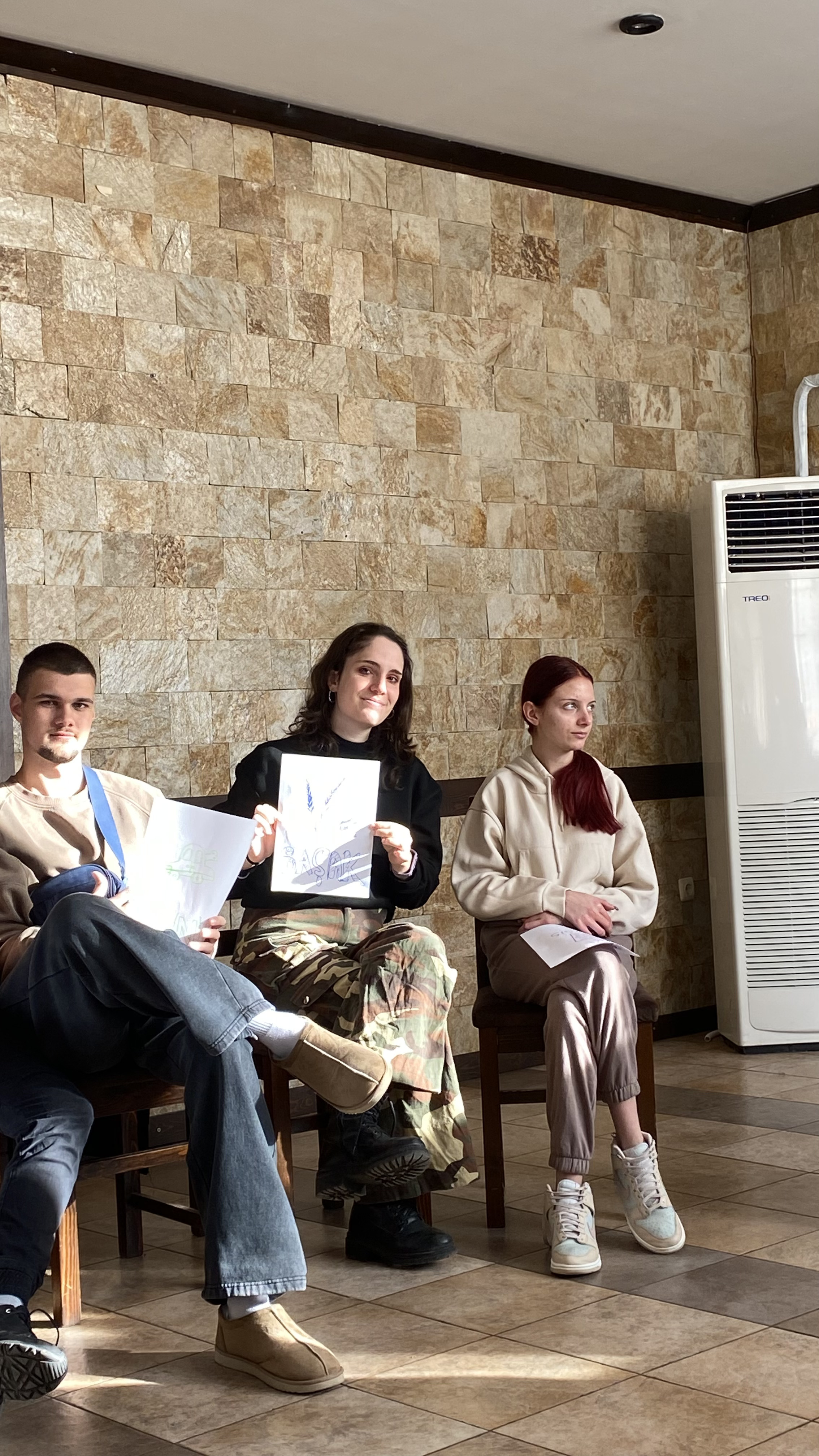
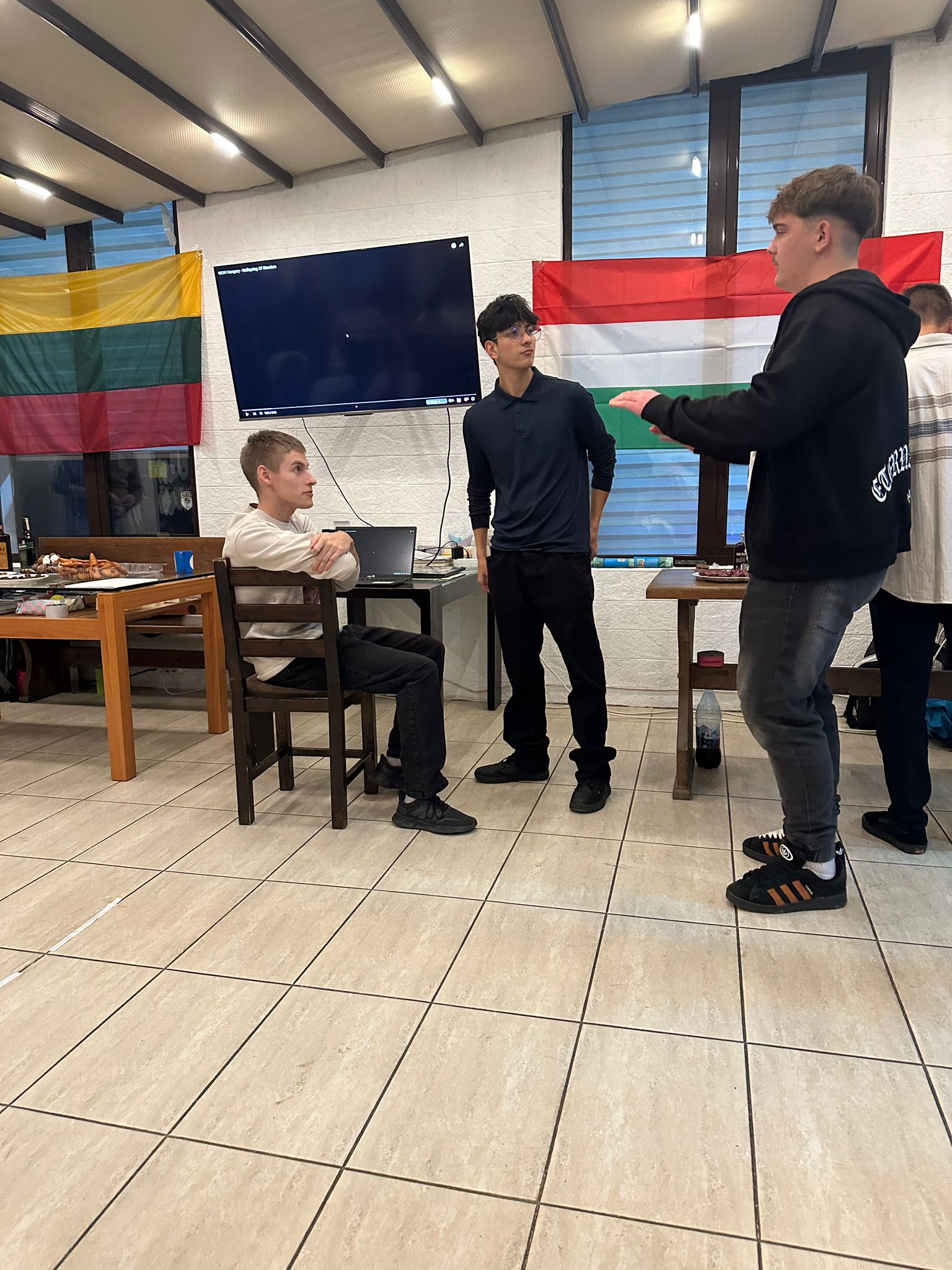
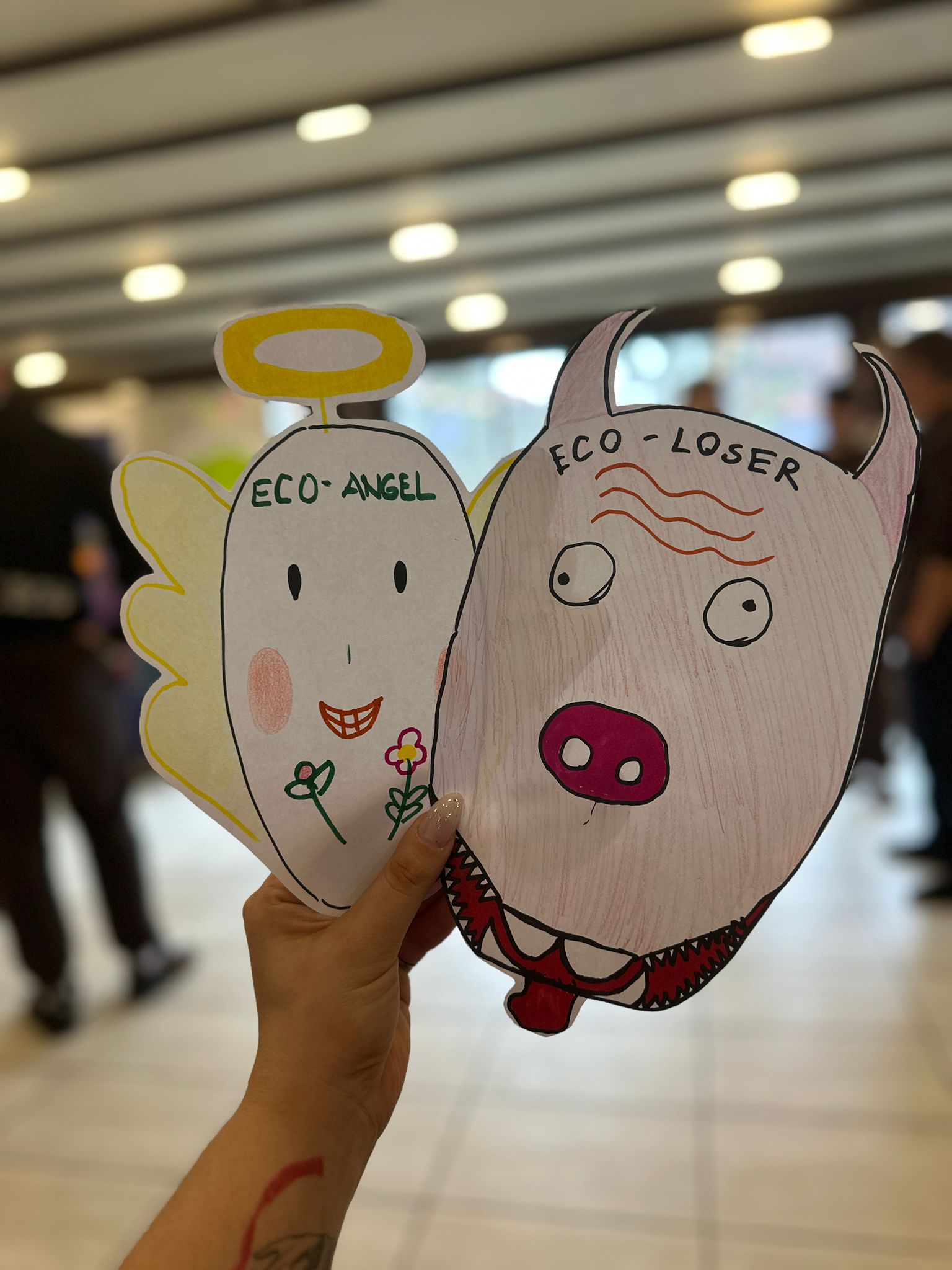
In the following days of the project, we began working in more detail on the 4R principles. We did not simply listen to a presentation on this topic. We divided into groups, researched the concepts, developed examples and presented our work to the other participants.
The activities we did on circular economy were also very thought-provoking for me. We discussed how an approach centered on reusing resources could be possible instead of a system based only on buying, using and throwing away a product.
Preparing decorations with waste materials was one of the more concrete and fun sides of this. Instead of looking at the materials we had as “we cannot use this anymore,” we began to ask, “How else can we use this?”
I think a small but important mental change about sustainability happens exactly here.
I learned about countries from people, not from books
One of the most valuable experiences for me in the project was learning about different countries directly from the people who live there.
You can research a country’s history or culture online. But listening to the personal experience of someone who lives there is completely different.
While we were discussing different countries’ sustainability policies during group work, the conversation could suddenly turn to daily life. Through sentences like “In our country, this is like that,” “People do this this way where we live,” or “There is such a practice in my city,” I learned personal stories about countries I had known very little about.
That is why, when returning from the project, remembering people’s stories instead of only a few capitals or flags felt much more meaningful to me.
I rediscovered myself while introducing Türkiye
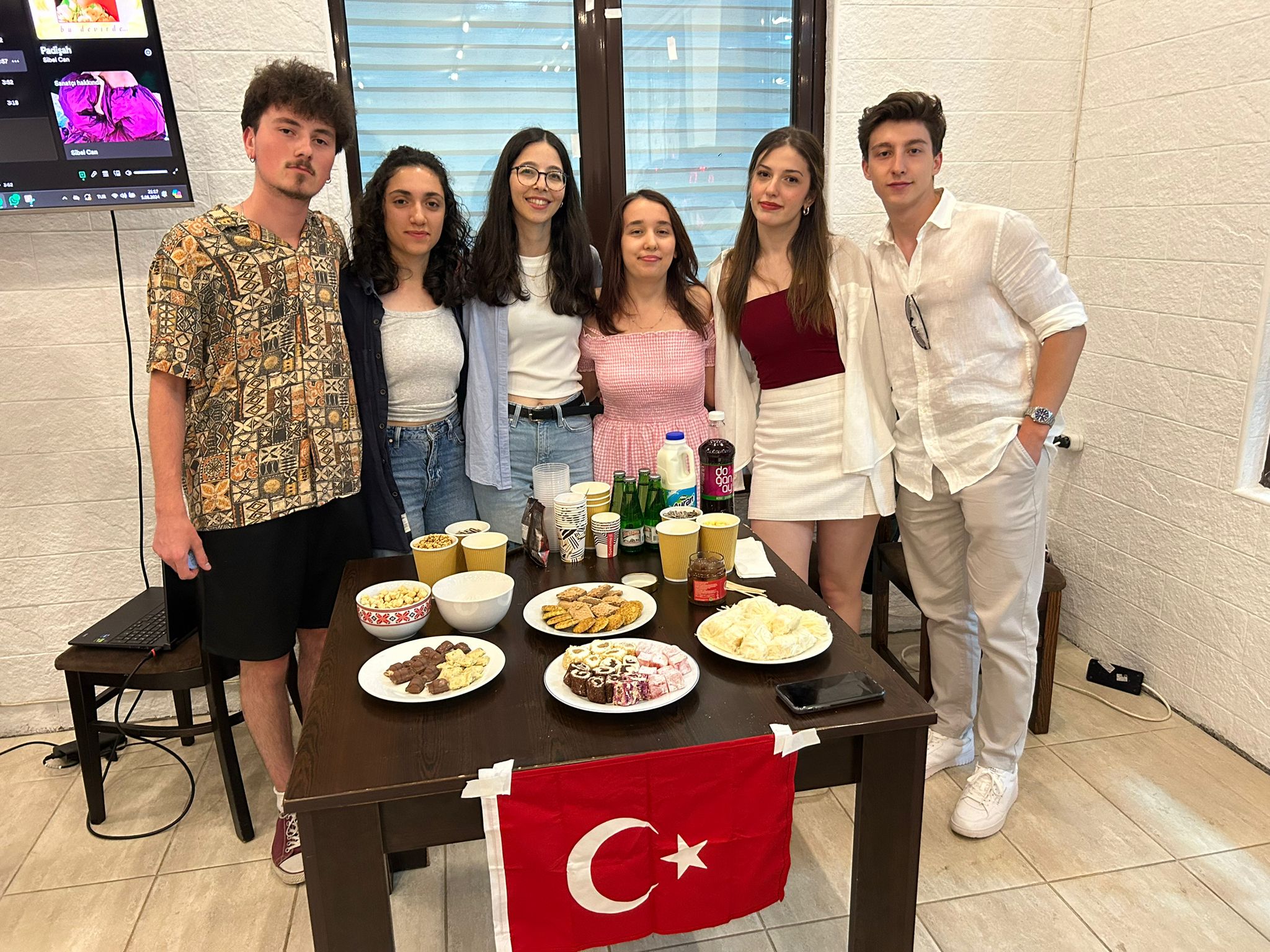
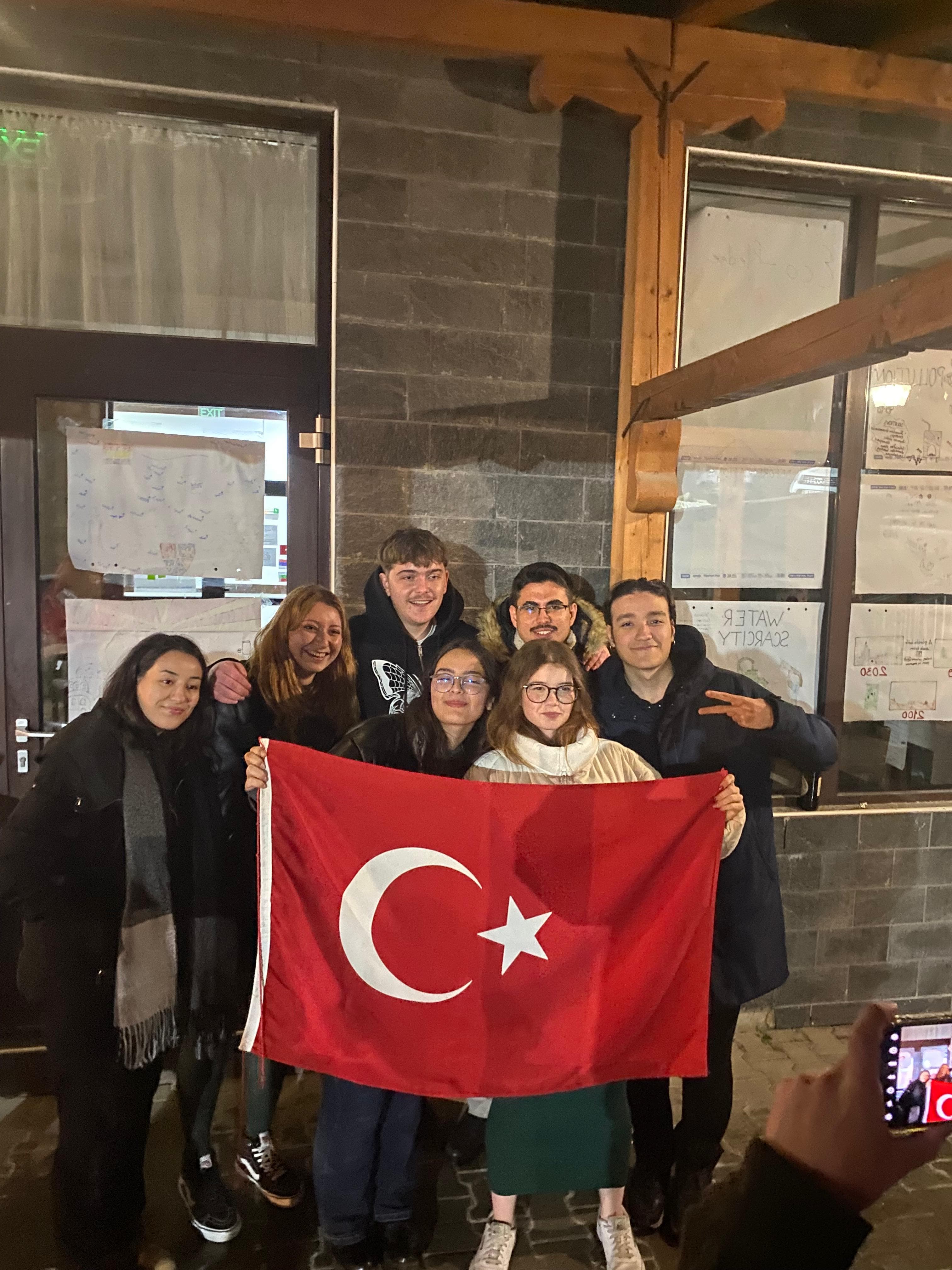
Cultural nights in Erasmus+ projects seem likely to always have a special place for me. Turkish Cultural Night, organized during Eco SafeGuard, was also one of the unforgettable moments of the project.
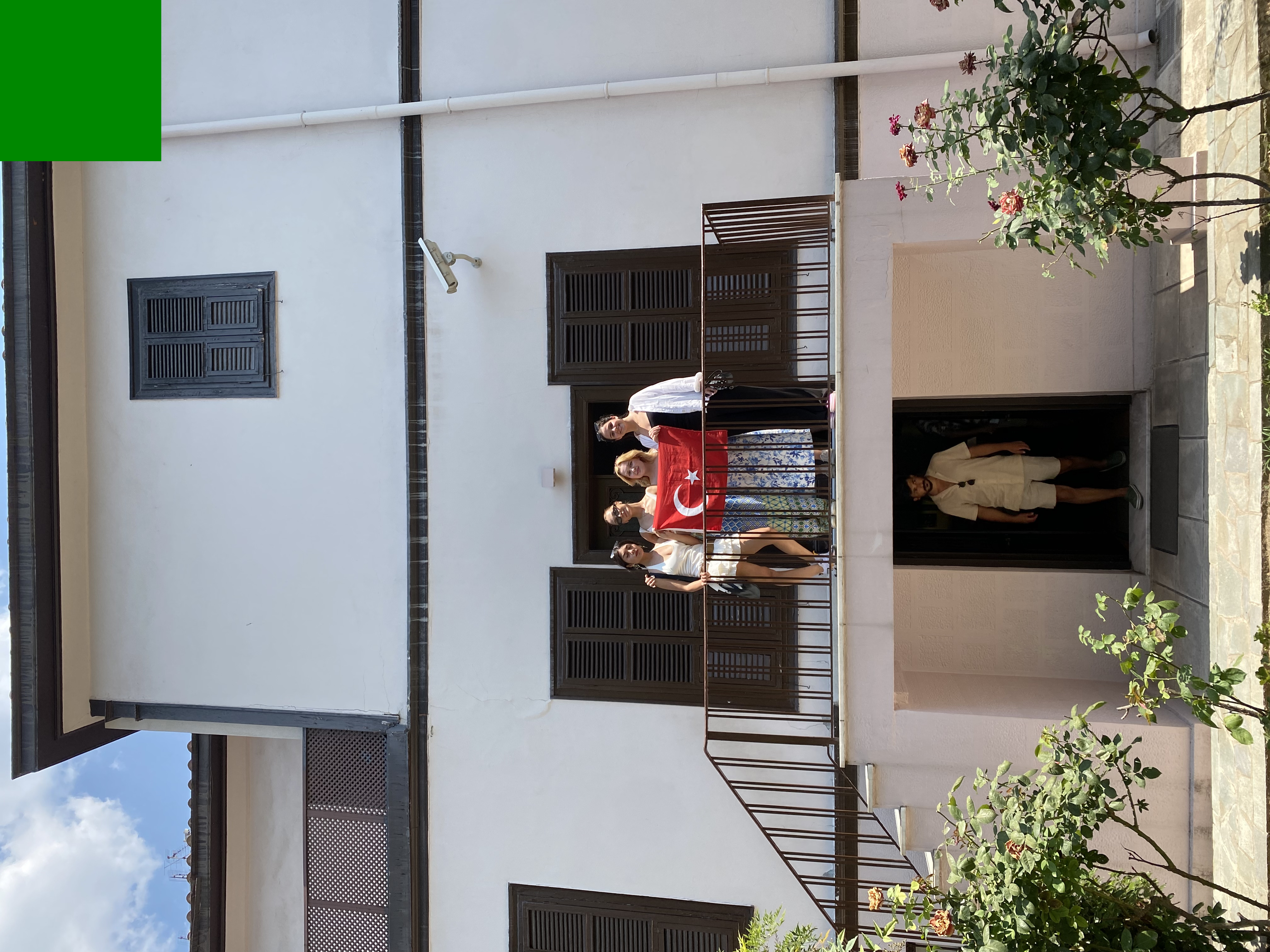
We brought different foods from Türkiye. We prepared a presentation about our country, showed videos and played Kahoot. Afterwards, we played our music and tried to teach different dances to the other participants.
But the most important part of this night for me was being able to learn directly what other people thought about Türkiye. We confirmed some things they knew and had the chance to correct misunderstandings about others.
I can say that this gave me a different kind of confidence. Because when you introduce your country to other people, you also look at your own culture from another perspective.
There was also a fun side to learning
Throughout the project, we also had fun activities alongside intensive workshops. One of these was the activity where we created sustainability and ecology-themed memes.
In mixed-nationality groups, we used funny photos of ourselves to create messages about the environment. On the one hand, we were working on a serious topic; on the other, we were all laughing together at the results.
These kinds of activities showed me that long presentations or theoretical information are not the only way to explain a topic to people. Sometimes an image, a joke or a few seconds of video can be much more memorable than hours of explanation.
Shark Tank: from idea to presentation
Toward the end of the project, we prepared for the Shark Tank activity. We were divided into groups and asked to develop a business idea related to sustainability.
This process was a stage that brought together many things we had learned from the beginning of the project. First, we had to create an idea. Then we discussed whether this idea was applicable. We divided tasks, prepared a presentation and finally stood in front of everyone to defend our idea.
Here, we used not only our knowledge of sustainability, but also communication, persuasion, creativity, time management and public speaking skills. Most importantly, the idea was not the product of one person alone. We created a common idea by bringing together different people’s perspectives.
Erasmus continued when the workshop ended
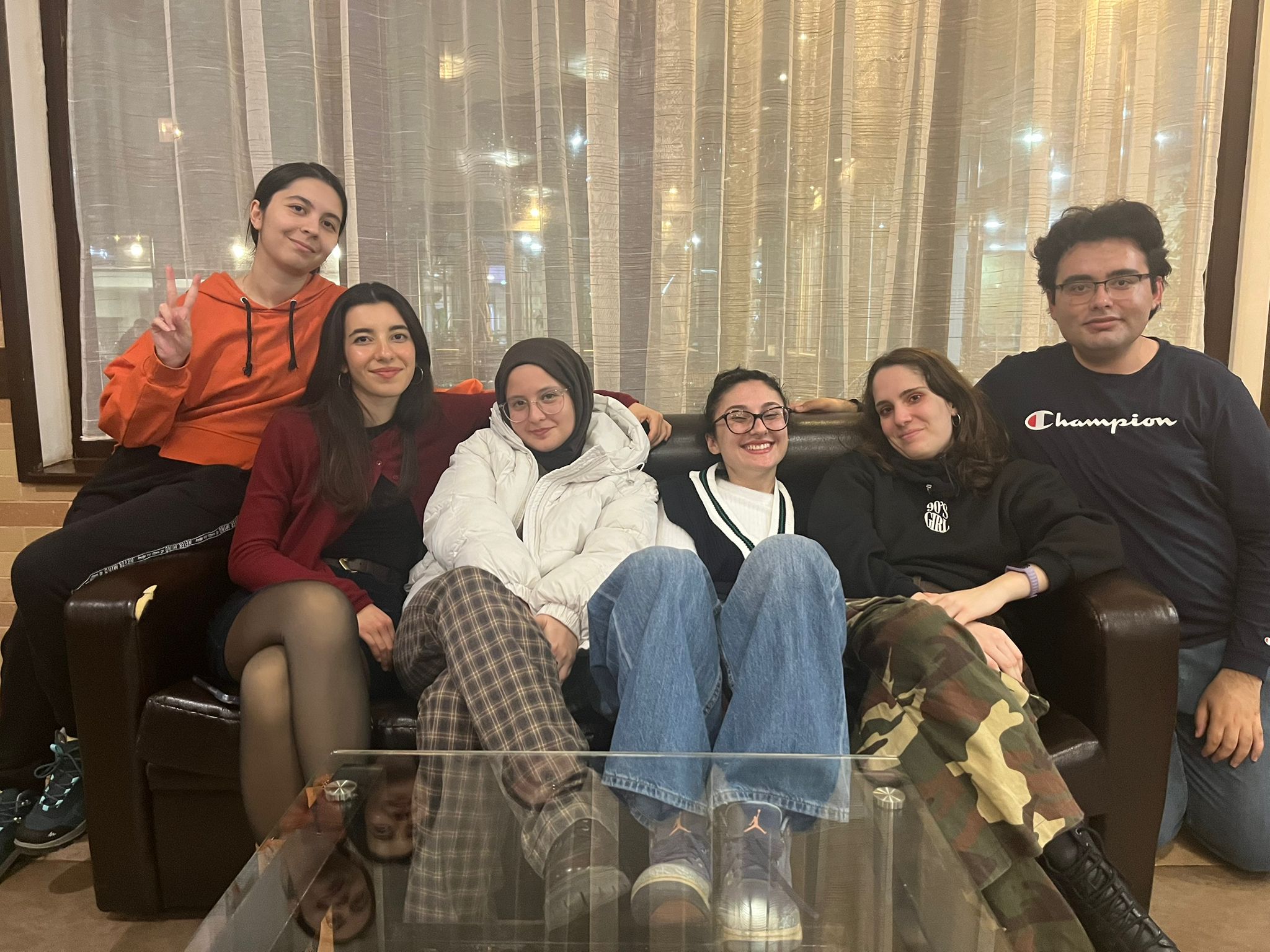
The days spent in workshops turned into a completely different atmosphere in the evenings. Through cultural nights, karaoke, movie night and other social activities, we got to know one another more closely.
Sometimes, after working in the same project during the day, we spent hours in the evening talking about completely different topics: the music we liked, the foods we missed, the cities we lived in, our families and our future plans.
This was actually one of the most beautiful parts of the project. The program gave us a reason to learn together; friendships developed outside the program.
Leaving Bansko
When the final day arrived, we could clearly feel the difference between who we were on the first day and who we had become. The people we had sat with at the same table on the first day had become friends we did not want to say goodbye to.
In the final evaluations, we talked about what we had learned from the project, which moments were important for us and what we wanted to do in the future. We received our Youthpass and certificates.
Then, with Oscar Night, we chose the “best of” the project and spent our final evening having fun together again. Everyone had the same expression on their face that last night: a little tiredness, a little happiness and a lot of sadness about leaving.
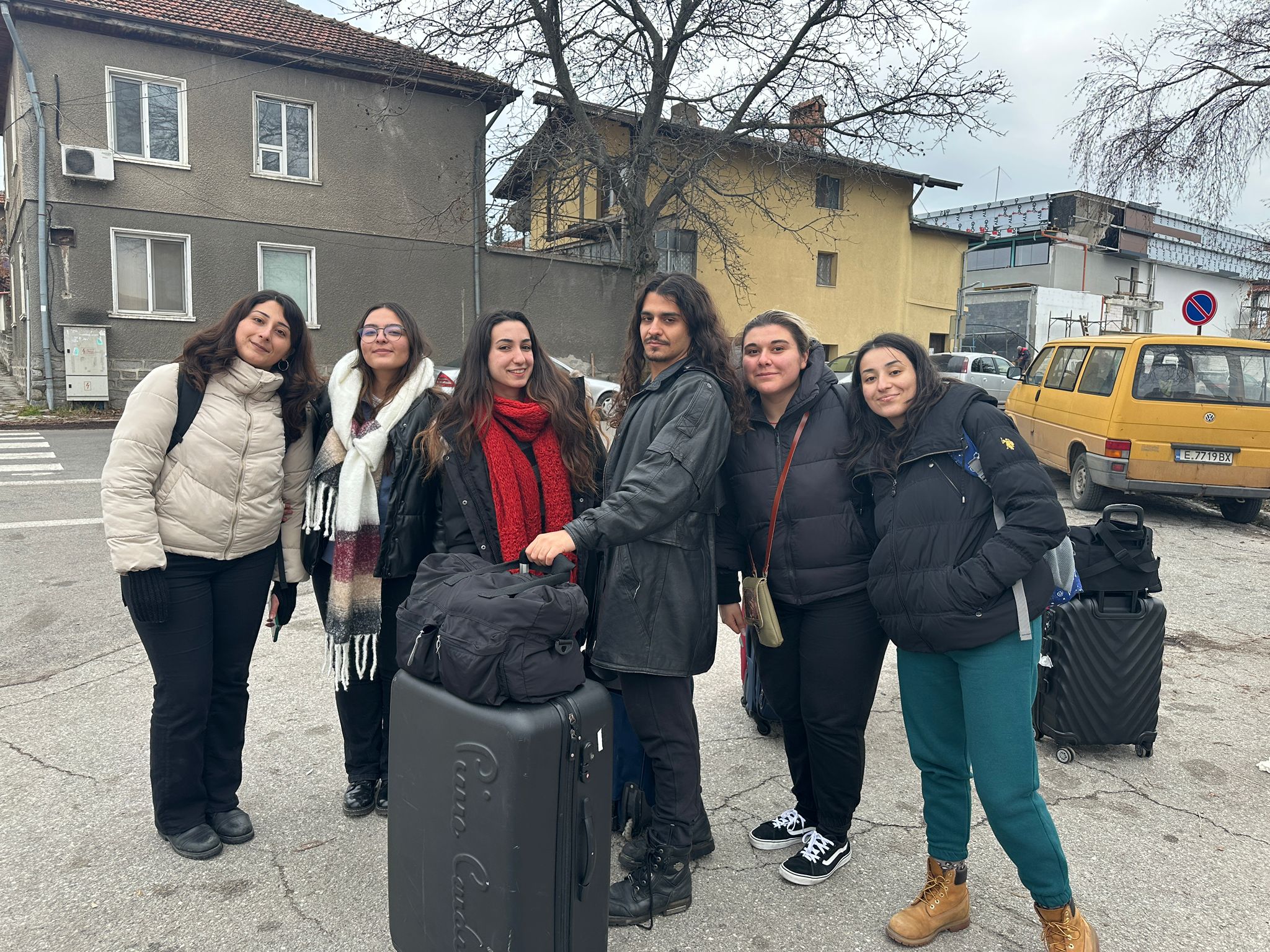
The next morning, while packing our suitcases, I felt that we were not only leaving Bansko. We were also leaving the small world we had created over ten days.
What did I carry home with me?
Before going to Eco SafeGuard, I had a certain amount of knowledge about sustainability. But throughout the project, I had the chance to explore this topic in more detail than ever before.
The 4R principles, circular economy, carbon footprint, sustainable living and environmental awareness are no longer only project topics for me.
In addition, I experienced working with different people, finding a common way when we disagreed, listening to people from different cultures and introducing my own culture.
Perhaps most importantly, I realized that sustainability could have an important place not only in the environmental field, but also in my future career.
When I left Bansko, I had clothes, souvenirs and a few small memories in my bag. But what I truly carried was very different: new friendships, stories I learned from different countries, ideas we created together and an eco mindset that made me look at the world a little differently.
Eco SafeGuard Erasmus+ Project Participant Yücel Cultural Foundation Youth Page Erasmus+ Experience Stories