More Than a Week: Collaboration, Inspiration and New Beginnings at GreenScape
GreenScape: Youth Workers Navigating Nature was not only a one-week Erasmus+ project for me. During my days in Lithuania, we shared our organizations, experiences and ideas for the future with youth workers from different countries. What remained at the end was not only a certificate, but new people, possible partnerships and the question: “What can we do next?”
I do not think the impact of an Erasmus+ project can be measured only by the activities carried out during the project. Some experiences continue after the project ends. A connection you build with someone you have just met, an idea you receive, a project thought you develop or a link you establish with another organization may come back to you weeks or even years later.
GreenScape: Youth Workers Navigating Nature was exactly this kind of experience for me. This time, we did not only share a week with people from different countries; we also shared our organizations, experiences and ideas for the future.
From the first meeting to collaboration
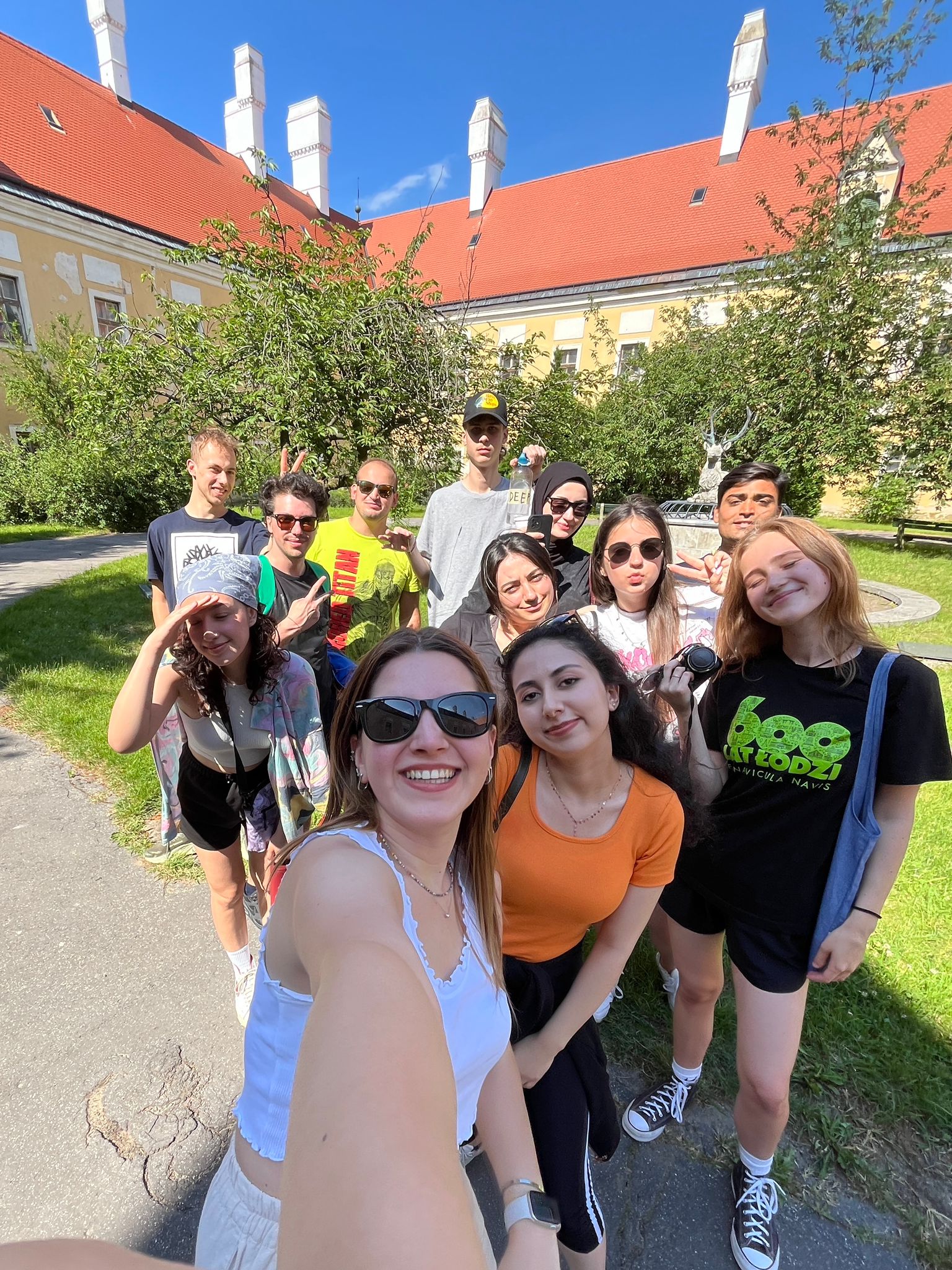
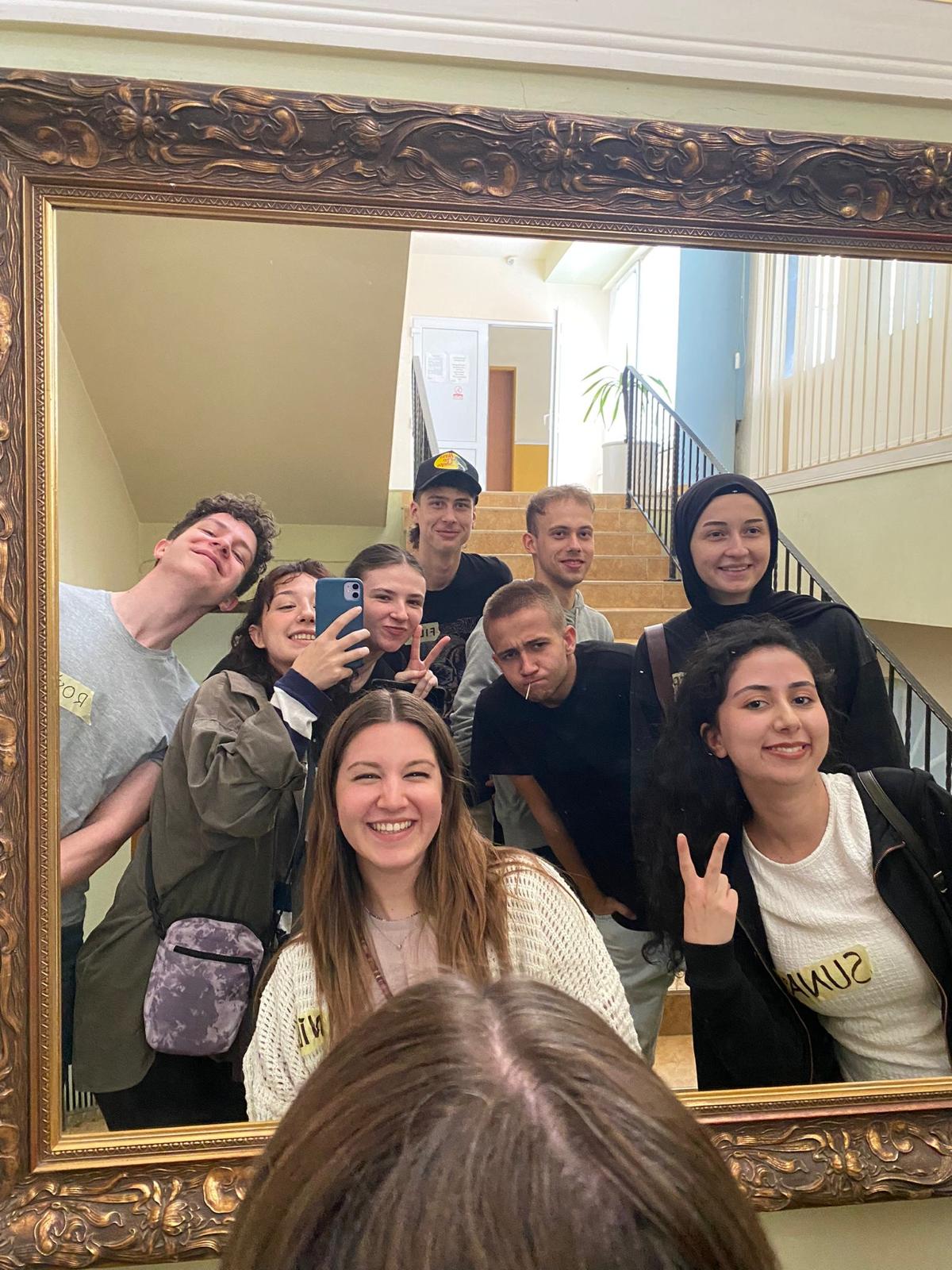
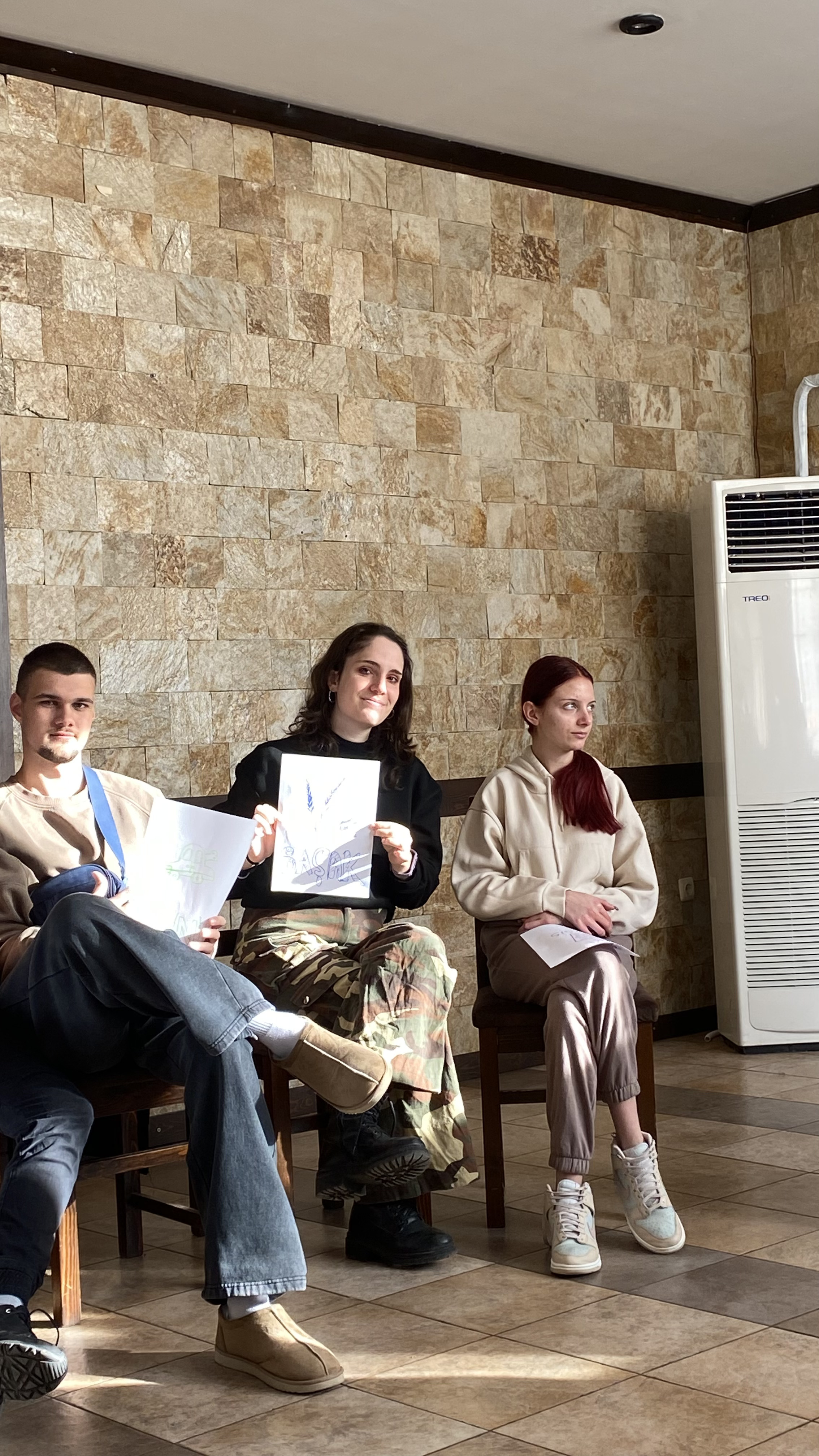
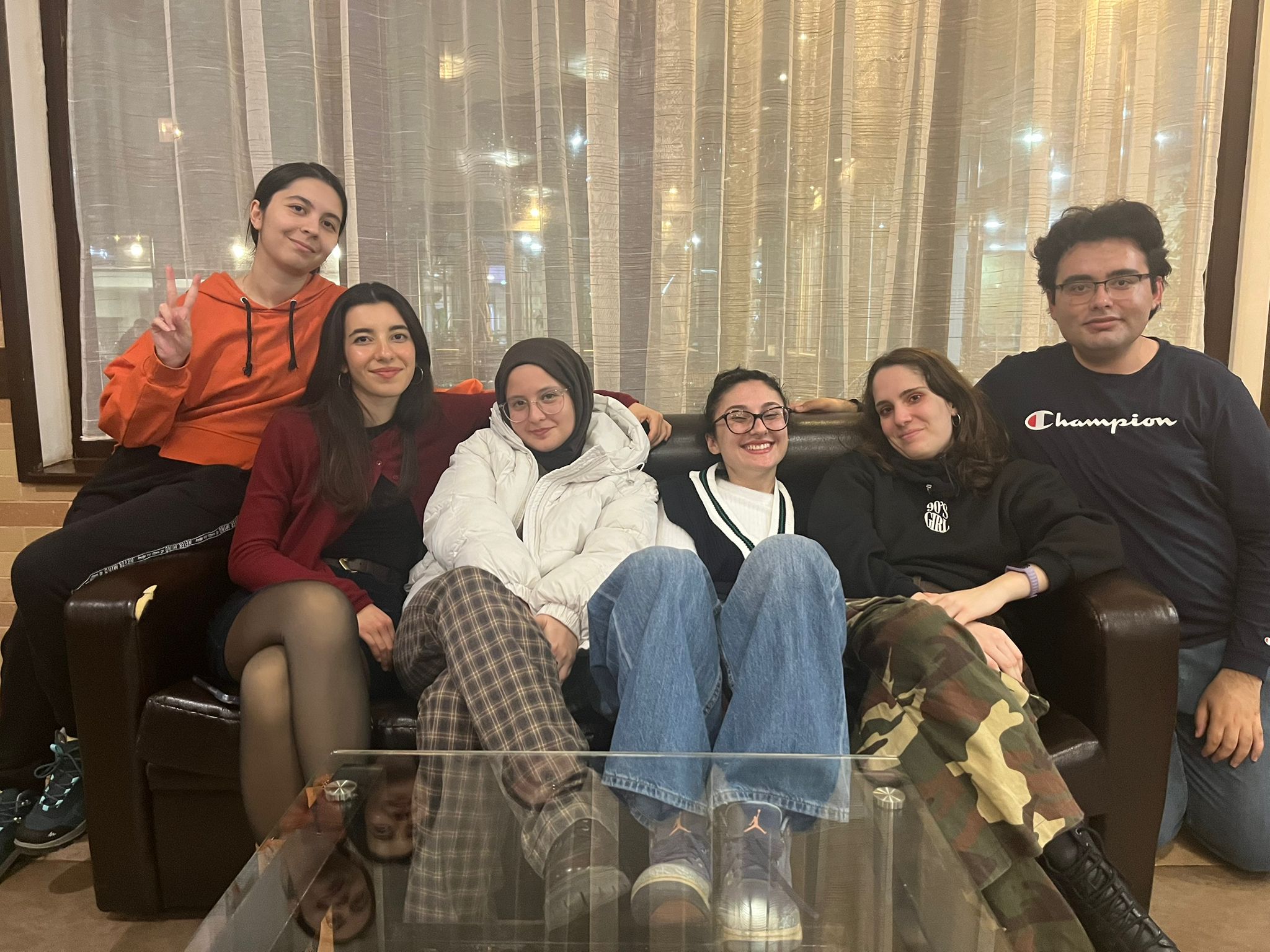
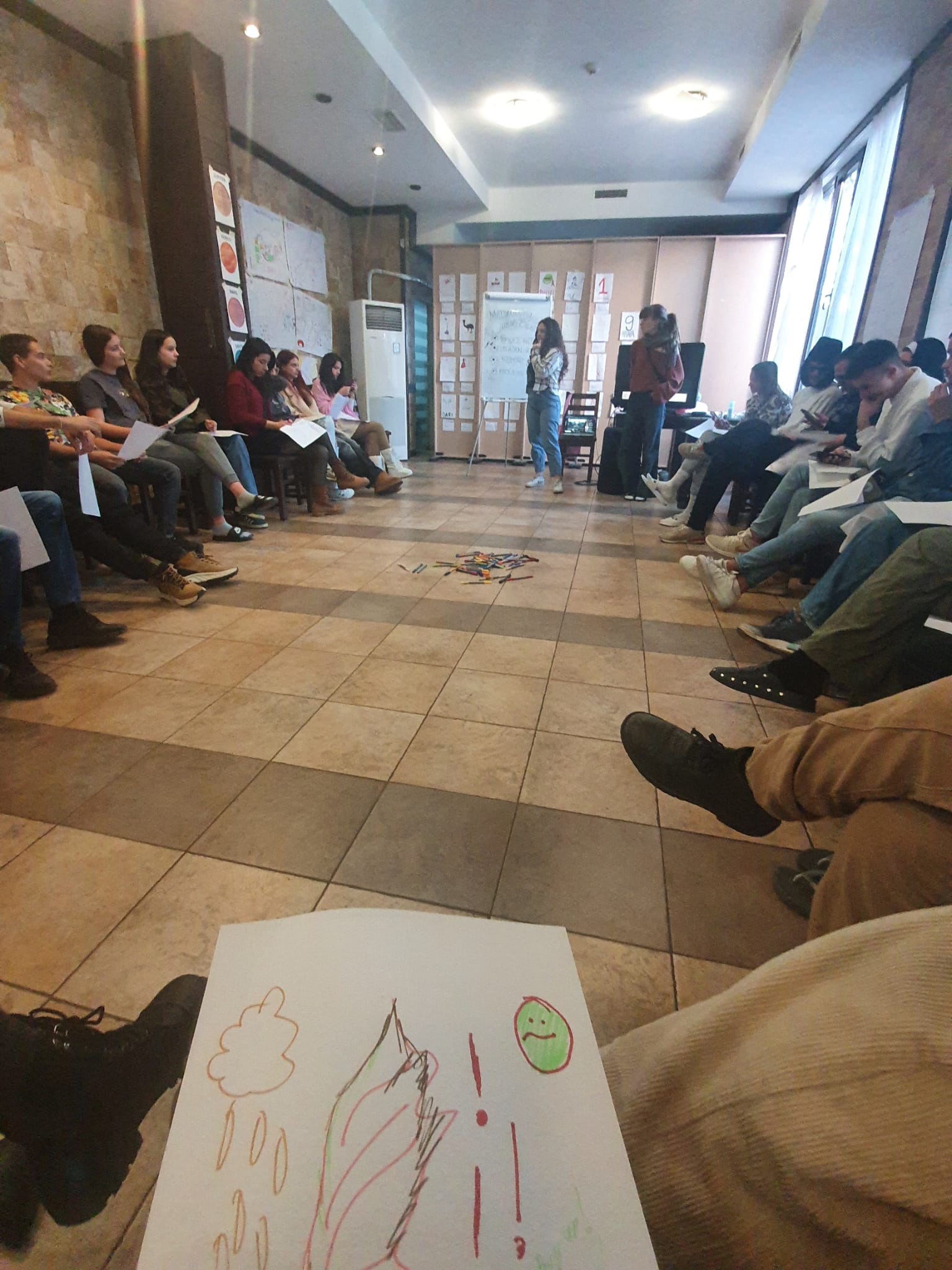
In the first days of the project, our main aim was to get to know one another. Through introduction activities with participants from different countries, we quickly built a shared working environment. People whose names we barely knew at first became people whose ideas we were curious about and whose experiences we learned from within a few days.
This was one of the most beautiful aspects of people from different cultures coming together. When you talk about a topic, you do not only share your own experience; you also learn about practices in other countries. After a while, the question “How do we do this?” is joined by “How is this done in other countries?”
Introducing our organization, looking at ourselves again
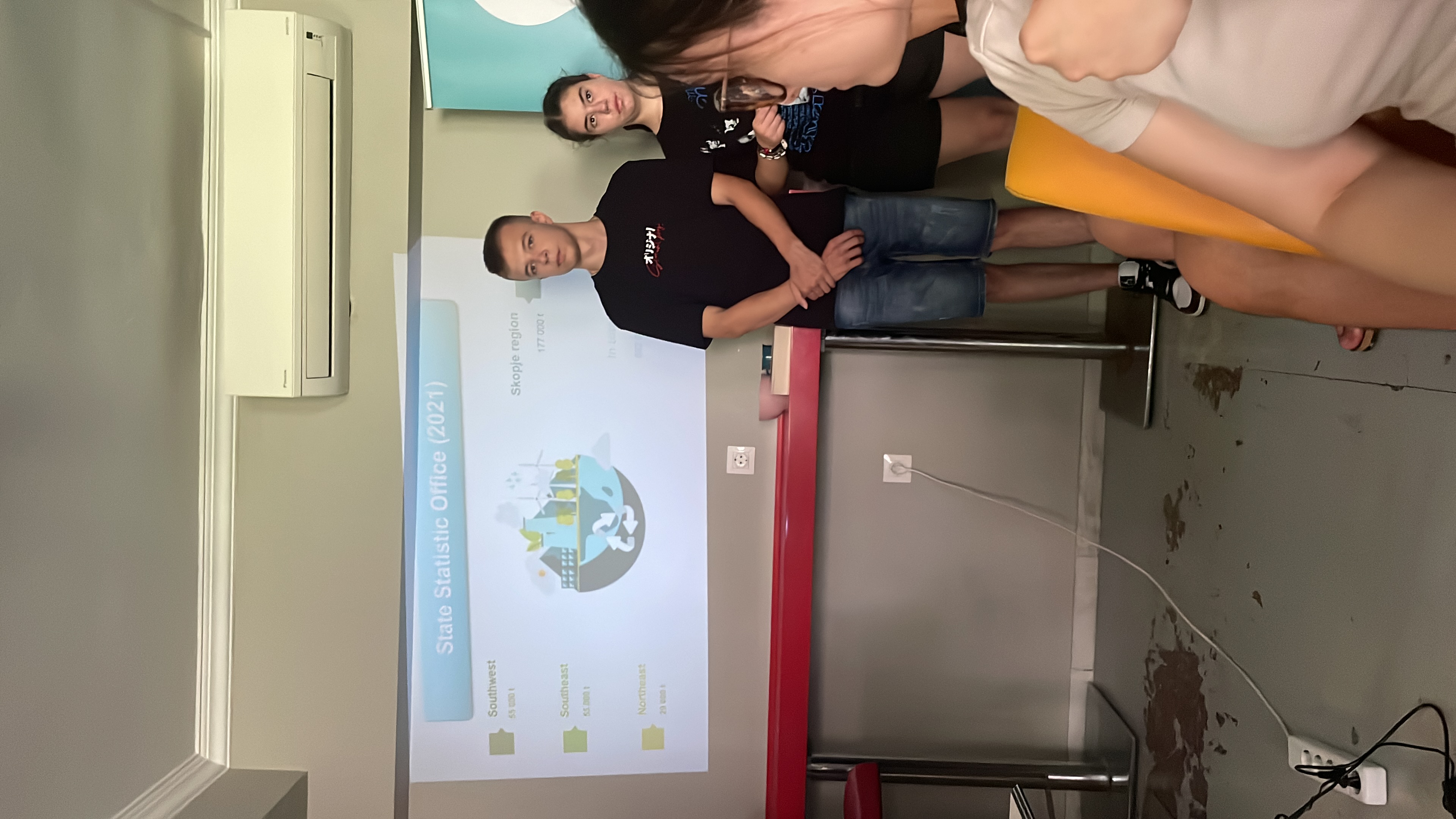
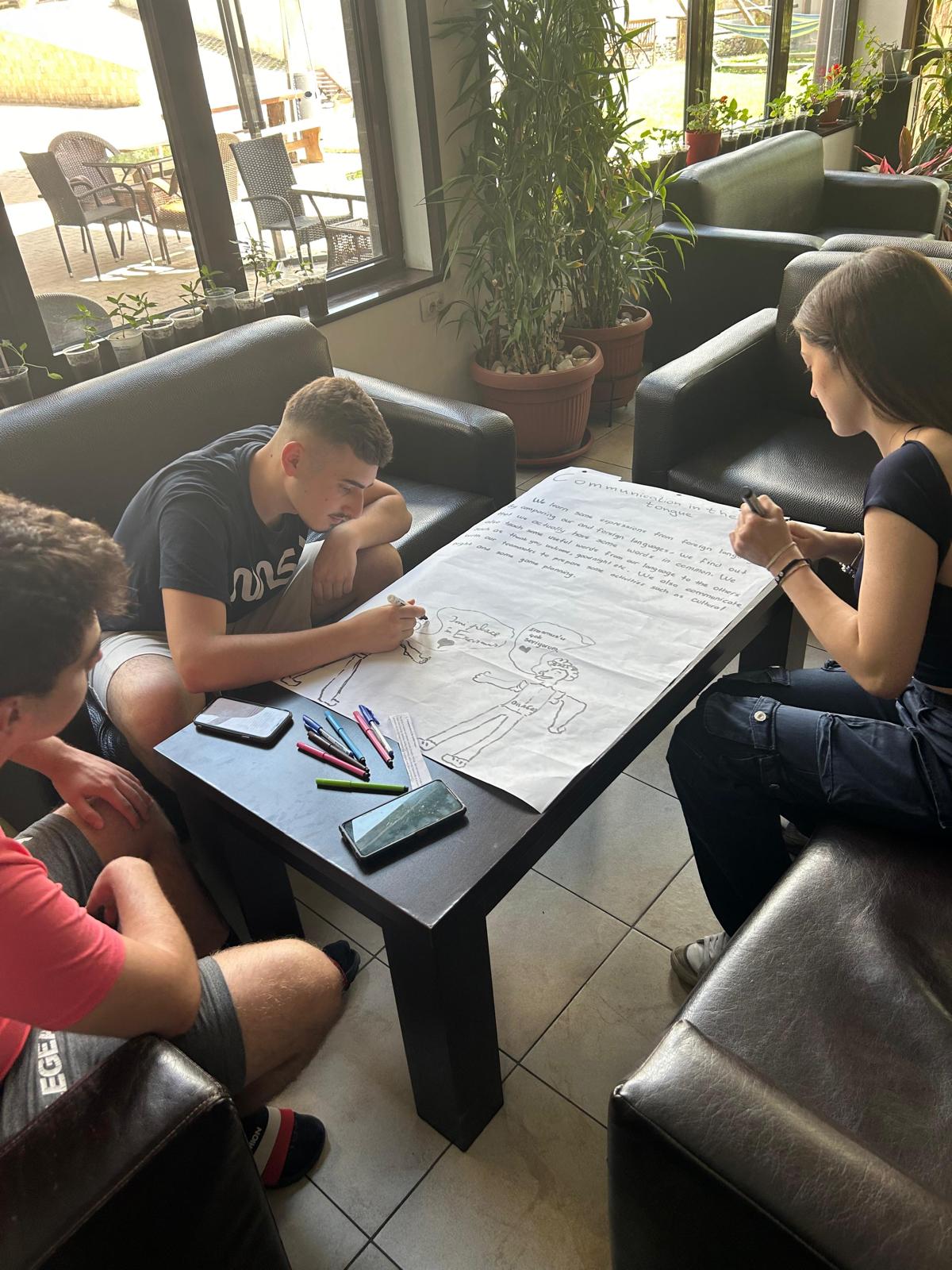
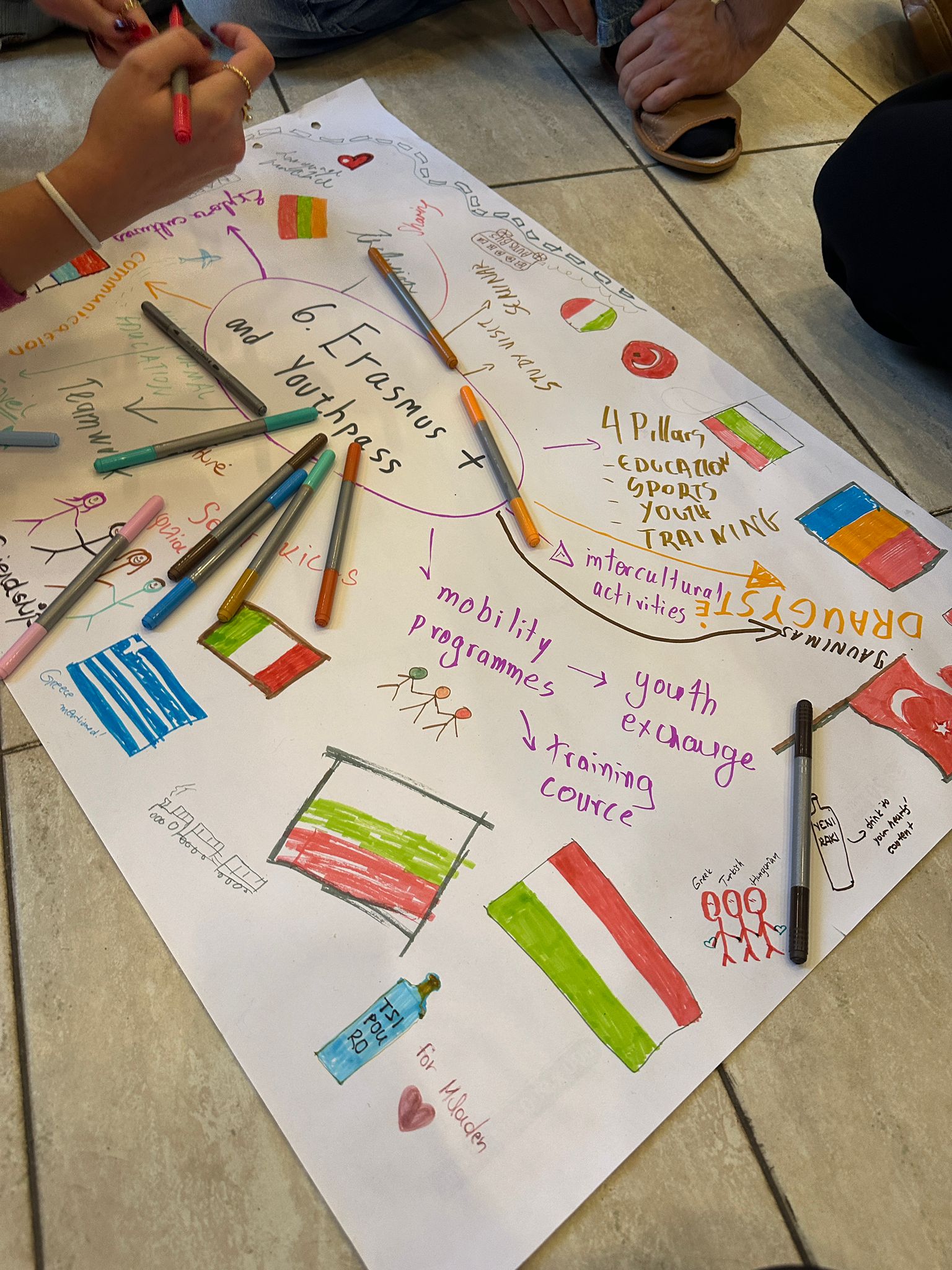
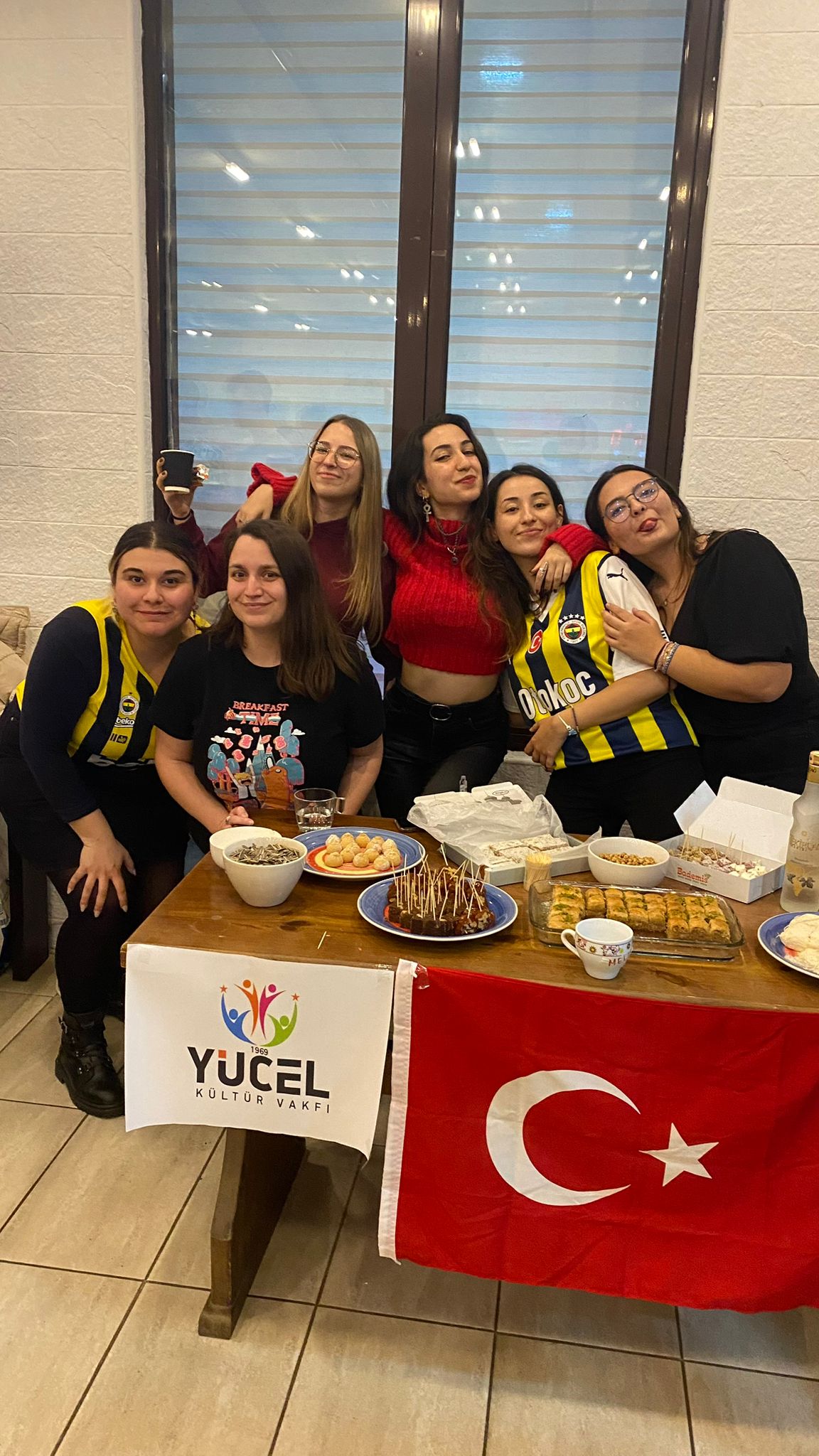
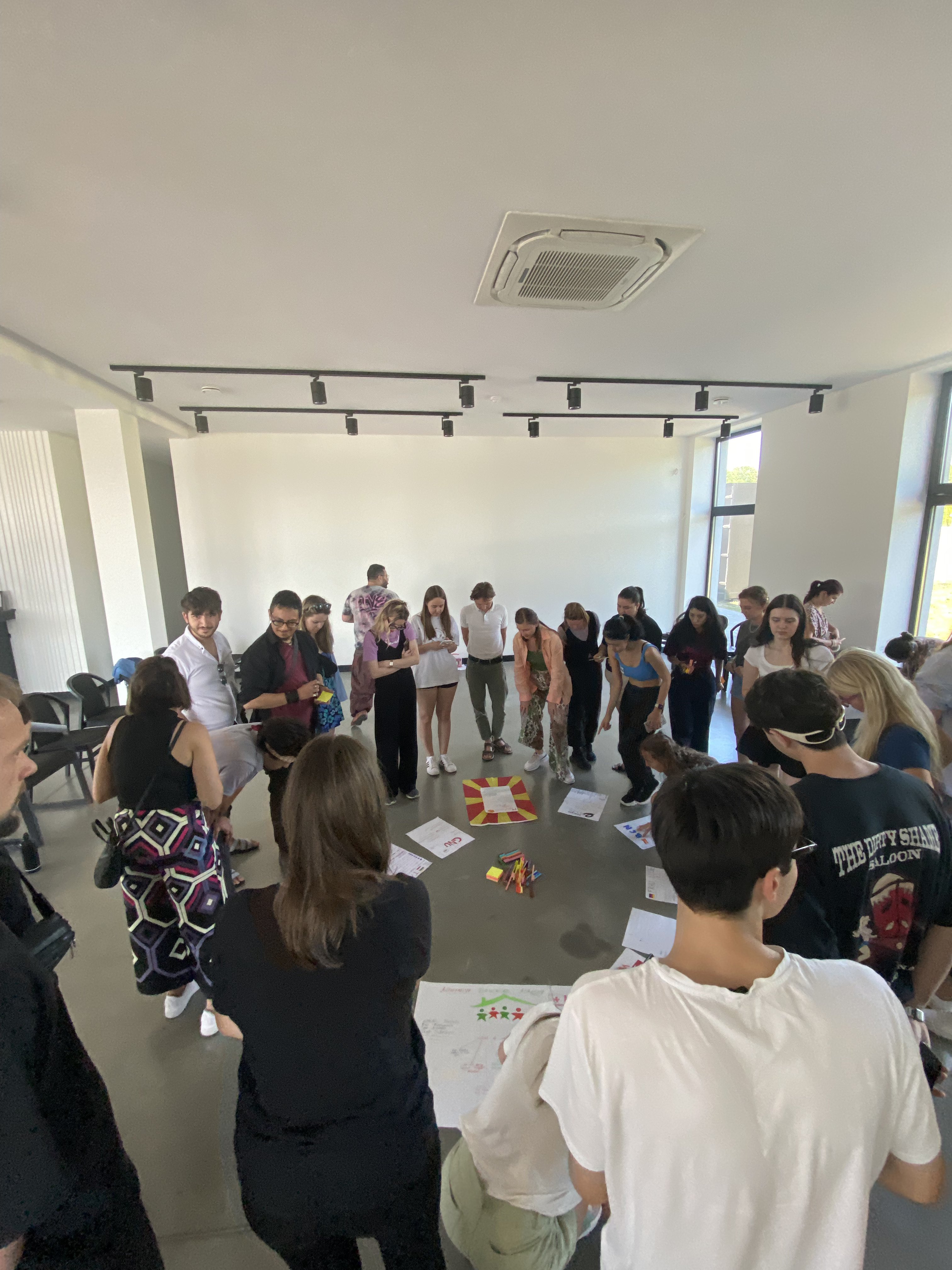
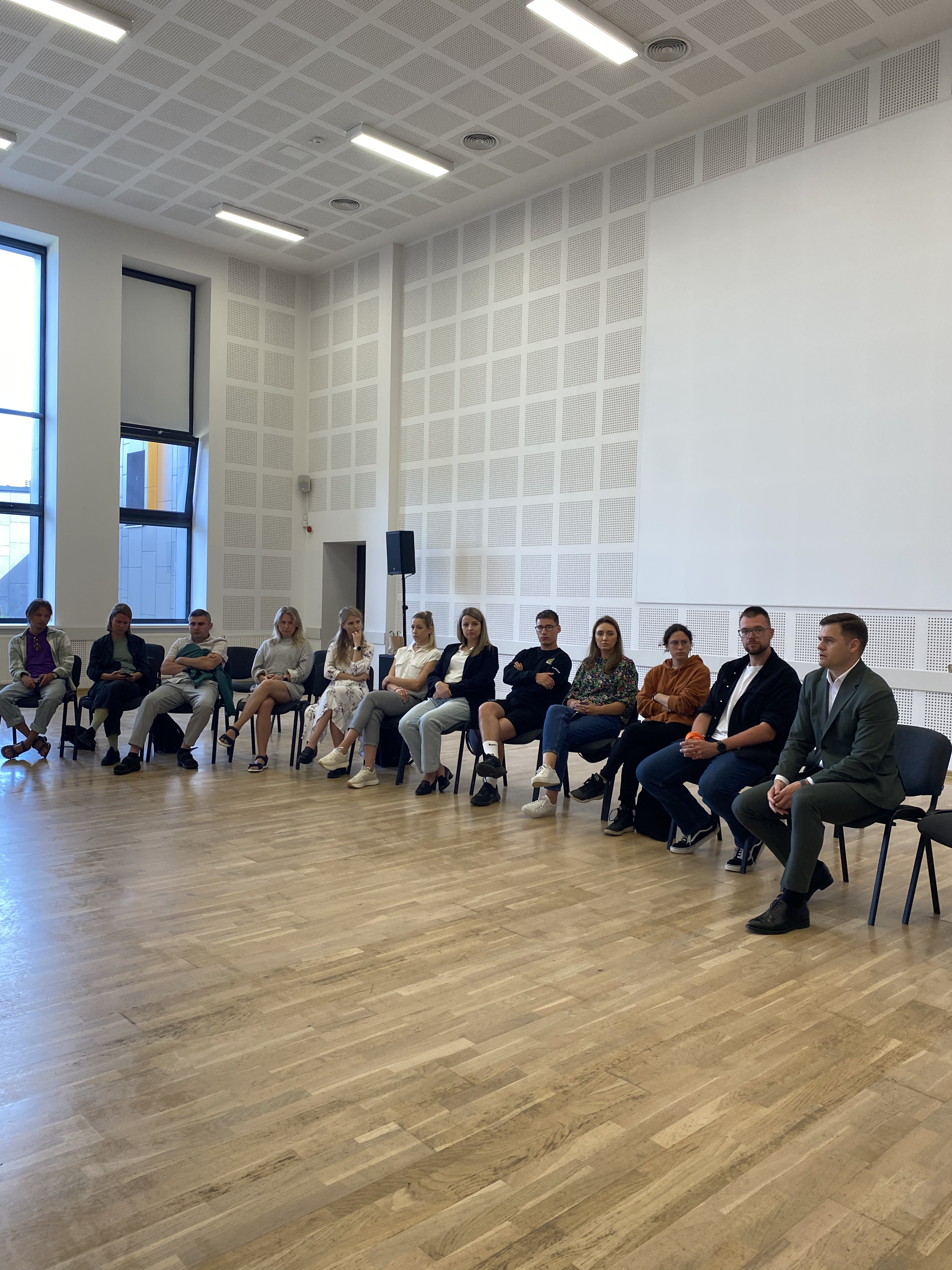
One of the important activities of the project was the session where we introduced our organizations. In groups, we prepared flipcharts describing our associations. While explaining what field our organization works in, who it reaches and which activities it carries out, we also had the chance to look at our own work from the outside.
Introducing an organization does not only mean listing its activities. Thinking about questions such as “Why do we do this work?”, “Who do we want to reach?” and “Which work are we most proud of?” helped us reassess what we do.
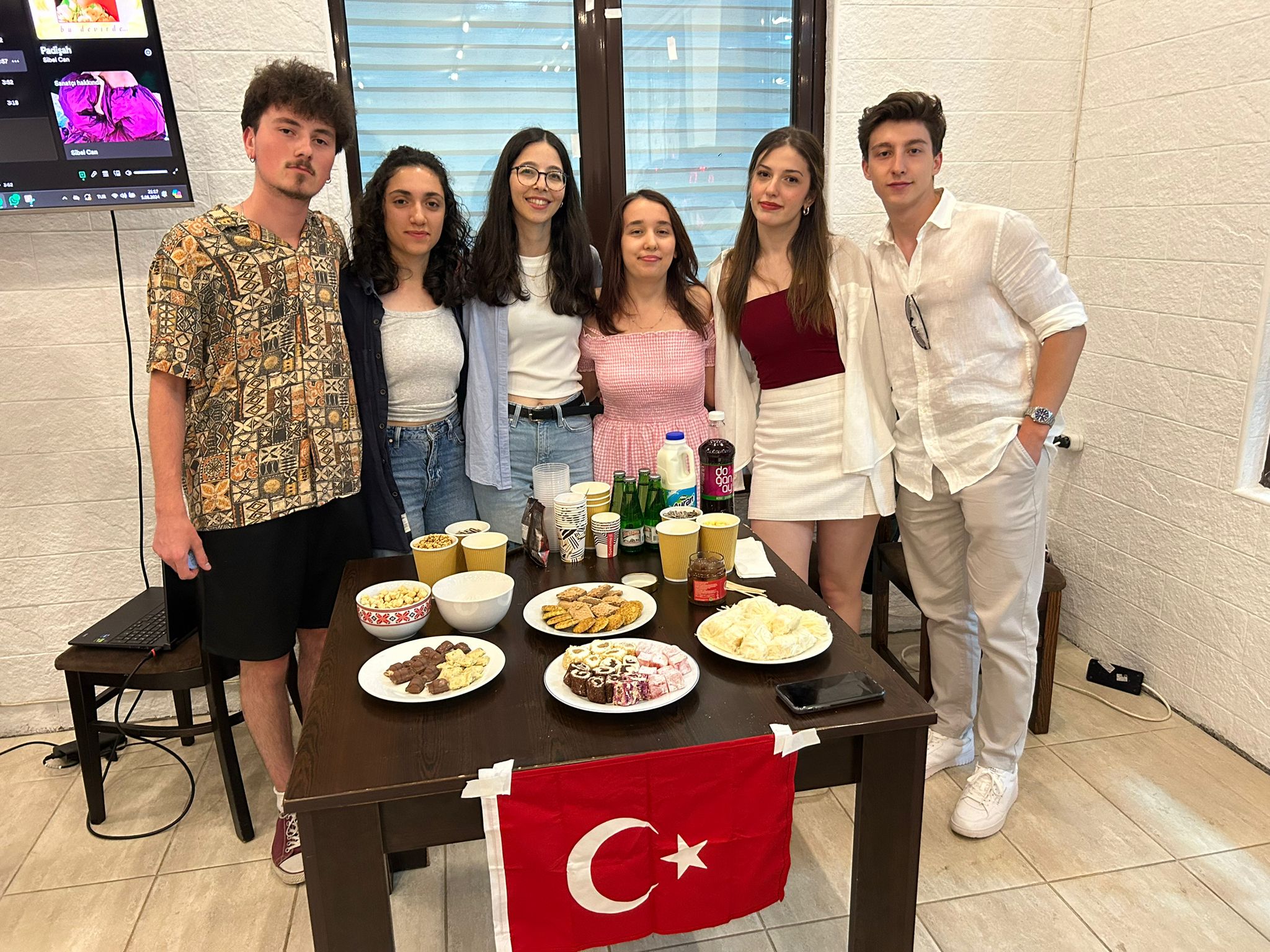
When we listened to the organizations of other participants, we saw that many structures in different countries work for similar purposes. Perhaps the most valuable result of this activity was that different organizations did not only get to know one another, but also began to think about what they could do together in the future.
A space for sharing experiences
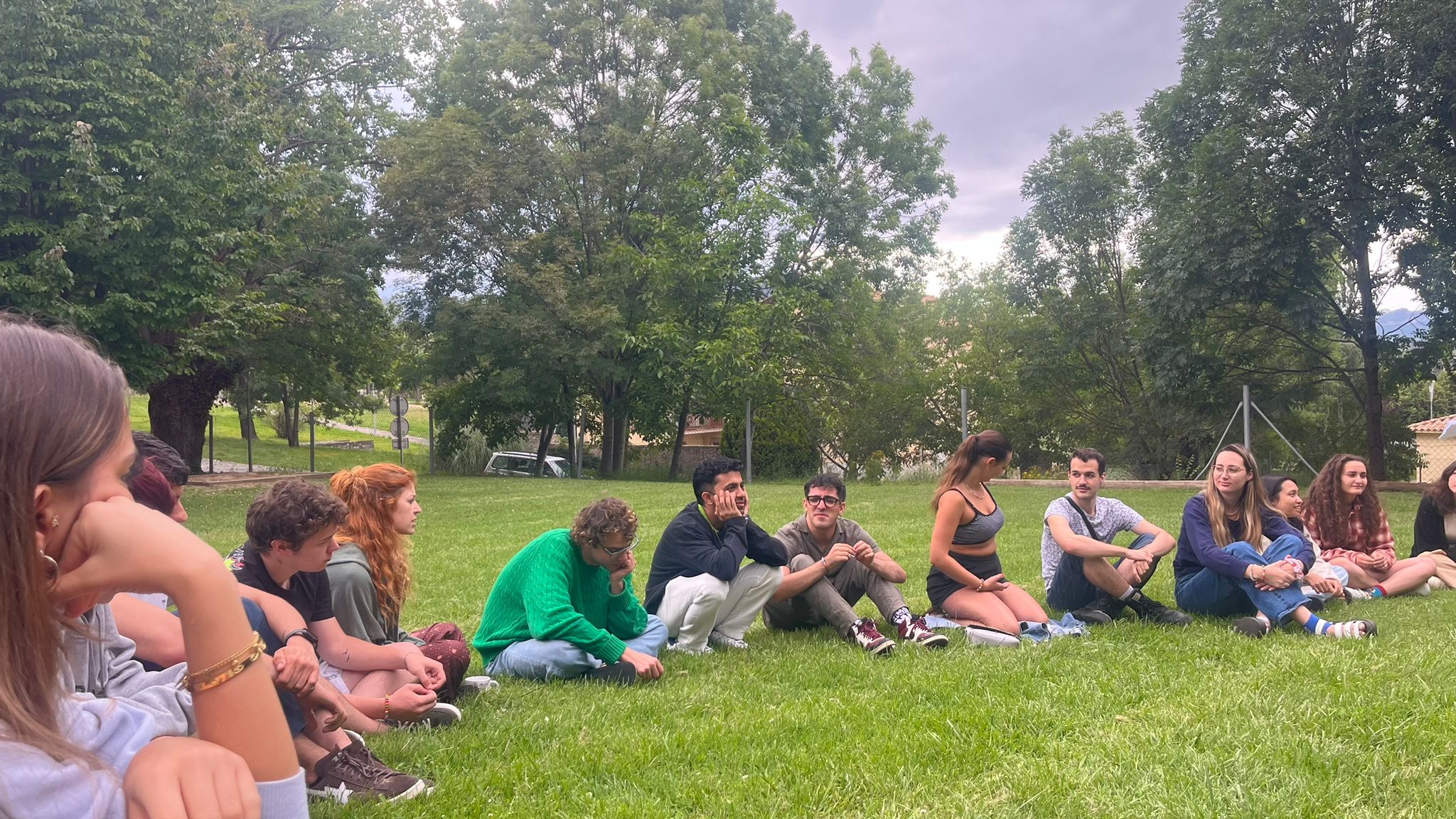
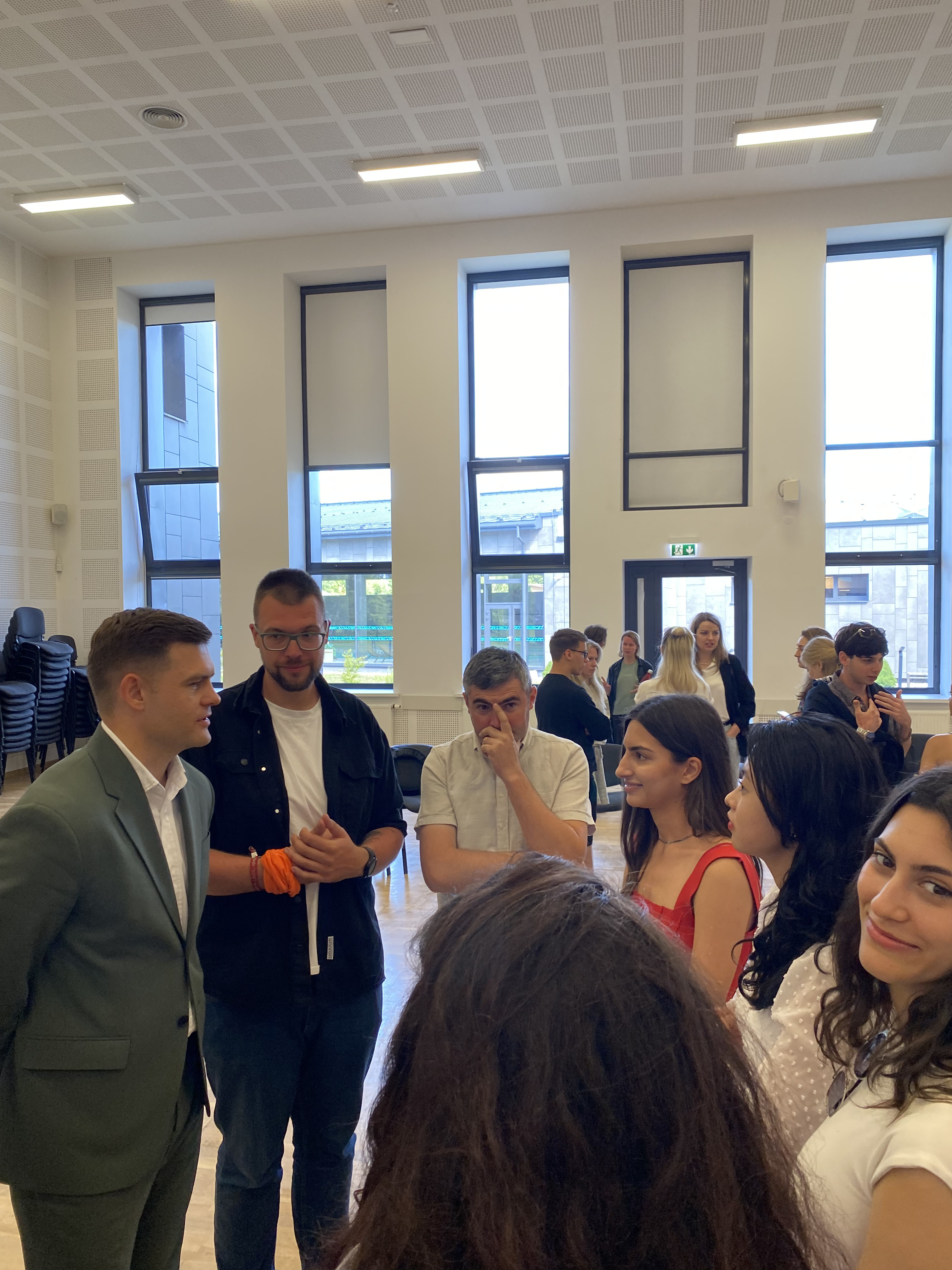
One of the things that made GreenScape different for me was that it created an environment where participants were not only listeners. Everyone brought their own experience with them. We talked about previous projects, challenges we had faced, methods we found successful and lessons we had learned.
Sometimes a small practice mentioned by one participant could become an idea for another participant’s future project. That is why there was a constant exchange of knowledge throughout the project. In a sense, we were all both learners and teachers.
Creating together in nature
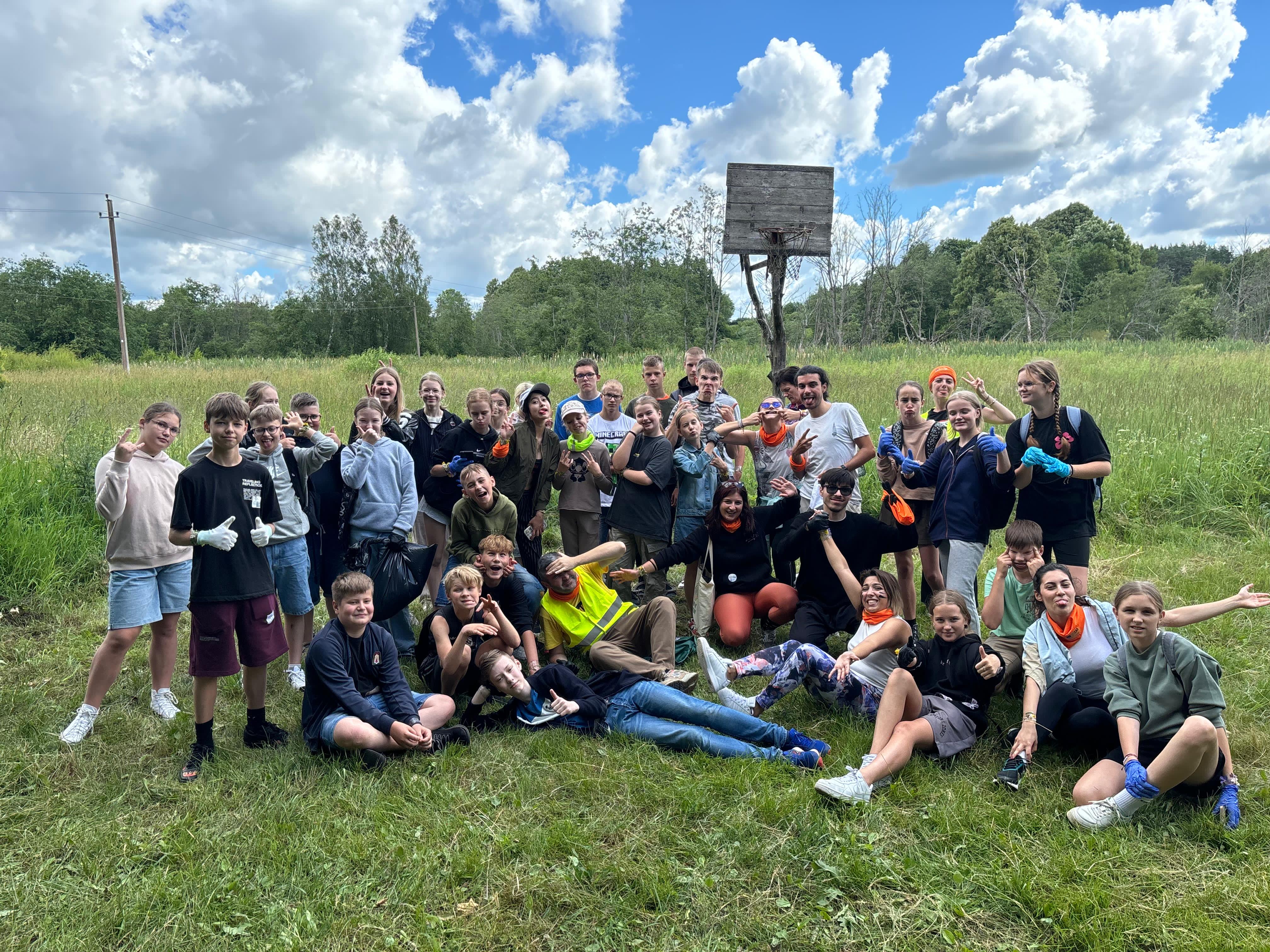
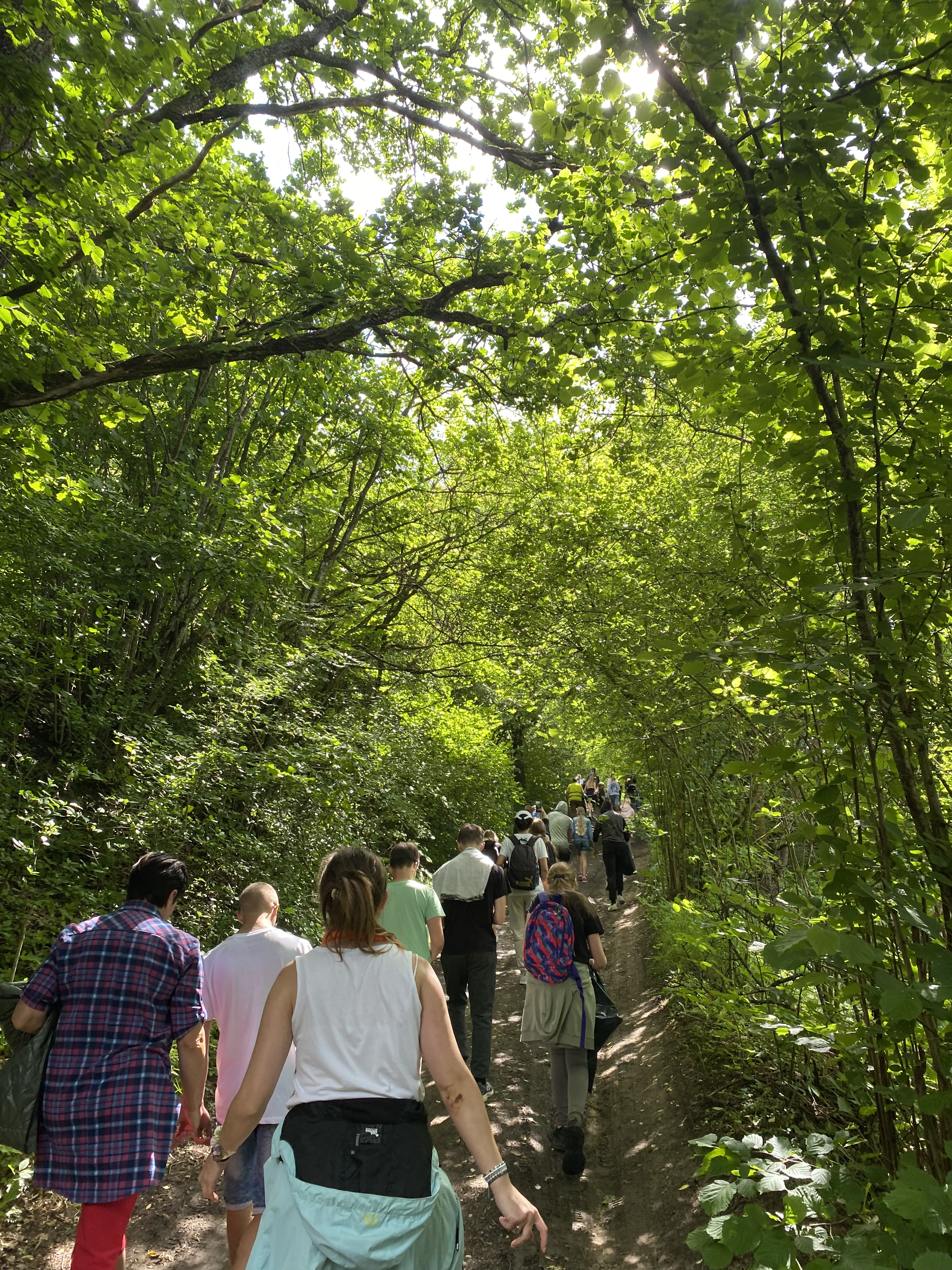
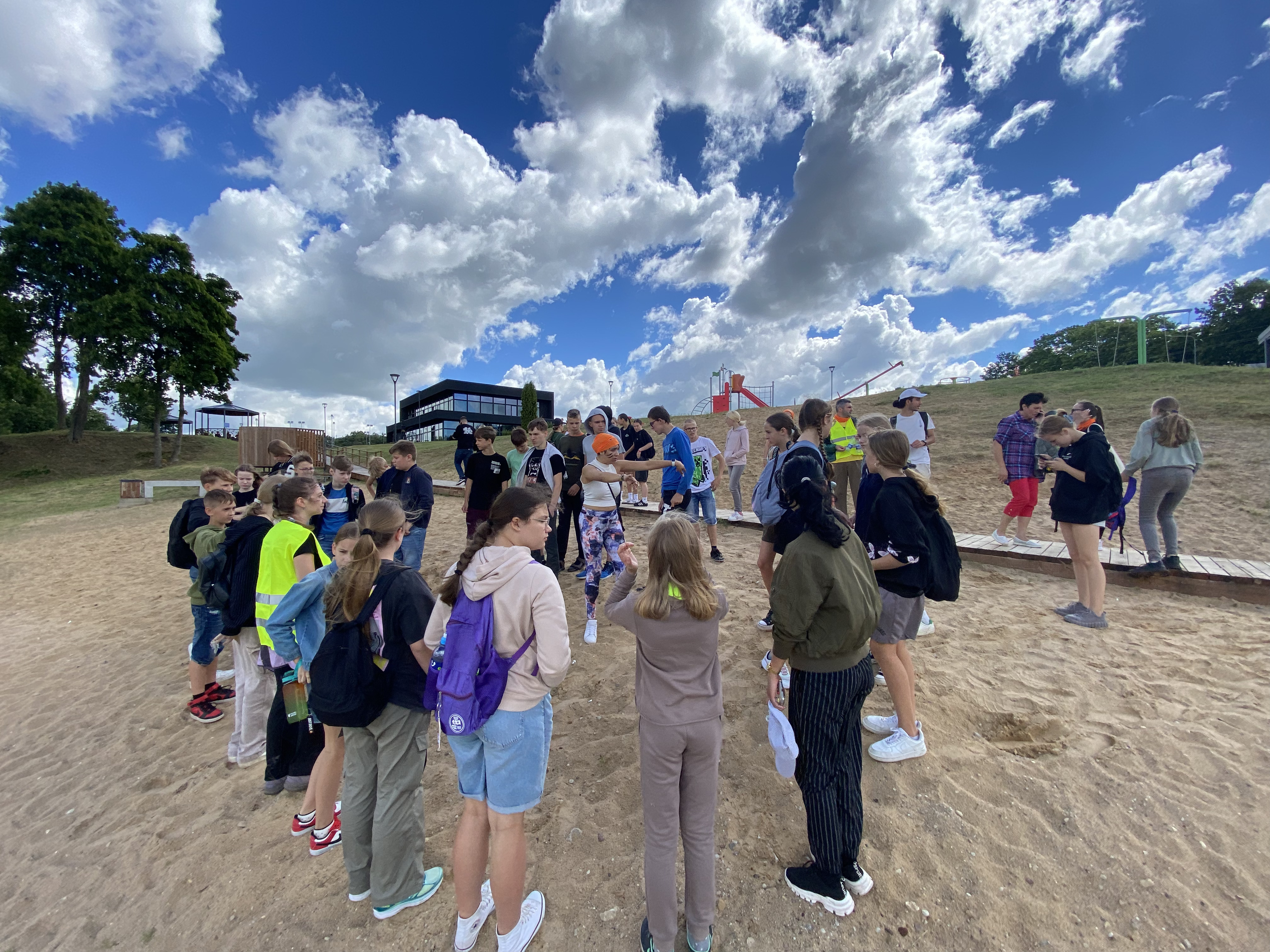
One of the parts where we felt the project’s connection with nature most strongly was the country walk we carried out with local young people. During the planning process, we defined our tasks, created the flow of the activity and thought about how we would communicate with local youth.
Afterwards, we had the opportunity to put all these preparations into practice in a real environment. Walking in nature and talking with young people created a space where people from different cultures came together.
This experience reminded me once again that sometimes the most effective learning environment in youth work is not a classroom or a meeting room. Sometimes a walking path, a forest or a few hours spent together can become a much stronger communication space.
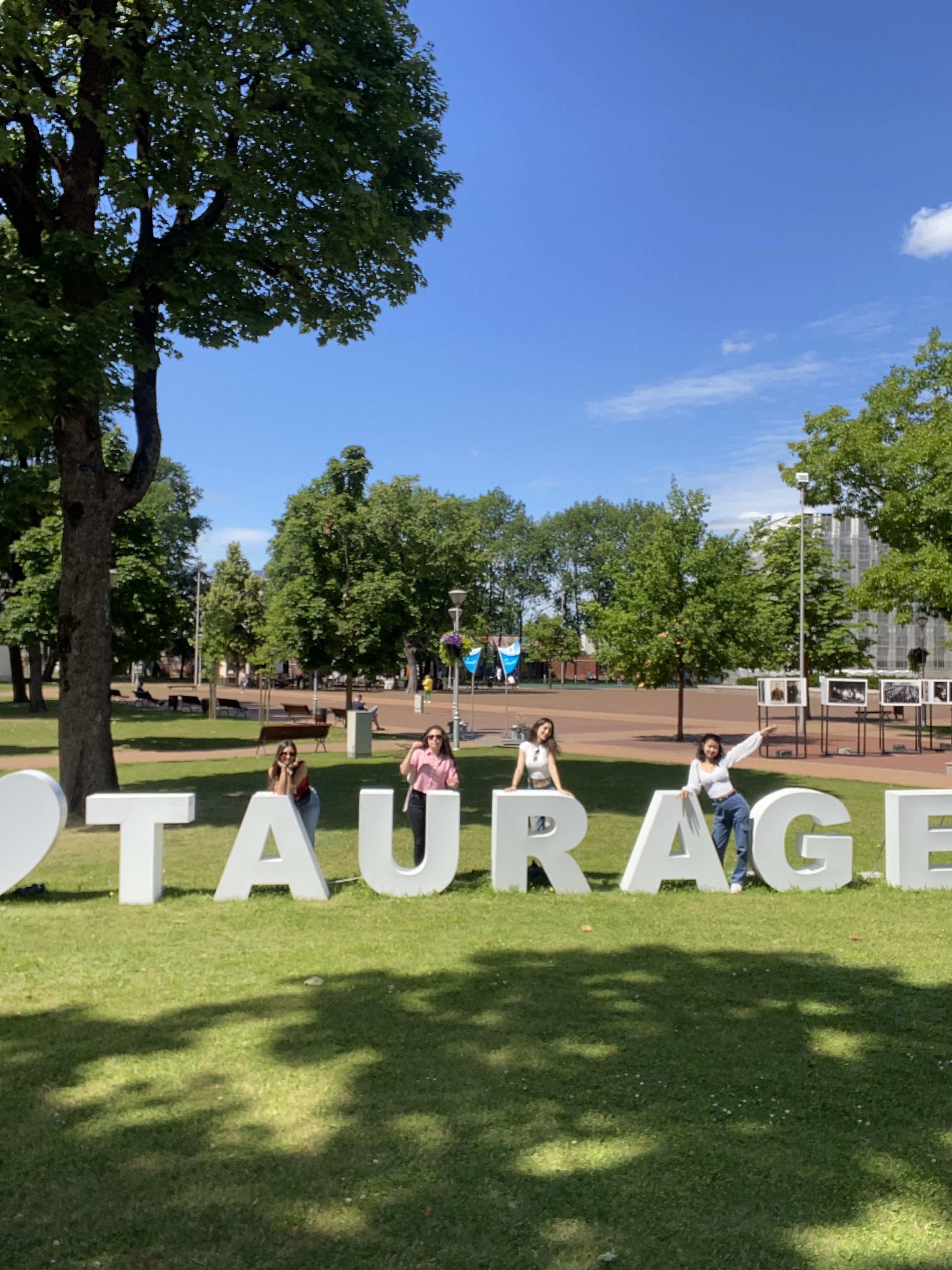
Knowing the city, understanding the local context
Later in the project, visits to the youth center and the city center gave us the chance to get to know local life in Lithuania more closely. We also visited a farm with wild animals.
These visits connected the educational side of the project with daily life. It is not possible to know a country only by staying in the project venue. Seeing its streets, communicating with local people and touching a part of daily life make the experience much more meaningful.
Especially the times spent in nature helped us understand the theme of the project not only theoretically, but through experience.
The project ended, the ideas did not
As I was leaving GreenScape, one of the things I thought about most was what the connections we had built throughout the project could become in the future. We met many participants from different countries. We introduced our organizations. We shared our previous work. We developed new ideas. We talked about potential partnerships.
All of this created a communication network that could continue after the project ended. For me, one of the strongest aspects of Erasmus+ projects appears exactly here: A project does not live only during the dates when it takes place.
Sometimes someone you meet during a project can become a partner in a new project months later. Sometimes a method used by another organization becomes the starting point of a new idea in your own work. One of the most important things GreenScape left me with was this future-oriented perspective.
A new perspective for new projects
The inspiration I received throughout the project also helped me rethink my own work. As someone who has long wanted not only to participate in existing projects, but also to develop and create new ones, GreenScape became an important source of motivation for me.
The work carried out by other participants and the experiences they shared created many new ideas that I can use in the future. A project inspiring another project is one of the most beautiful parts of the Erasmus+ experience for me.
Not a week left behind, but new doors opened
When I left GreenScape behind, what stayed in my mind was not only the activities we had carried out. There were new people. New ideas. Possible new partnerships. And the first steps of some projects I had never thought about before.
That is why I do not see GreenScape only as an Erasmus+ project that took place between 16 and 23 June. For me, this project was a meeting where people from different countries brought their experiences together and opened new paths for future work.
Perhaps the most valuable thing you can take from an Erasmus+ project is not the certificate you hold at the end, but the fact that you begin to ask: “What can we do next?”
GreenScape Erasmus+ Project Participant Yücel Cultural Foundation Youth Page Erasmus+ Experience Stories