Experiencing Sustainability in One Week: EcoSafeguard in Bansko
EcoSafeguard was not only a project where we talked about sustainability in theory. In Bansko, I came together with young people from different cultures and worked on environment, circular economy, zero waste and the 4R Principles. I also experienced how living together, finding common ground through disagreements and building strong bonds in a short time became an important part of the project.
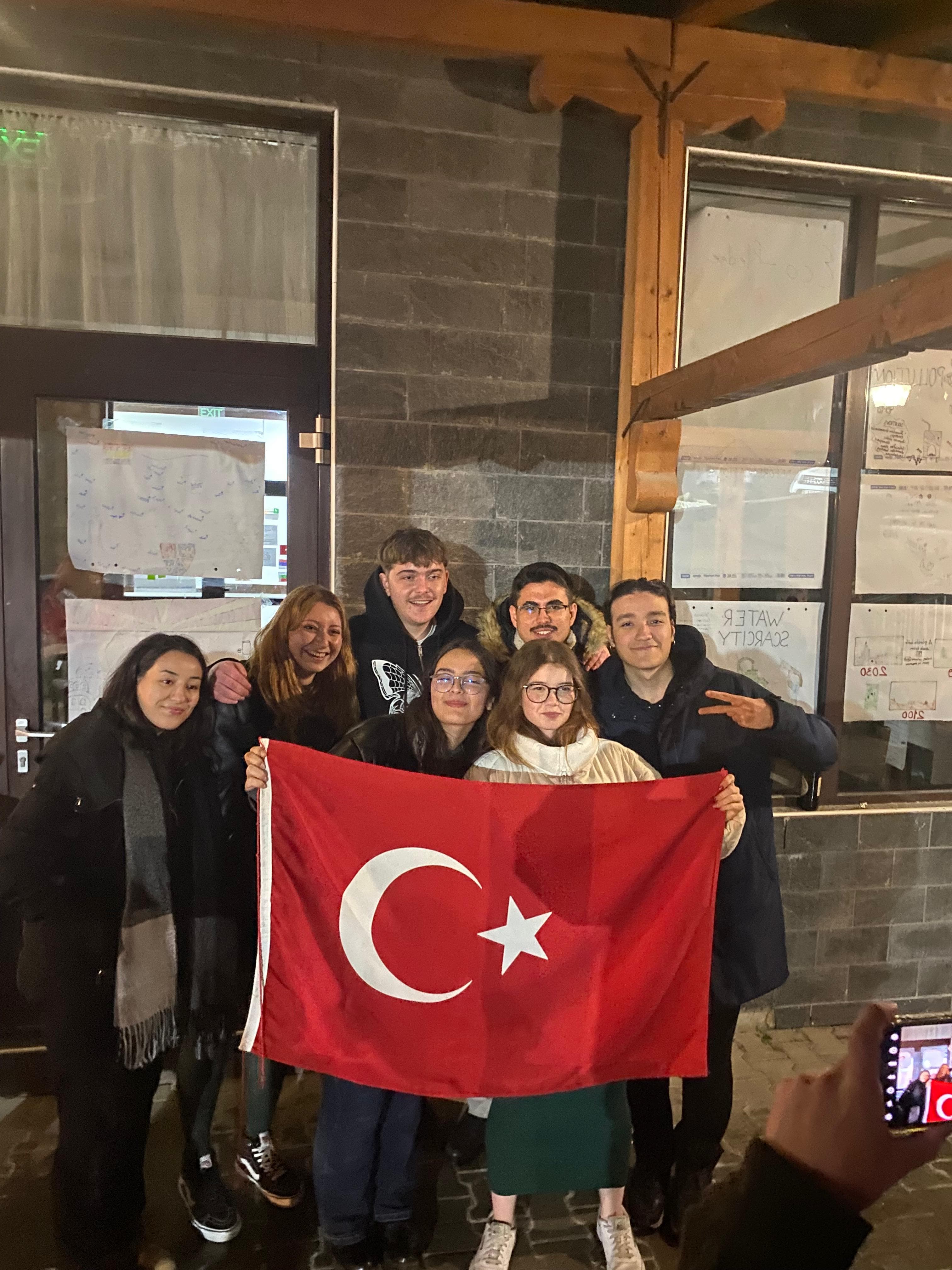
Taking part in the EcoSafeguard project, held in Bansko, Bulgaria from 4 to 13 December 2024, gave me the opportunity to experience sustainability with people from different cultures rather than only discussing it theoretically.
During this process, in which participants from six different nationalities came together, we worked on environment, sustainability, circular economy and zero waste while also closely witnessing the daily lives, habits and perspectives of people from different countries.
From not knowing one another to creating together
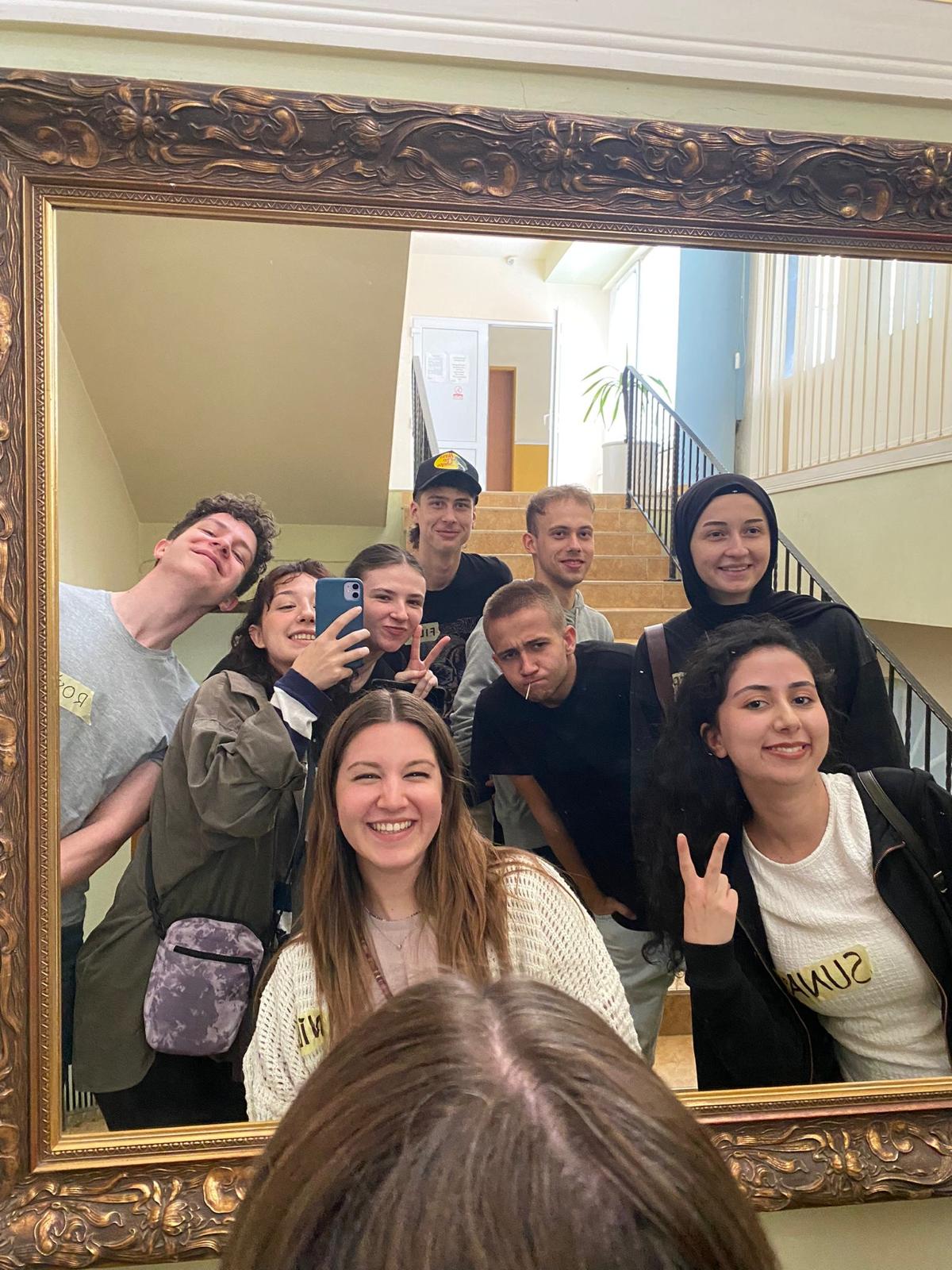
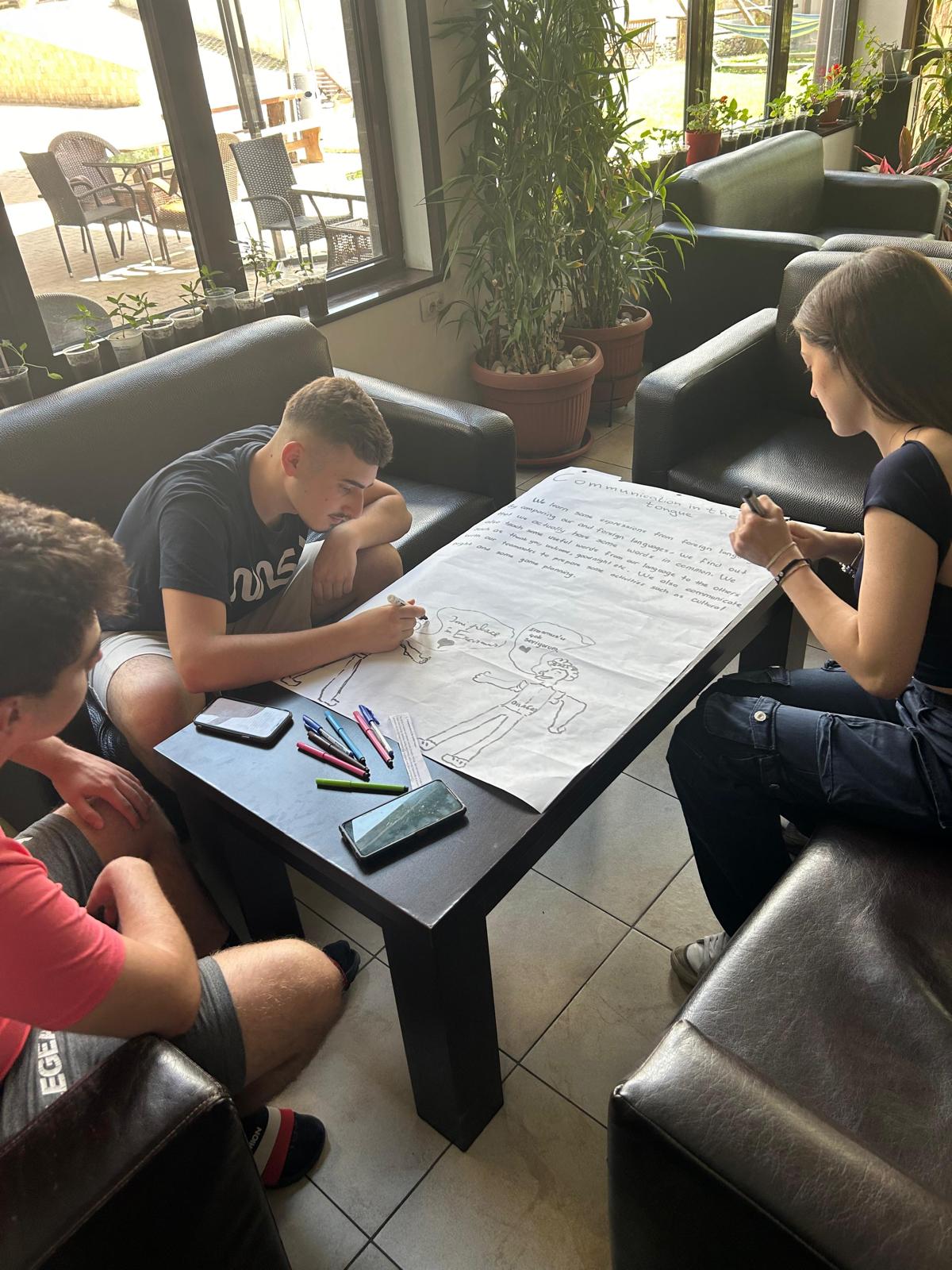
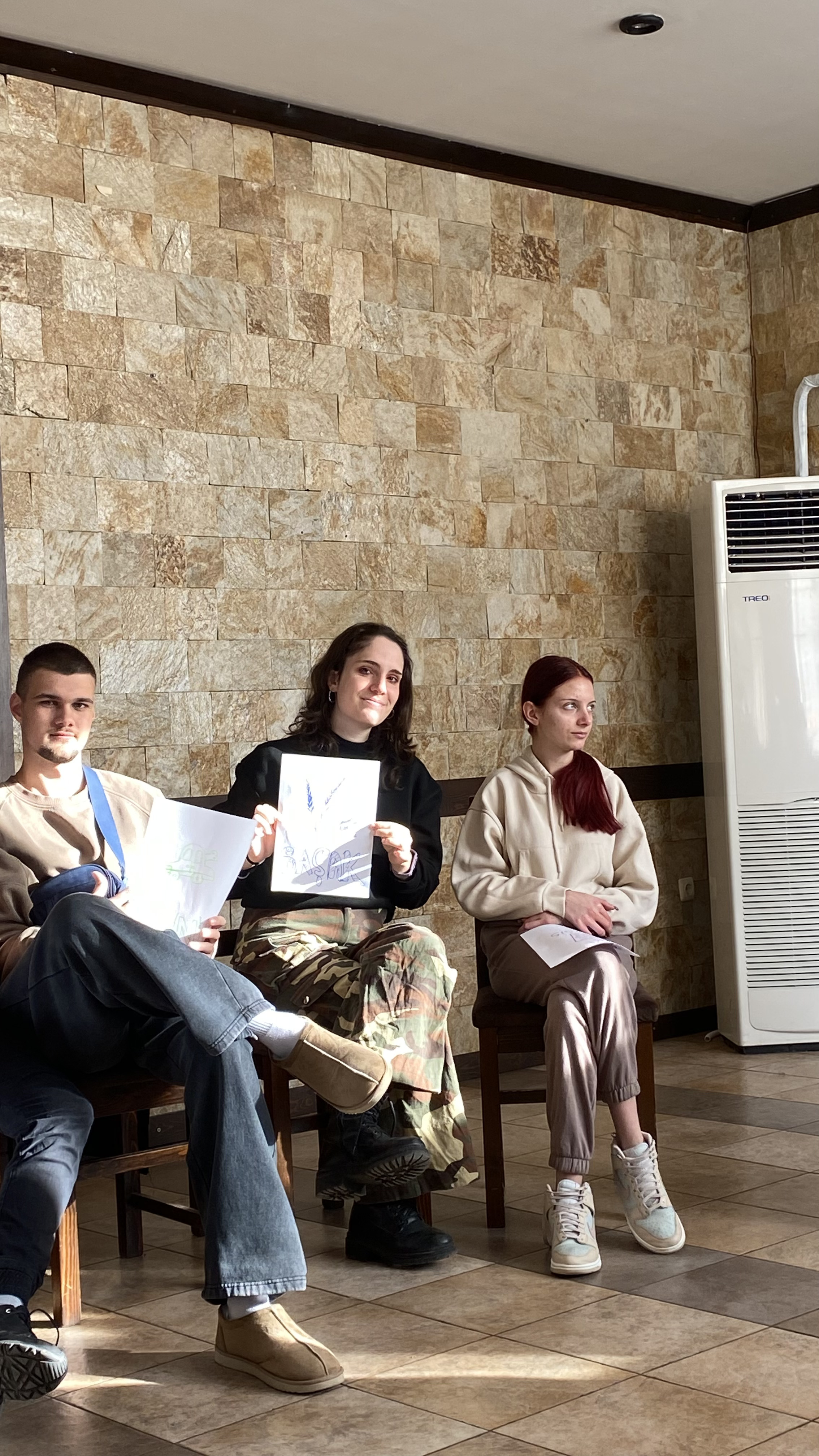
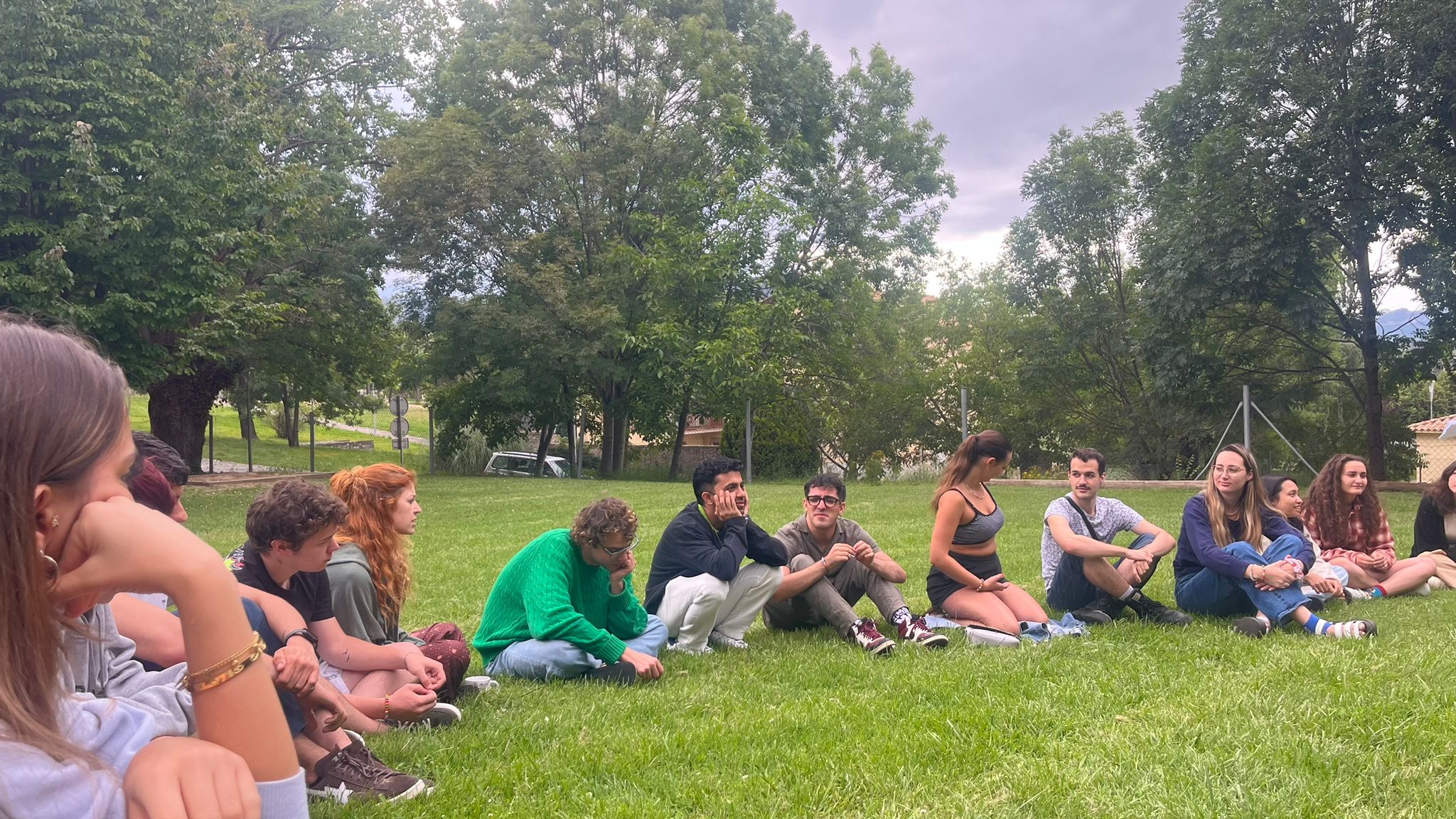
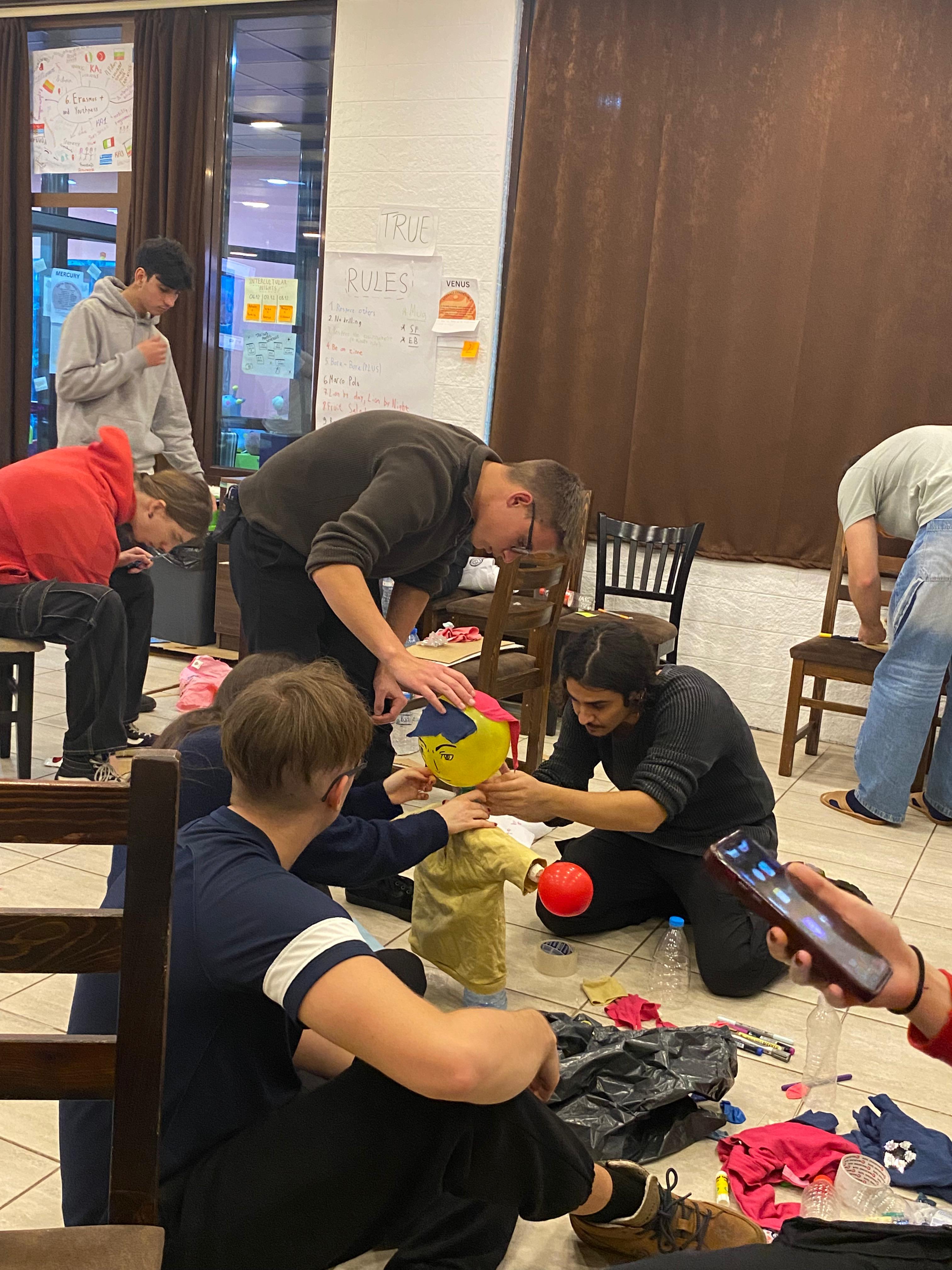
When the project first started, we barely knew one another. Thanks to the introduction games, random pairings and activities where we drew one another, we began to communicate in a short time.
At first, it was hard to imagine that we could have long conversations with people who were strangers to us. But I think this is one of the most beautiful parts of Erasmus+ projects: people you did not know a few days ago can become some of the most important parts of your daily life in a very short time.
Looking at sustainability through different countries
From the second day on, we began to focus more deeply on the main topics of the project. First, we did various activities to see how much we already knew about sustainability.
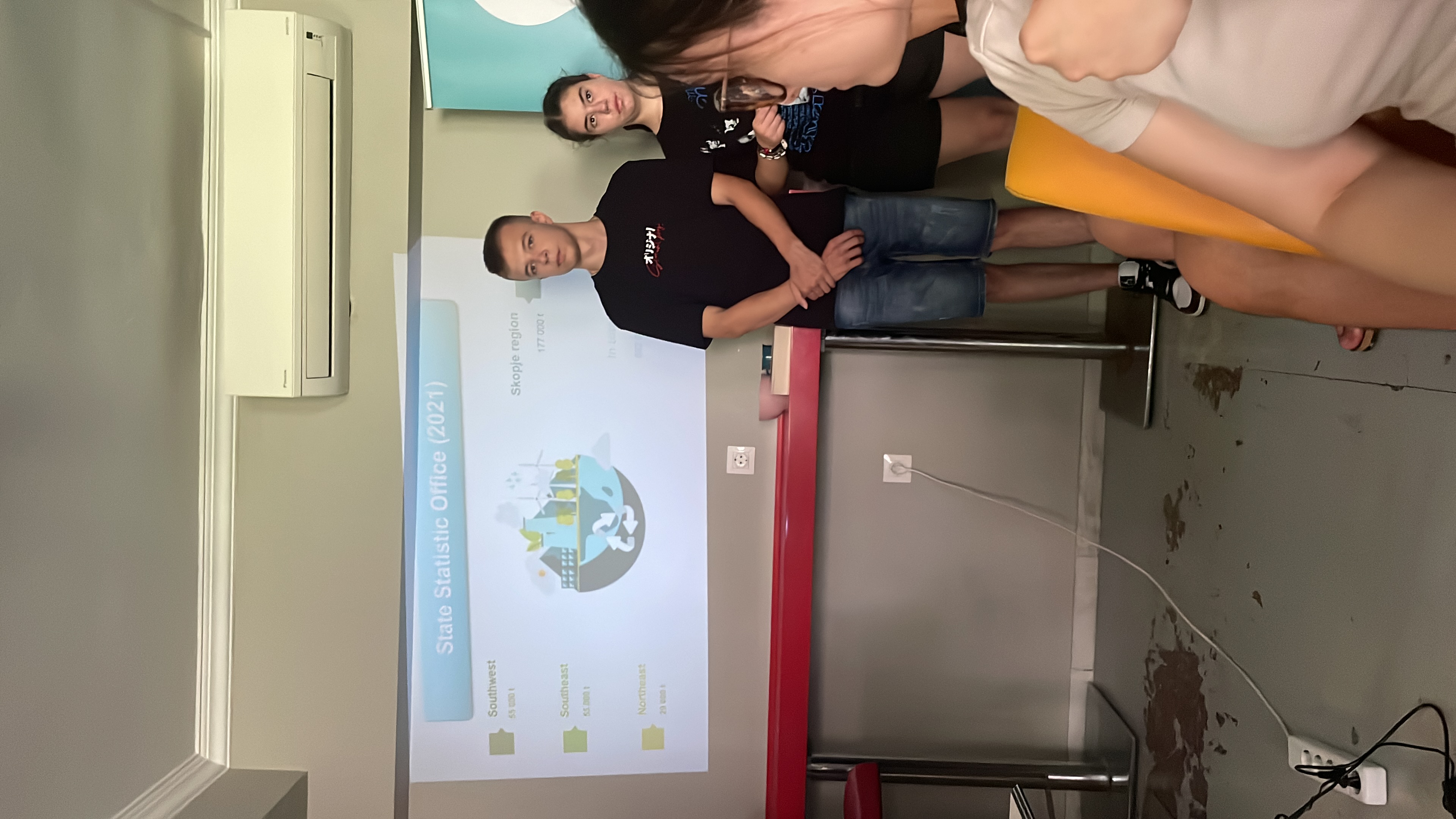
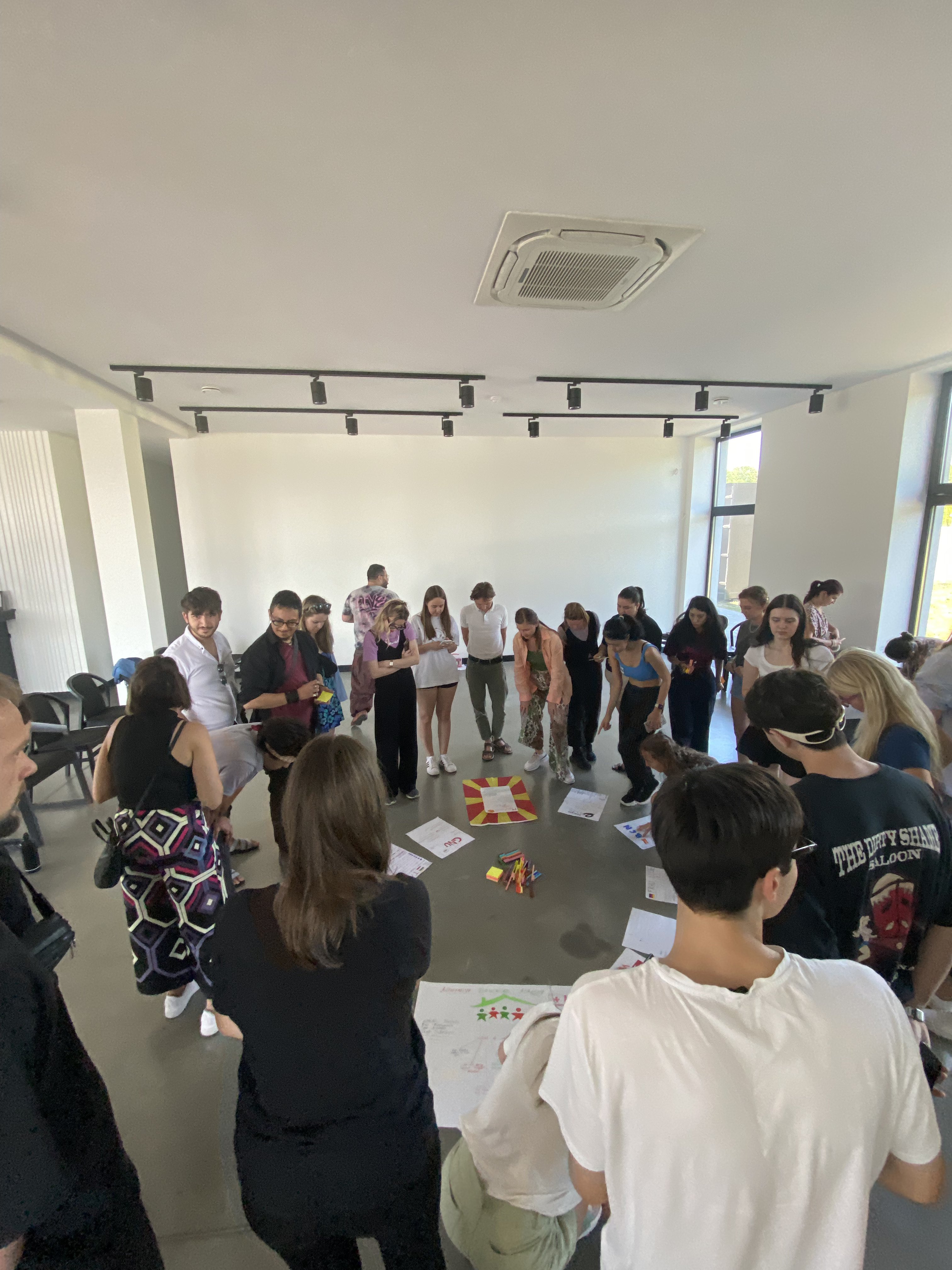
Then we divided into groups with participants from different countries and researched the sustainability practices implemented in our own countries before presenting them to one another.
Through these activities, I saw that sustainability is not approached in the same way in every country. It was very interesting for me to learn that some practices that have become part of daily life in some countries are not yet widespread enough in others.
Seeing how different cultures approach the same issue also made me rethink my own habits.
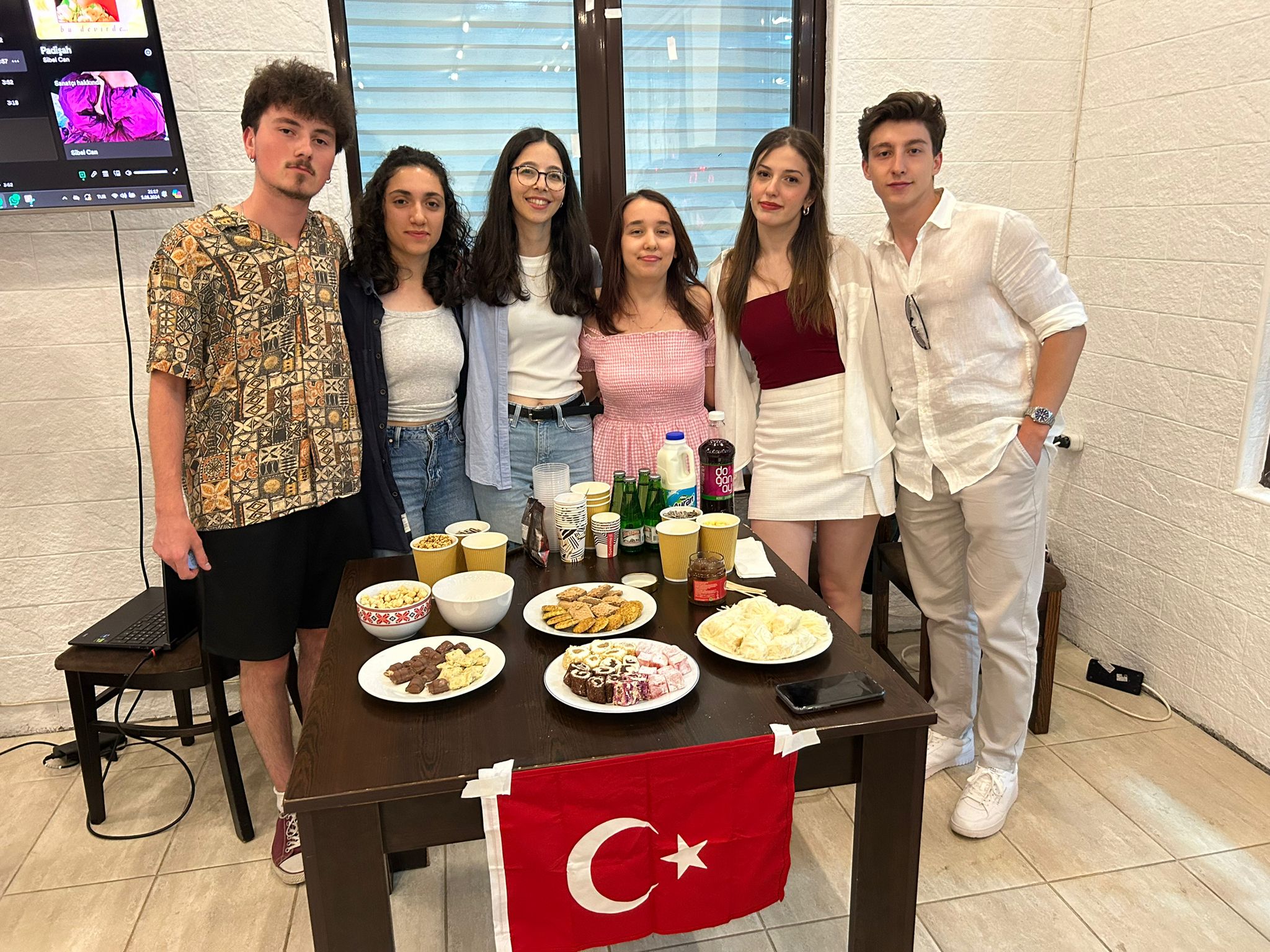
Türkiye Cultural Night
On the same day, we organized Türkiye Cultural Night. We introduced the food we had brought with us to the other participants, made a presentation about Türkiye and played Kahoot.
Afterwards, we tried to teach Turkish dances. Watching people from different countries trying to learn halay was one of the most entertaining moments of the night.
Circular economy, 4R and zero waste
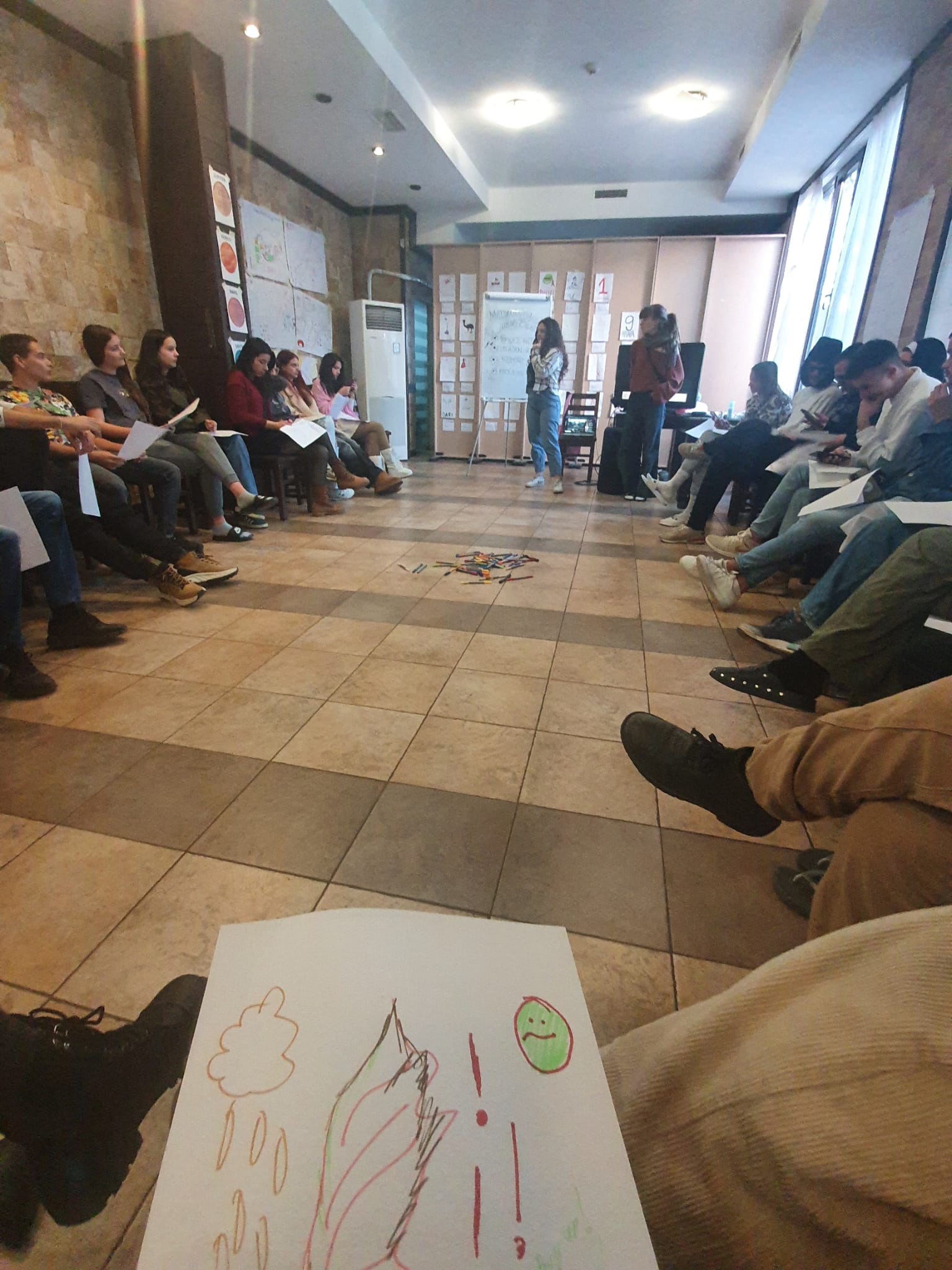
In the following days, we explored sustainability in more depth. We discussed circular economy, prepared mind maps on environmental problems and developed different solution ideas.
The activities on the 4R Principles were especially useful for me. We examined the concepts one by one and discussed their meaning in our daily lives.
We also took tests on our carbon footprint and brainstormed how the zero waste approach could be applied in daily life.
What mattered to me was that the activities were not limited to answering the question “What is sustainability?” We constantly returned to the question “How can we apply this in our own lives?”
That is why I think some of the things I learned during the project will continue to have a place in my daily life after the project.
The fun side of learning
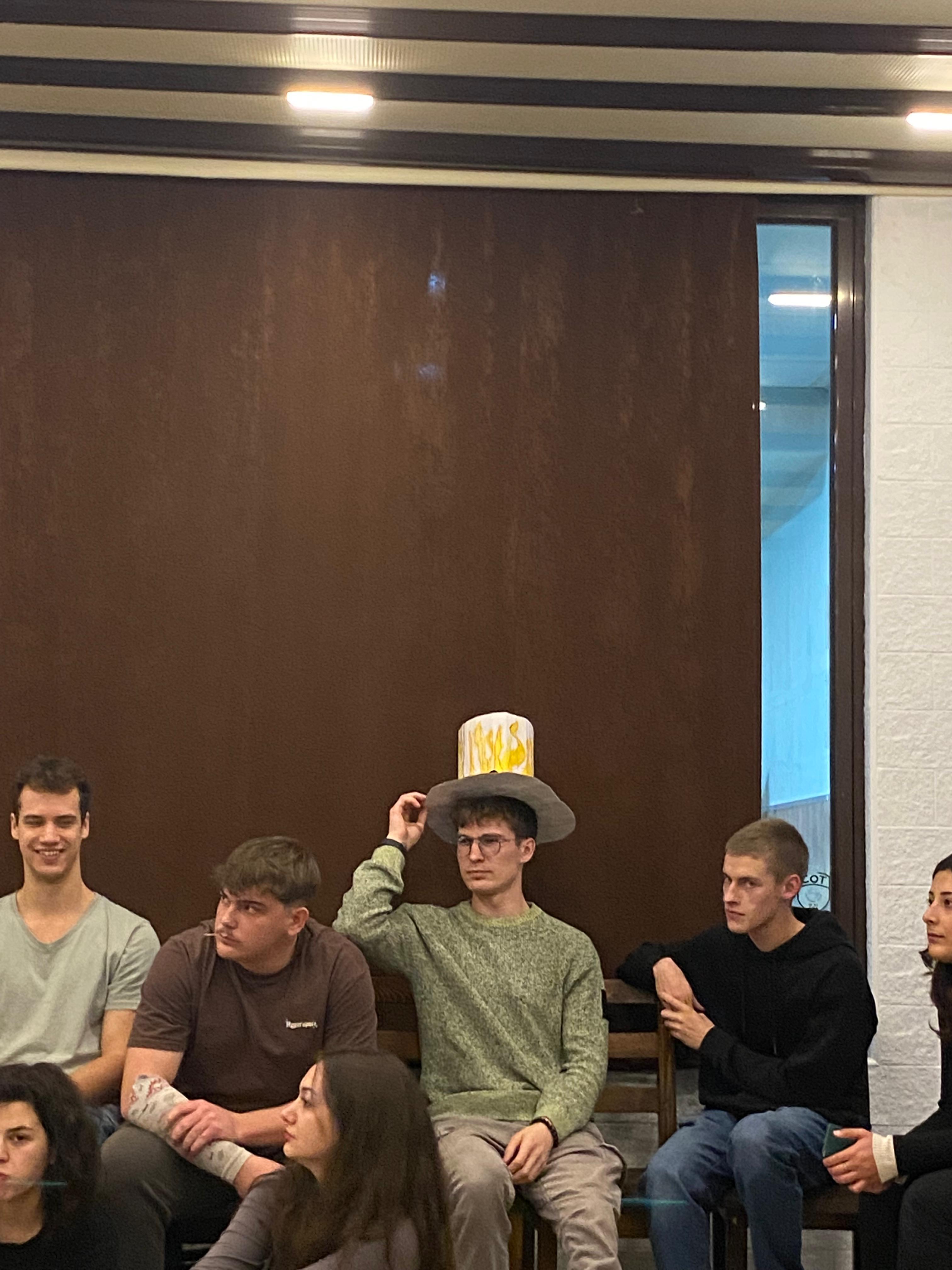
EcoSafeguard was not only made up of workshops and presentations. Fun activities were also placed very well within the learning process.
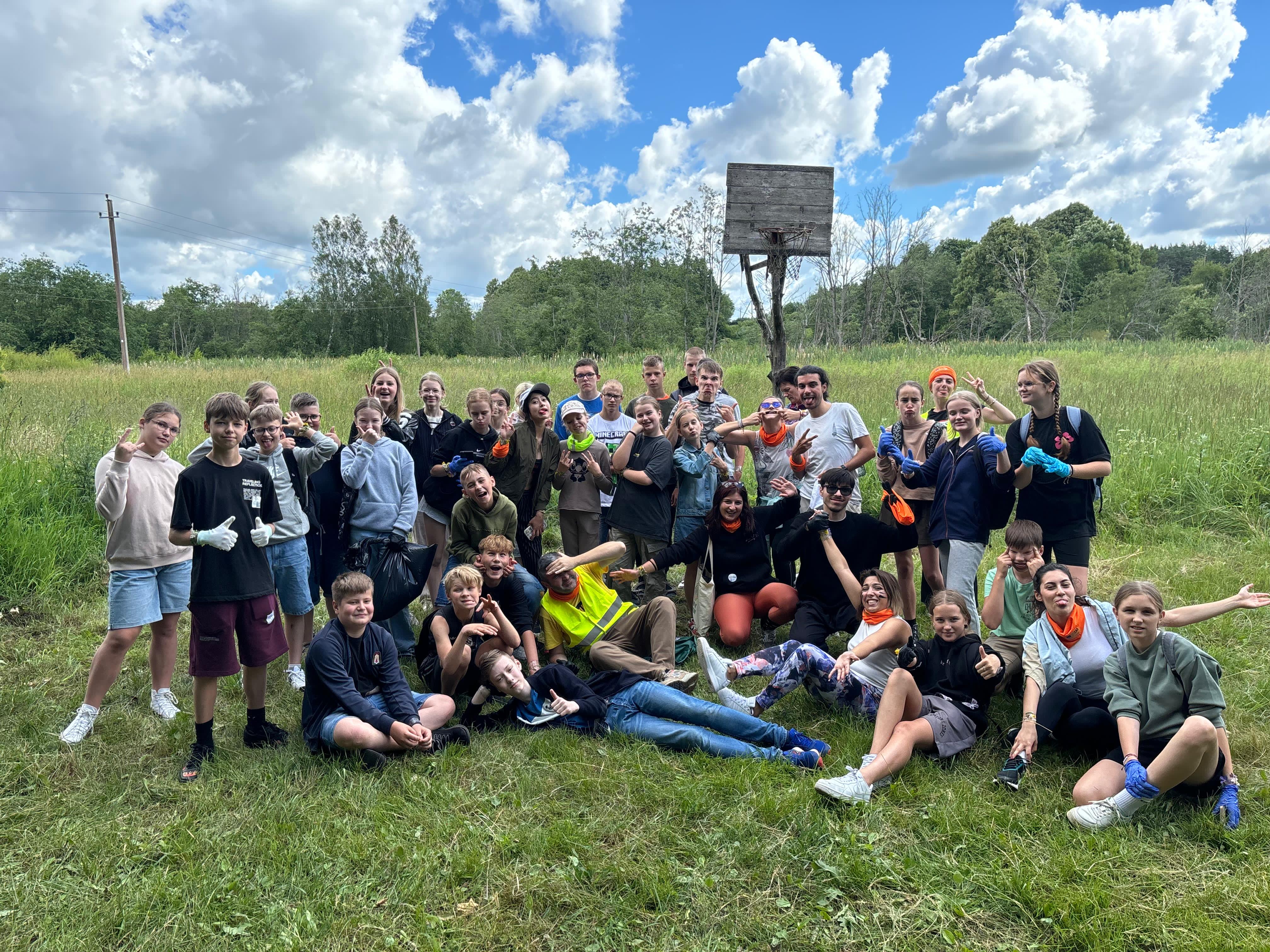
In mixed-nationality groups, we prepared sustainability and ecology-themed memes using the funny photos we had taken. Trying to explain a serious topic through humor helped us think creatively and led to very entertaining work.
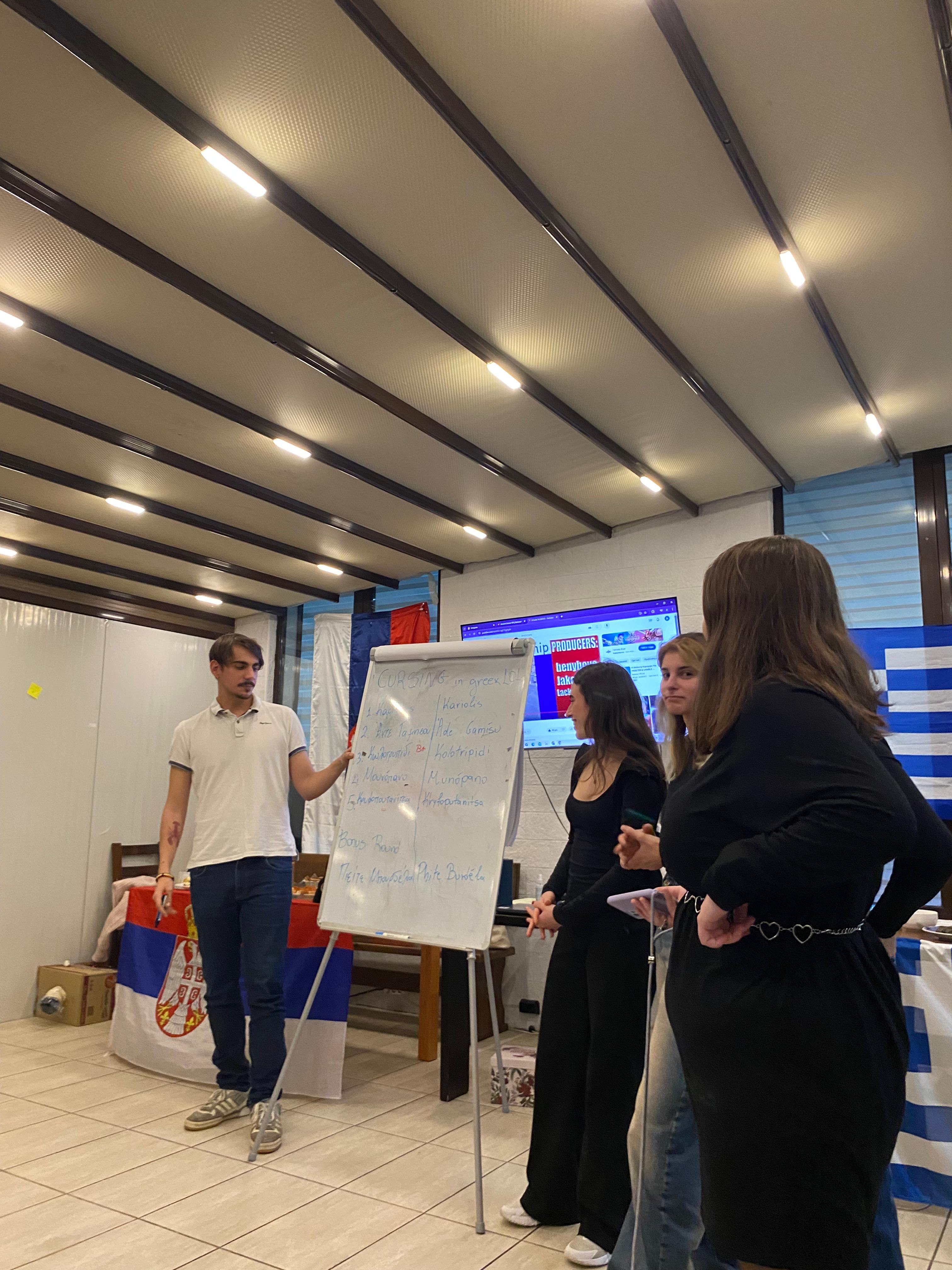
Cultural nights continued in the evenings. Watching participants from different countries introduce their cultures was just as valuable as the academic side of the project. We learned many new things about food, music, traditions and daily life.
Another evening, karaoke night helped all of us move away from the workshops and have fun together. I think these moments strengthened the bonds we built with people in the project.
Discovering Bansko
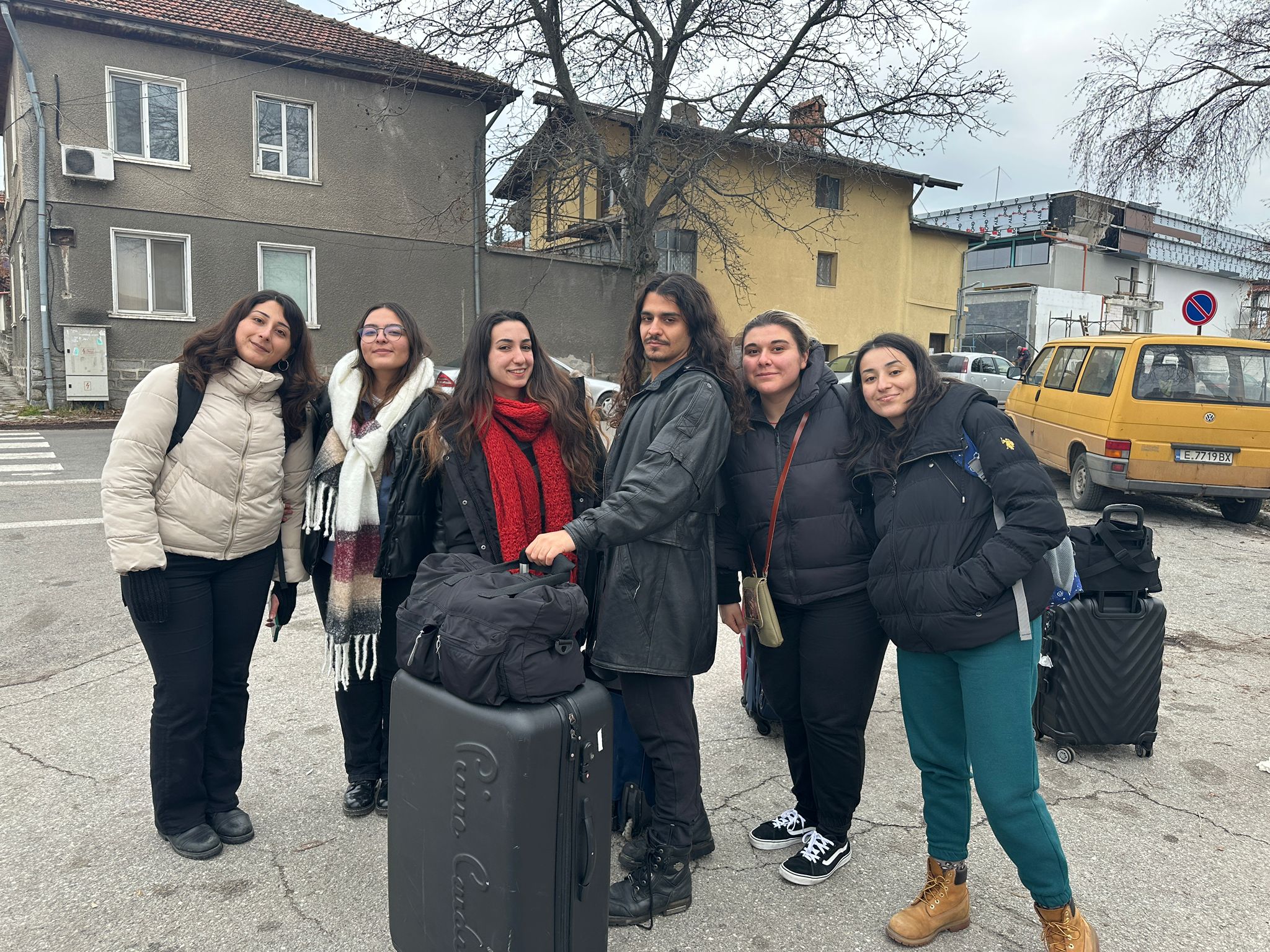
When we had a full day for ourselves, the Turkish team went out to discover Bansko. We walked around the city, observed the surroundings and spent time together.
Bansko’s nature-filled atmosphere was a very suitable environment for a sustainability-themed project. Talking about the environment while being among mountains and nature made the topics we were working on more concrete.
Competing with our ideas through Shark Tank
One of the most exciting parts of the project was the Shark Tank activity. In mixed groups, we developed an idea, prepared a detailed presentation about it and then presented it to the other participants.
In this process, we had the opportunity to improve ourselves not only in sustainability, but also in teamwork, idea development, presentation skills and public speaking.
Although it was sometimes challenging when everyone had a different idea while preparing the presentation, we managed to meet at a common point in the end. Working on the same idea with people from different cultures was a good example of the intercultural learning we had experienced from the beginning of the project.
Final day: what remained from what we learned
On the final day of the project, we received information about Erasmus+ and Youthpass. Then we evaluated what we had learned throughout the project, what gains we had achieved and what kind of connections we had built.
At the end of the Secret Friend activity, everyone learned who their friend was. Afterwards, while giving certificates to one another, I realized once again how quickly the project had connected us.
The fact that the friend who gave me my certificate described me as a “Great public speaker” was also one of the moments that made me happy. Sometimes you only realize how a small thing you did during the project left an impression on someone else in moments like these.
In the evening, with Oscar Night, we gave awards for the “best of” the project and completed the days we had spent together in a fun way.
I learned not only sustainability, but also living together
EcoSafeguard was not only a project where I gained knowledge about environment and sustainability. I also experienced working with people from different cultures, reaching common ground despite differences of opinion, opening myself to new people and building strong bonds in a short time with people I had never met before.
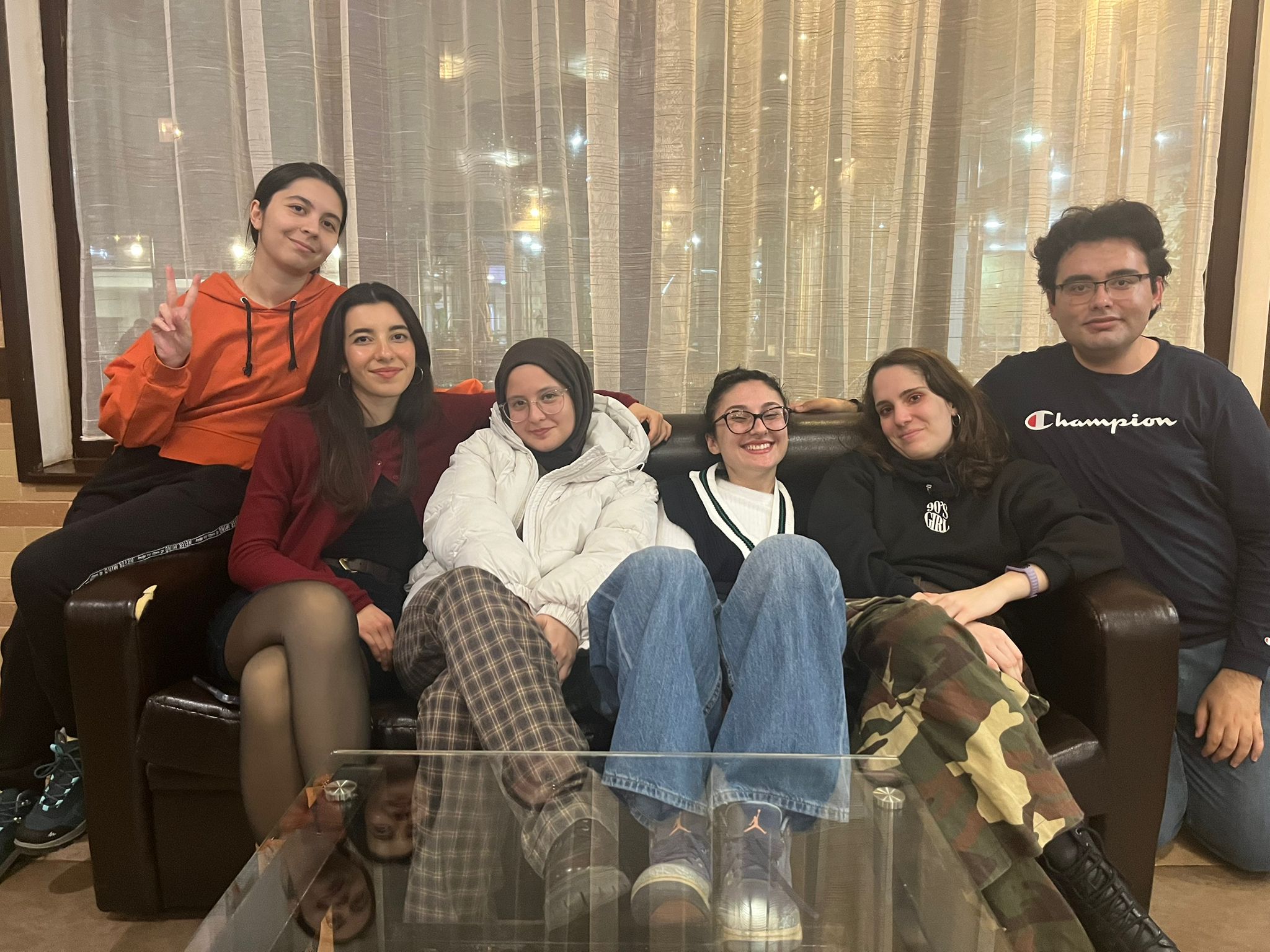
At the beginning of the project, we were a group of people who did not know one another. By the end, we had become a community that laughed together, worked together, shared cultures and promised to meet again while saying goodbye.
When I returned from Bansko, I did not bring back only new knowledge and a certificate. Friends from different countries, new ideas, different perspectives on sustainability and the desire to take part in Erasmus+ projects again came home with me too.
Eco SafeGuard Erasmus+ Project Participant Yücel Cultural Foundation Youth Page Erasmus+ Experience Stories