The Role and Impact of Young People in NGOs within the Metaphor of Education
Education is a lifelong journey that supports an individual’s social and cognitive development, contributes to progress toward targeted professional goals, and shapes one’s life story. This ongoing educational journey enables innovative ideas to transform into projects and progress through sustainable approaches. Short- and long-term programs, workshops, and similar initiatives form an impactful field that engages society with a growth- and development-oriented perspective.
In today’s rapidly evolving era, the generation that stands at the center of this educational journey is academically referred to as “Generation Z,” also known as the “new generation.” Briefly describing Generation Z: they adapt quickly to change and development and embrace innovative approaches. They value flexible working models, are deeply integrated with technology, access information rapidly, and can effectively transfer knowledge. With their active energy and strong self-expression skills, these young individuals are identified as Generation Z.
These valuable young people, whom we describe as the new generation, play a leading role in the field of education. Through their talents, areas of self-development, social entrepreneurship, and innovation efforts, they support their career development across many fields and will contribute to elevating our country’s social welfare. So, in which areas?
Education
Technology and innovation
Entrepreneurship
Production
Artificial intelligence and materials
Politics, law, and many public areas within NGOs — I believe they will achieve success in all these fields.
We have mentioned that Generation Z can be influential in various developmental areas, but why do young people have a place in NGOs? NGO stands for Non-Governmental Organization. NGOs are independent structures that develop cultural, educational, political, and social initiatives in line with contemporary needs, transform these efforts into projects, and bring them together with society. They operate on a non-profit basis, continue through donations and membership systems, and are grounded in volunteerism. Donations are provided by benefactors and delivered to those in need.
In our own life stories, there are many supportive projects that influence both our personal and developmental worlds, raise social awareness, and contribute to progress. At this point, it is evident that young people play a leading role in NGOs that continue to operate effectively and hold an important place in the educational journey. But do NGOs truly have a role in the educational process? Perhaps we have thought about this question, or perhaps we never have. Let us reflect on it together.
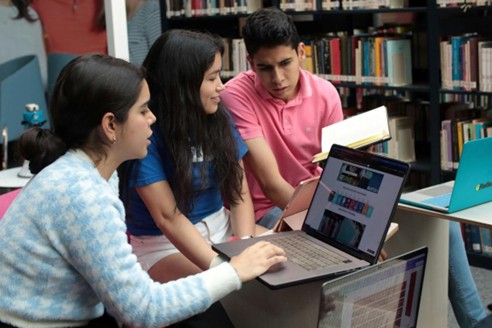
The Roles of Generation Z in NGOs within the Educational Sphere
Development of diction, communication, and public speaking skills
Increased problem-solving and solution-oriented thinking skills
Active participation in democracy
Openness to development and production of growth-oriented projects
Effective use of leadership and management skills
Supportive roles in technology and innovation
High empathy in approaching social issues
Producing projects aligned with their interests, talents, or professional aspirations and easily reaching communities
Preparing research and presentations and delivering them to relevant fields to contribute to social welfare
The Impact of the Roles Generation Z Undertakes in NGOs
Learning self-awareness
Increased motivation levels
Recognizing emotions and managing excitement
Internalizing values
Developing positive peer communication
Strengthening empathy levels
Gaining a joyful and positive attitude
Kübra Nur Dündar
Yücel Cultural Foundation
Volunteer Writer