From Volunteering to Social Impact: Sustainability in Civil Society
Volunteering is one of the most important building blocks of civil society today. However, the true strength of volunteering lies not only in good intentions, but in its ability to create long-term social impact. When sustainability in civil society is targeted, volunteering must go beyond short-term aid activities and be approached in a planned, inclusive, and continuous manner.
Today, many volunteering initiatives begin with great motivation, yet gradually lose their impact. However, for social benefit to be lasting, volunteering must be seen not as a single “moment,” but as a process.
Is Sustainability Only About the Environment?
When sustainability is mentioned, environmental protection often comes to mind first. Yet social sustainability refers to the ability of individuals and institutions to generate long-term benefit around shared values. At this point, volunteering assumes an active and transformative role in building a sustainable society.
Sustainable volunteering encompasses not only helping, but also learning, empowerment, and collective transformation. This process aims not only to increase the number of volunteers, but also to ensure continuity of participation, strengthen volunteers both individually and socially, and preserve the social impact created over time. Within this approach, volunteering evolves from being a temporary form of support into a long-term social contribution. Volunteers are positioned not merely as helpers, but as active participants who learn, grow, and transform throughout the process.
Why Should Volunteering Be Sustainable?
Although many volunteering activities begin with high motivation, they may lose momentum over time. Among the most common reasons are volunteer burnout, lack of planning, and unclear goals. When volunteers feel undervalued or ineffective, participation naturally declines.
Sustainable volunteering, however, views volunteer effort not as a resource to be consumed, but as a value to be preserved and developed. Projects in which volunteers feel they are part of a meaningful whole tend to be far more enduring.
How Can Continuity in Volunteer Participation Be Ensured?
The sustainability of volunteering activities depends on strong and conscious volunteer management. Clearly defined and accessible goals directly influence participation motivation. Regular feedback ensures that volunteers’ contributions remain visible. An inclusive and participatory communication style helps volunteers feel that they are part of the process. When a sense of belonging develops, volunteers do more than provide short-term support; they contribute knowledge, experience, and responsibility in the long run.
From Small Steps to Great Impact: The Power of Sustainable Volunteering
Sustainability is not always achieved through large-scale projects. Small, consistent local efforts can create powerful social transformation over time. A weekly workshop, a regular gathering, or a continuous volunteering program strengthens trust and solidarity within society.
This approach transforms volunteering from a one-time action into a natural part of life.
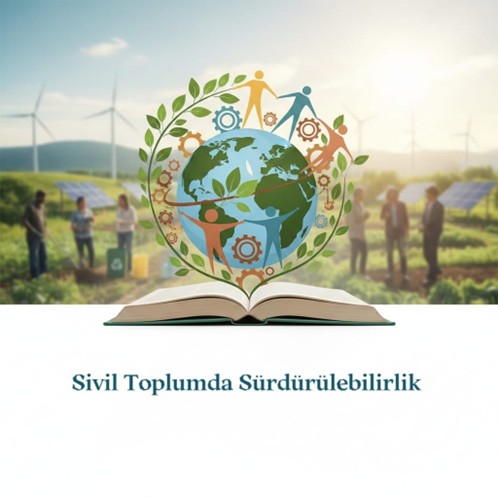
Volunteering and sustainability not only address today’s challenges, but also shape the social values of the future. A sustainable volunteering mindset fosters responsibility in individuals while creating a lasting impact that spreads throughout society.
When properly planned, volunteering becomes not a temporary act of kindness, but a long-term social culture.
And this culture forms the strongest foundation of a sustainable future.
Asena ATAR
Yücel Cultural Foundation
Volunteer Writer